
INTERVIEW: Lucinda Williams is Lighting the Way
10/02 @ MASS MoCa, 10/03—10/04 @ Bearsville Theatre
**This article originally appeared in our October 2026 issue**
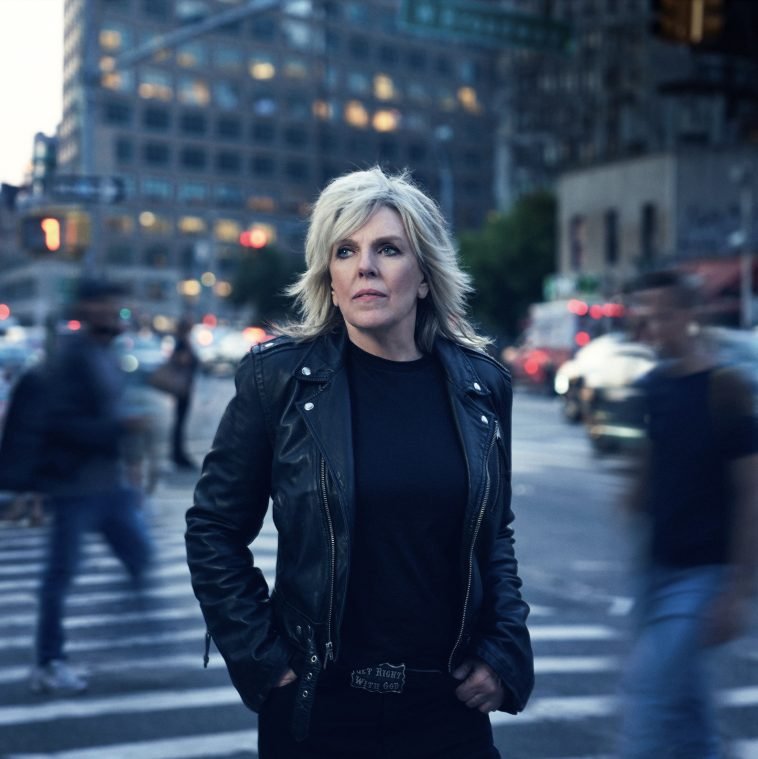
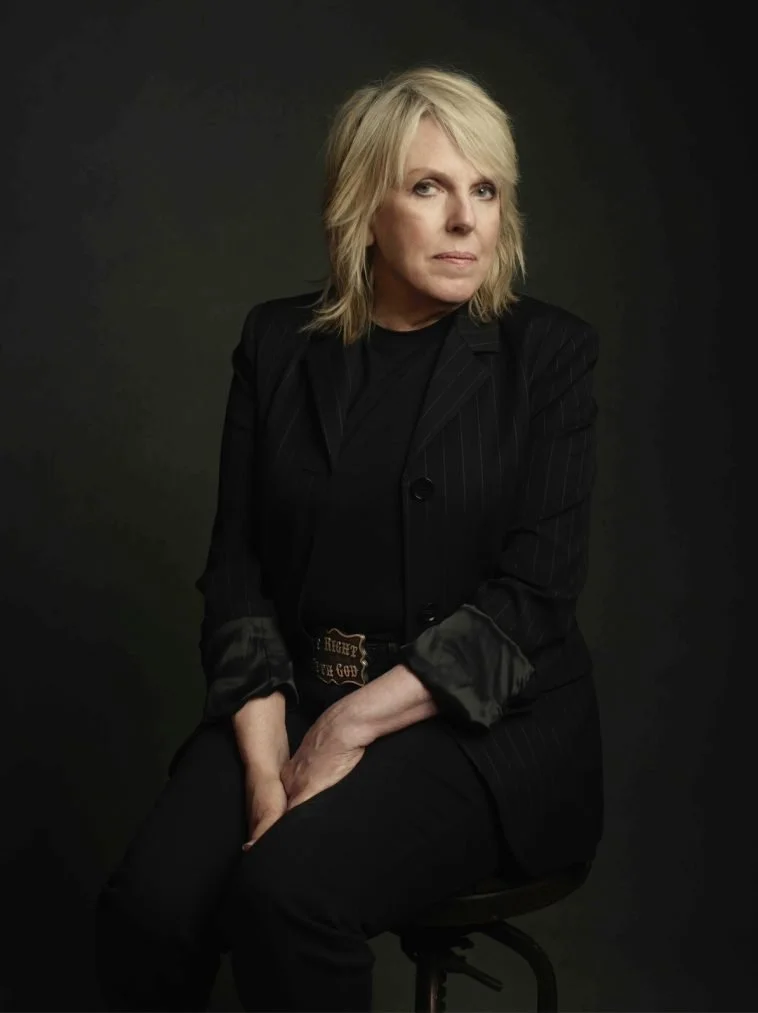
Photos by Mark Seliger
"I feel like that's the artist’s role: to present the facts or issues, and hopefully bring people together…”
Sitting in my car with the windows rolled down, I get a call from Lucinda Williams, calling me from her home in Nashville. Typically not the most ideal place to do a phone interview, but in this case it’s fitting, as in my car with the windows down screaming along to every lyric of “Essence” and “Car Wheels On A Gravel Road” or crying to “Something About What Happens When We Talk” and “King of Hearts” has always been my favorite way to experience Williams’ music.
No stranger to putting her heart on the line in her songs, Williams is doing so on behalf of all of us this time with January’s World’s Gone Wrong — her 16th record — as America’s songwriter of witness in these dark times.
Her upcoming Fall tour in support of that record will include one show at Mass MOCA on October 2 and two nights at Bearsville Theatre on October 3 and 4. Williams is hitting the road with her band, which features guitarists Doug Pettibone and Marc Ford (Black Crowes), drummer Brady Blade (Emmylou Harris), and her longtime bassist David Sutton.
Williams last played in the Capital Region in summer 2025 at SPAC during the Outlaw Music Festival. It was at that show where Willie Nelson’s longtime harmonica player, Mickey Raphael, joined Williams to play “Low Life”. Williams enjoyed this version of the song so much that Raphael recorded the version that is on the album with her in New York not long after the SPAC performance.
She is particularly excited about her two-night stint at Bearsville this month, having recently read a book about the history of Woodstock, Small Town Talk by Barney Hoskyns.
“It's really good because it goes way, way back to the very beginning of the Indigenous people who first lived there, who had a very spiritual connection with this place — it still drew artists even back then! Of course it covers the period when Bob Dylan and The Band were living there and all of that. I wish I'd been able to be there then, but for whatever reason, as much as I traveled around, I never did make a pilgrimage to Woodstock then,” Williams tells me.
She hopes that while playing at Bearsville, she will have more time to explore the town and make this more like a musical pilgrimage than other shows, describing an inherent connection with Woodstock.
While Williams has never been to Mass MOCA, she expresses her excitement for that performance due to her interests in visual art.
“I'm looking forward to that! I like a lot of outsider art and folk art, like Howard Finster,” she says fondly. “These artists would find pieces of wood and stuff in the trash and paint over it and give it new life.”
I tell Williams that listening to World’s Gone Wrong made me cry, scream, sing along, get up and dance, hold my loved ones a little tighter, and by the end feel a lot of hope that change will happen.
“That's what I like to hear,” she replies. “I do write about a lot of dark stuff and all that, but I like to think that there's a light at the end of the tunnel, and people can see that or hear that in the songs.”
The last time I saw Williams at SPAC, her drummer, Brady Blade, was wearing a shirt that said “Music Heals”. This sentiment is at the heart of this record, which addresses current political and social issues.
The purpose of the album for me was to point these things out. Let’s all connect, and let's come together through the music, because we do have to do something.
When these songs were written, every day in the news, there'd be something crazy Trump did or said. It was just pervasive, you know? Everybody is walking around with their mouths hanging open in shock and awe, and so something had to be written about that, at least. I feel like that's the artist’s role: to present the facts or issues and hopefully bring people together.
Williams has seen the power this kind of songwriting has as she watches audiences listen and reflect on these political realities she presents. Though, she does admit having some initial hesitations about performing these songs live.
“I've been pretty lucky so far with how audiences have liked these songs. I crossed my fingers and hoped that the majority of the audience thinks the way I do, because I knew there were probably going to be some people who didn't. But I decided I'm just going to do this and damn the consequences and damn the torpedoes,” she says with pride.
“It’s worked out okay because the majority of the time I've had like-minded people in the audience, and they love it! They're all clapping, hollering, and yahooing and love to get all worked up with it all. I'm grateful that I have enough people to come to my shows who appreciate these songs.”
Williams hopes this will make people come together. Maybe turn to their neighbor or friend or family member when hearing the songs and talk about the messages and stories in them. It’s meant to inspire action and change, or at the very least be a documentation of what it was like to live through these times.
“I think so far it is helping people come together, and the live shows are showing that more.”
Certain songs are like Trojan horses. For example, “How Much Did You Get for Your Soul?” is such a fun song that allows for people to sing and dance even if they might not agree with the meaning of the lyrics. It provokes listeners to move and act, which is powerful.
“That was the whole purpose,” she admits. “I was inspired a lot by Talking Heads when they came out. I loved how they would put real literary-great lyrics to a rock-and-roll soundtrack.” She tells me she recently cut a version of their song, “Life During Wartime”. “That's a great example, I think, of what you can do with having serious lyrics, but with a more lighthearted, cool musical arrangement.”
It’s been proven that songs like these can become political anthems, as well as convert people from the wrong to the right side of history.
Throughout her 50+ year career, Williams has built her artistry around this tension between joy and the resilient activism required to protect that, in public and private life. Her music endures and continues to influence so many young songwriters because she shows that a song has to touch people’s hearts before it can move them to action.
Lucinda Williams and her band will play Mass MOCA on October 2 and Bearsville Theatre on October 3 and 4. To check out World’s Gone Wrong, visit https://30tgrs.ffm.to/wgw.