
INTERVIEW: The Corporate World vs. The Analog World: a Conversation with Gail Ann Dorsey
06/26 @ Caffe Lena, Saratoga Springs
**This article originally appeared in our June 2026 print issue**
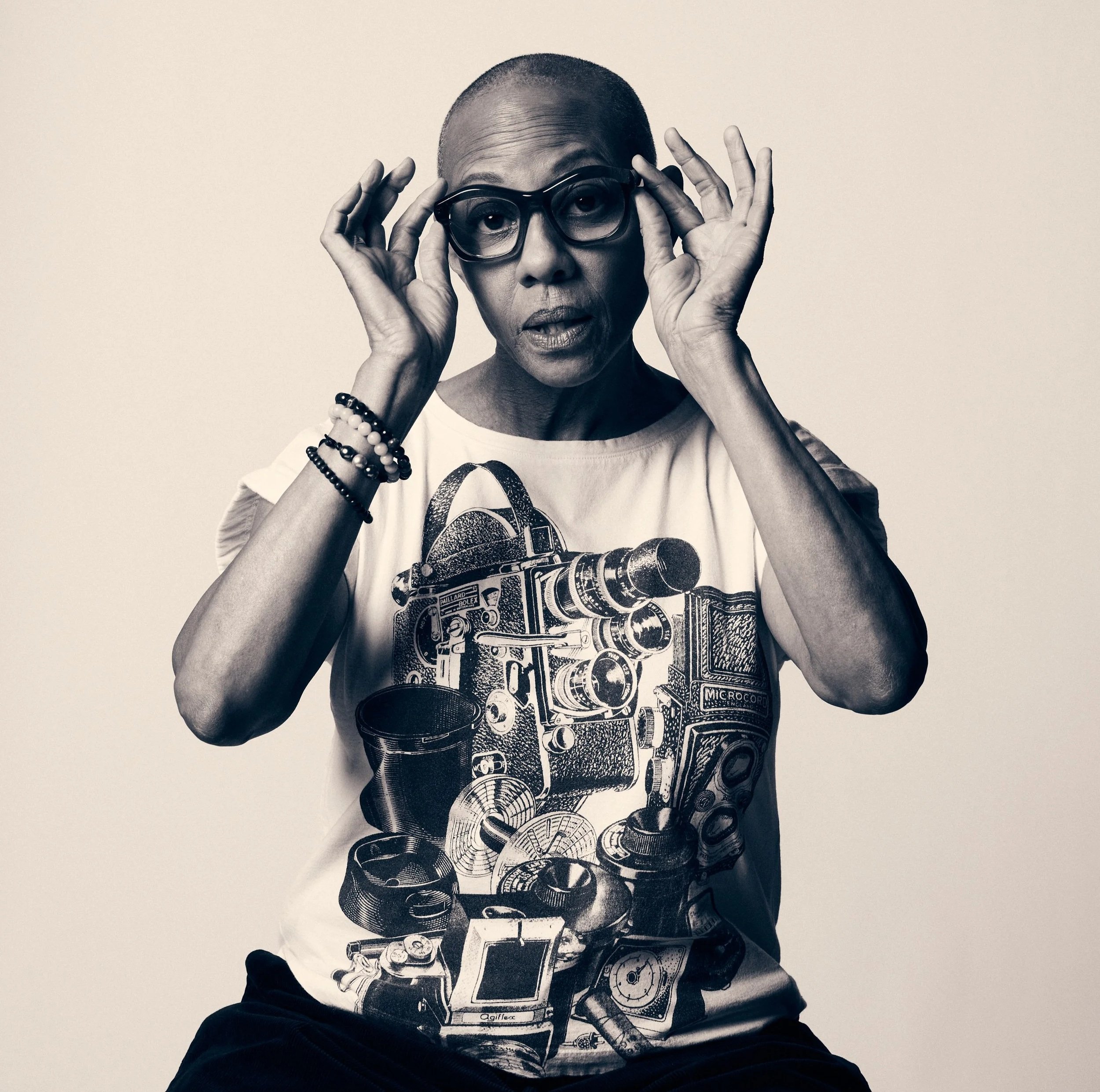
Photo provided
“I try to do something that might inspire someone, or make them think or feel something that makes them then go into action to figure out their way of putting something good in the world. That's our weapon. Our weapon is goodness.”
When picturing a rock band, most people might first conjure up a picture of a glitzy, charismatic frontman. After all, that’s where the audience’s attention goes. That’s who is speaking directly to the listener and that’s who has historically been lauded in rock-and-roll history. But the truth is that a frontman is hardly anything without a backing band. It’s the members of the band that make or break the sound. For many musicians, Gail Ann Dorsey was precisely the one who completed their sound.
Dorsey — Philadelphia raised, but a resident of the Hudson Valley for the last 30 years — is well known for her long career as a session bass player, having worked with Tears for Fears, The National, Olivia Newton John, Gwen Stefani, Lenny Kravitz, Boy George, Indigo Girls, among others, though most notably, she toured with David Bowie for nearly ten years.
A video of Bowie and Dorsey singing “Under Pressure” live in Dublin stands to be one of the best renditions of the song, with Bowie introducing Dorsey by saying “on bass guitar, who is joining me on this next one,” before cutting himself off to correct his statement, “‘join me’ is not the word, takes this next one, Gail Ann Dorsey!” That single video is enough to have an understanding of the scope of her talent as she not only holds her own, but shines right next to Bowie.
But while she bolstered these incredible musicians’ voices with her bass and background vocals, she also had her own artistic visions. She has released three solo albums and is gearing up to release a fourth within the year — The Appearance of Life, a thematic sequel to her first solo album, The Corporate World, a biting critique of corporate greed.
“[The Corporate World] was really an observation of the system itself. Greed, Wall Street, the idea that money is the most important thing. I feel like corporations are running the world and people are suffering because of that,” Dorsey explains to me.
The Corporate World, which was first released in 1988, opens with a sarcastic voice reciting lines over gorgeous, yet slightly ominous, music enticing listeners to pay close attention: “I made so much money in my career, I didn’t even know where it was… Now I know where it is… I can write checks.” The final line of the opening monologue is punctuated with blithe, pompous laughter as Dorsey then goes in for the kill: “Life is big but business is bigger, losers live in shame, and the winners pull the trigger, and we follow the man who wears the suit… he says… ‘Keep up with me or I’ll leave you behind.’”
Conversely, Dorsey’s newest single, “(It Takes All Kinds) To Make A World,” — a dizzyingly beautiful ’70s inspired song — opens by posing a question to the listener: “What do you see? What’s the first thing that comes to your mind? Do you reach for a sword or the patience of The Great Divine?” before plunging into its overarching message: “It takes all kinds to make a world, not just any world, but a world of love… give and take the world as it comes…”
One might guess that this single sets the tone for a bravely optimistic album despite our current political climate. However, Dorsey says the song is more of an ode to a world we are no longer living in, opening an album that otherwise serves as a larger critique of the current state of the world.
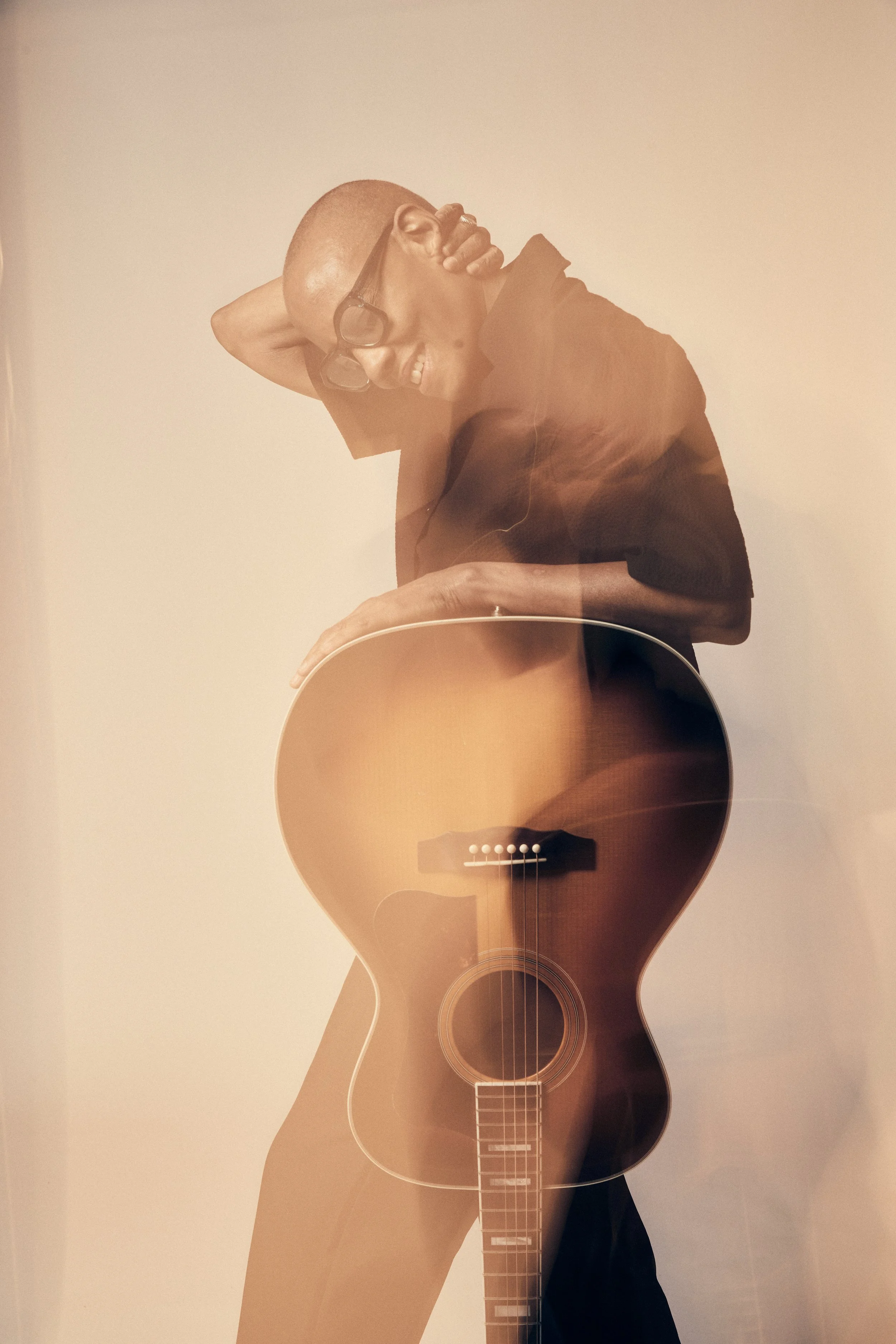
“The newest album [nearly 40 years after the release of The Corporate World], is asking, ‘What has living in the corporate world done to us as people?’ It’s called The Appearance of Life because I believe that we don't really live anymore. We survive. What is beautiful and bountiful about life, we don't really get to experience because of the way we have evolved as human beings. A lot of [what many consider success] is illusion. It's an appearance of something and certain things that give us gratification at certain times, but how do we really live? What is the quality of our life? I don't think it's very good at this point, especially in the United States.”
If you notice a complete and total tonal shift between “(It Takes All Kinds) To Make a World” and the rest of the contents of The Appearance of Life, Dorsey acknowledges that it’s quite intentional. She plans on having “(It Takes All Kinds) To Make a World” be the very first song on the album and part of it will fade back in as a reprise of sorts at the end.
The callback serves to remind people that a peaceful world is where we need to be; the rest of the album is where we unfortunately are. “So there aren't any more hopeful songs,” Dorsey admits with a laugh.
“I'm writing a song called ‘I Miss Romance,’ which is through the eyes of a child.” she continues. “I remember — and I think others can remember — the world as being a romantic thing, something that we learn when we're little. Our first love, our first kiss, all the movies, and the books we read. You imagine this future for yourself, of romance.
“Of course, we grow older and we realize it's not all rosy. Because relationships are hard, you know, people get divorced, things don't work. But there is something, to me, very magical about that time of being a young person and imagining the world through those romantic eyes.”
Another piece, though darker, is called “Maybelline,” which is about teenage suicide. Dorsey wrote this as a result of the epidemic of young people comparing themselves to others and making a life-ending decision because they perceive themselves to be less beautiful or less successful than others.
She goes on to explain that she’s worried for today’s young people. Those romantic eyes she wrote about are built through creativity, consuming books, going out in your community, creating, and ruminating on certain ideas. She worries that — with all the noise and distraction young people are bombarded with — do they still have time to sit and use their imagination? Or is their time spent having a watered down, lackluster imagination fed to them? What becomes of them then? Does that creative muscle even develop?
“We have to feed that beautiful gift that we all have of imagination, which then becomes creativity, so you can become a writer, or anything else you want,” she says. “I feel like a lot of that is getting muted and distorted. I don't know how that romantic world can be envisioned anymore.”
In a way, this album is an homage to what built Dorsey’s creativity and imagination growing up: singer-songwriters of the ’70s. Having played bass for a variety of iconic rock bands and albums, one might pigeonhole her and assume that’s her favorite genre. However, while she is open to all kinds of music, she really wanted to recreate the spirit of what she adored when she was younger.
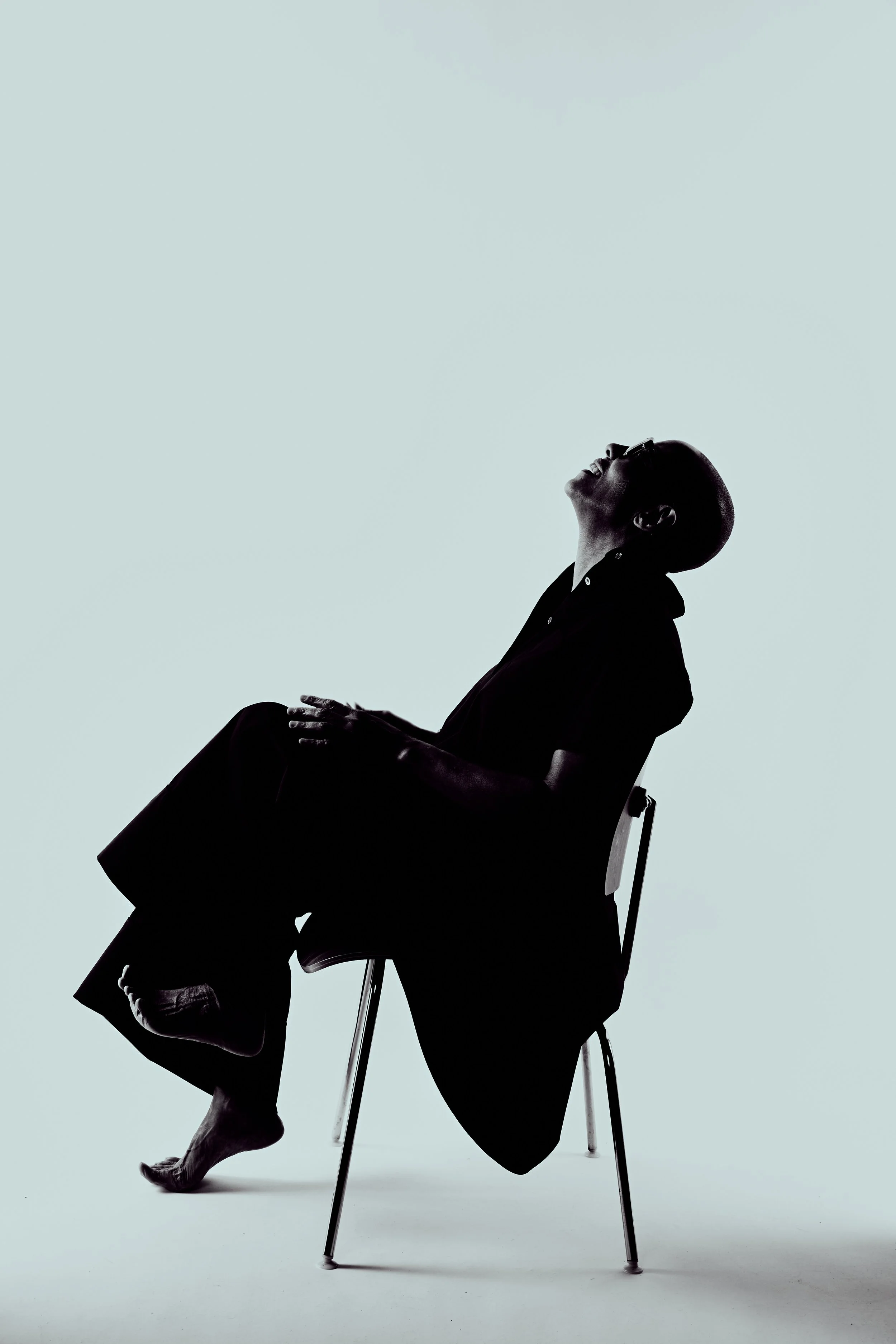
“I love the music of the singer-songwriters of the ’70s. That was my childhood and when I was really introduced to music. It shaped me my whole life and I still listen to that music more than any other kind. I've always wanted to make a record that was reminiscent of that era. We're talking about Carole King, Carly Simon, The Carpenters, Olivia Newton John, Helen Reddy, Jackson Browne, Paul Williams. It's music that's a little bit more organic. It's definitely more analog. I don't plan to have too many machines or anything on this record. Not a lot of fancy production or anything around them. Like for ‘(It Takes All Kinds) To Make A World,’ I was listening to a Carole King song called ‘Sweet Seasons,’ which inspired that sound.”
In addition to creativity being lost because of online distraction, Dorsey is concerned with the rather monotonous state of current music. While it’s never been easier to record and send your part of a song to whomever you’re working with, she finds that many musicians don’t seem to include a variety of instruments, which would make the pieces a bit more textured and sonically interesting.
“[Current music] sounds great, it’s well-produced, but very one dimensional; it’s flat. It lacks imagination, and as musicians, we have a massive palate of sounds and instruments and things we could use. If you listen to the music from the ’70s there's trumpets and xylophone… I don’t know what it takes — money, or maybe courage — to produce something new.”
Dorsey takes a minute to consider examples of what she’s talking about. Namely the incredibly acclaimed Queen hit, "Bohemian Rhapsody.” It’s one of the greatest rock anthems of all time, but pitching a song like that today would probably have record executives’ heads spinning. Could you fit a masterpiece like that, with several different movements, into a coveted viral 30-second TikTok trend? Probably not. So creativity falls to the backburner. Many artists stick to a basic formula to ensure a certain level of success.
“Someone has to be brave enough to step out. There's an Earth Wind and Fire song called ‘In the Stone.’ That song has one of the most magnificent introductions to a song you've ever heard. It's grand, it's majestic. The horns come in for like, a whole minute. It’s a whole song in itself,” she recalls.
“If someone had told them, ‘You can't do that,’ we would have been robbed of one of the greatest pieces of music ever. So you have to be brave. Let’s change it up. My music might sound old fashioned to people who knew what music was in the ’70s, but to young people, maybe it won’t.”
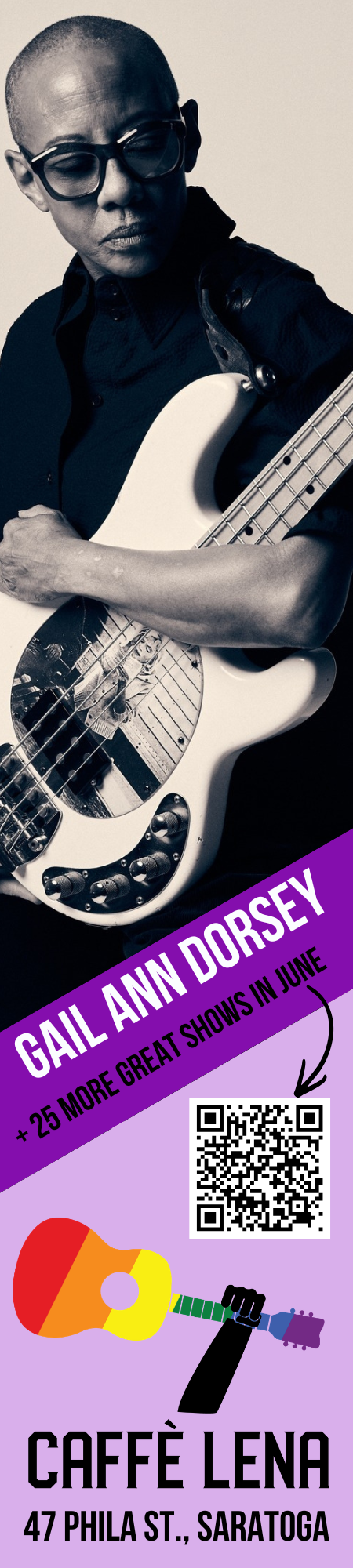
To further hype up the anticipation for her new music, she’ll be embarking on a Northeast tour in June — the last stop of which is the Capital Region’s own Caffè Lena. When asked about what she has planned for her upcoming shows, Dorsey says that she will be playing a mix of old songs and new songs. Though it will just be her and her instruments, she’ll have a loop so she can add a little more to the pieces. Though the setlist depends on the day and the crowd, she’s expecting to play a few covers. No word on if we can expect any Bowie, but she’s excited to play one of her all time favorite songs, “Alfie,” a piece by Burt Bacharach. Unsurprising, as she often refers to her music as “Blackarach,” a portmanteaux combining Black and Bacharach — or Bacharach as filtered through her worldview.
Although Dorsey’s upcoming album is predominantly her thoughts on some of the darker elements of modern times, her set won’t be devoid of joy. In fact, it’s because of joy and trust in people that she’s making this record.
“We need to be trying to see something positive and hopeful in this world,” she posits. “Somewhere along the way, we lost control and we need to get it back. I do my best through music. That's all I know how to do. We need music, probably as much as we need air and water and food.
“I try to do something that might inspire someone, or make them think or feel something that makes them then go into action to figure out their way of putting something good in the world. That's our weapon. Our weapon is goodness.”
Gail Ann Dorsey is performing at Caffe Lena in Saratoga on June 26. Her new album, The Appearance of Life, will be released through Righteous Babe Records toward the end of this year. Keep up with her at gailanndorsey.com and @gailanndorsey.