NONPROFIT SPOTLIGHT: Robert C. Parker School
Photos by Tom Miller
“Kids learn best by doing and having something that's relevant in their life to learn. Rather than just looking at a screen or a tablet, we’re giving them something to sink their teeth into, like a hands-on project.”
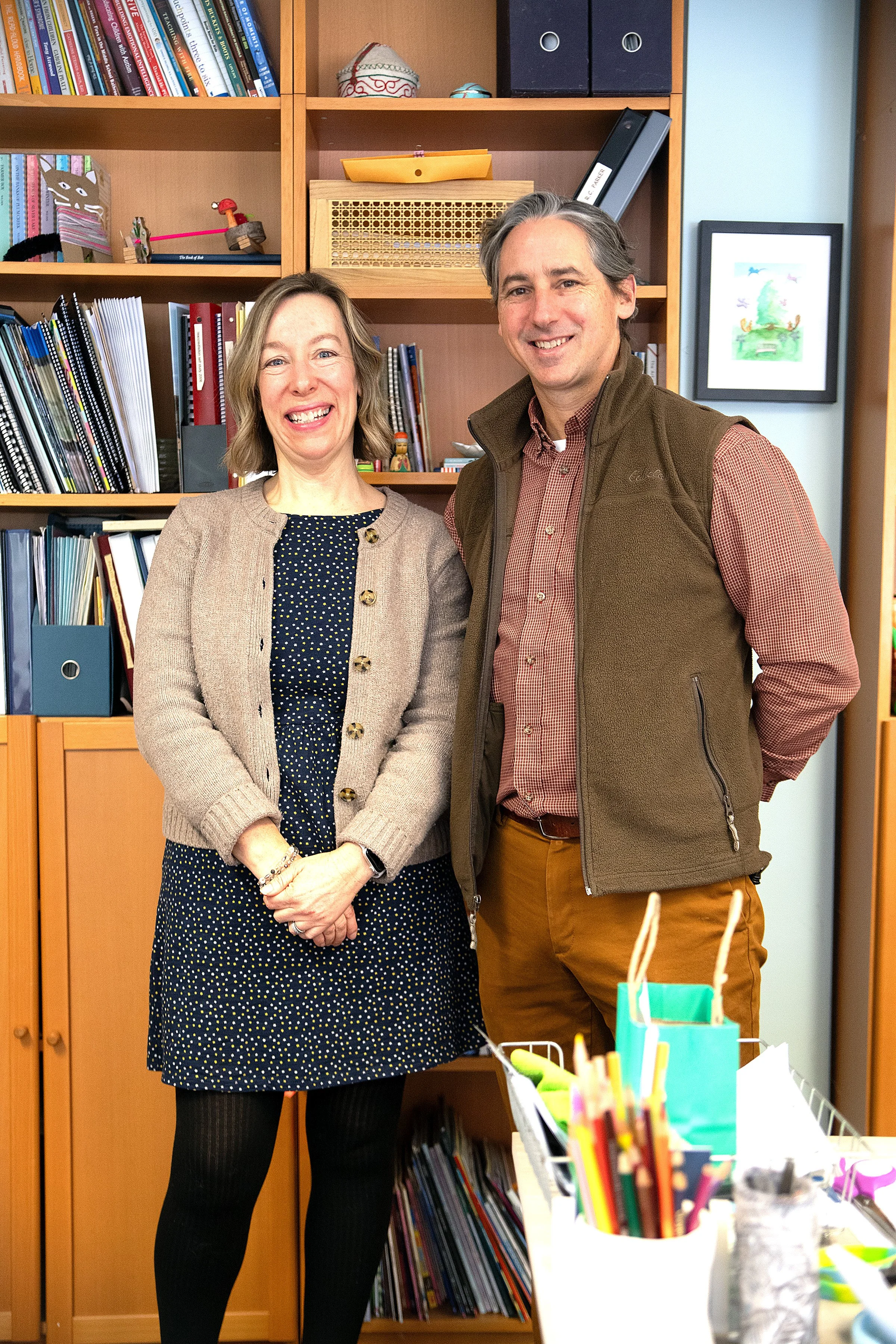
Before she was Head of School at Robert C. Parker (or “Parker” as it’s affectionately shortened) Jennifer Gresens came to the school as a parent nearly 14 years ago. An educator herself, she was looking for what many parents are seeking: a school that would excite and engage her young son.
“He wasn’t excited about school. [He] was doing sort of just rote, mundane work like filling out worksheets and sitting at a desk every day. He was coming home saying he was bored and not looking forward to going back. I knew that there had to be something better out there.”
Gresens had previously been teaching at Brooklyn Friends School, a progressive private school located in Downtown Brooklyn. When her family moved upstate, a friend of Gresens’ whose child was enrolled at Parker recommended the school.
“We went on a tour and I was sold immediately. The feeling that you got when you walked in the door was one of warmth, joy, and connection… and the kids [there] were playing, walking around, and talking to each other and the teachers. It was such a different environment than what I was used to with public school." Her son enrolled shortly thereafter.
The impact Parker had was such that Gresens approached the former Head of School inquiring about a potential opening — this time for herself.
“I gave her my resume and was like, ‘I'm a trained teacher, but I can be an assistant.’ I just really wanted to get my foot in the door because I loved it so much.” A couple months later she was offered a position as a reading specialist, earning the necessary certifications, and eventually moved on to teach Kindergarten and first grade. She continued on to become Director of Academics before being promoted to her current position.
Parker was originally founded by a very small, dedicated group of parents and teachers whose children were attending the Emma Willard Children's School, which teaches pre-K through fourth grade. They aimed to create the same hands-on, holistic approach for fourth through eighth grade, which was lacking in the area at the time. Gradually, the school began enrolling more students, continuing its progressive model. Today, Parker teaches 160 kids in pre-K through eighth grade and operates on “77 acres of meadows and forest in North Greenbush,” according to their website.
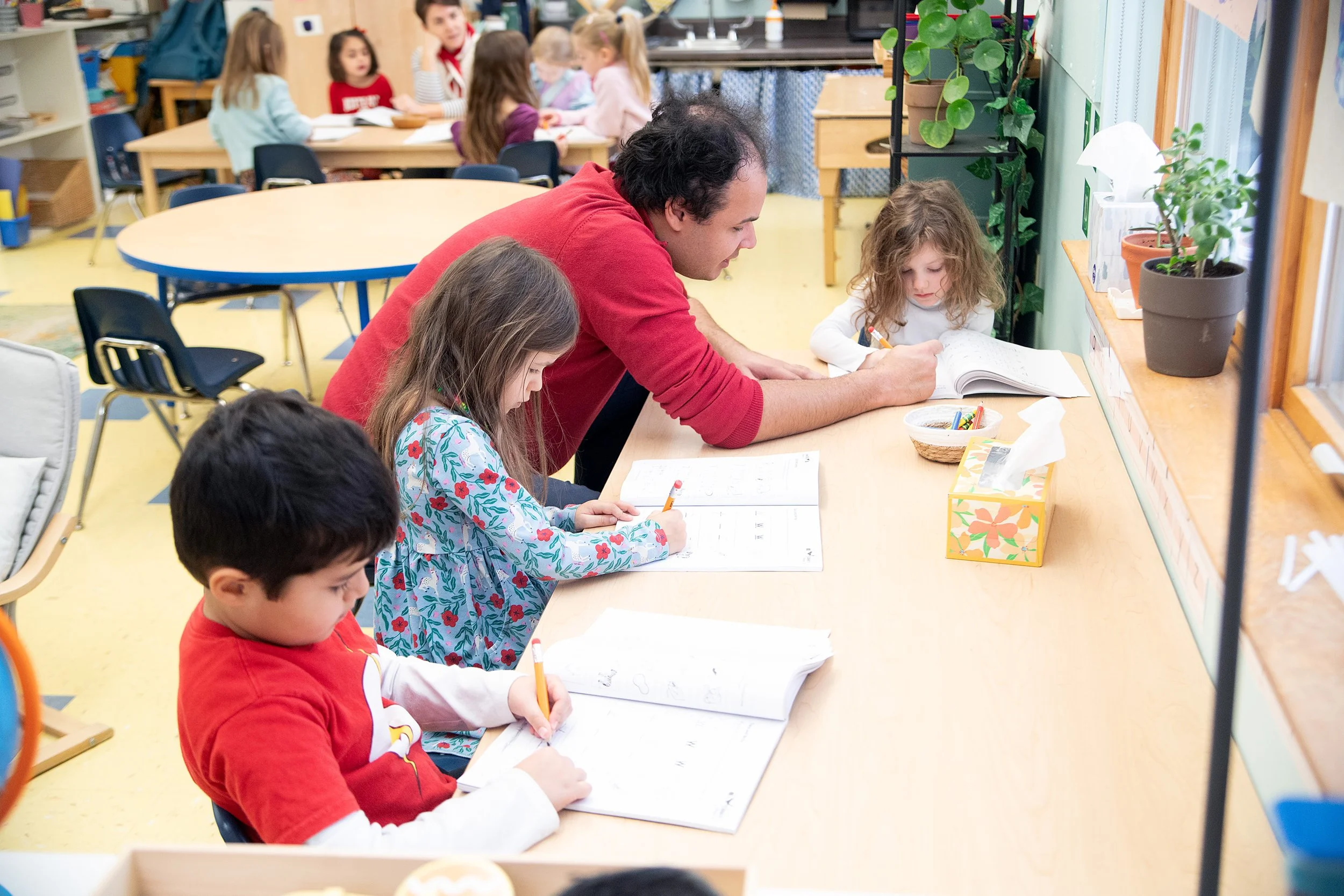
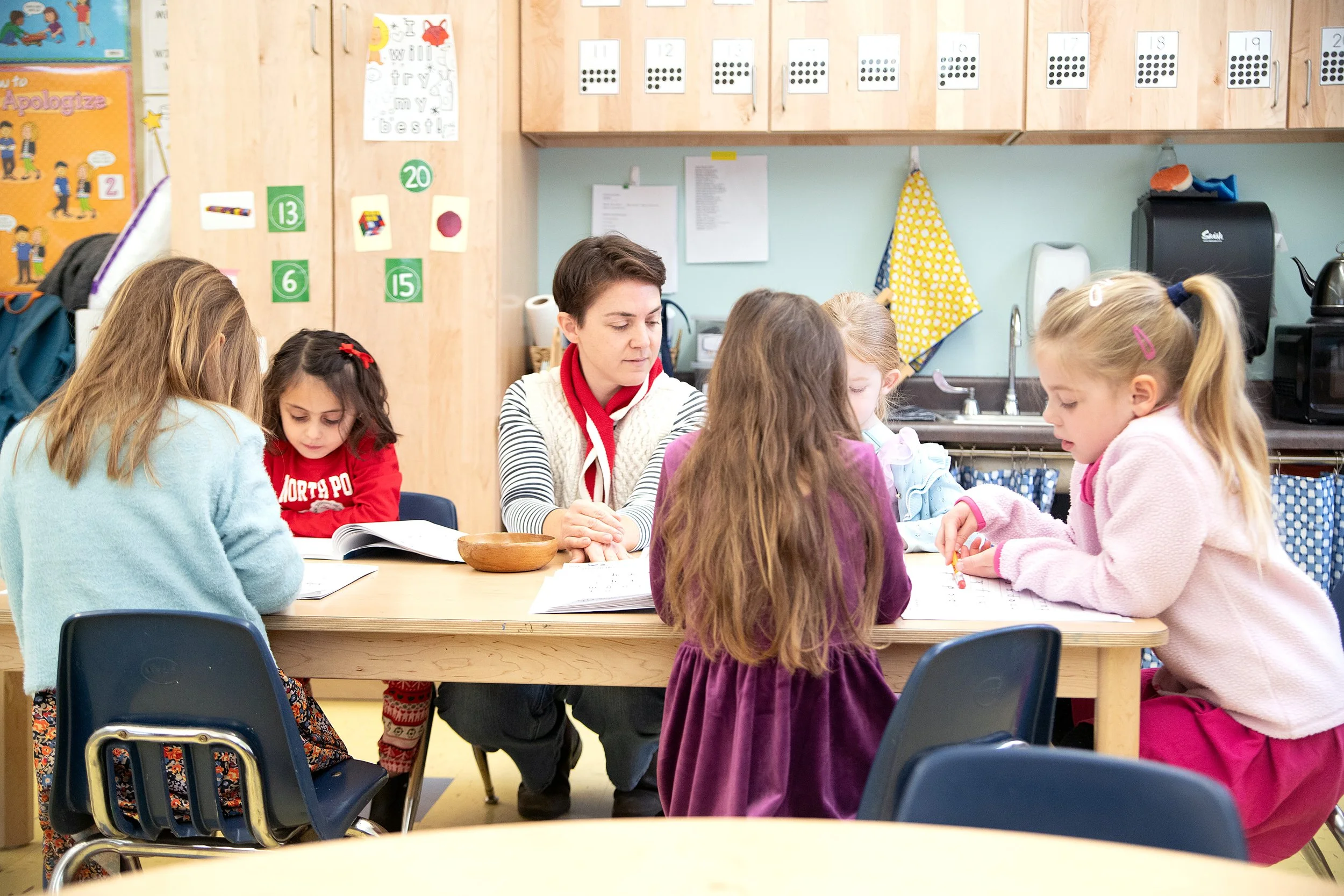
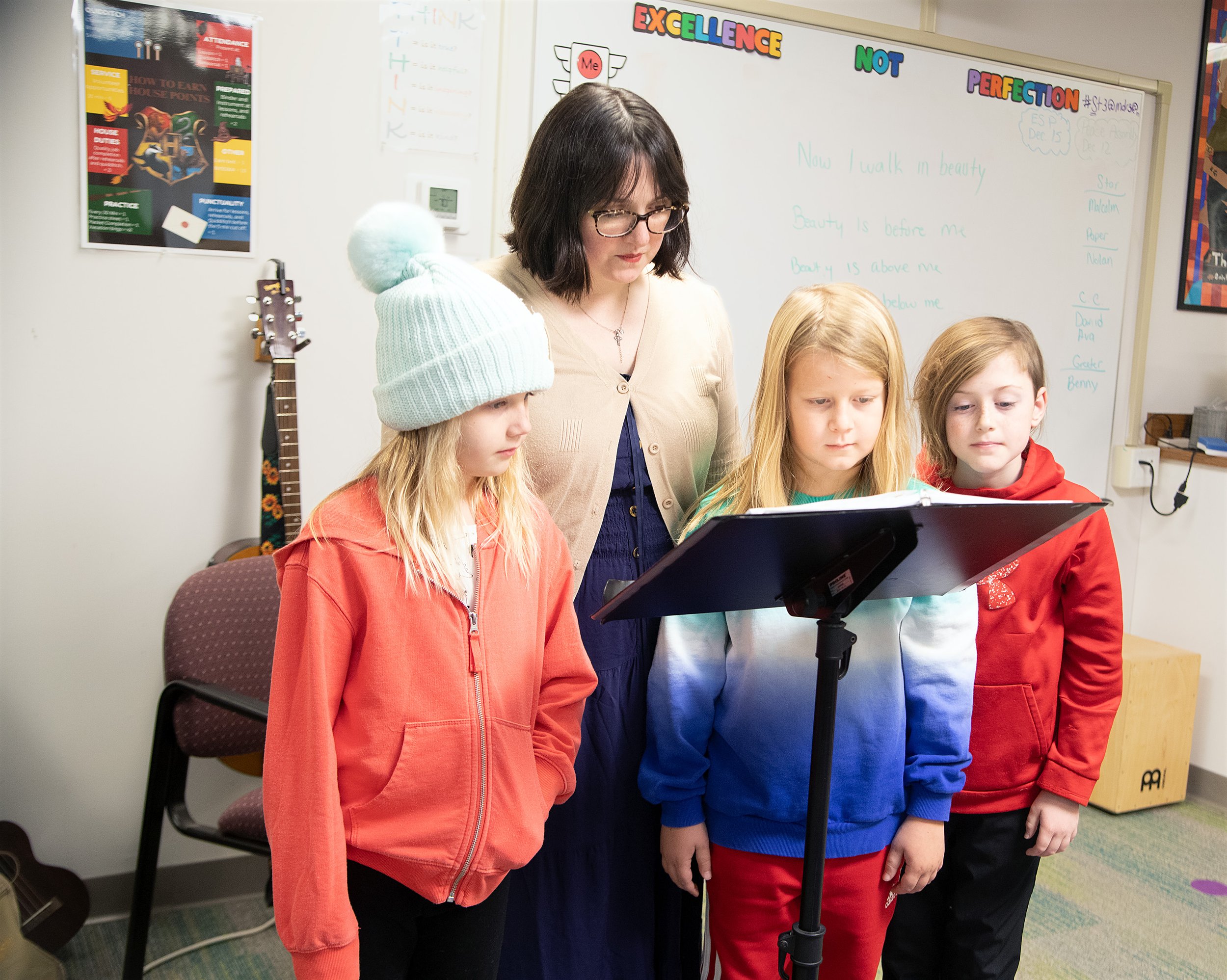
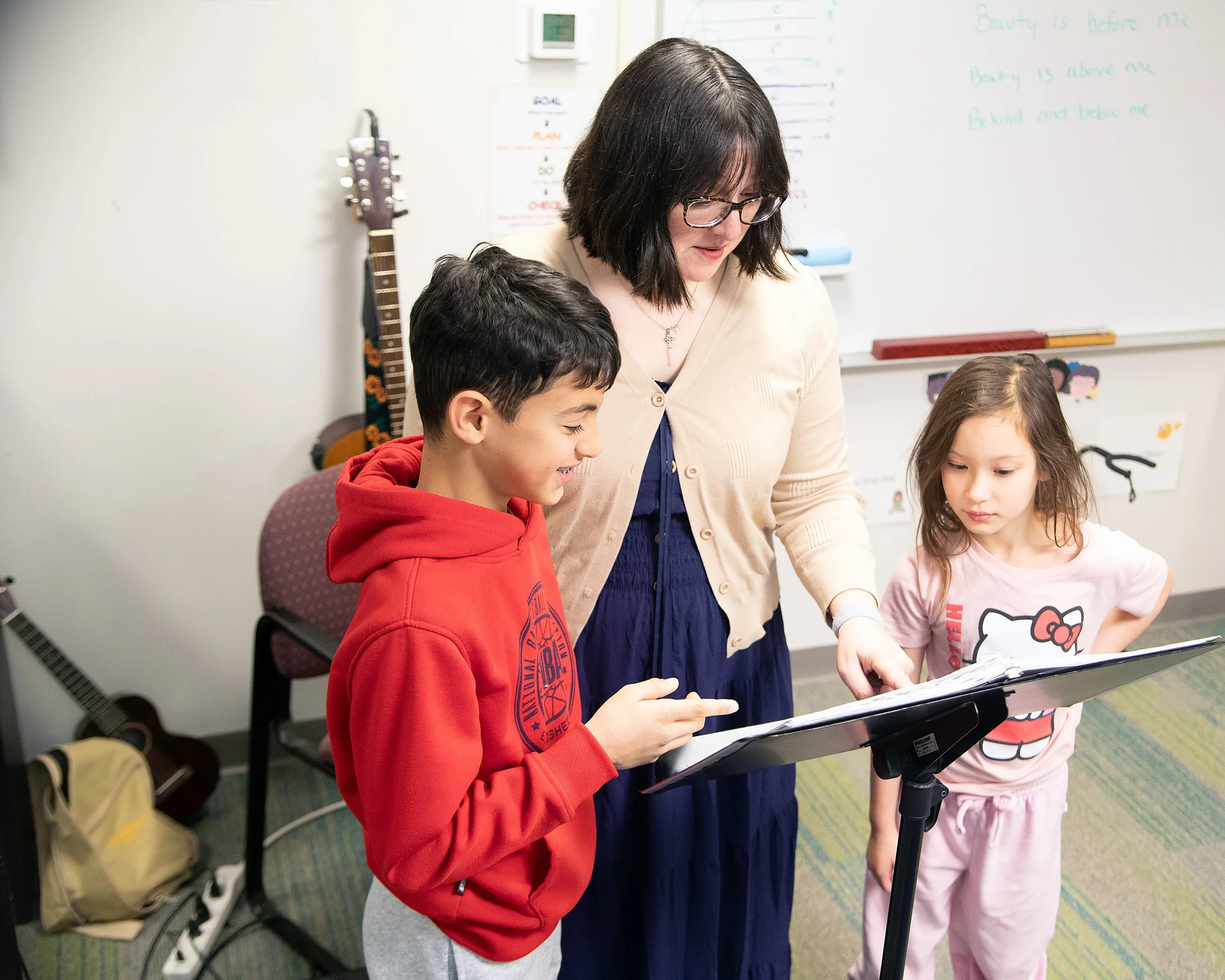
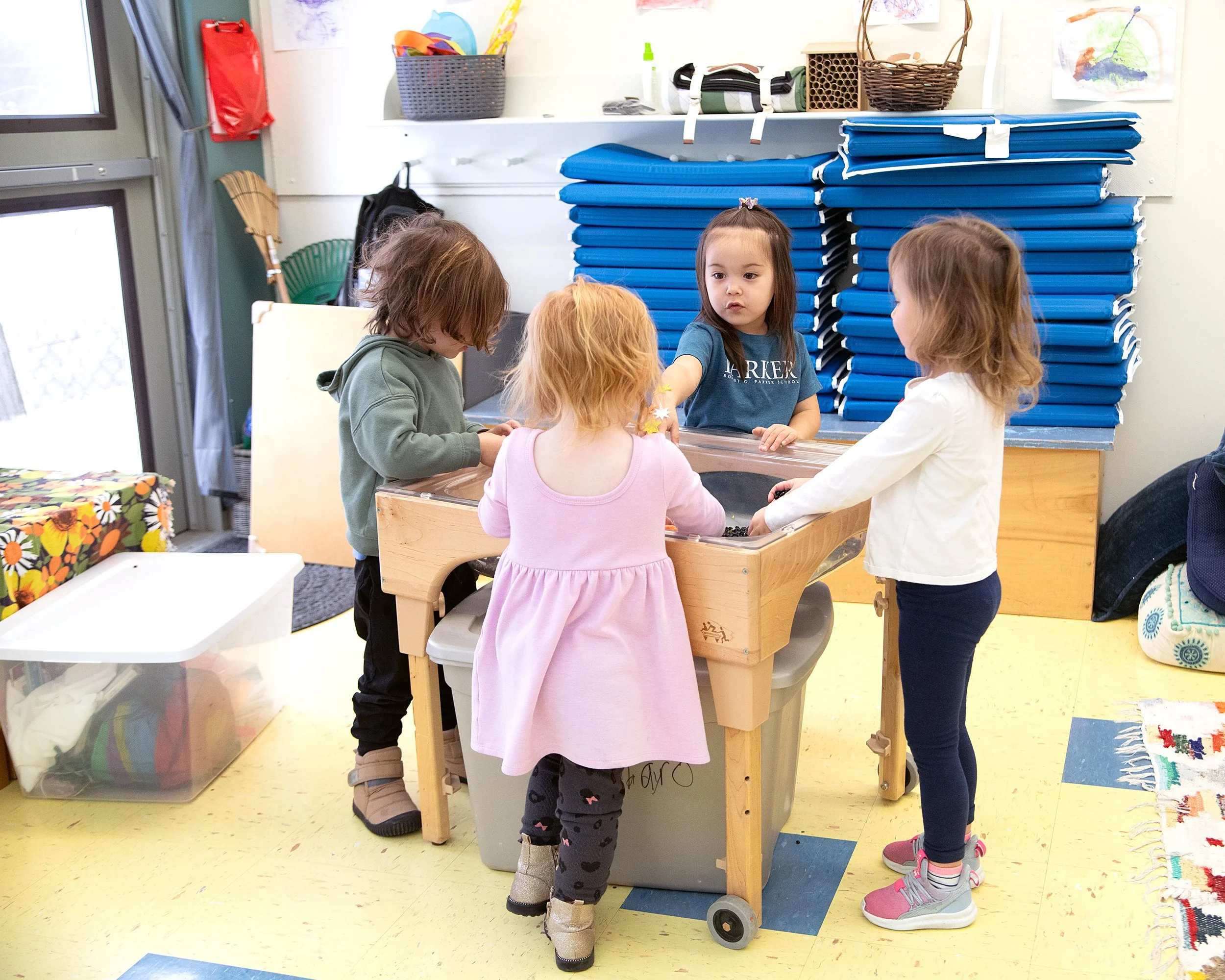
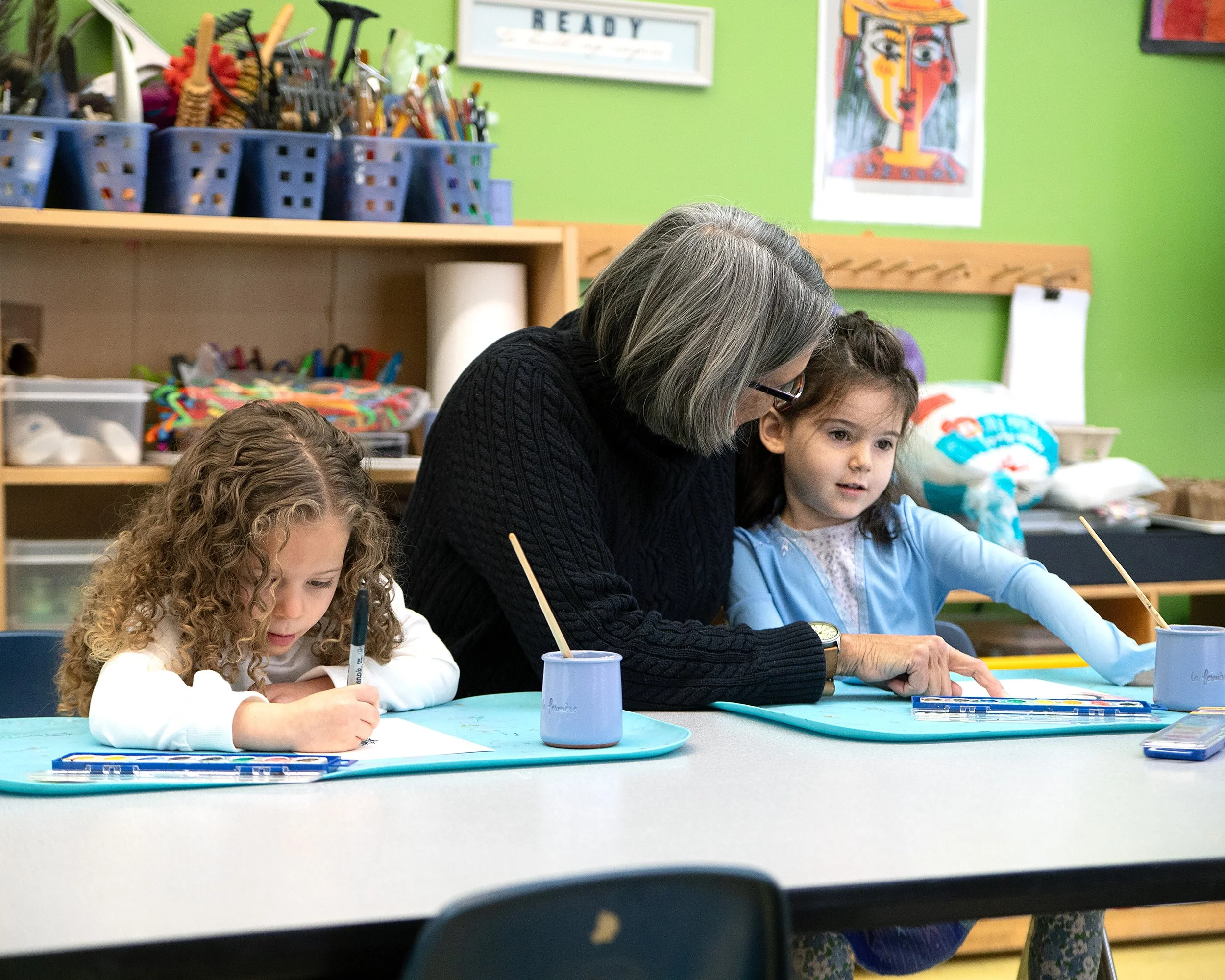
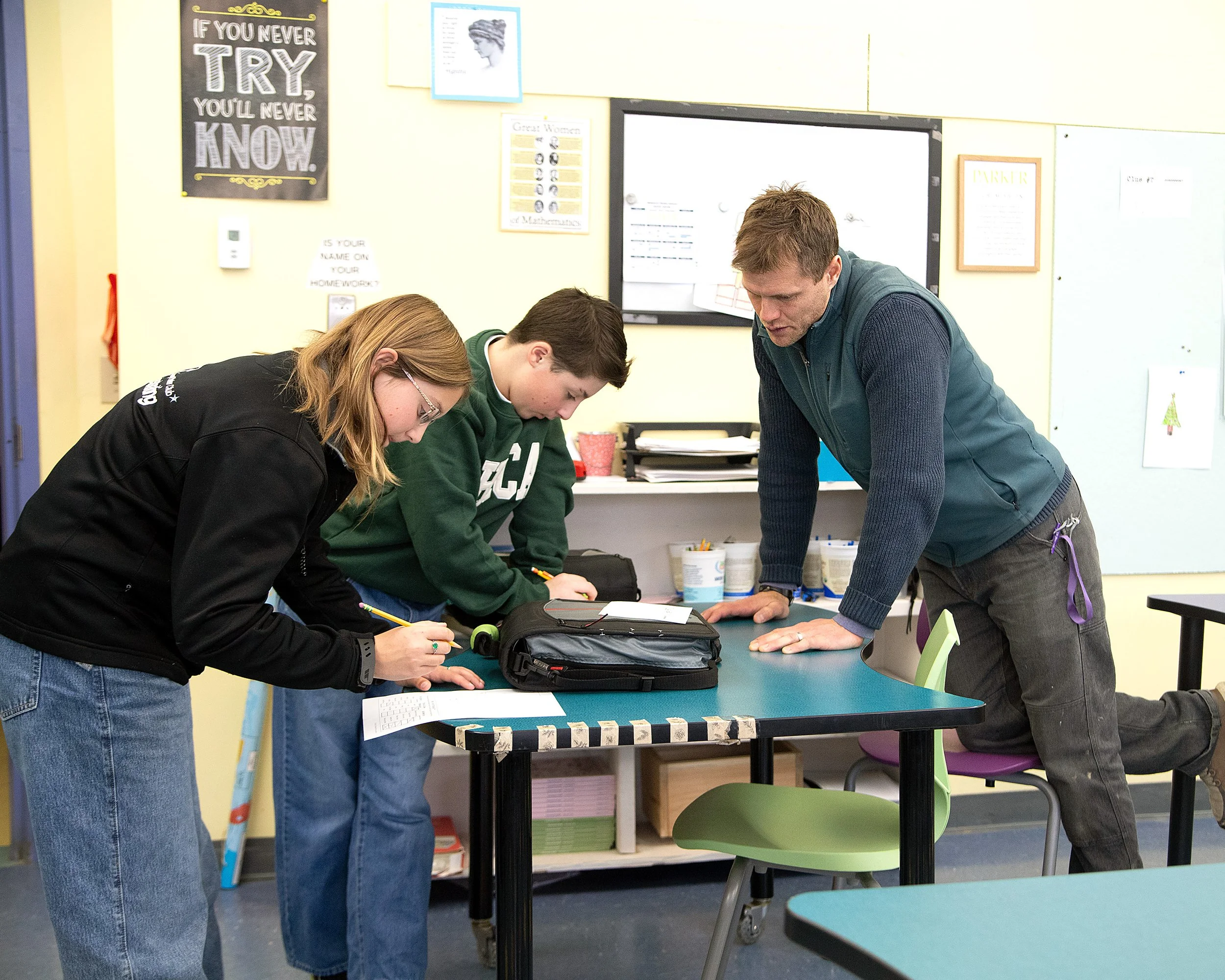
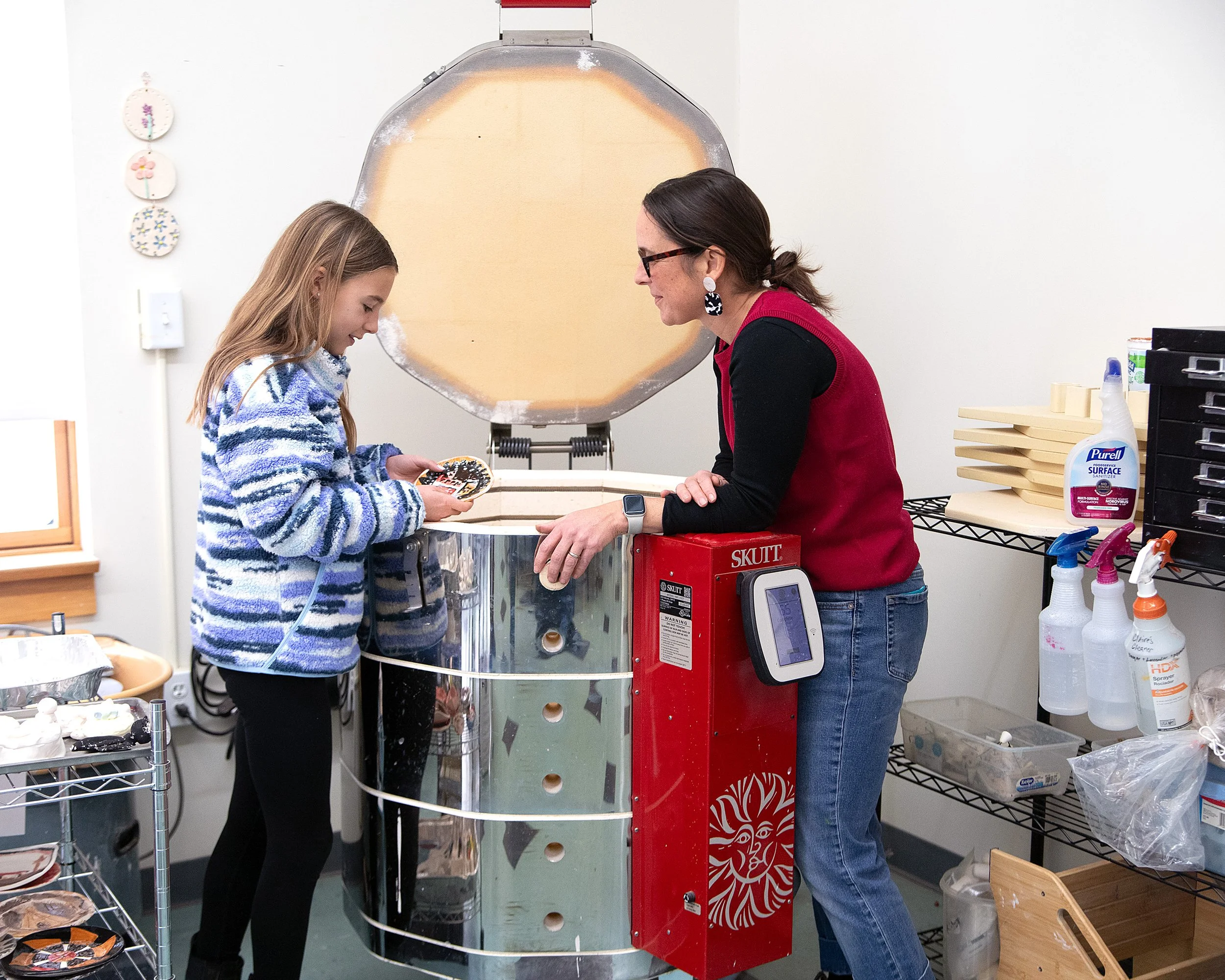
Parker’s educational philosophy is rooted in connecting students to the world they’re living in, nature, and the tangible experiences they can have inside and outside the classroom setting.
“Kids learn best by doing and having something that's relevant in their life to learn. Rather than just looking at a screen or a tablet, we’re giving them something to sink their teeth into, like a hands-on project,” Gresens says.
“At every grade level, our kids are doing projects that last for weeks — sometimes even months at a time — that are teaching them to ask questions, answer those questions, and try things, fail, try again… until they get it right and keep iterating on a problem.”
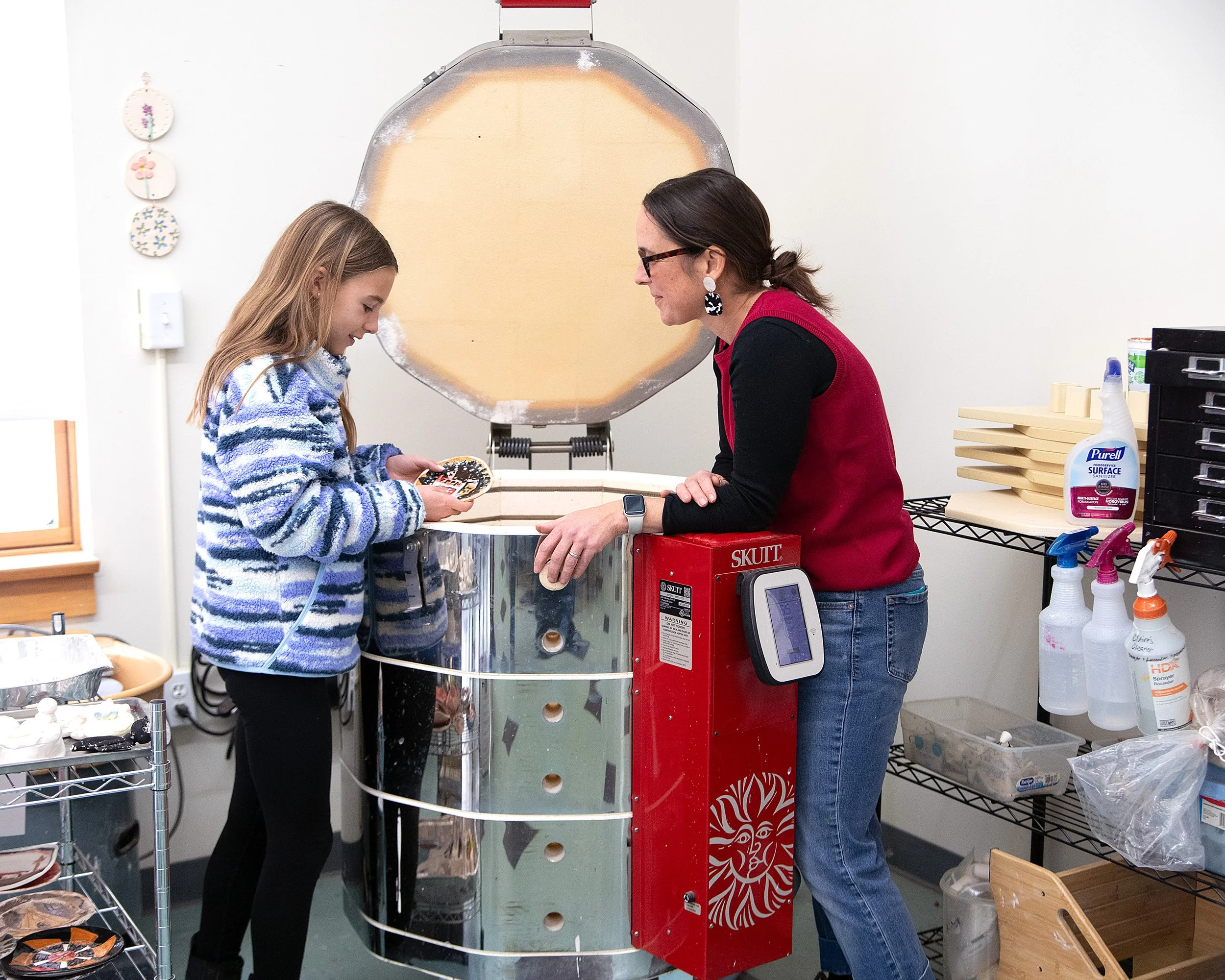
One of the most compelling aspects of the school’s curriculum are the projects that become “signature experiences” for students. These projects are sometimes repeated year after year, taking on a sort of rite of passage for children to reach as they move up in grade level. One example of this is a Kindergarten maple sugaring project. Gresens explains:
“In early spring, our Kindergarten teacher and our science teacher go down to this little grove of forest and tap all of our maple trees… [the class] starts collecting the sap over time and they go out every day and measure it to see how much is flowing. Then they determine, ‘Why do we have more [sap] today than the other day?’ They're doing so much science and math because they're also measuring and graphing. Before that, they're studying trees in the fall and learning which trees are maple trees and why maple trees are important to creating syrup. Then, after they've collected enough sap, they spend one whole day evaporating it and condensing it down into syrup. It's really fun and exciting. They invite [other students] to come and join them and then they have a big pancake party. We make our own maple syrup and we bottle it and give it as gifts; it's really this fun thing.”
Listening to Gresens describe this particular project gives me a moment of true appreciation for the educators’ ability to tap into (no pun intended) children’s natural curiosity about their world. Perhaps most importantly, children are becoming good stewards of the land and their community. Many of the projects Parker focuses on are regional to the area in this same way.
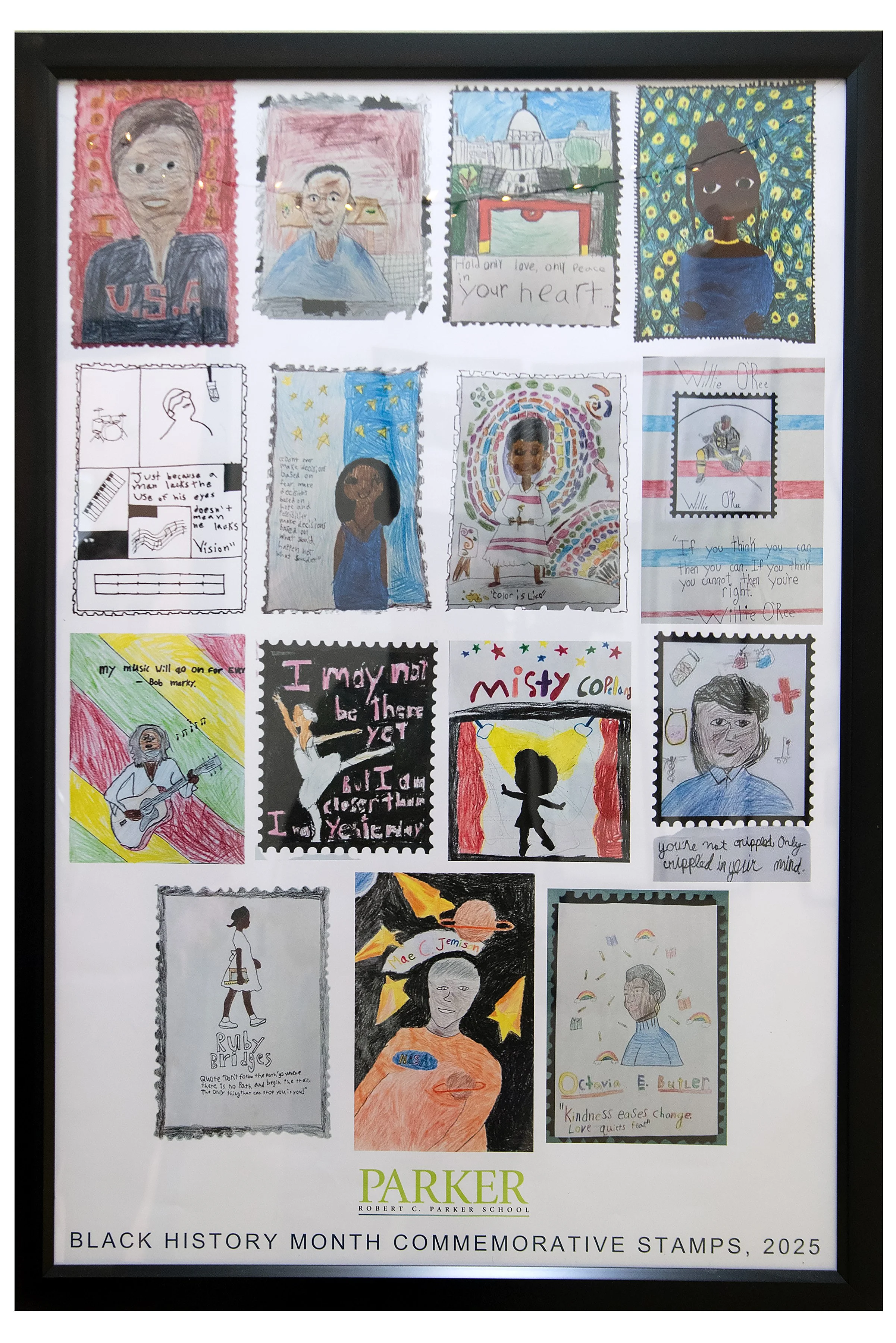
The “older brother” version of the maple sugaring project focuses on the health of the Hudson River — another relevant landmark kids can easily recognize right in their backyard. Naturally, such a feature of New York State has a wealth of scientific, historical, and even artistic components a lesson can build upon. Parker uses the project as an opportunity to partner with the Department of Conservation (DEC) to measure turbidity of the water; students also illustrate species of fish inhabiting the river and learn its historical significance to New York State.
As children move into eighth grade, their final thesis is a topic they choose to research, write extensively on, and eventually argue their point of view. Such a project is meant to prepare them for transitioning into high school and to give them the confidence needed to assimilate into often much larger learning environments than Parker.
“Because [students] were at a school where they were known so well and they were really given this agency over their learning, that gives them the confidence to go into this bigger pool and know that they can make friends. They know that they can approach their teachers. Our kids have such a voice here, and they just leave us with this confidence that they can do it — and they do.”
Parker remains focused on whole-child learning and strives to incorporate social and emotional learning and wellness as part of its mission. Empathy, kindness, compassion, and listening skills often feel in short supply these days. For Parker, these tenets are a part of, not apart from, the nurturing of young minds.
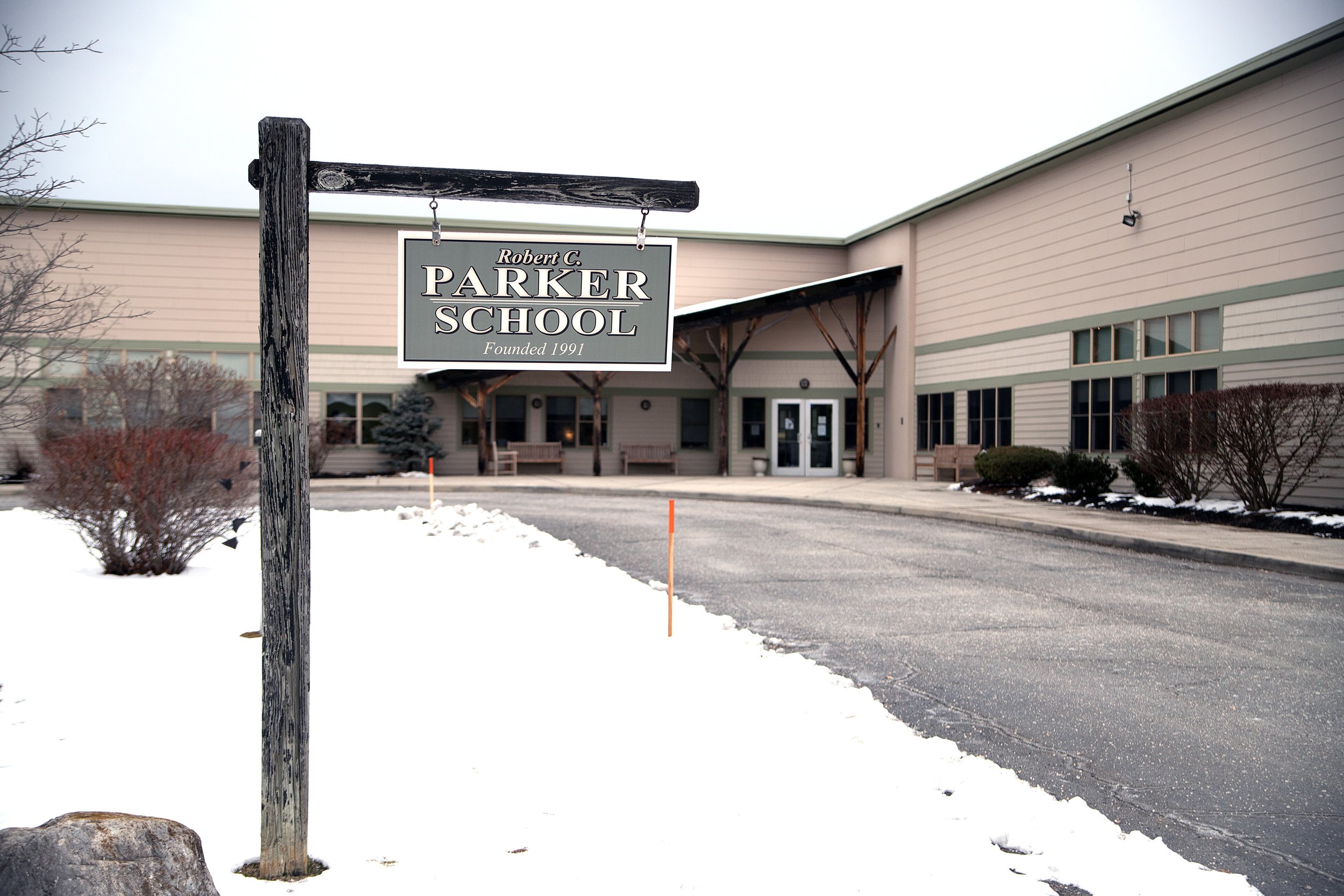
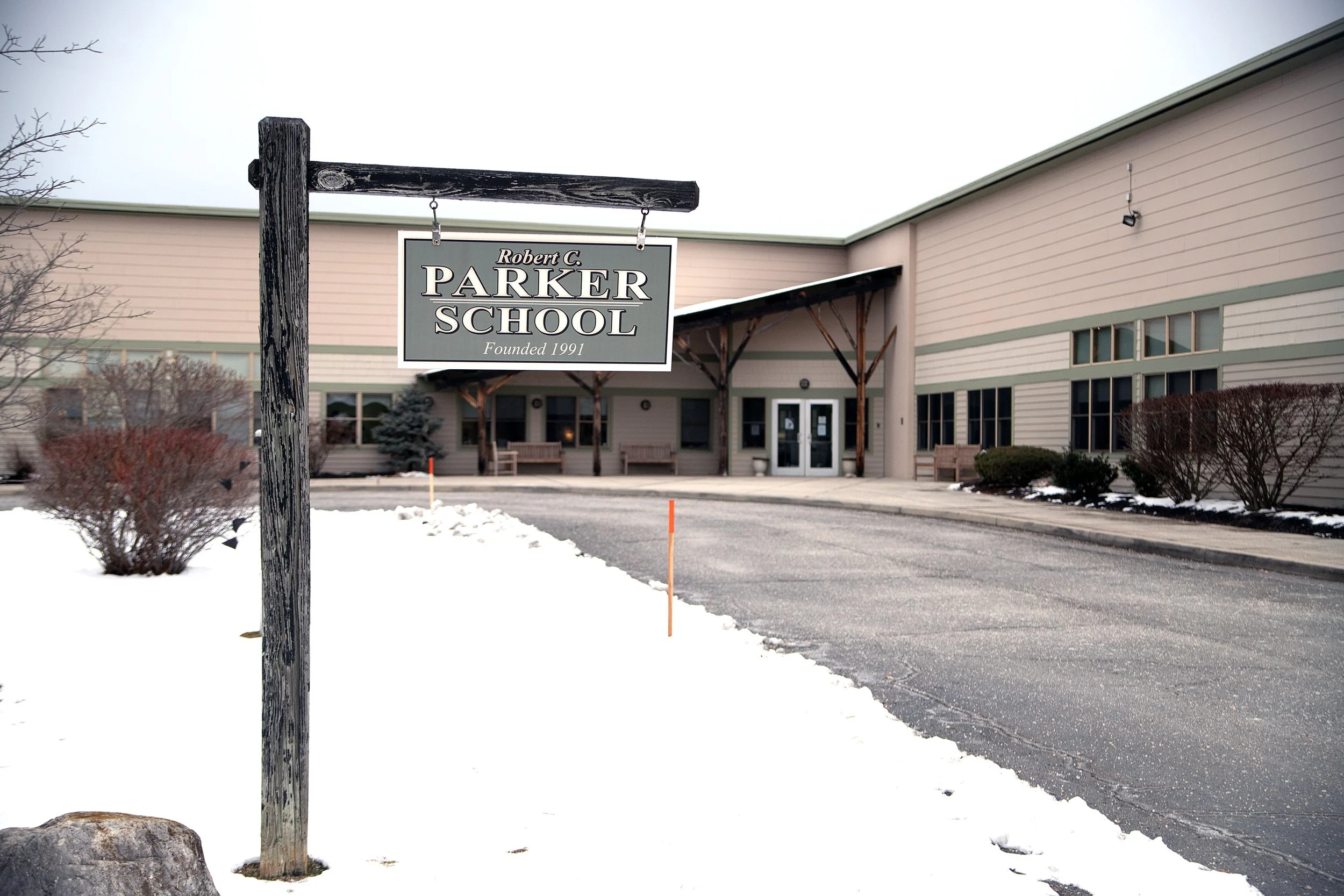
Robert C. Parker School is a 501(c)(3) independent private Pre-Kindergarten through Grade 8 school located at 4254 NY Route 43 Wynantskill, NY 12198. To learn more about their programming, schedule a tour, or learn more visit their website at www.parkerschool.org