
Confessions From the Underground #2: Mental Health
**This column originally appeared in our December 2024 issue**
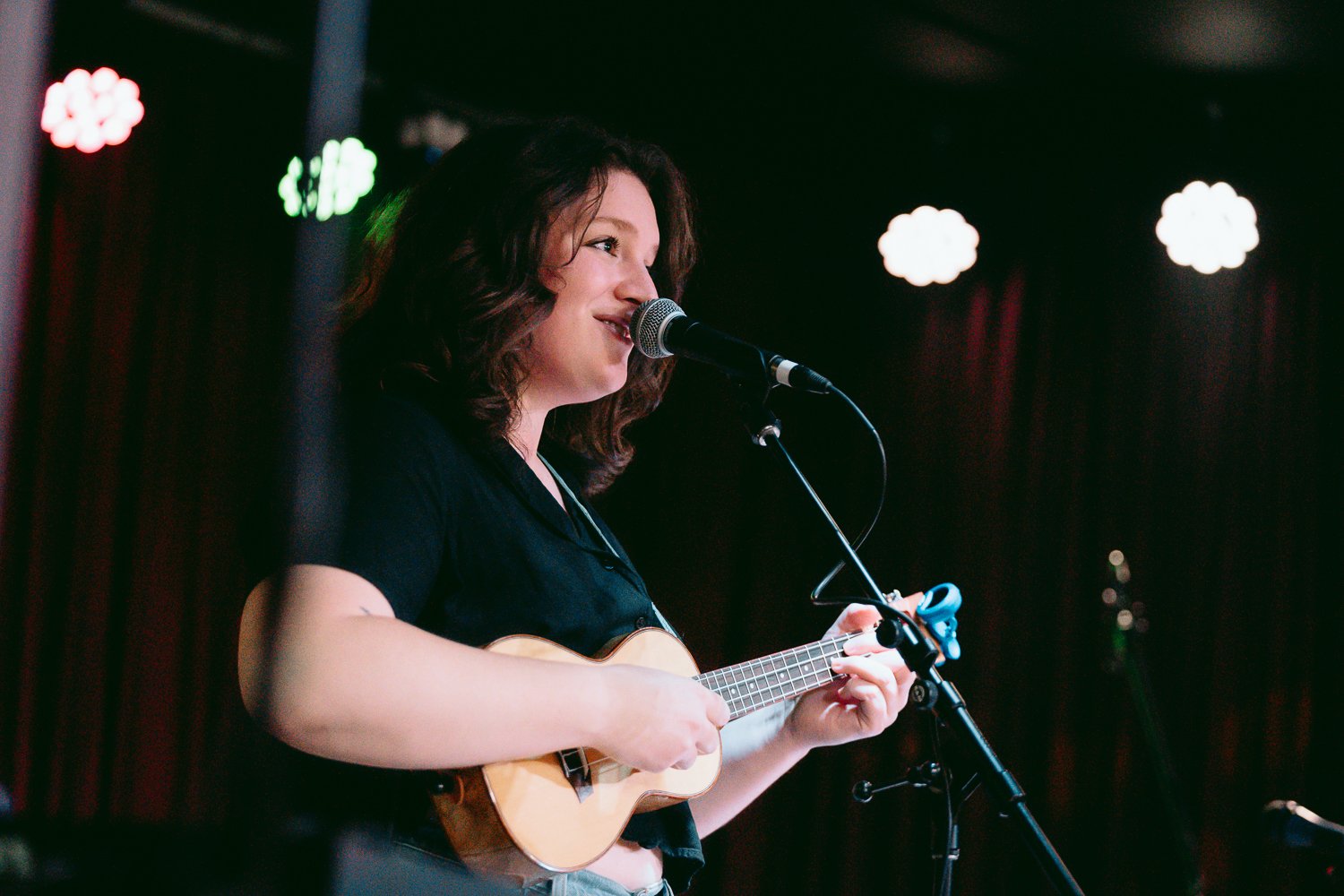
The idea for this column is to connect with a local musician and discuss a topic – unbeknownst to the interviewee – that shines a light on some more taboo, less talked about subjects. One of the things I love about it already is how a conversation can go in a completely different direction than you expect it to. Case and point: this conversation about mental health had as much to do with physical health. My immensely talented friend, Angelina Valente, was kind enough to pour her heart out (and even listen while I did some of the same). Angelina is a formidable performer and songwriter, winning all three of the Eddies awards she was nominated for at last year’s ceremony. Her music is a wonderful amalgamation of jazz, blues, folk and pop – a perfect soundtrack for this time of year. Our conversation below has been edited for time, which was necessary since we ended up talking for about 90 minutes.
TJ Foster: Thank you so much for doing this, I know you’re incredibly busy! The topic I want to chat with you about is mental health. And with that in mind, the first question I want to ask you is the most important: how are you?
Angelina Valente: (laughs) It's such a loaded question, right? I mean, I’m doing okay minute to minute. Could cry at any second. Last week, at one of my nine different day jobs, I just cried in the bathroom at work. That's what I've come to!
TF: Fair! It's good to let that stuff out.
AV: You gotta feel the feelings, right?
TF: Definitely! So. The reason I wanted to cover this with you is two-fold. One, we’re heading into a time of year that can be difficult for a lot of people. And two, generally speaking, I don’t know that I’ve met a single other musician that hasn’t struggled with mental health in one way or another. I know you’re one of those people as well, and wanted to ask when you first sort of “put a name” to it all.
AV: I have a weird relationship with anxiety and my mental health. I know a lot of people kind of realized that they had anxiety or whatever at a very young age, but I didn't really. My anxiety wasn't ever heightened when I was young; it wasn't even something I ever thought about. And then I remember my freshman year of college, I was walking to the dorms with one of my roommates, and I had this feeling of floating, like I wasn’t in my body. I had no idea what that feeling was. I look back on that now and I'm like, “Oh, that's me disassociating and having anxiety!”
It was never debilitating, until I got COVID in 2021. It was right before all the vaccines rolled out. I was living at home with my parents at that time. My mom has brain cancer, so if she got COVID, she could’ve been fucked. We had to be really careful not to bring that into the house. So we made it that whole way, and then I got COVID. I'm a person who gets sick a lot, but this just utterly destroyed me. I couldn't move or get out of bed for days, and my body was just so weighed down. I've never experienced something like that in my life. I don’t talk about this often, but in my experience with COVID, there was just no part of my body that it didn't touch or affect in some way; it wreaked havoc all over me.
This is kind of heavy, but I vividly remember one weekend, I was in the ER for two nights with a tooth infection that hurt so bad I couldn't move. I was getting chronic sinus infections and ear infections at the time, and one spread to my tooth. So I was lying in bed, and this thought came into my brain: “I don't know if I'm going to make it through the night.” My brain was just like, “Our lungs could just give out because we haven't been using them for weeks now.” And that's when I started having really bad insomnia. My therapist told me I have PTSD around this now. The last three years I’ve been battling anxiety and waking up every single night between 2am and 4am with my heart pounding. It’s my brain telling my body not to fall asleep because I’m terrified that I’m not going to make it through the night.
TF: Wow. This is all very relatable, just so you know, but we'll get to that in a second.
AV: Okay, I'm glad, because I'm saying all these things and I didn't expect to go here today!
TF: Did you ever get a more official, mental health diagnosis?
AV: Yeah, so I go to this new doctor, and I’m telling him all these things, and I’m crying. I don't know what's going on with me. I'm not at home in my body. He looks at me and says, “I think you have anxiety.” And I was so shocked. Like, this is chest pain. This is headaches. This is not sleeping. I couldn't comprehend it. I finally started being able to put some of these feelings to words, and I have this song called “Broken” that I've just started playing in the last year live.
I’ve thought about death probably a lot more than an average person. I always thought that when you think about death, you think about being 90 and passing having lived a full life. But all of a sudden I was like, “Wait a minute – I'm not even 30 yet, and I'm gonna die.” So I wrote this song, and the bridge lyrics are, ‘I've never been afraid to die, but when death looked me in the eye, I didn't want to go.’ Finally, in the last year I’ve started sleeping through the night again without sleep aids. I can drink coffee again at one in the afternoon, which is a huge deal, because I had to cut out all caffeine so I wouldn’t wake up in the middle of the night.
TF: I admittedly think about death a lot too, if I’m being honest. (laughs) So, besides music, what else can you turn to these days for a serotonin boost?
AV: One of the things that has really helped me is reading. I've gotten back into deep fantasy novels this year. I feel like a kid again, discovering these. It's just a quiet thing that you have to be present to do. The other thing that I found is this tapping [mechanism]. And I wish I found this earlier in the summer, because I was again not sleeping through the night or taking care of myself because I was anxious about shows.
You know - you get home from a gig and you’re on the gig high. Plus you’re hungry because you didn't eat dinner because you're playing at 7:00 or whatever. It’s a weird thing. So I’d get home, eat a burger and a milkshake, and wonder why I’m not sleeping (laughs). I saw this TED Talk this drummer gave about breathing and rhythmically tapping on your body somewhere. Sometimes I get so tired I can't even lift my hands, so I'll do one finger and just breathe and tap. And then I fall asleep. And if I wake up in the middle of the night, I [repeat] and then boom – I'm out again. It’s magical.
TF: Oh wow. That’s fantastic. I’m stealing that.
AV: It's amazing. Oh yeah, and I looked up [who the guy was] and he's the drummer for Rusted Root. Isn’t that so random?
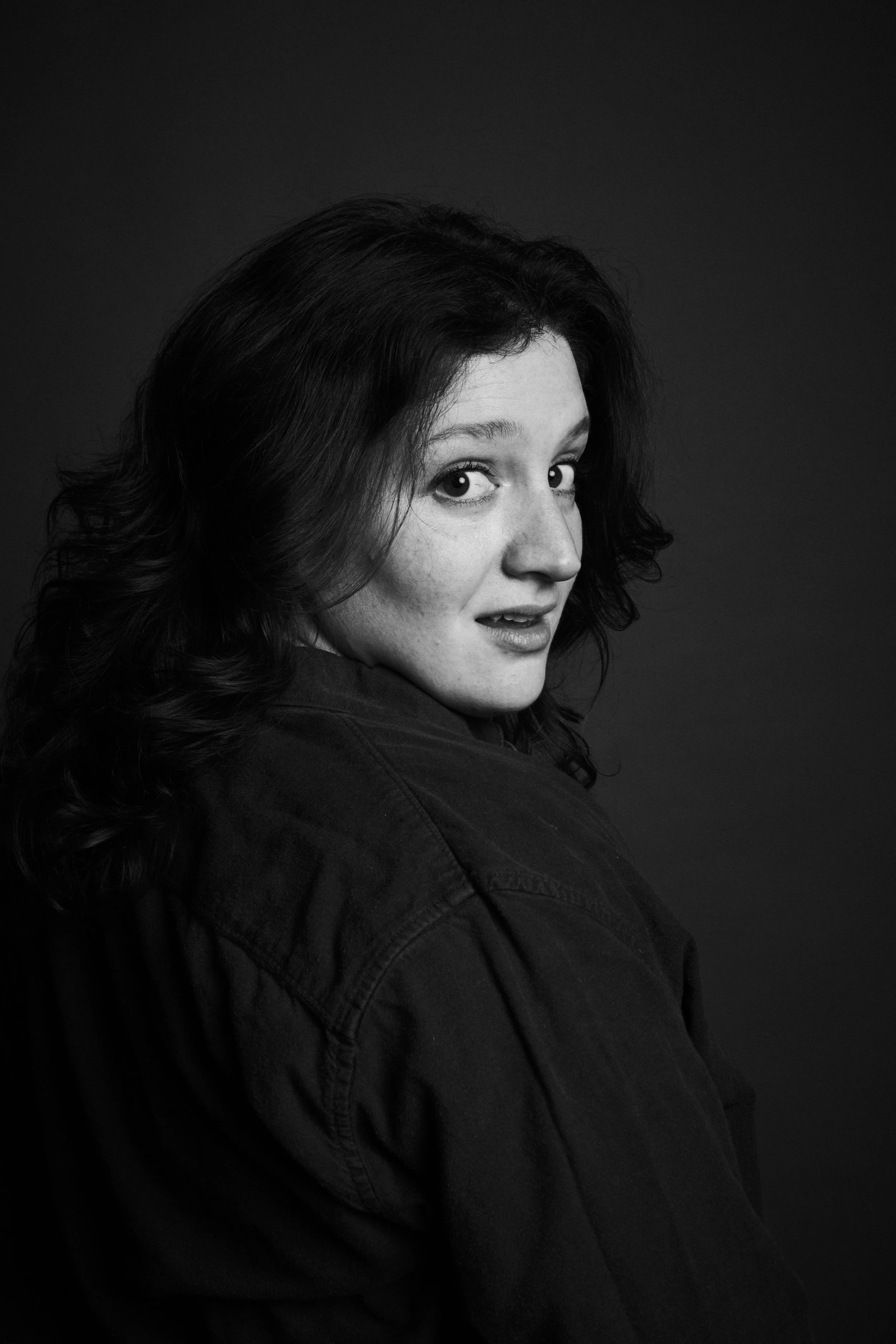
TF: Very! So, like I said, all of that was very relatable. I've struggled since I was younger, more so on the depression side than anxiety. I always assumed what it was but there was never an official name assigned to it. A month or so ago, I was offered this psych evaluation thing, with all these different assessments and wow. It was so analytical, comparing data points to people your age and demographic. And it came back unequivocally that I had General Anxiety Disorder and Persistent Depression with Major Depressive episodes. And it was so validating but also really heavy.
Your PTSD situation also really resonated with me because a few years before COVID, I also had a health scare that put me in the hospital for a few days, wondering if I’d make it. I had just turned 30 and was having these vasovagal episodes which basically meant that any time I would feel sick to my stomach or something, it would cause me to faint. They wanted to check my heart first and foremost, and one night, I apparently passed out on my bathroom floor and my heart stopped.
AV: Oh my god! I had no idea.
TF: It was scary shit. EMS came at like three in the morning. My wife woke me up. I had no idea what was going on. They rushed me to the hospital and ended up putting a pacemaker in my chest.
AV: At 30.
TF: At 30. Yup.
AV: It's wild that we're all just like, carrying these things around and not even knowing it.
TF: It is. And I'm just so grateful that like, you're okay, and I'm okay. It’s a lot though. And as we’ve pointed out, obviously the physical stuff can manifest into mental stuff and it’s a vicious cycle. Circling back around here, what impact would you say music has had on helping you heal?
AV: It’s funny – when you sing, sound reverberates all through your nasal cavity. So with these chronic sinus infections and things, I literally couldn't sing because it hurt my face. I kind of developed this weird relationship with music in my writing, because I was just so mad at the world for going through this and then not being able to do the thing that has gotten me through everything in my life up to that point. The biggest option I have for processing emotions, and the thing that has brought me the most joy since I was literally five years old and first stepped on a stage, wasn't an option. Performing was so hard because I was so fatigued, and my body just hurt all the time.
It became this mental game where I'm not physically able to go play shows. I can't sing because my fucking face hurts. I'm not even physically able to sit up and write music. I developed such a negative relationship towards the thing that I love. Also, [I was watching] all these other people doing it, and that starts to wear on your brain in such an awful way. “I'm weak because I can't do this thing.” And we're already playing that game, right? “I want that gig, but they have that gig.” Looking at what everyone else is doing and thinking, “Why did they get that and I didn’t?” Does that make sense?
TF: More than you know. It's just the product of where we are in society. It’s really hard to keep your eyes on your own paper.
AV: I love that. I’ve got to write that down. That is a great metaphor.
TF: I definitely borrowed that from an interview I did with the singer of the band Spanish Love Songs last year. Just hearing someone that I look up to put it that way was so relatable. It’s lived rent-free in my head ever since.
AV: I think I talked to you about this, but I was listening to Neil Brennan's podcast, and they were talking about this same thing. And think about us versus Neil Brennan – he wrote on Chappelle’s Show, he has specials on Netflix, and he is feeling and interviewing guests at that same level that feel exactly the same as we do. It happens at every level.
This one guest was talking about it, and she said that she was looking at this other girl wanting her life and her jobs. But she realized, if she has their life, she has to have everything that goes along with it. So, in my brain, that means that I don't get the things that I have. I wouldn’t have [my husband]. Maybe I wouldn't have this space that I love being in or my love of nature. If you want their life, you have to have all of the circumstances that led up to them being the person that they are, right?
Also, I look at other people and think, “I want what they have.” But do I? Because do I even like your songs? I like my music and I like my voice and I like what I have to offer. And maybe things happen a little slower for me because my physical body can't handle them. I'm also not grinding and working and digging myself into the ground to make this ‘thing’ happen, because I want to be able to have a decent day-to-day life. I want to be able to sit down and have dinner with my partner and have meaningful conversation. I want to be able to meet my friend for coffee and be present with her. That really flipped a switch in my brain.
TF: That makes a lot of sense. And really nicely brings me to my next question about flipping this relationship between art and mental health on its head. We've talked about this idea of music as catharsis and almost a form of therapy, but what happens when the thing that fills you up starts feeling like it's not filling you up anymore?
AV: I think musicians, we're all meant to be doing this thing for one reason or another. But when I was reflecting on this summer, and how it made me feel, I was just exhausted and drained and fucking done. I have been doing this for so long, from a place of “Look at me… listen to me…” And if it's not, like, filling you up anymore, then you need to come at it from another angle, right? I was just journaling about this – I haven’t really talked about this out loud yet, if you couldn’t tell. (laughs) But my last couple shows, I could step on stage and know that people are going to listen. I'm not fighting for attention. So what am I? Why am I here? What am I bringing to the table? And as I was meditating on it, the word ‘healing’ came through. That's what I'm doing: I'm healing, selfishly, me and hopefully other people who listen to this music. Music is supposed to be cathartic and healing and make you feel seen and heard and understood, right? With everything that I've been through in the last handful of years, I'm finally feeling safe in my body. I have a safe space that I exist in, and all of these pieces are kind of coming together. We have enough money for food, we have water, we have shelter. All of my basic needs are met, and now I feel safe enough to be able to really heal what has happened to me and talk about it without breaking down. If it's draining, you're doing it for the wrong reasons.
TF: I think something else too, a lot of people don't understand that when you go to see a musician perform, from a musician's point of view, it's so much more than just having another body in the room. No, someone made the concerted effort to spend their time watching you do the thing that you love. And having those folks there is a whole other side of filling up your cup. I’ve struggled with this a lot recently, because if you're playing to an inattentive crowd or whatever, you start internalizing that and questioning whether it’s you and wondering if you’re just simply not good enough.
AV: I remember my first therapist talking to me about needing versus wanting. I have to do this thing versus I get to do this thing. I think that I was coming at this from a perspective of needing to do this, and holding on so tightly to that. But actually, I don't need this. I want to do it. I like to do it. I have this quote written on a sticky note: “Attach you lose, detach you gain.” I’ve never thought of applying that to music, because I always thought you have to be grinding. But I'm playing gigs that I like, I'm enjoying my life, and I have a full life off-stage. The stage is not my entire life! I think that majorly improved my mental health, because I'm not forming my life and my identity around this one thing, you know?
TF: That’s probably a huge asset to your songwriting too, and being able to create from an earnest place rather than just simply creating for the sake of creating.
AV: I think that is so important. You cannot always be creating. I don't know how people do that. I cannot output all the time. I am just a person; if the tank is empty, I’m not writing. But now that I'm kind of on the other side of this really bad bout of anxiety, it feels good again, and it makes me feel happy and healthy and like I can process my emotions again.
TF: I’ve said this before, but you’ve always been so kind and generous to me in conversations, especially with this kind of stuff, and it’s definitely helped me realize that I’m not alone in my feelings. And I’d love it – if you wouldn’t mind – if you would leave a little nugget of advice for any musicians who might be feeling burnt out.
AV: I’d say… get back in touch with the ‘why?’ Why are you doing what you’re doing? And sometimes it could be like, “I don't even know anymore,” and then maybe you need a break. Or it's, “This is why I'm doing this!” Cool. That gets you enough gas to get through the next six months, you know what I mean? For me, I think it's always coming back to… whatever is giving you anxiety, or making you depressed, or keeping you up at night – why are you doing all those things? Why are you putting your body [and your mind] through that?
TF: That's great. Thank you. I think I needed that today.
AV: I think we all could use that a bit these days. But I also just love talking about this shit, and you're so generous with your time. I'm also working through these emotions. Whenever we send stuff back and forth, I look at you and think, “Oh my God. You’re doing amazing. Look at TJ and the band and holy shit.” And then you're sending me messages feeling exactly how I'm feeling! We're all feeling exactly the fucking same, and no one wants to talk about it. Let's talk about it!
