
Confessions From the Underground #15: Impactful Press
**This column originally appeared in our February 2026 issue**
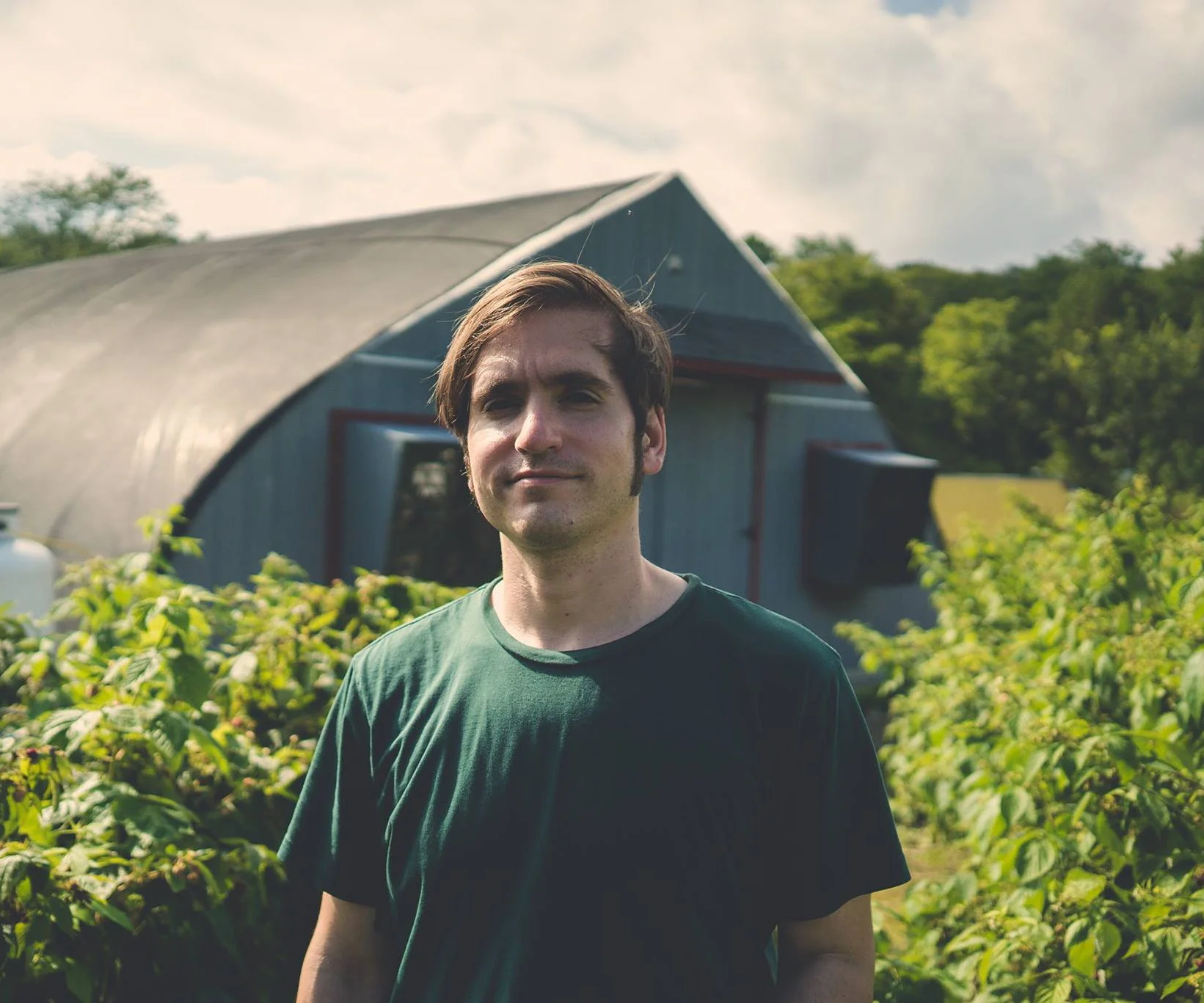
Photo provided
One of the most difficult things underground artists have to reckon with these days is how to market themselves and their releases. To break through the noise and give listeners a reason to pay attention. It’s no secret it’s a busy landscape out there, and finding the right recipe for success isn’t as clear as it maybe once was. To help navigate some of this, I sat down with Mike Kundrath, a music publicist, marketing and communications strategist, and content creator with roots in the DIY and touring worlds. His work centers on clarity, context, and building durable relationships in a world of shrinking attention spans. We dive into the ins and outs of the business below, in hopes there will be something artists can take away from it all.
TJ Foster: Before we get into it, talk to me a little bit about how you got started in the PR world. What inspired you to get into all this?
Mike Kundrath: I actually hadn’t really given PR much thought before I stepped into the work. I was a musician first. I toured in a band and lived inside that world for a long time. Being around it day to day, hanging out with lots of amazing bands around the country, I noticed that what separated the ones that built real momentum from the ones that didn’t often wasn’t talent or ambition, but leadership.
After the band dissolved, I began learning about and working more on the business side of the industry, and kept running into problems that weren’t getting solved. Rather than wait for others, I just started figuring things out myself. I didn’t have a specific playbook. There weren’t tons of videos about it all on YouTube yet. I just grew through experience and a lot of trial and error. I built relationships one by one and it helped me figure out what worked and what didn’t. Like anything else, you have to be willing to fail a bit.
That whole process really shaped how I approach this work. I’m skeptical of hype, cautious about trends, and focused on fundamentals like accountability, thoughtful communication, and the slow build of real relationships. I still think like a “band guy” in a lot of ways. It’s in my DNA. I’m just a much more disciplined version of that now.
TF: How long have you been doing this?
MK: I technically started working in marketing, communication, and content creation in the early 2010s, but the PR work began in a real way around 2014 or 2015. Since then, it’s been a central part of my professional life.
TF: For the unacquainted, walk me through a typical campaign. What can artists expect from the process of working with a true music PR person versus going it alone?
MK: The biggest difference is honestly perspective. It’s not just about having the right contacts or better networking skills. A good PR person asks the questions artists are often not thinking about or have too much tunnel vision to ask themselves. Things like: Where are you in your career right now? What context does this release live in? What makes this project distinct beyond the songs themselves? And most importantly, why should anyone care?
A lot of artists go straight to putting the music out and hope the story reveals itself afterward. A solid press campaign works in the opposite direction. It slows things down just enough to frame the release properly, identify the right audiences and outlets, and make sure the messaging is consistent across the board. When it’s done well, PR helps organize and communicate what’s already there, so the work has a better chance of landing the way the artist intends.
TF: That makes a lot of sense. Now, in making that decision to work with an outside force, obviously artists would need to have their “affairs in order” — what are some things that make a release “ready” from the promotion side?
MK: I would say that a release is best positioned to succeed when the artist can clearly articulate what it is, why it exists, and who it’s for. That doesn’t mean having a grand concept or a perfectly polished narrative or whatever. It means being able to explain, in straightforward terms, what this project represents right now and why it should matter.
Another key factor is restraint. Releasing music just to stay visible or keep pace with the internet can easily backfire on you. If something feels rushed or underdeveloped, that impression sticks longer than people expect. The internet is forever, after all.
TF: What about different release strategies? Things have obviously shifted over time and I’m noticing most artists are focusing a lot on releasing a number of singles ahead of a full album or EP. Do you find that helps both obtain coverage and maintain momentum?
MK: I mean, releasing singles ahead of a larger body of work can definitely help build momentum, but there should be a clear reason for doing it. Volume alone doesn’t create impact and speed alone doesn’t create connection. What really matters is whether each release feels intentional and part of a larger vision.
TF: One of the pitfalls that I — and a lot of others that I’ve talked to — run into is just the sheer volume of music and information that’s out there these days. And so, even when you’re lucky enough to get coverage, it’s hard to get people to pay attention to it because it’s just one of a million other things you’re asking them to pay attention to. It’s easy for it to get lost. Do you deal with anything similar on the PR side, especially with inboxes being what they are nowadays?
MK: Yeah, absolutely. Overflowing inboxes are very real, especially for writers on the receiving end of PR pitches. I don’t deal with it in quite the same way, but deciding what actually deserves attention isn’t easy right now with so many things competing for it.
Everyone and their uncle is an artist these days. For the record, that's mostly very cool. But we're being asked to process more information than we realistically can, and that changes how people engage with creative work. Writers, editors, and audiences are all under pressure to move quickly, skim more, and make snap judgments.
The challenge is that meaningful connection with art usually requires us to slow down. Take time to sit with it and be curious. So there’s this tension where noteworthy work is constantly being released, but fewer people have the bandwidth to really engage with it. The whole thing is a double-edged sword. I haven't figured out if I love it or hate it yet. But you do need to be doing something genuinely distinct to stand out.
TF: Yeah. That’s really well put. What about the coverage itself — are there any types that are more coveted than others today? Has the landscape shifted at all over time?
MK: The landscape has definitely shifted. For example, album reviews used to be incredibly important, and understandably so. People actually read them! They still matter in some contexts, but they’re no longer the default centerpiece they once were. What matters more now is relevance and fit. Coverage that reaches the right audience for the artist and feels genuinely aligned with the project tends to have the most impact for them.
Video reviews have become a big part of that. They often communicate enthusiasm and context faster than written pieces can. Video interviews can work similarly; as long as the conversation feels natural and thoughtful, they can give people a real sense of the artist behind the release itself.
Podcasts are great too because the conversations are typically more relaxed. When artists aren’t rushed or boxed into talking points, you often get more context and honesty from them, and that kind of depth tends to resonate.
There are of course the big, notable outlets that can still be valuable, but what really matters is whether the coverage connects the music with the people most likely to care about it. When that alignment is there, the type of coverage almost becomes secondary.
TF: Say you’re a DIY artist pitching your own music. You can’t necessarily afford PR or you’re just starting out, so you’re doing your own outreach. Are there any best practices you would recommend?
MK: First and foremost, learn about the writers or journalists you’re reaching out to and educate yourself on what they actually cover and respond to. It sounds obvious, but it takes a bit of effort, and people are busy and can be lazy. By reaching out in a personal way with respect, rather than sending out templated emails that lack heart, you’re already one step ahead. One bad email can sink what could have otherwise become a meaningful connection.
TF: That makes sense. How about on the flip side... What are some common turn-offs when artists pitch their work?
MK: Lack of due diligence and doing that research I was just talking about is a big one. You really don’t want to send something misaligned. Following up aggressively, or treating outreach as purely transactional are both other huge mistakes.
People really do respond best to artists being real and respectful; it honestly matters more than most people realize.
TF: What about these pay-to-play services that have become much more commonplace, SubmitHub probably being the most recognizable one, where artists are paying a certain amount of money just to submit to publications who may or may not even write about you. What are your thoughts on those? Is that just a hard truth of modern arts coverage?
MK: Yeah. They’re a reality of the current landscape, and they can be useful in certain situations, but those interactions don’t tend to lead to long-lasting relationships. In some ways, it’s like doing PR with one hand tied behind your back.
TF: Now to wrap things up, obviously we’re a music and arts publication focused on our local and regional scene. We take pride in the fact that all of our coverage comes from a place of artistic passion, and also of course the fact that all of our writers are human. From your perspective, what do you like to see from publications? What are the most impactful things for you and your artists from the publishing side?
MK: I’m drawn to publications with a distinct personality. Ones that bring a real point of view to what they’re covering; not just reporting on music, but engaging with the culture around it in a thoughtful way.
The pieces I tend to enjoy the most are written by people who are genuine fans, who care enough to go a step further and create something memorable for the reader. It’s easy to tell when a writer has a real curiosity and investment in the art they’re covering. And when a publication puts that level of care into how it covers music, it creates a better experience for everyone involved.
