REVIEW: Watching Yeah Universe, Condition, Not Cars and Otobo Become the Music
08/07 @ No Fun, Troy
Photos by Yasmine Alregabi
“Whether it was the chemistry of the band or the energy each one brought to the stage, the night felt alive, and showcased the impressive range of the local music scene.”
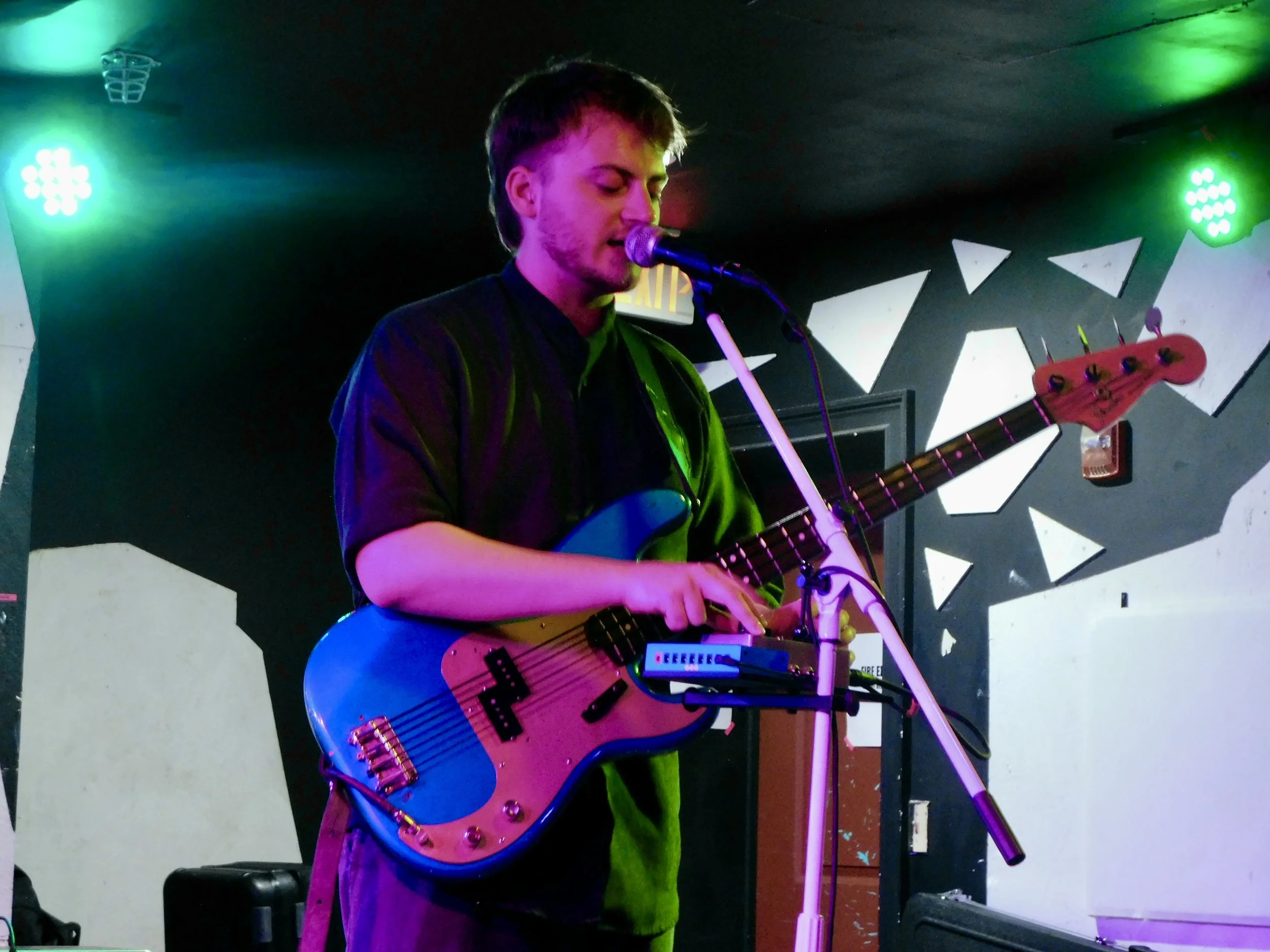
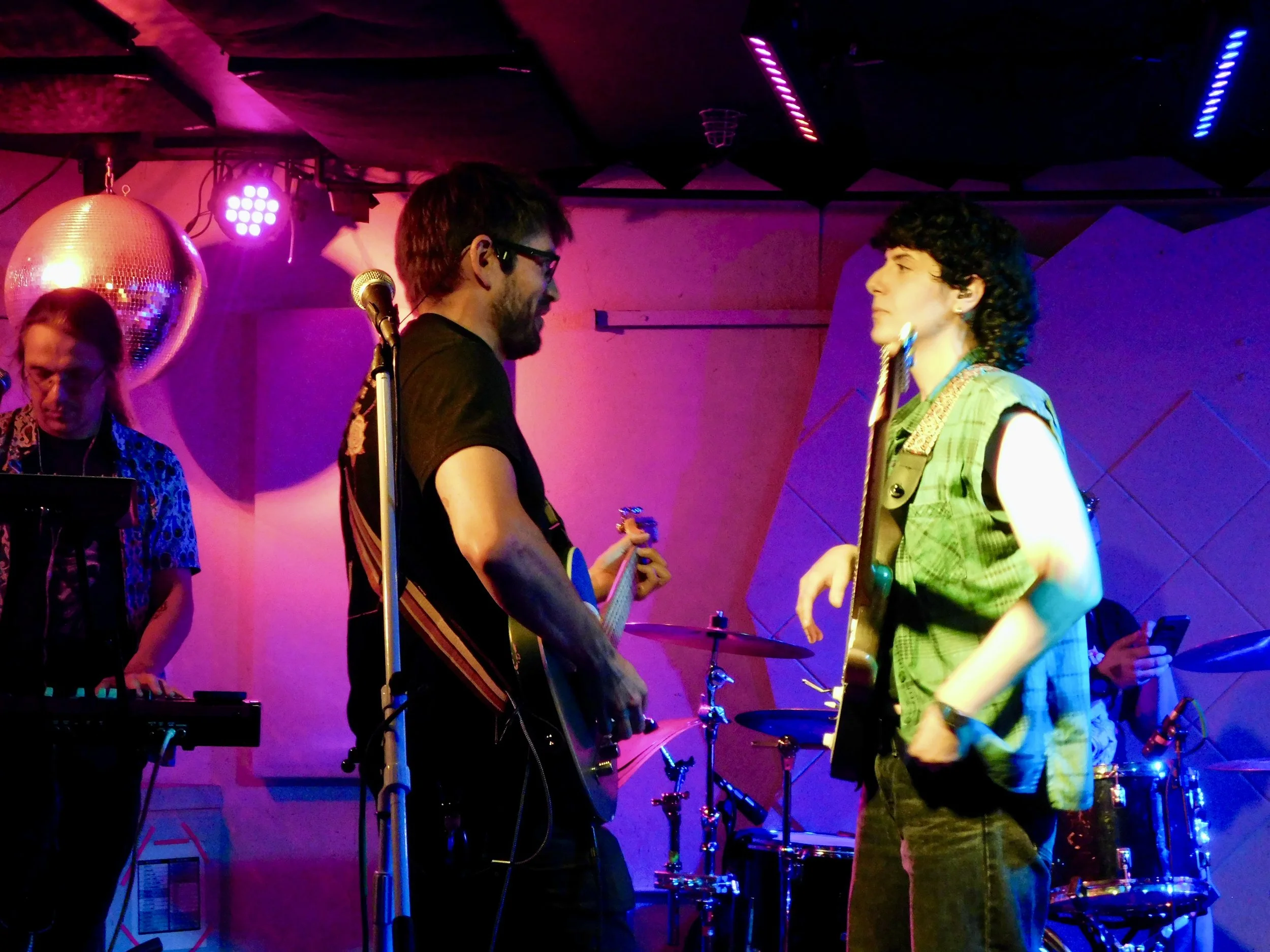
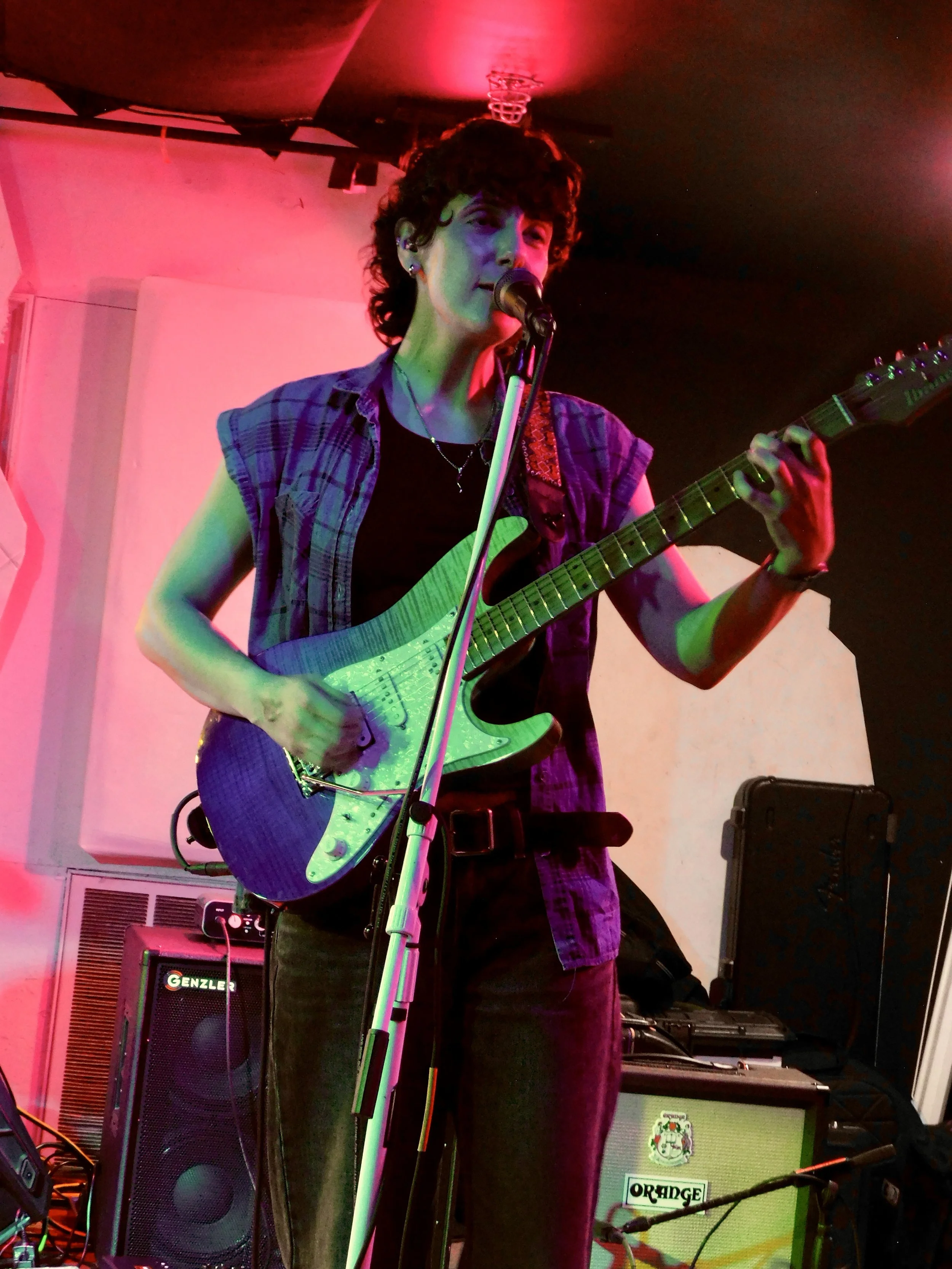
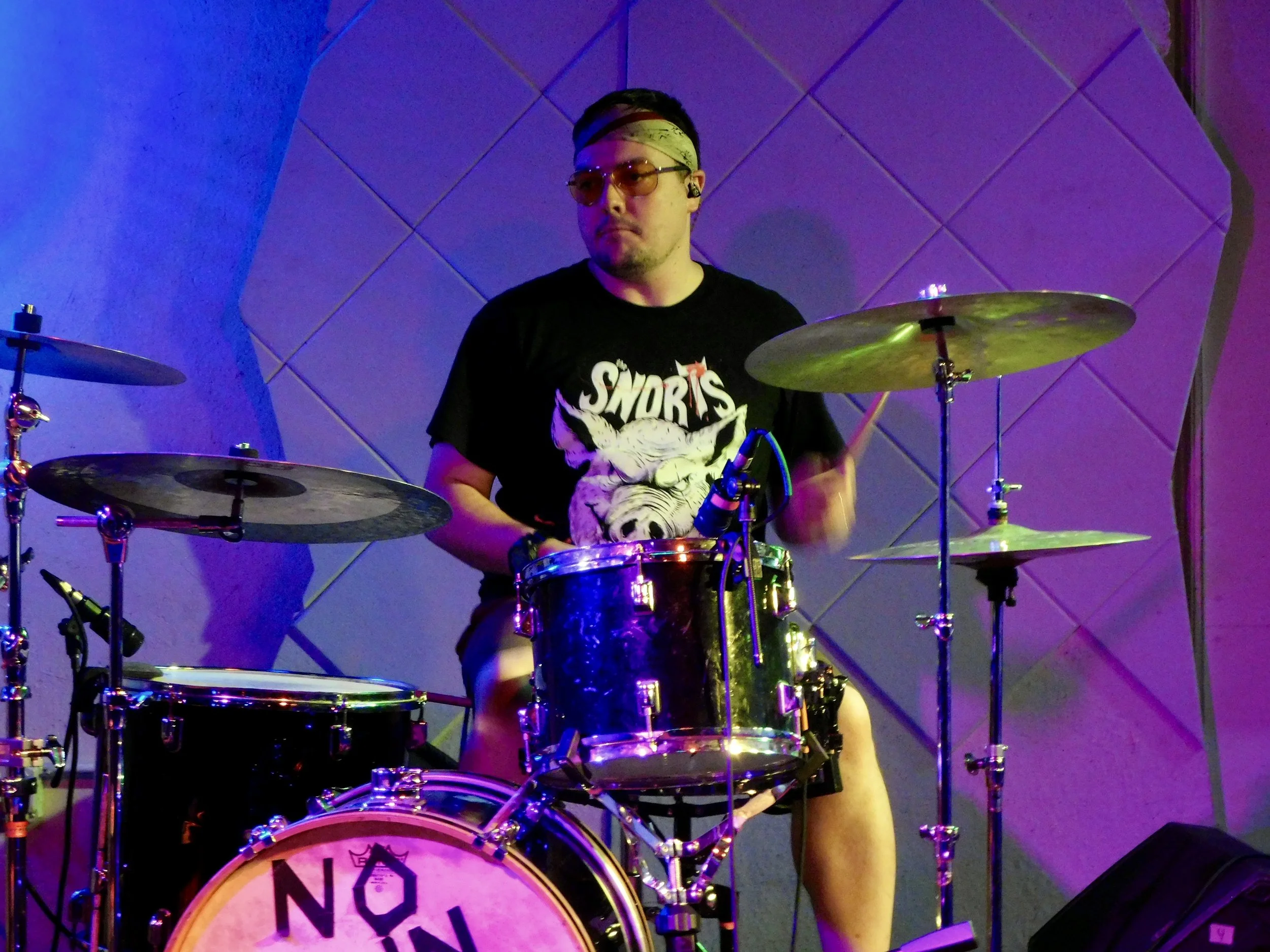
Watching indie rock band Yeah Universe play, one of the first things I noticed was how often the members looked over at each other. Singer and guitarist Michael Vincent, keyboard player Samuel Gleason, and drummer Nicholas Palazeke often exchanged glances while performing that conveyed an implicit adoration for one another. Singer and guitarist Mary Nardo and Vincent did the same, often smiling while the other had a moment to shine individually when a song called for it.
Much of their music had this beautiful layering between Vincent and Nardo’s voices, with the two harmonizing throughout the songs. Their voices worked incredibly well together and distracted me from everything else happening in the room as my eyes bounced back and forth between them.
Bassist Zachary Sorel spent the majority of the set off stage, thrashing around while the rest of the band played above him. Toward the end of the set, he began pacing at the foot of the stage before eventually climbing back on and making his way toward Palazeke at the drum set; continuing to throw himself around, but this time, occasionally locking eyes with Palazeke while doing it.
“Habiti” was my favorite song of their set. It carried a melancholy energy, but the passion on Vincent's face as he sang made the song feel intimate, as if he was being pulled back into the emotions he felt when he first wrote it for their 2023 EP Out of Sync.
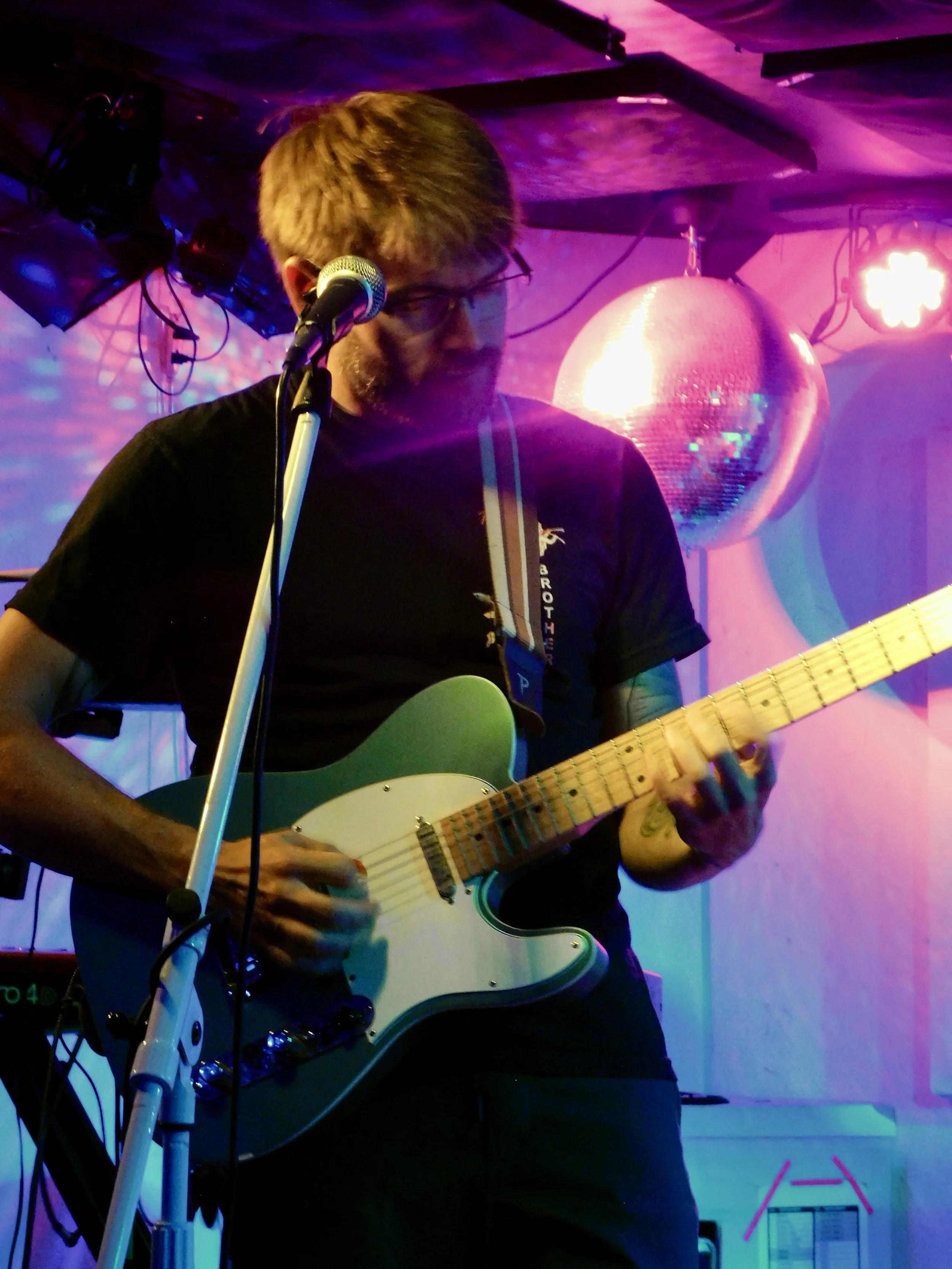
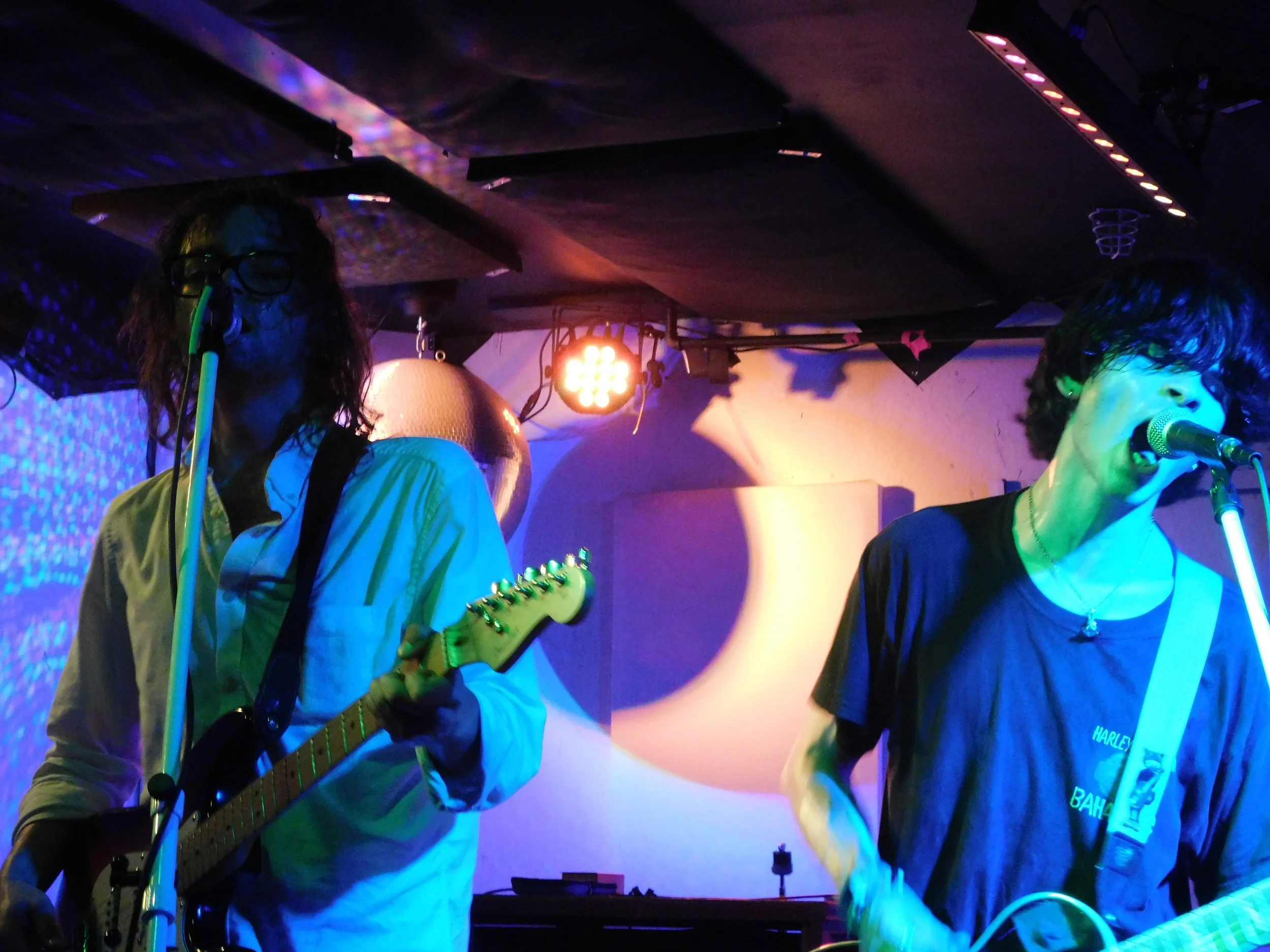
Condition, the second band in the line-up, brought a polarizing energy to the night. Their music carried a pent-up, angsty feeling, with lead singer Calum constantly moving around the stage and screaming into the microphone. His performance was physically exhausting just to watch, which was cemented later on by Calum’s plea for water from the stage.
Max Munzert, one of the band’s guitarists, left the stage toward the end of their set and walked through the crowd before dropping to the floor and lying down, all while playing the final part of the song. Watching someone physically throw themselves into the music made the emotions behind it feel tangible, and I found myself getting pulled into it, too.
As a Midwest-emo fan, I enjoyed Condition’s music and their overall stage presence. At different points throughout their set, they reminded me of both Title Fight and Modern Color — particularly in the intensity of the vocals and the quiet-loud-quiet math rock structure. At the same time, there’s something more modern about their music that makes it feel like an evolution of a genre that I feel is, unfortunately, starting to die off. Hearing a band take something I already love and make it feel like it still has somewhere to go was one of the stand-out aspects of their set.
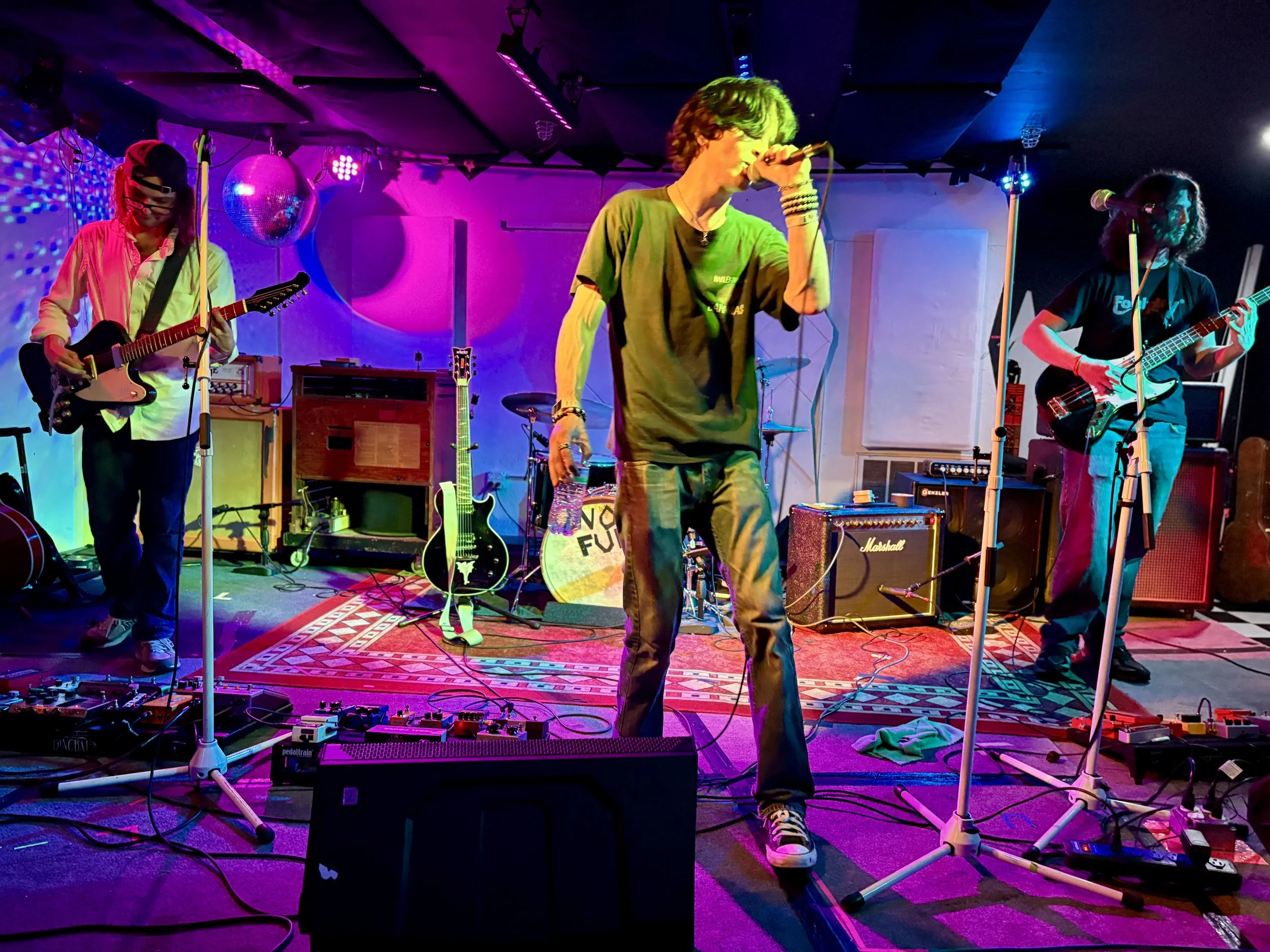
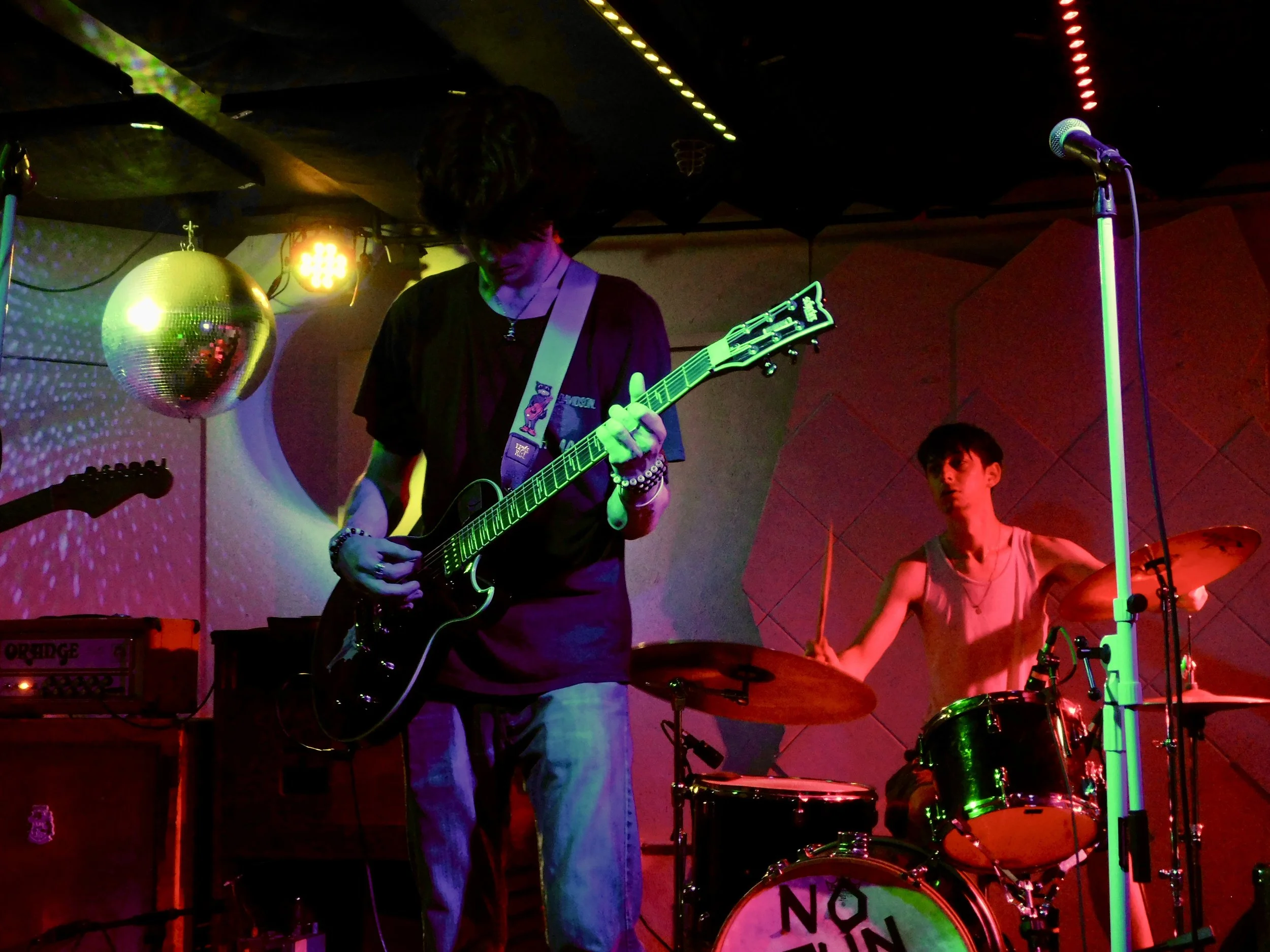
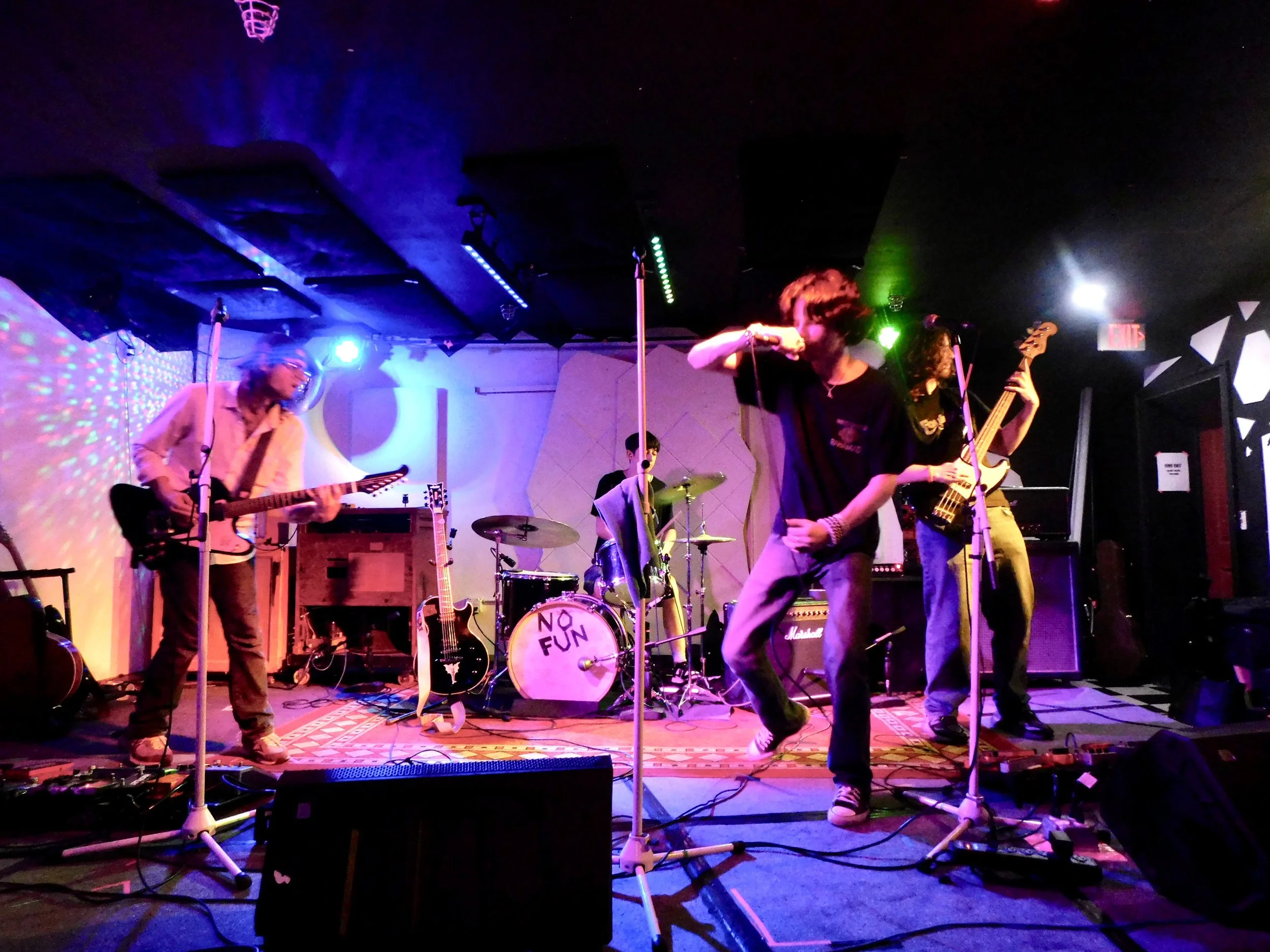
Not Cars was listed as playing their first show, and yet they seemed completely comfortable performing live, with a stereotypical ’80s and ’90s classic rock sound, a genre that has since been coined “divorced dad rock”. Their music reminded me of a mix of Alice in Chains, Creed, and Stone Temple Pilots, but they still had their own original elements that kept them from feeling like just a tribute band.
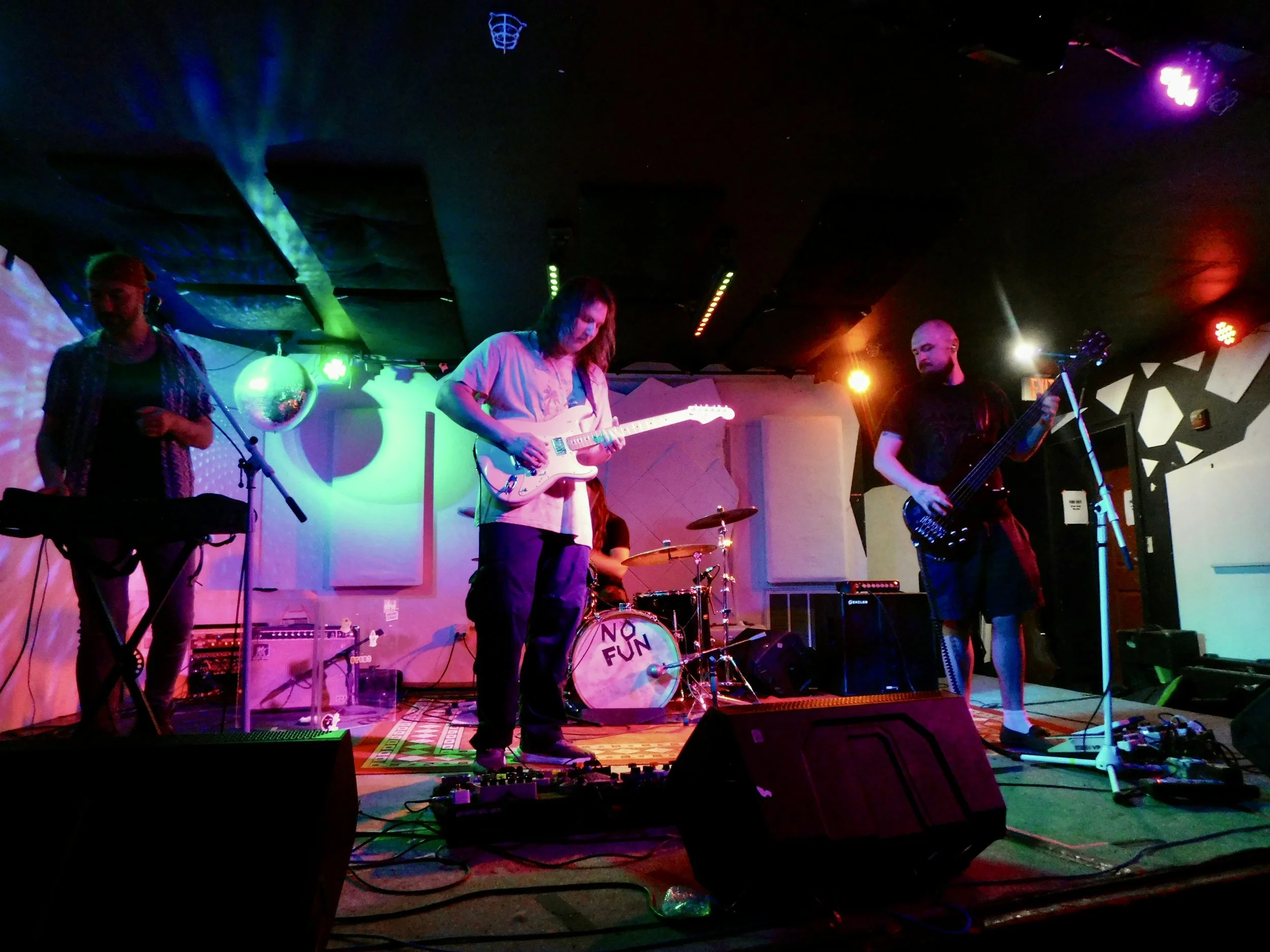
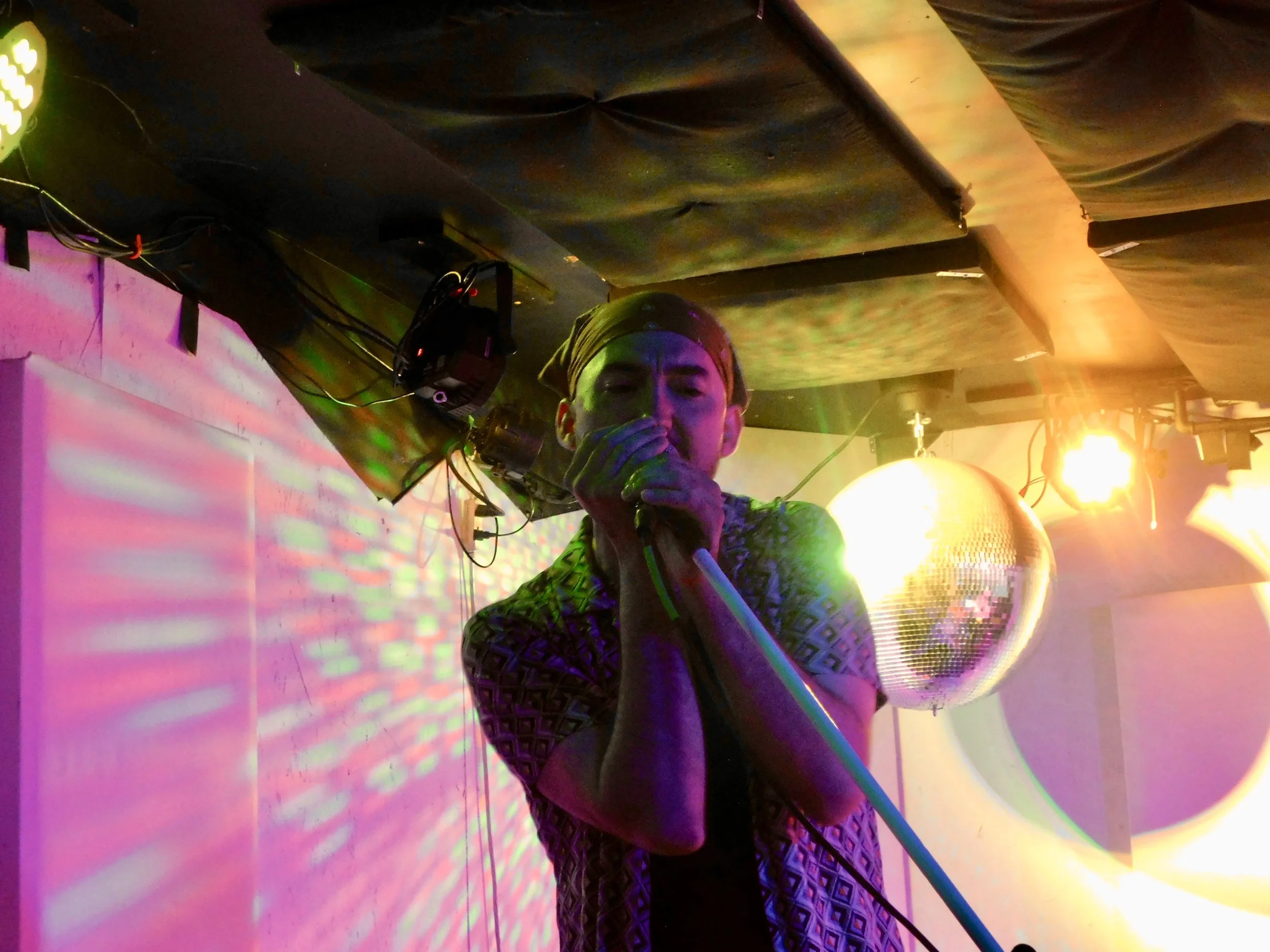
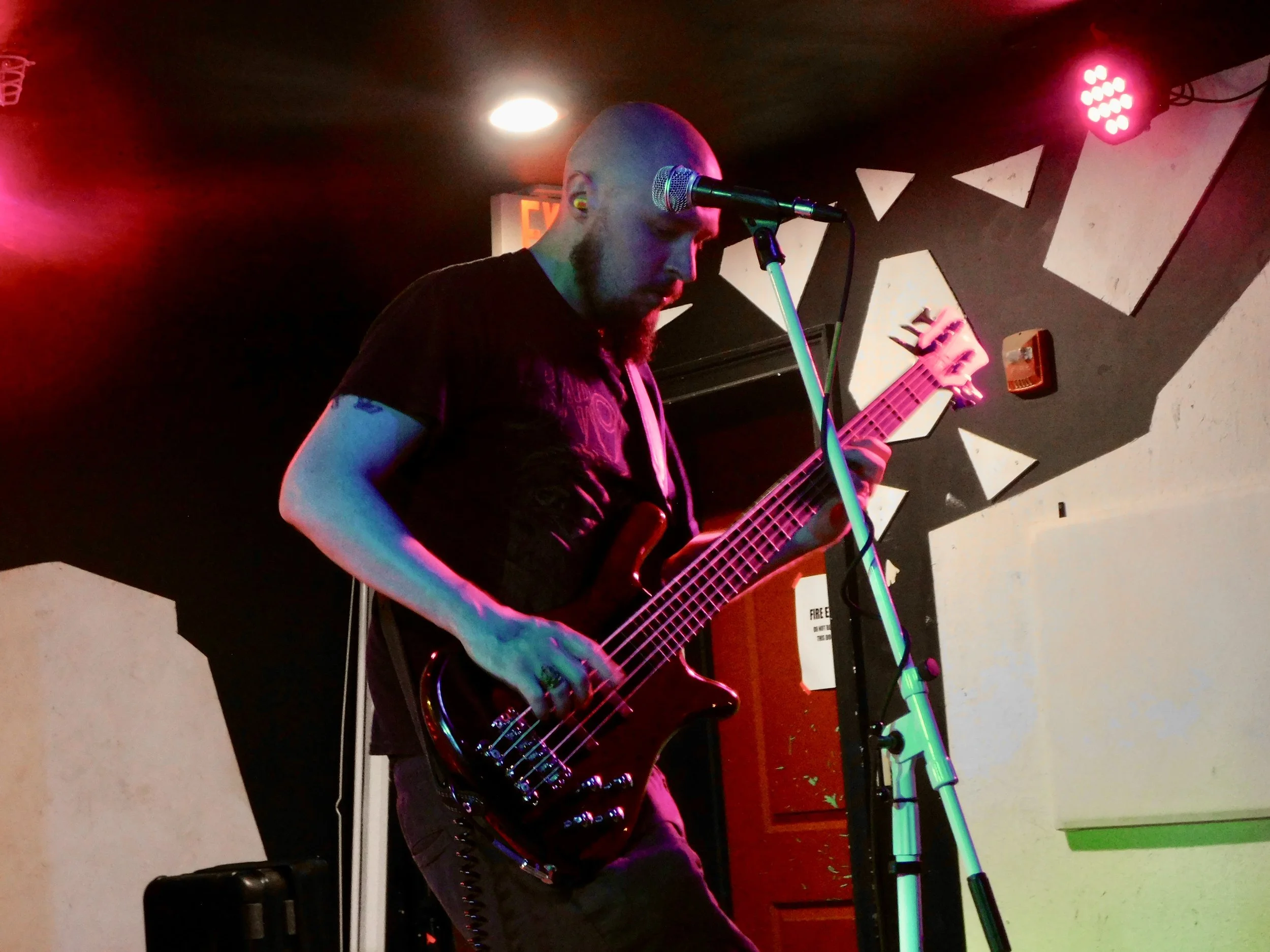
The final band of the night was Otobo, a three-man band made up of singer-songwriter Josh Thorsey on guitar, singer-songwriter Justin Barre on guitar and bass, and Brandon Rutski on drums. Otobo was responsible for unintentionally creating the biggest mosh pit of the night, in part because they are loud enough that they provided earplugs, and made a point of telling people to grab a pair before they began their set.
One thing that stuck out was the dramatic pauses they incorporate into their songs. You never quite know when the song is actually over. Hearing it live made that uncertainty far more enthralling, as people in the crowd kept getting confused and started clapping before the song was actually finished, only to realize that the silence was intentional and that there were, in some cases, multiple minutes of song left. Eventually, most people caught on, but by the end of the set there were moments where people were hesitant to clap, not wanting to interrupt again.
What works best about Otobo being only three members is it allows the instruments to be the focus. The drums are the backbone of every band that has them, but they are often overlooked. Watching Rutski play was one of the things that stuck out most during their set. The way he throws himself into the drums makes it seem like he is becoming a part of them. He plays flexibly and is able to convey so much emotion and energy while restricted to a seat. Guitarists and other musicians have more freedom to move around the stage, but Rutski was able to show that same level of emotion and energy even while seated.
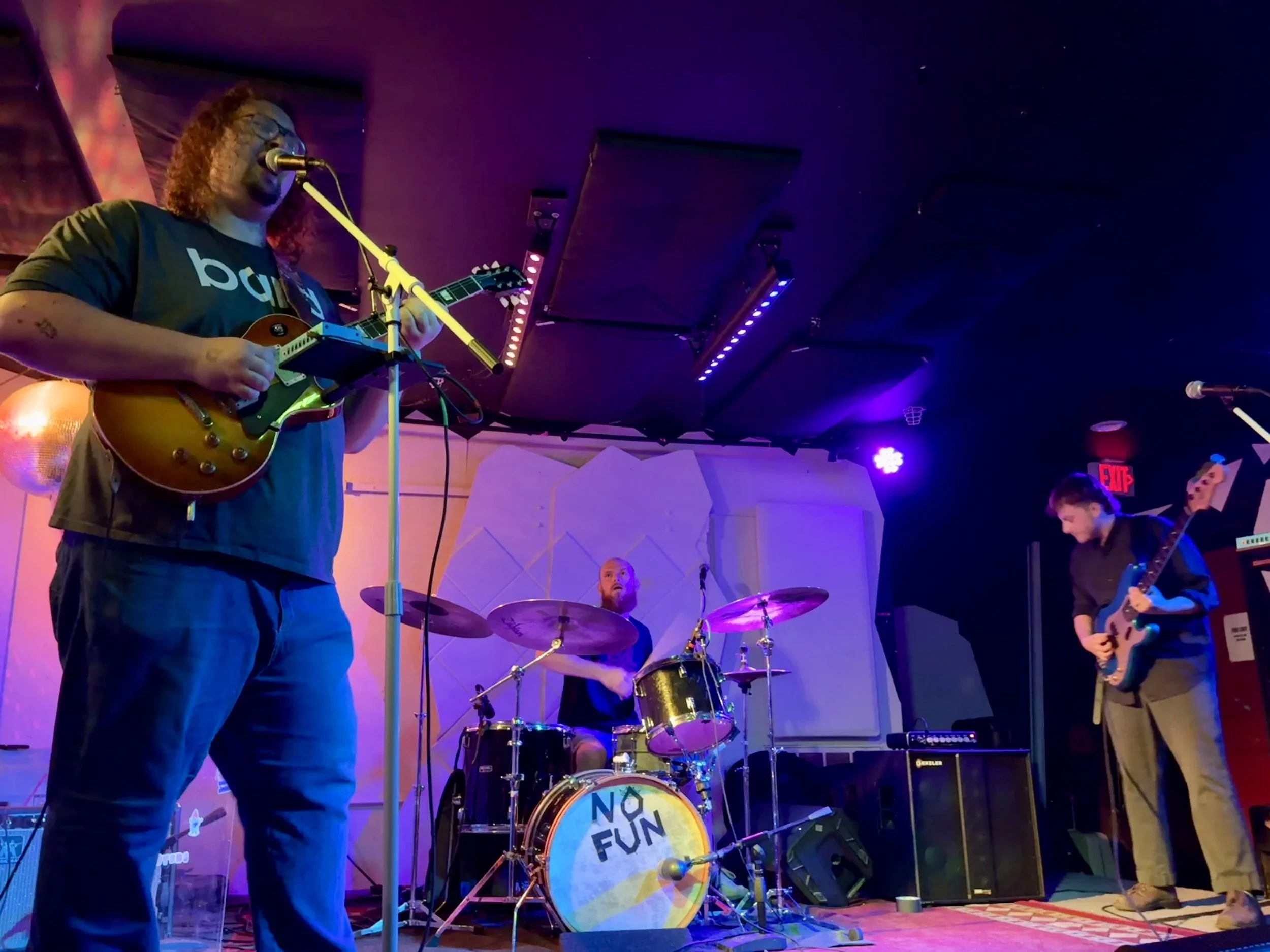
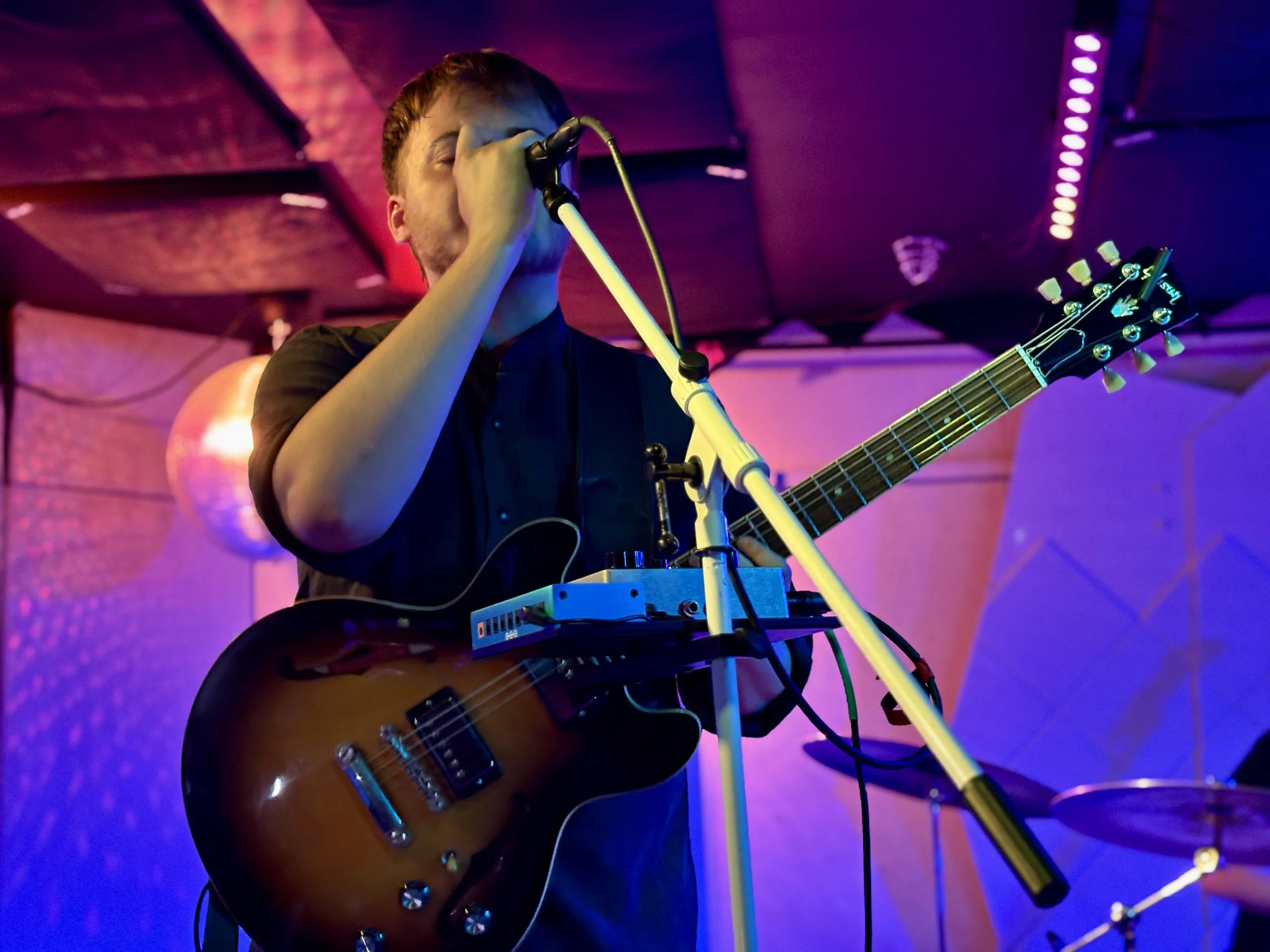
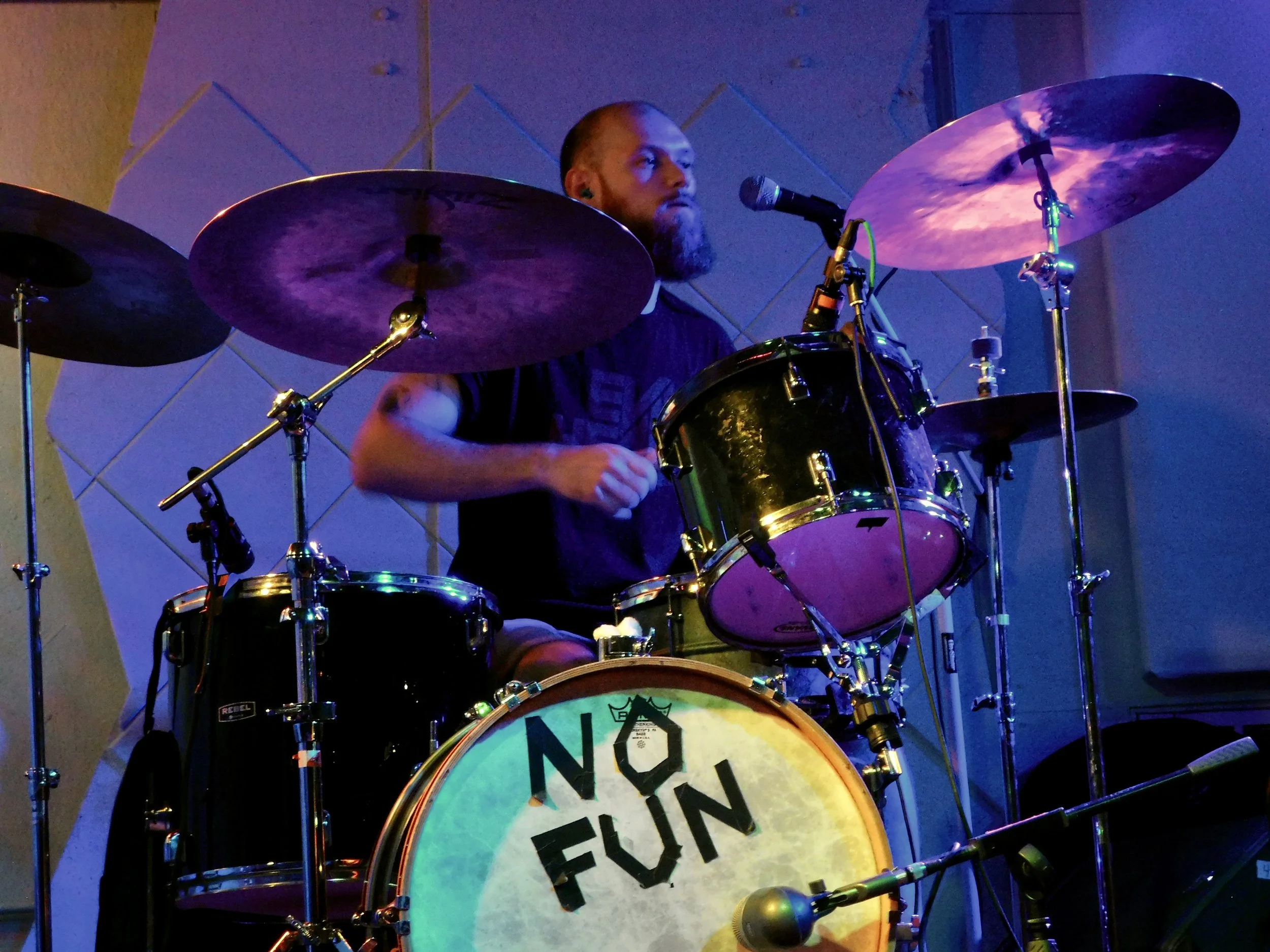
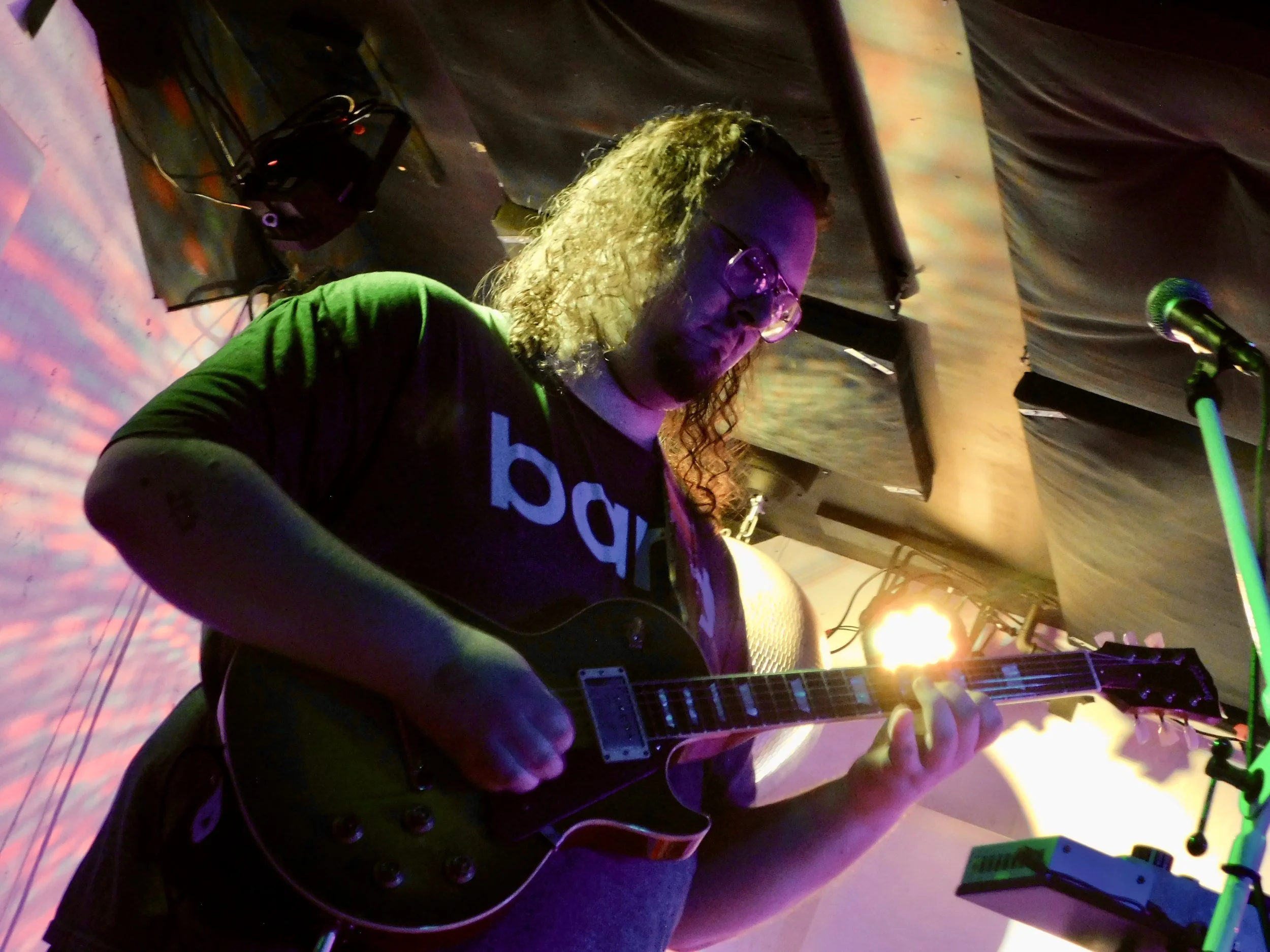
Thorsey and Barres’s individual vocals fit their music extremely well, despite the vocals typically being minimal in their songs. That minimalism allows the instrumentals to remain the main focus without taking away from what makes them so prominent.
It almost confuses your brain trying to decide who to watch because each member is doing something worth watching. With a lot of bands, attention naturally goes toward whoever is the most powerful in the moment, typically being the vocalist. With Otobo, I kept switching between the three of them because each brought a fascinating individual stage presence that makes you want to watch all of them at once.
The show left no room for redundancy between each performer, and each band brought something different that kept my attention. Whether it was the chemistry of the band or the energy each one brought to the stage, the night felt alive, and showcased the impressive range of the local music scene.