REVIEW: A Music Dialogue on the Silk Road by Asian Arts New York
03/22 @ The Egg, Albany
Photos by Elissa Ebersold
“Music needs no words to convey the stories of humanity.”
It is often said that there are two universal languages: mathematics and music. And if you’ve seen Project Hail Mary recently, you might feel as if your belief in that phrase is refreshed — a movie of math and physics, and a soundtrack stacked with music from around the world, each carefully-chosen song a vessel wielded for larger meaning, for more emotion. Music is a bridge to life, to culture, to collaboration, to conversation, and to empathy.
According to National Geographic, the Silk Road was a vast network of routes spanning more than 4,000 miles of the northeast hemisphere from 130 B.C.E until the mid-15th century. Travelers of the Silk Road traversed formidable and unforgiving terrain, carrying silk, glassware, textiles, tea, and spices from Cathay (modern day China) to Europe. But it wasn’t just goods and fare that were exchanged across the expanses. Stories, culture, cuisine, and music were carried on foot and horseback through mountains and deserts of the east.
On March 22, 2026 at The Egg, Asian Arts New York lit a musically conversational match with A Music Dialogue on the Silk Road. The president and MC of the organization, Wei Qin, put together a most wonderful lineup of music highlighting the route’s rich and ancient history.
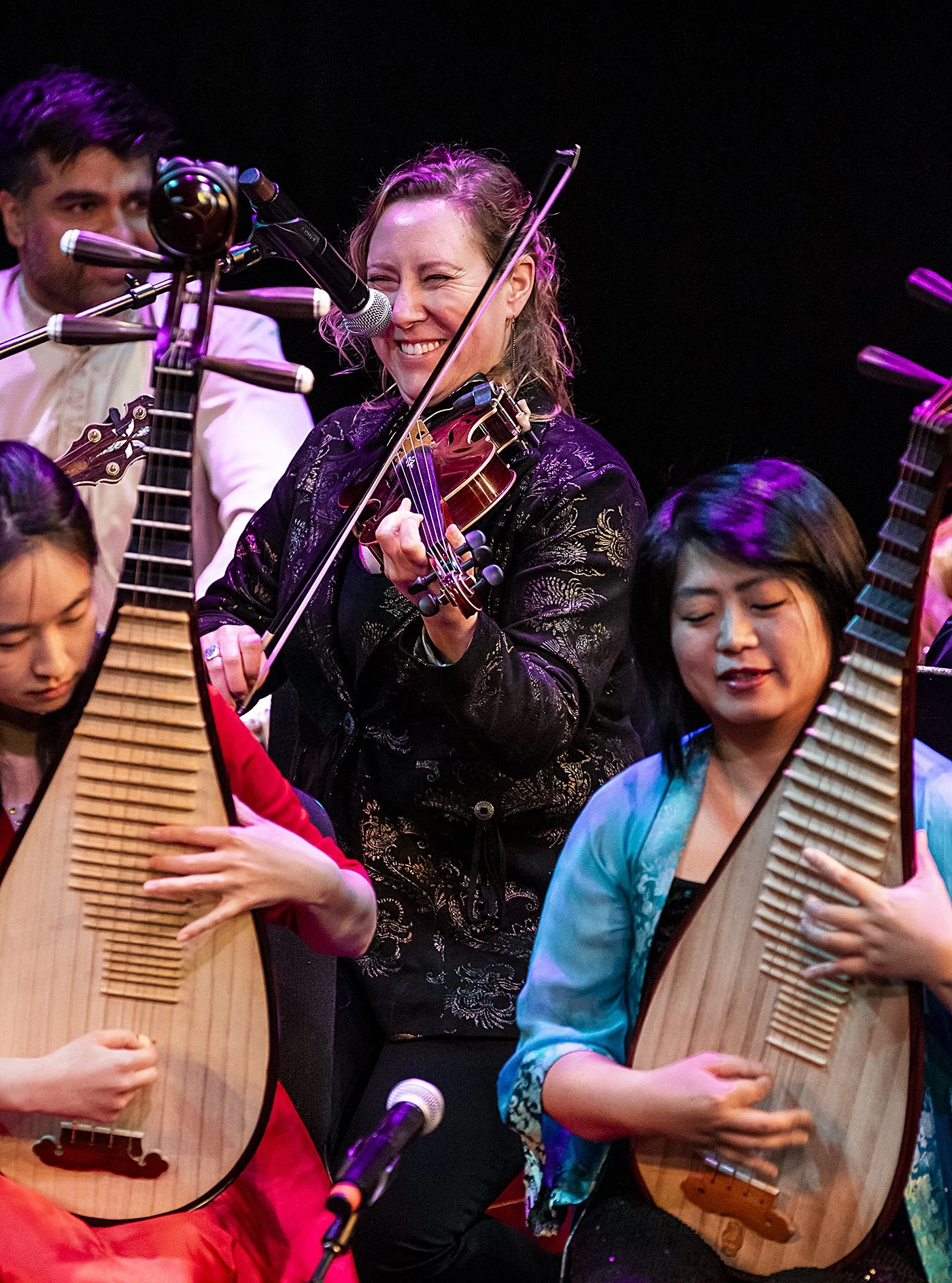
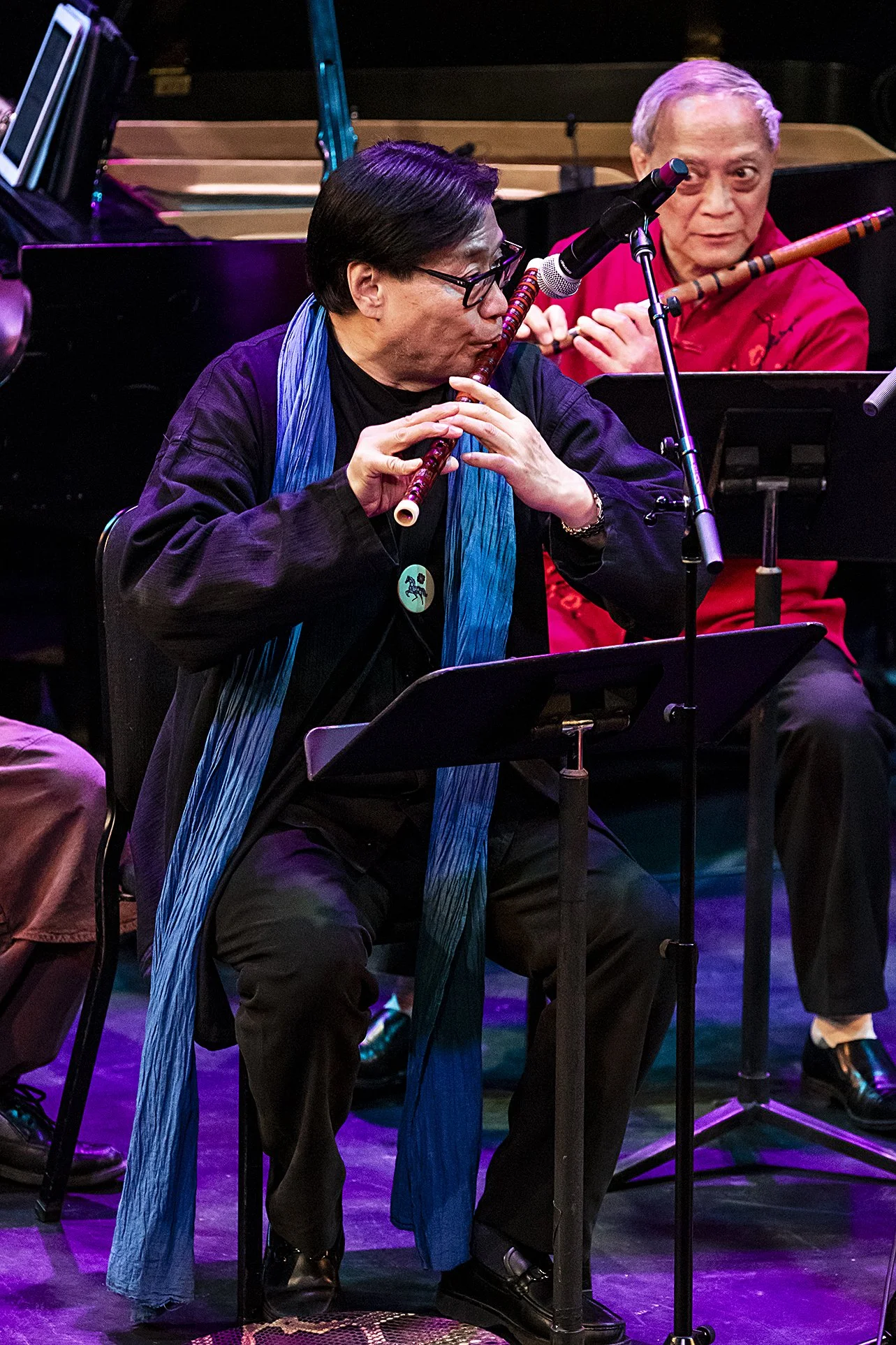
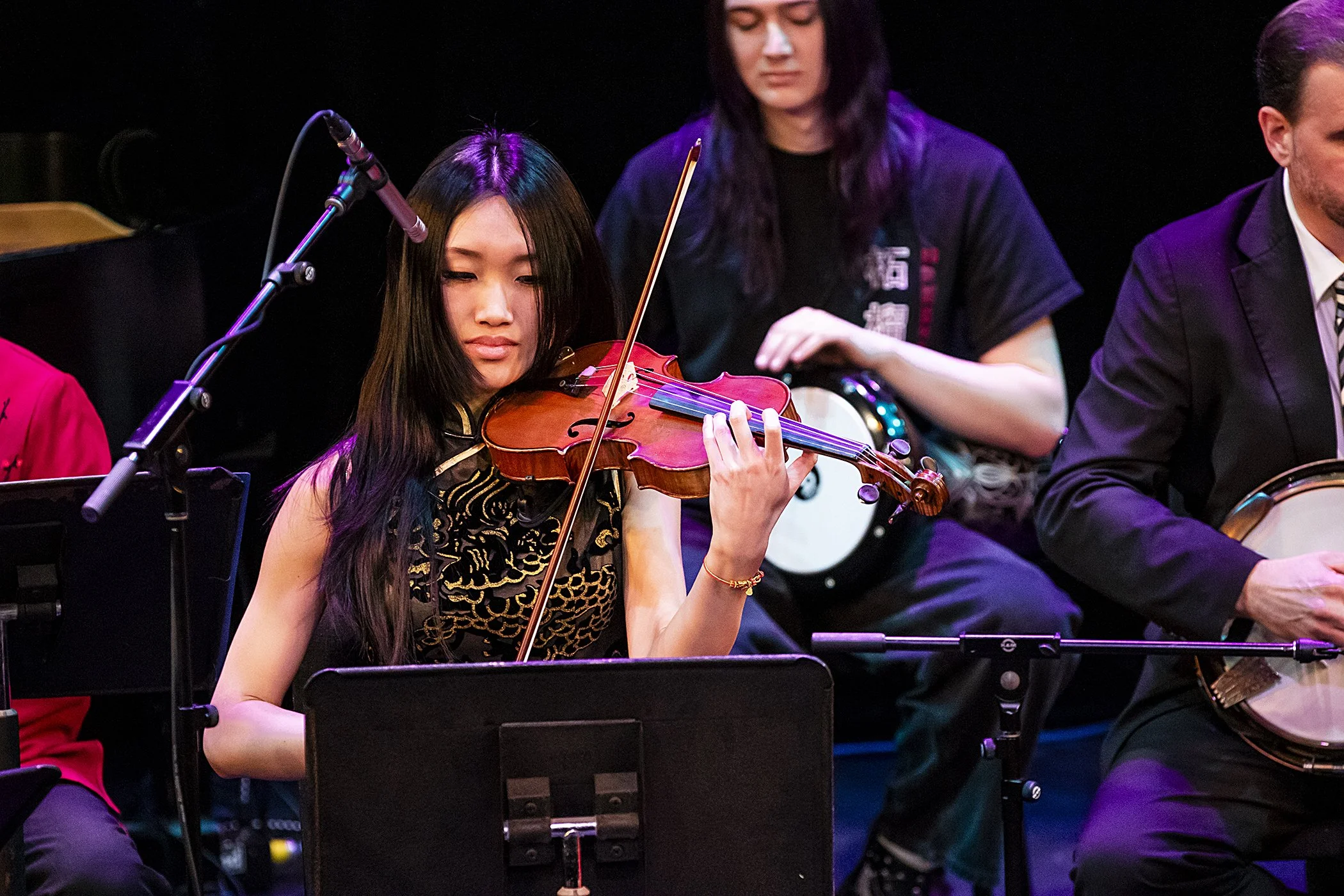
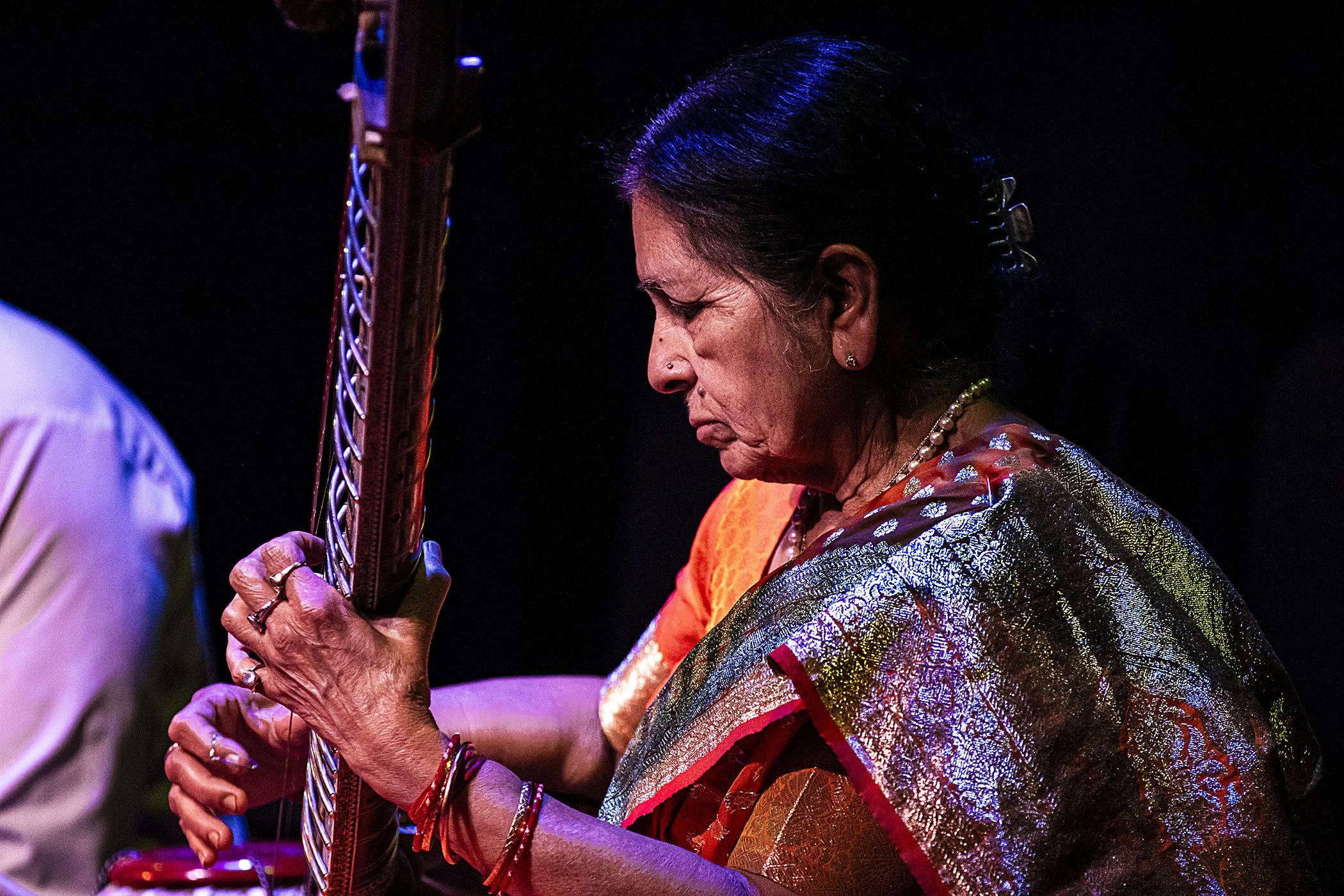
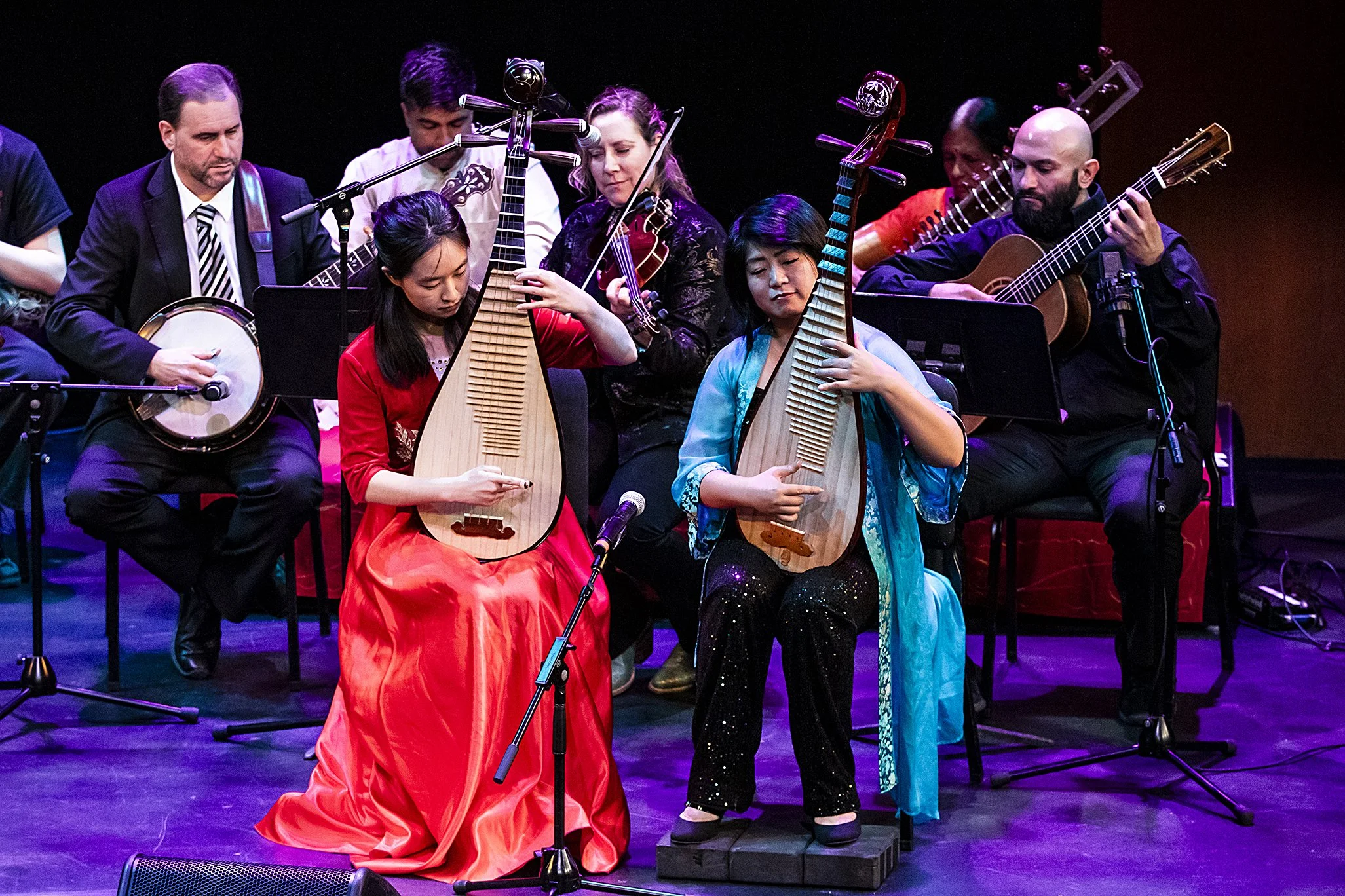
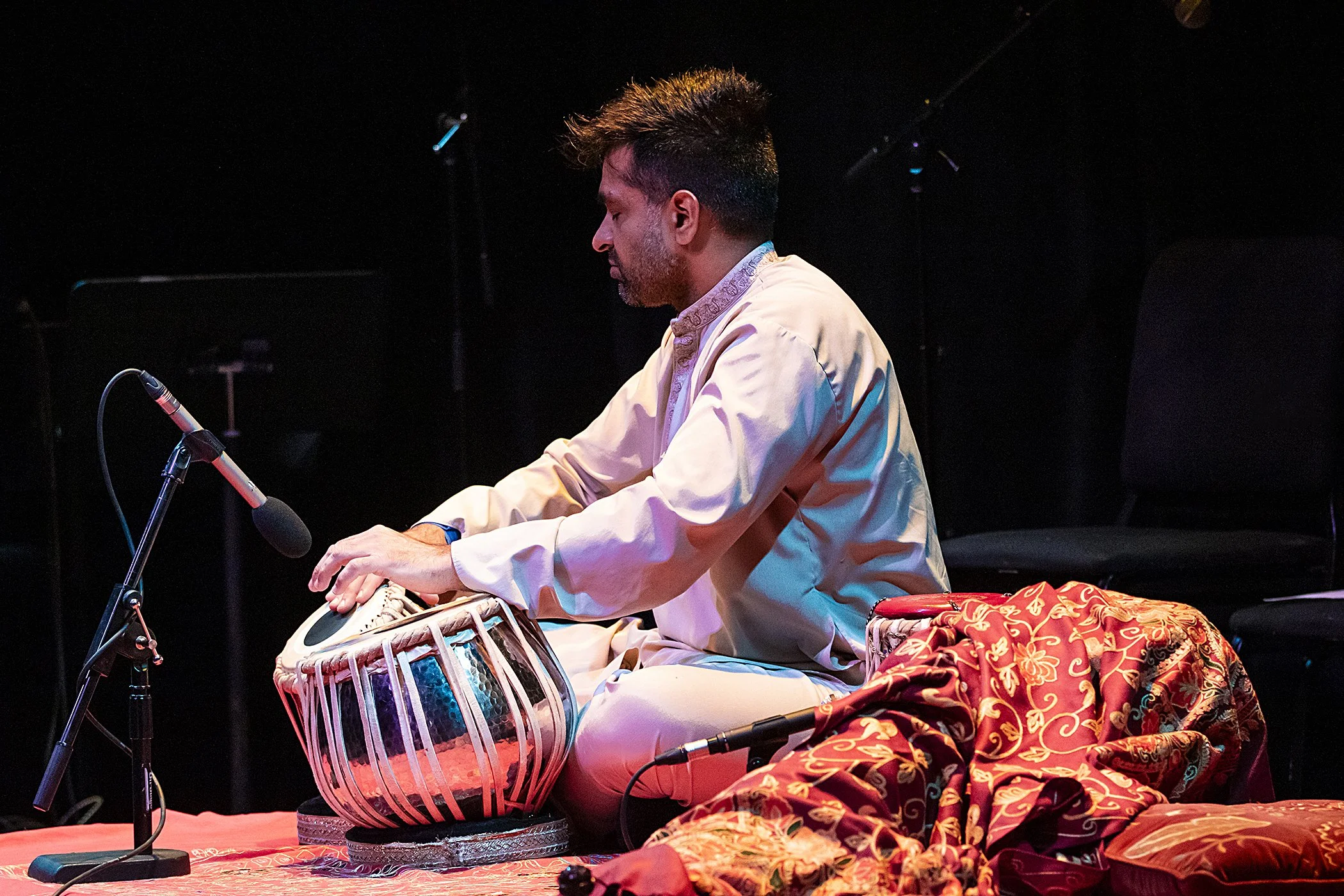
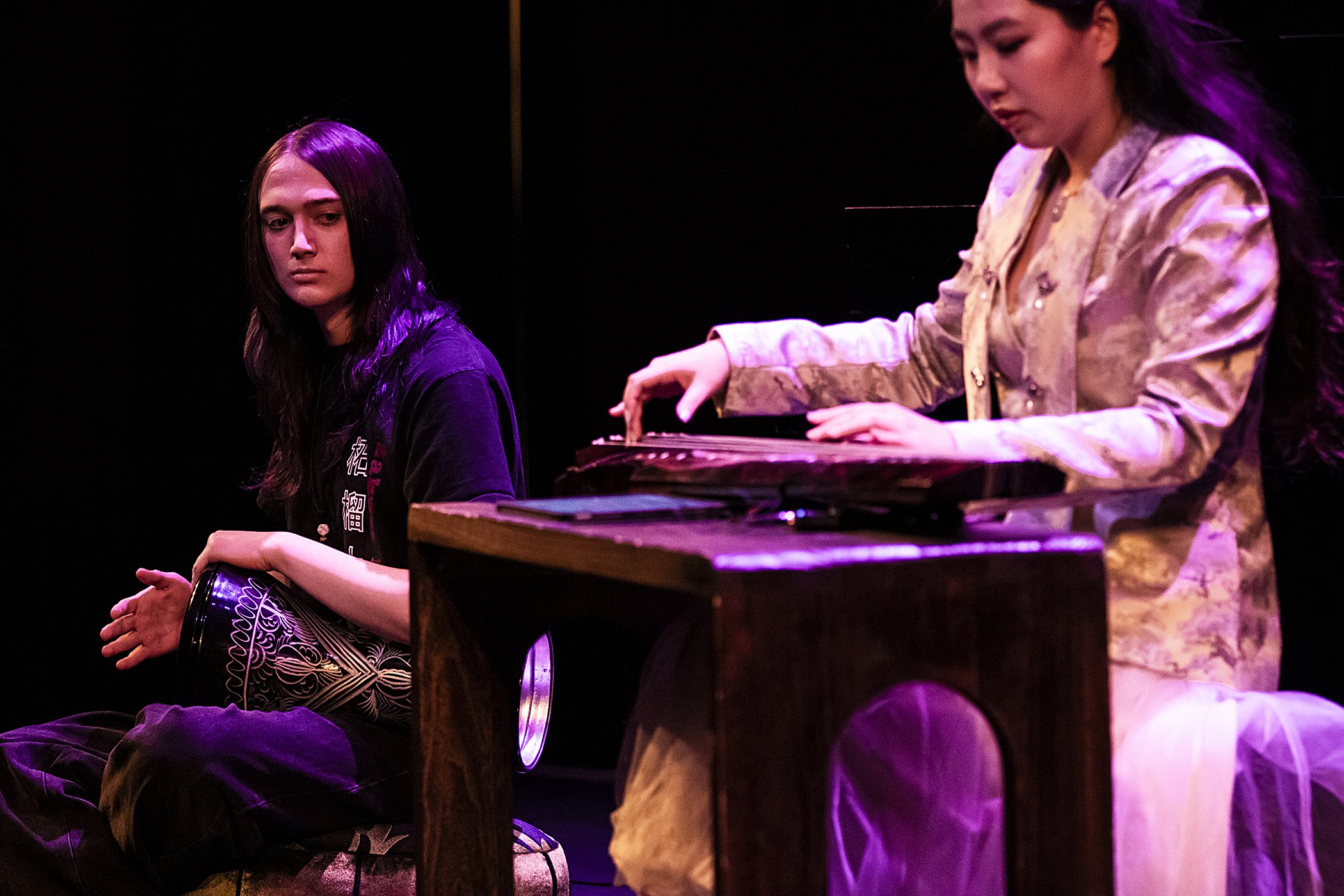
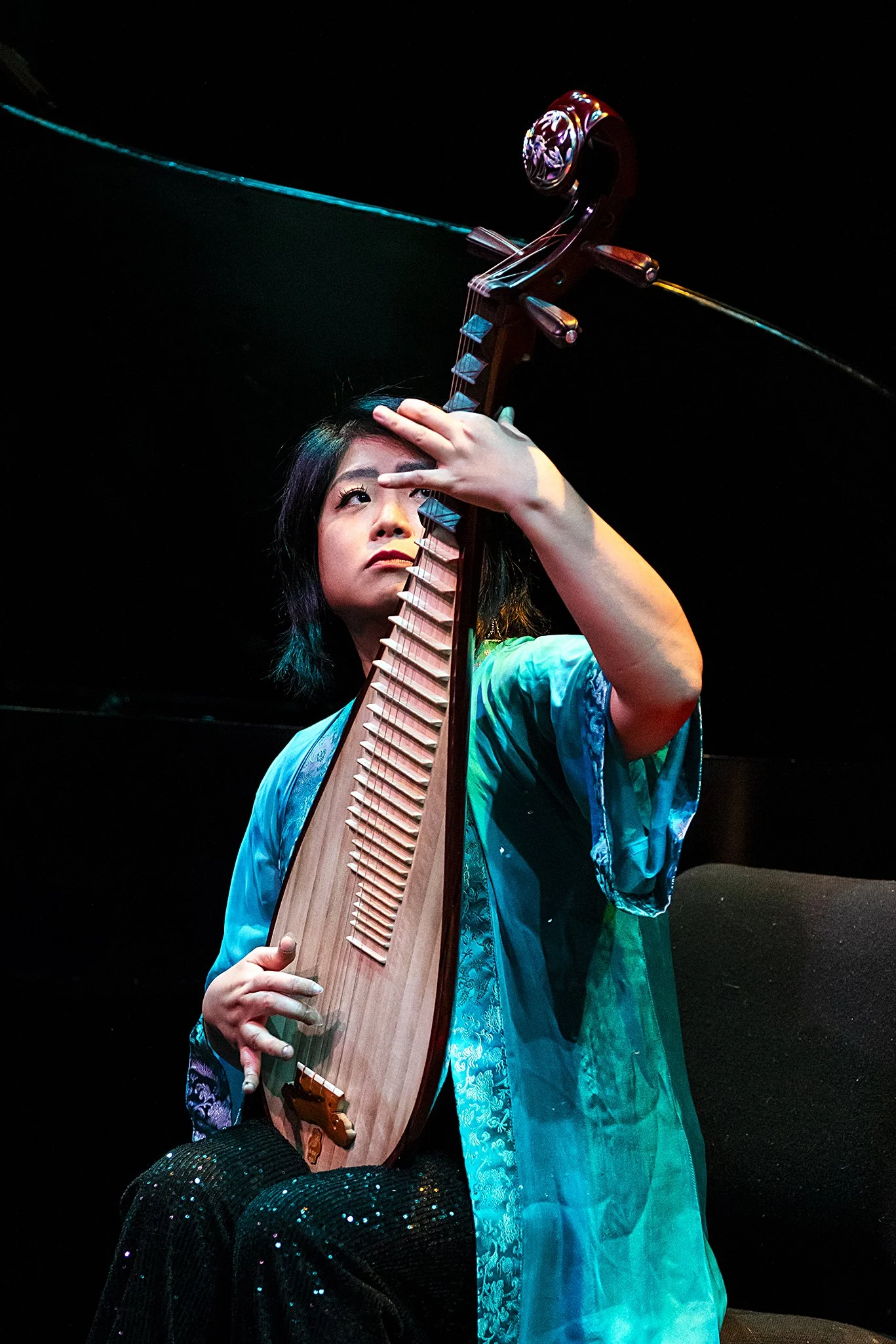
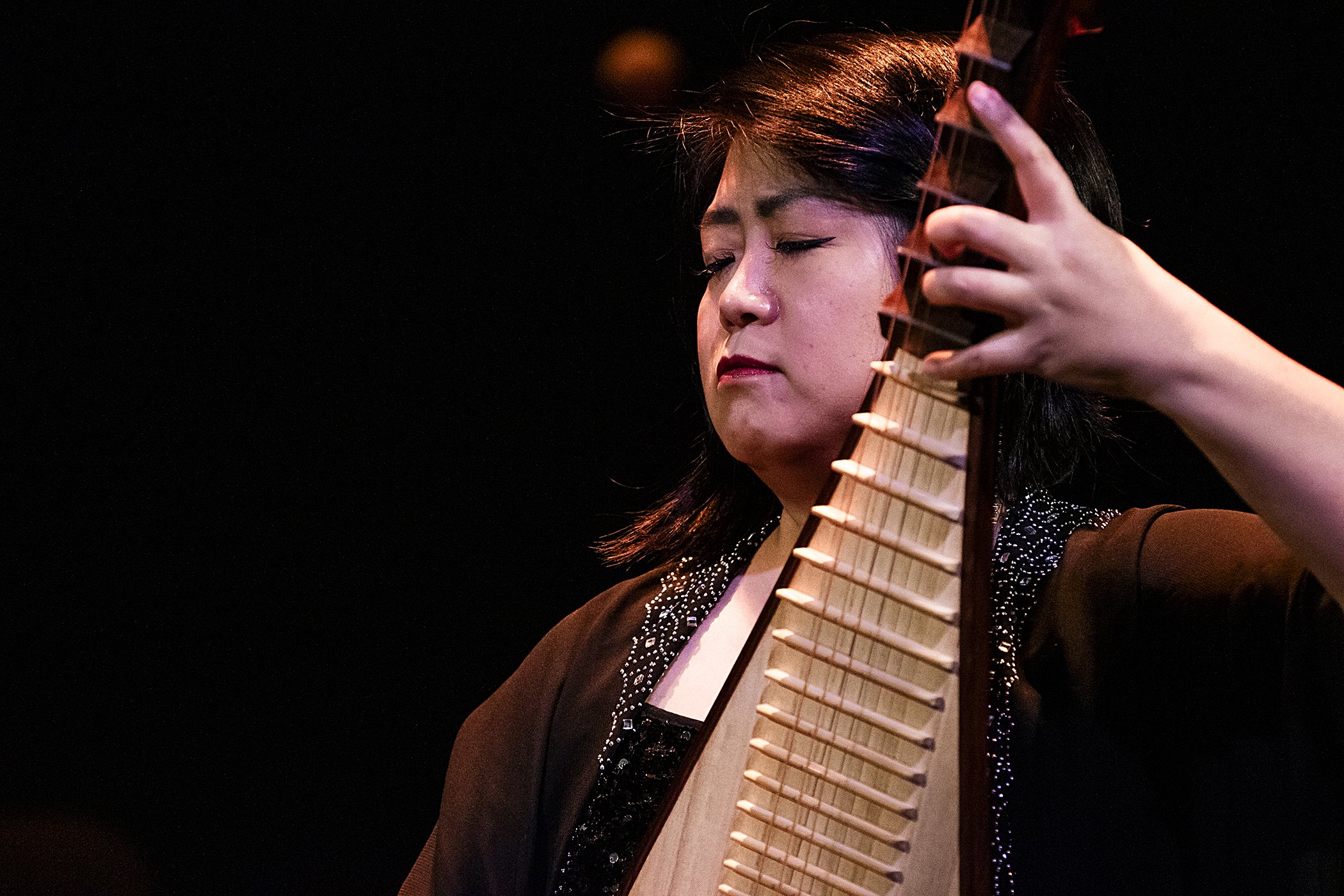
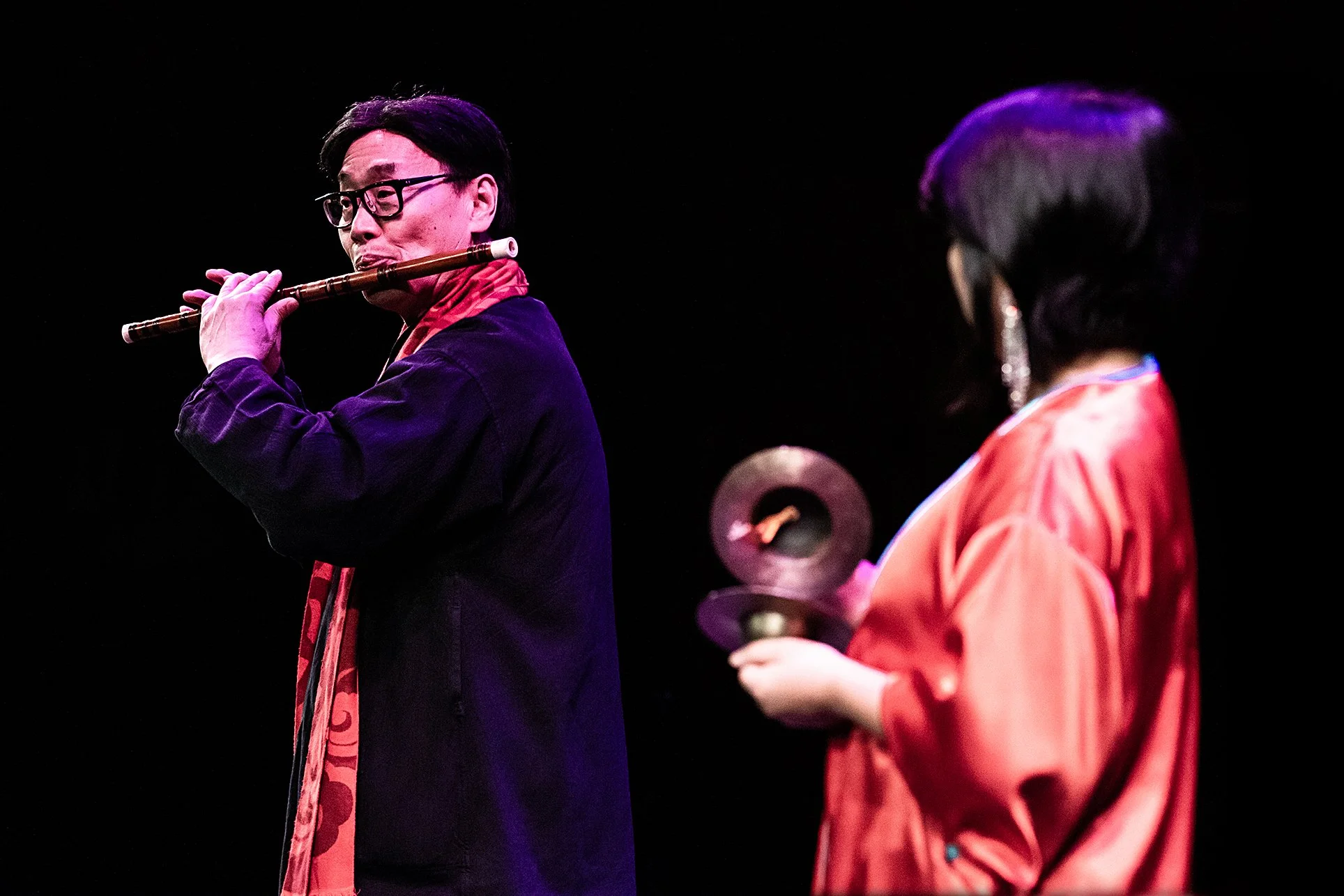
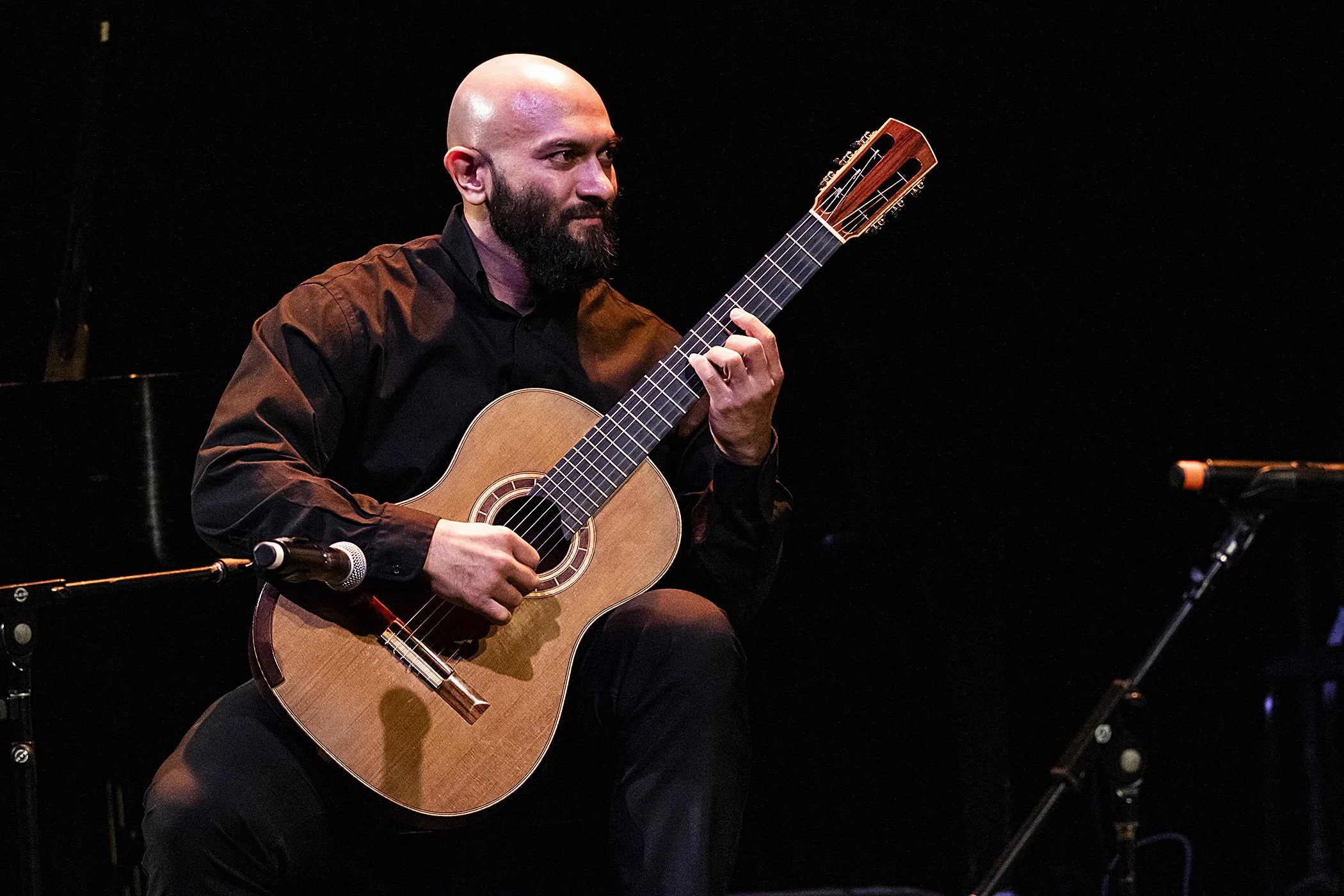
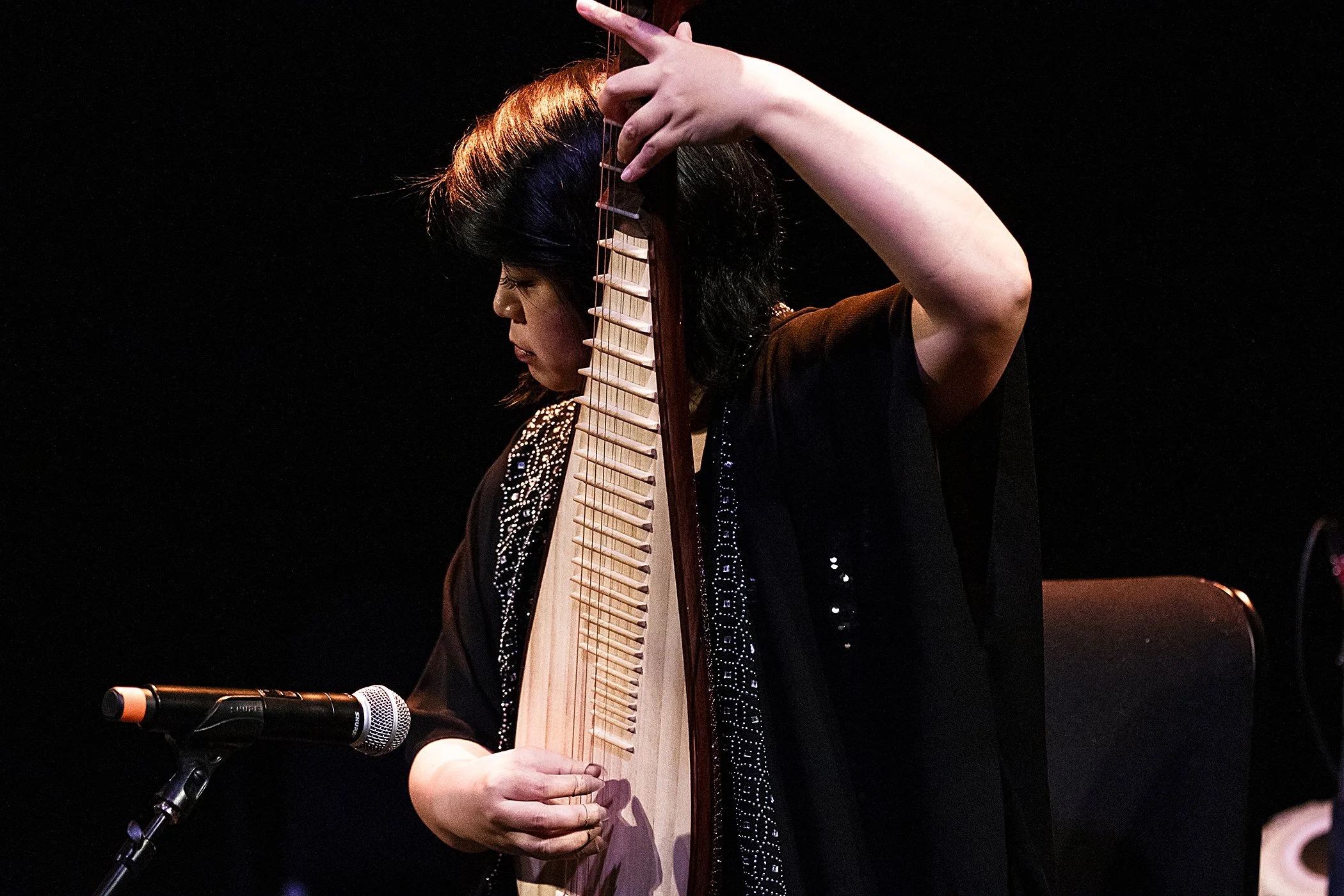
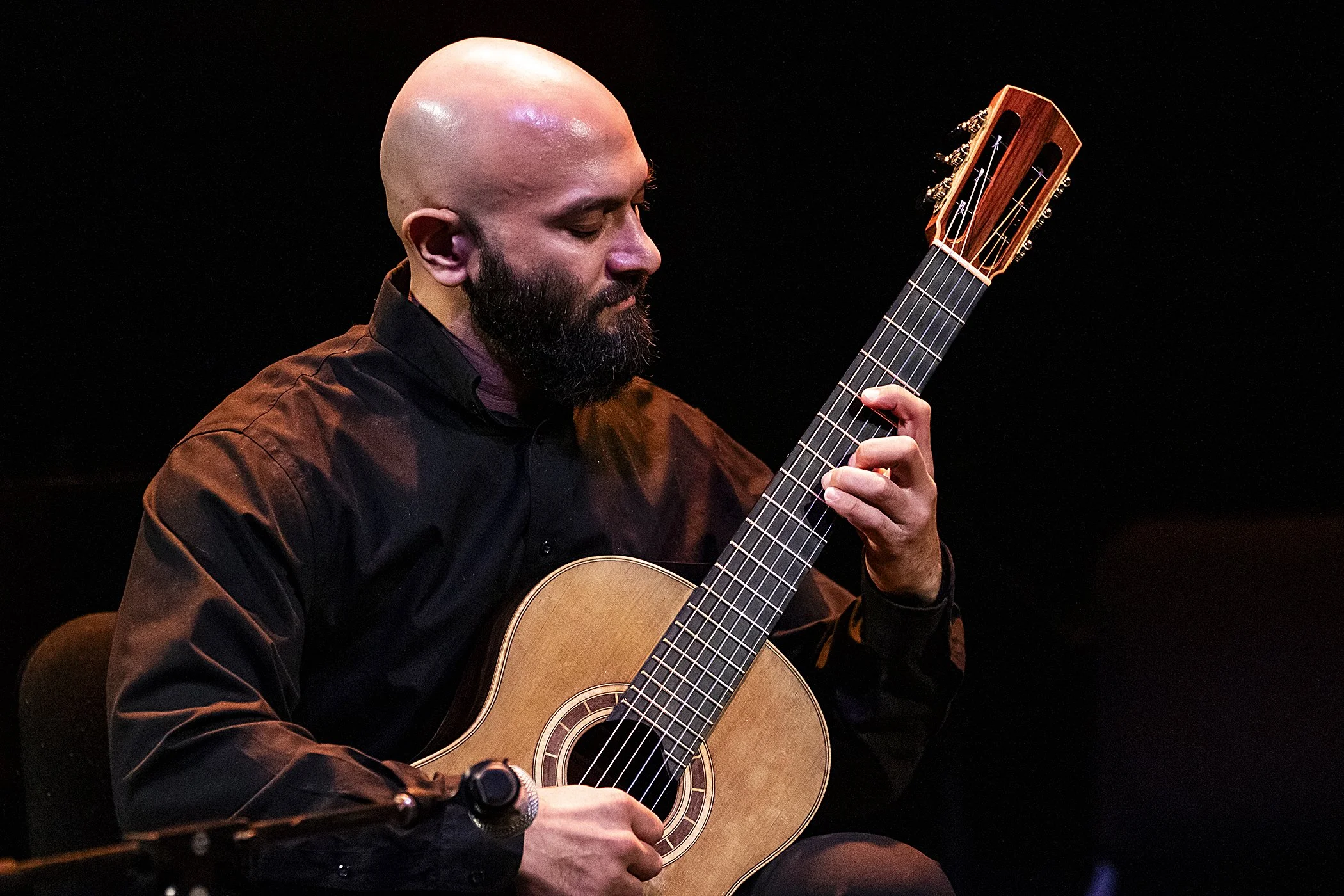
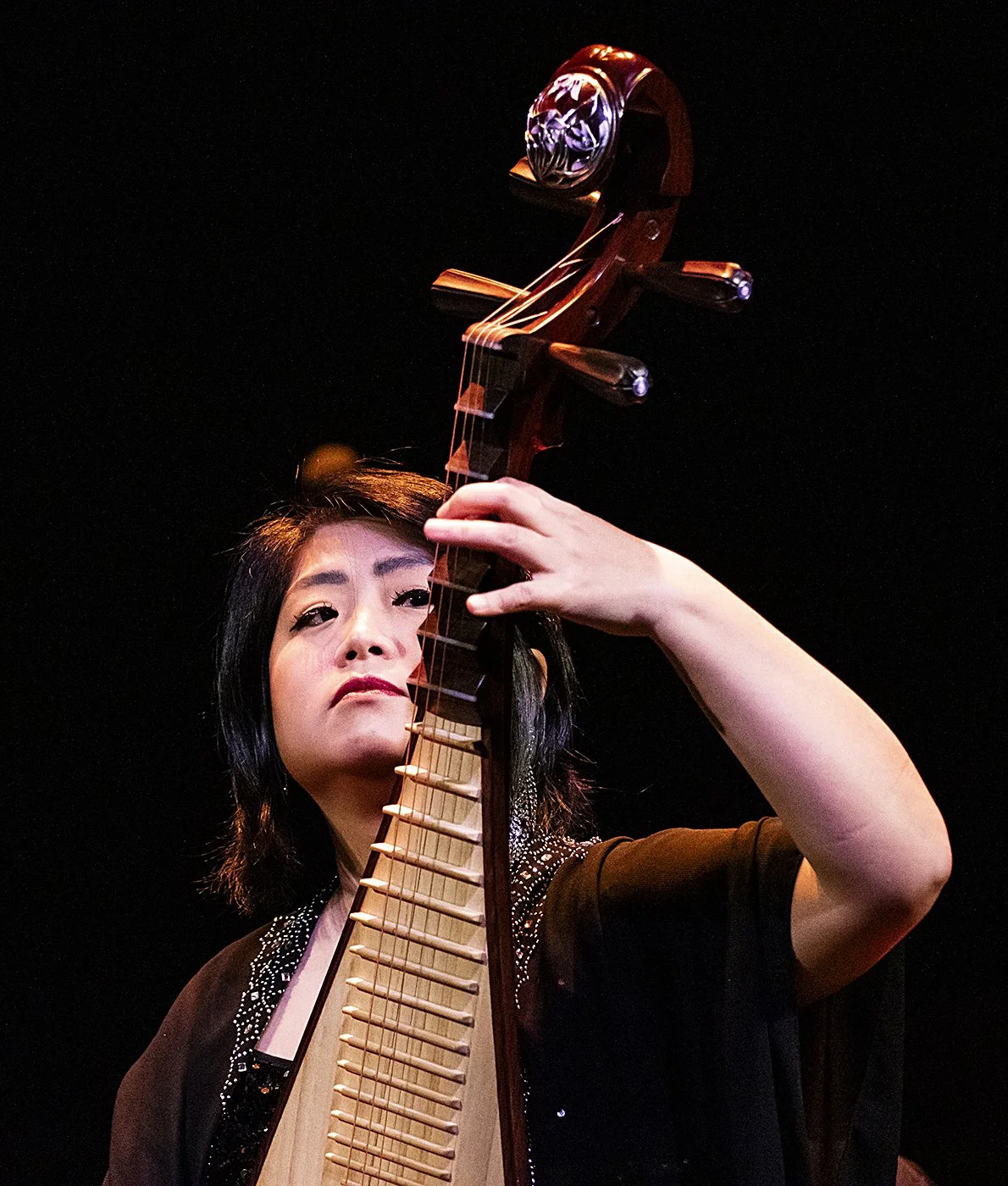
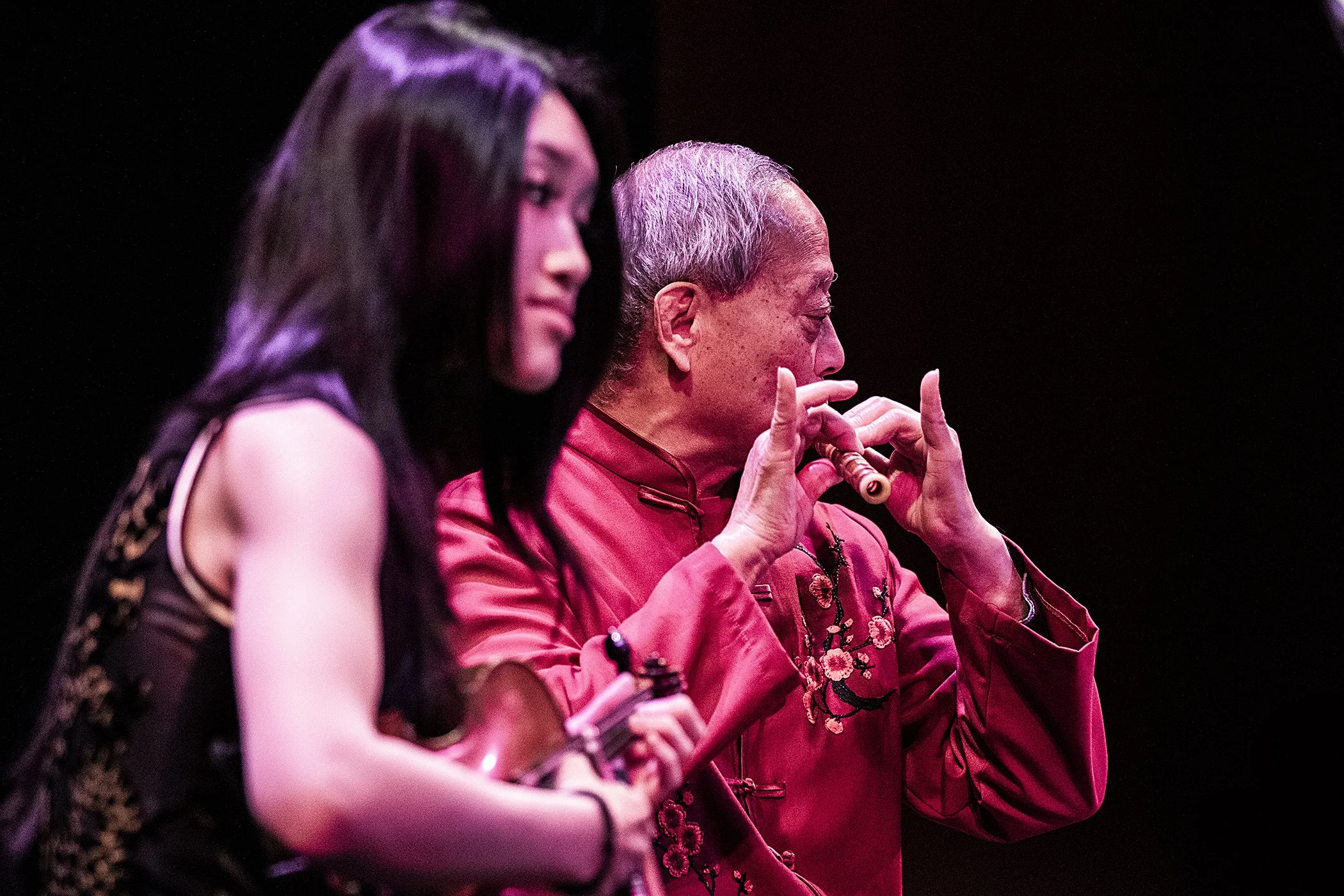
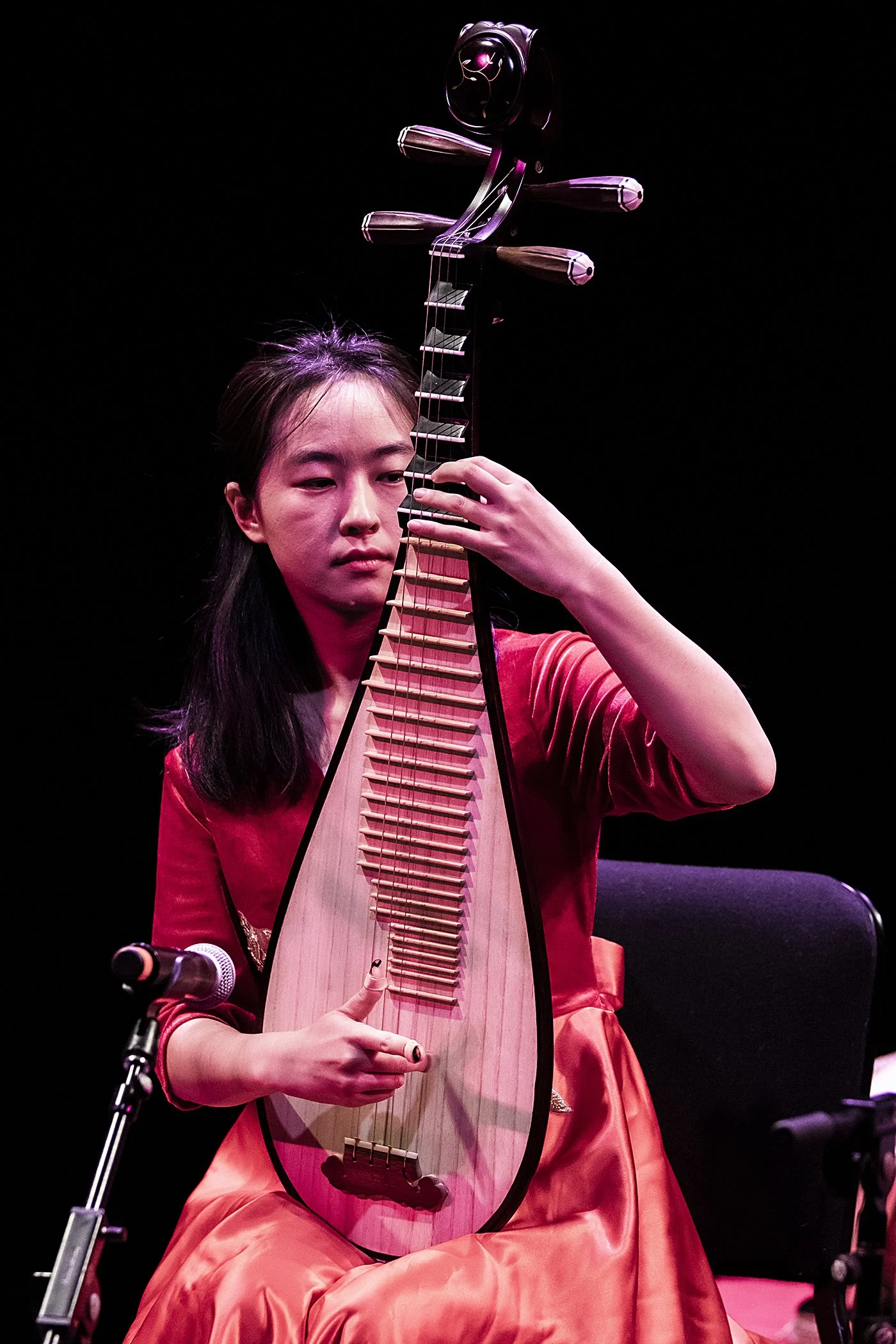
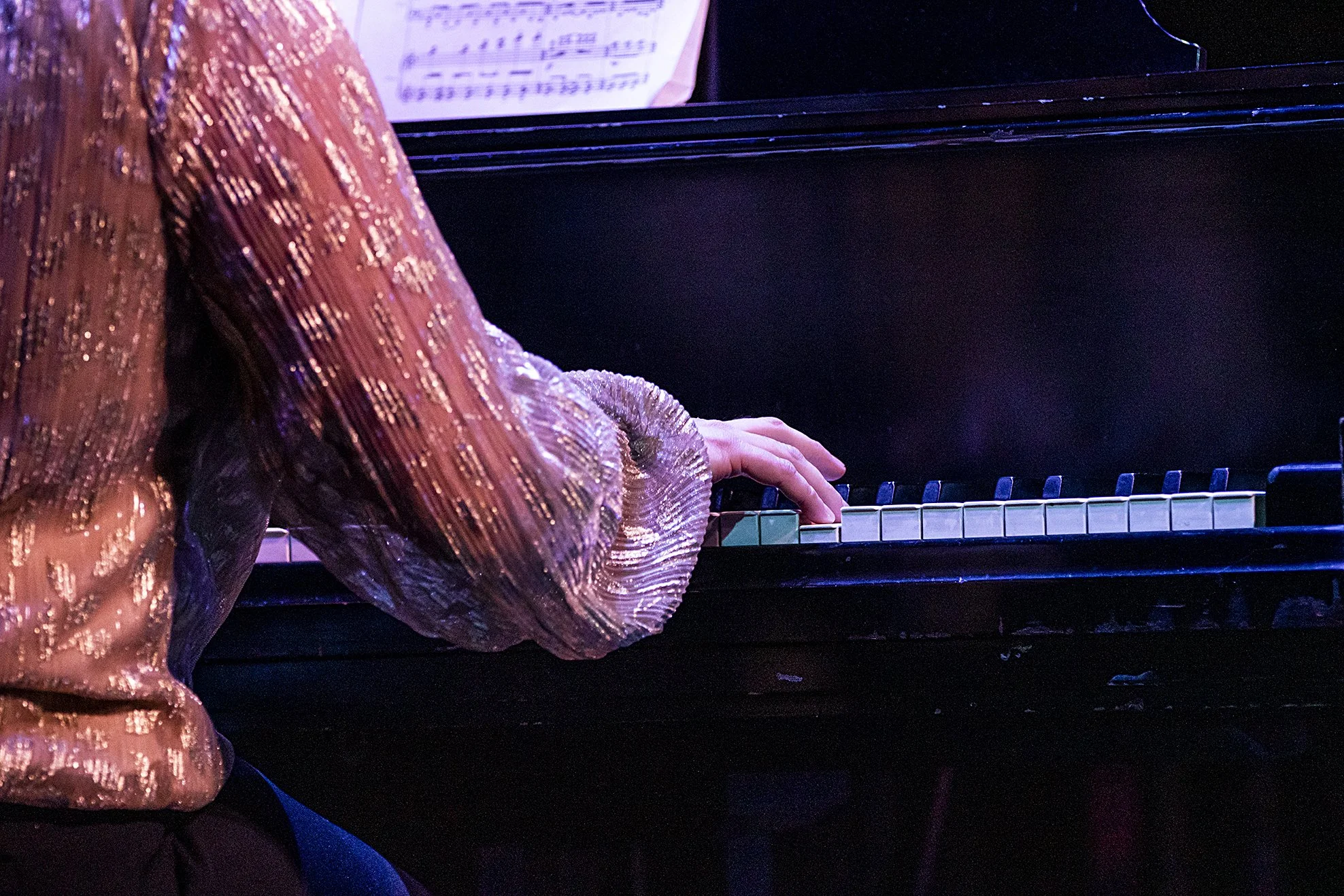
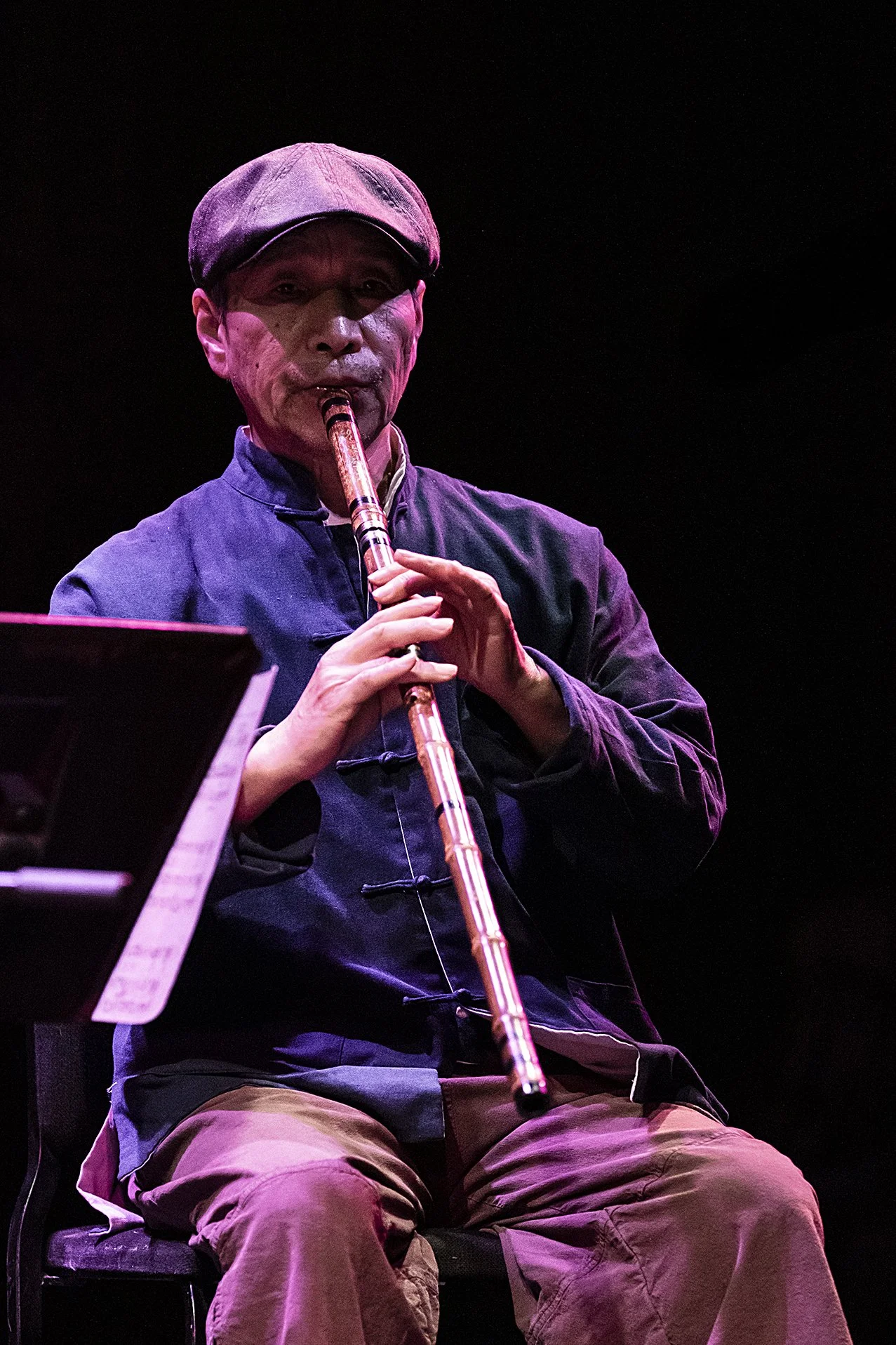
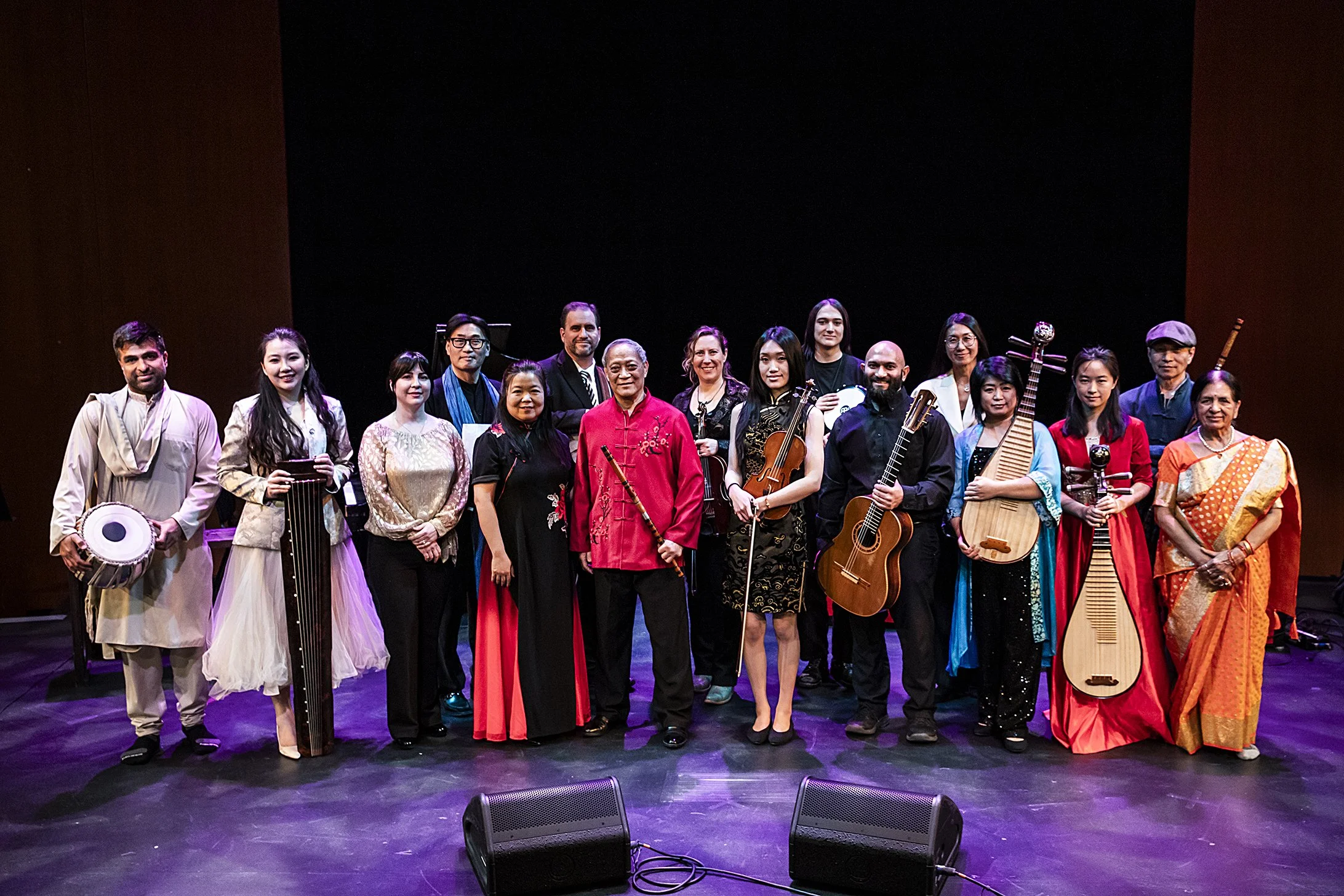
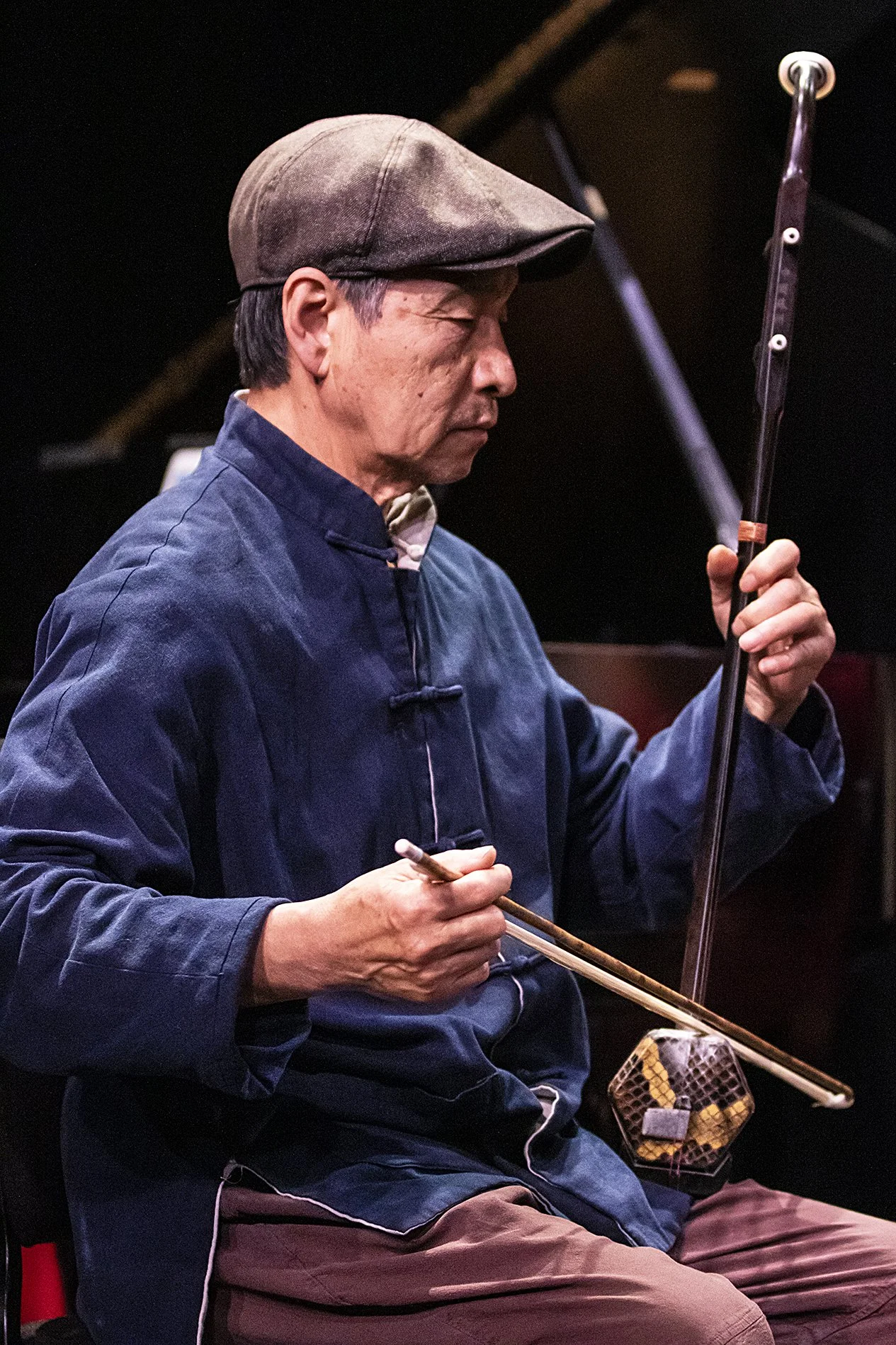
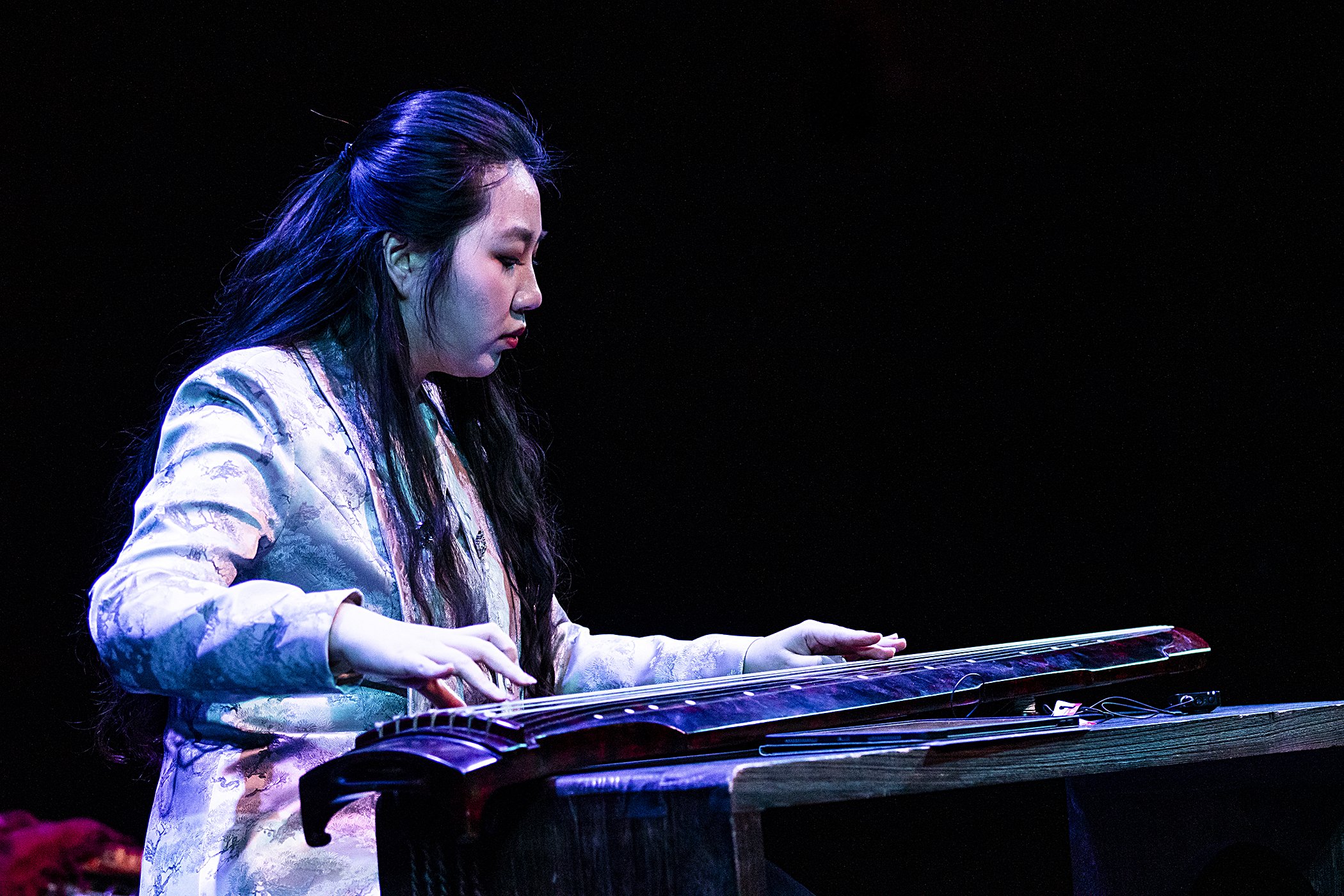
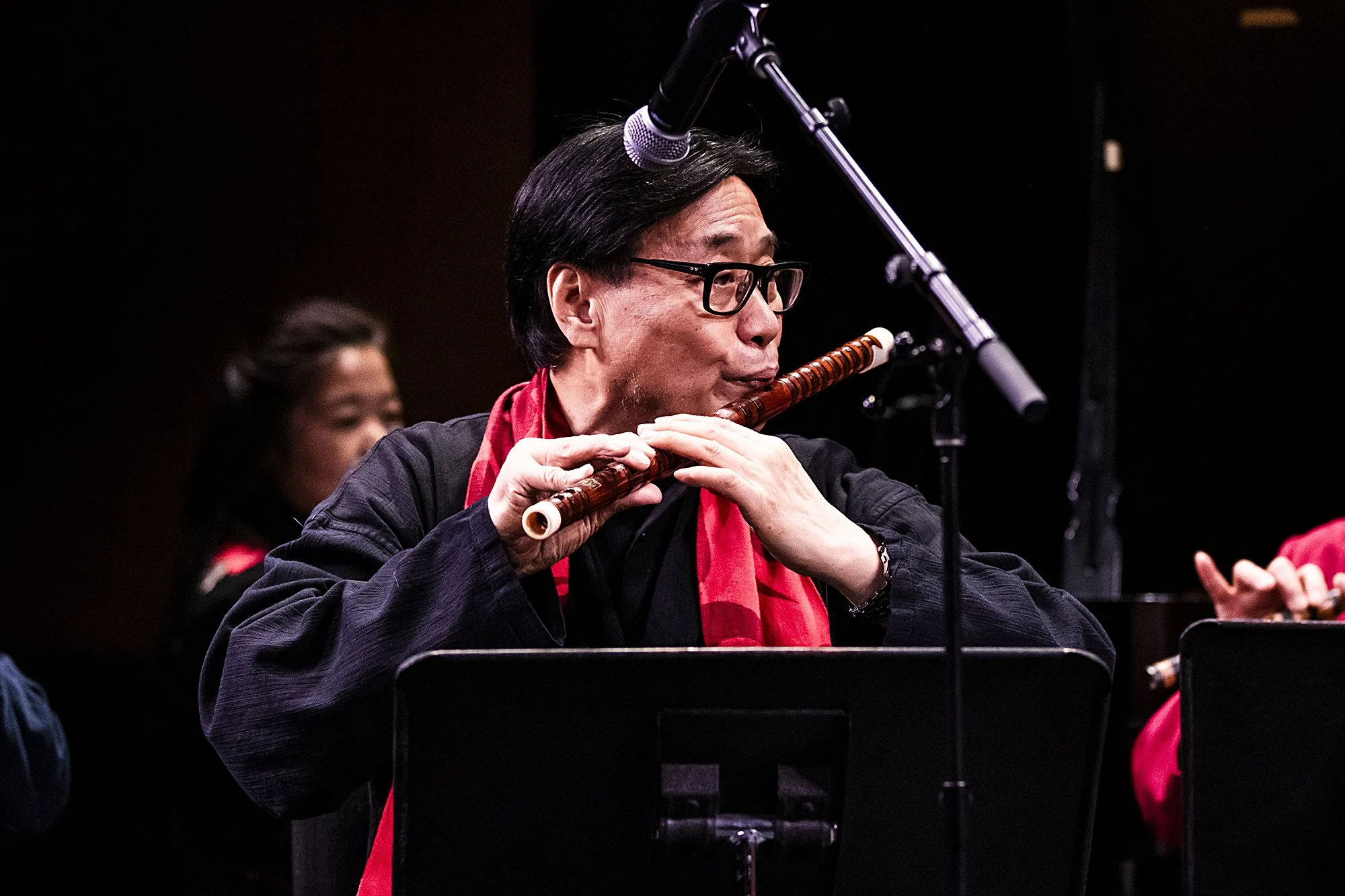
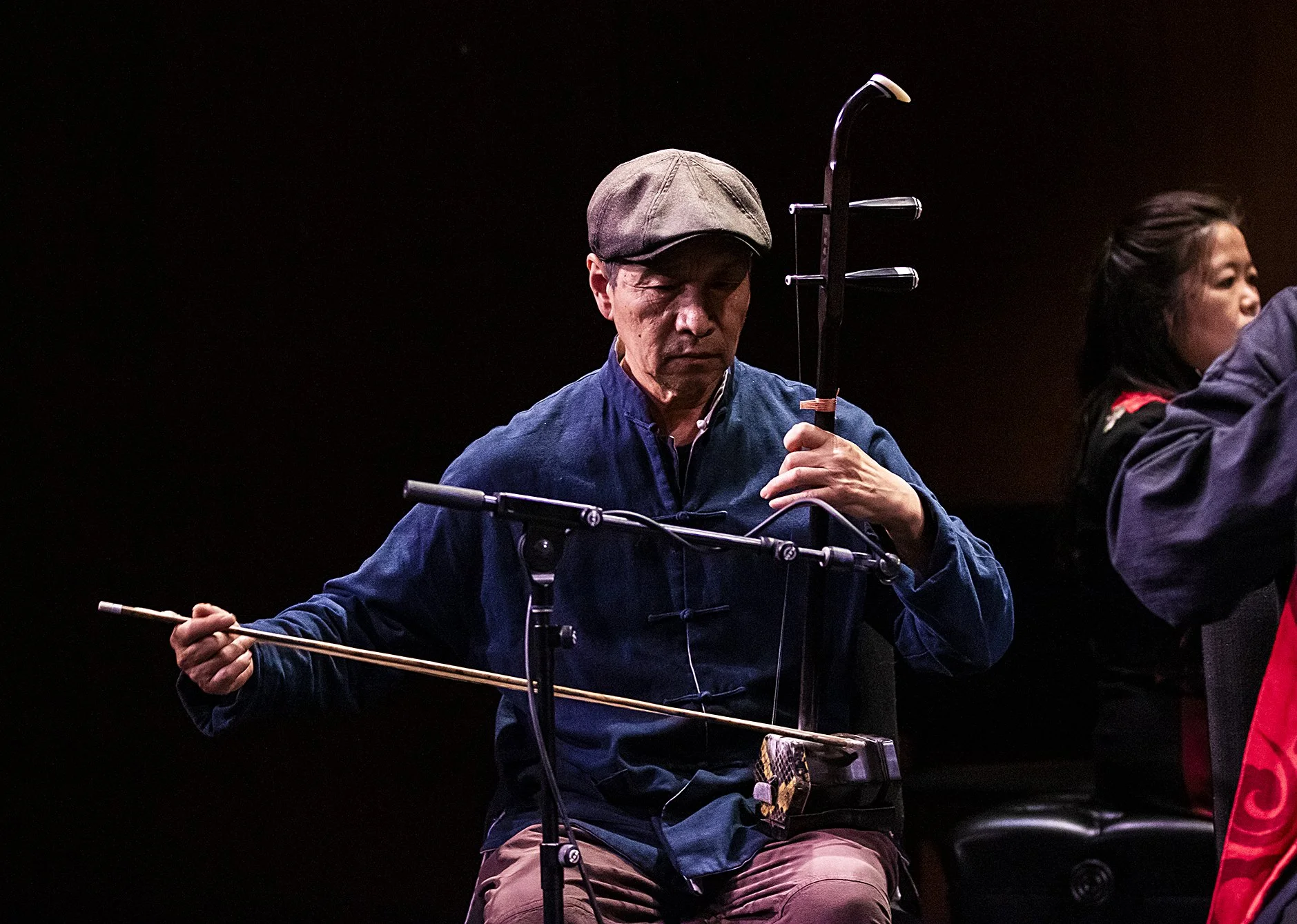
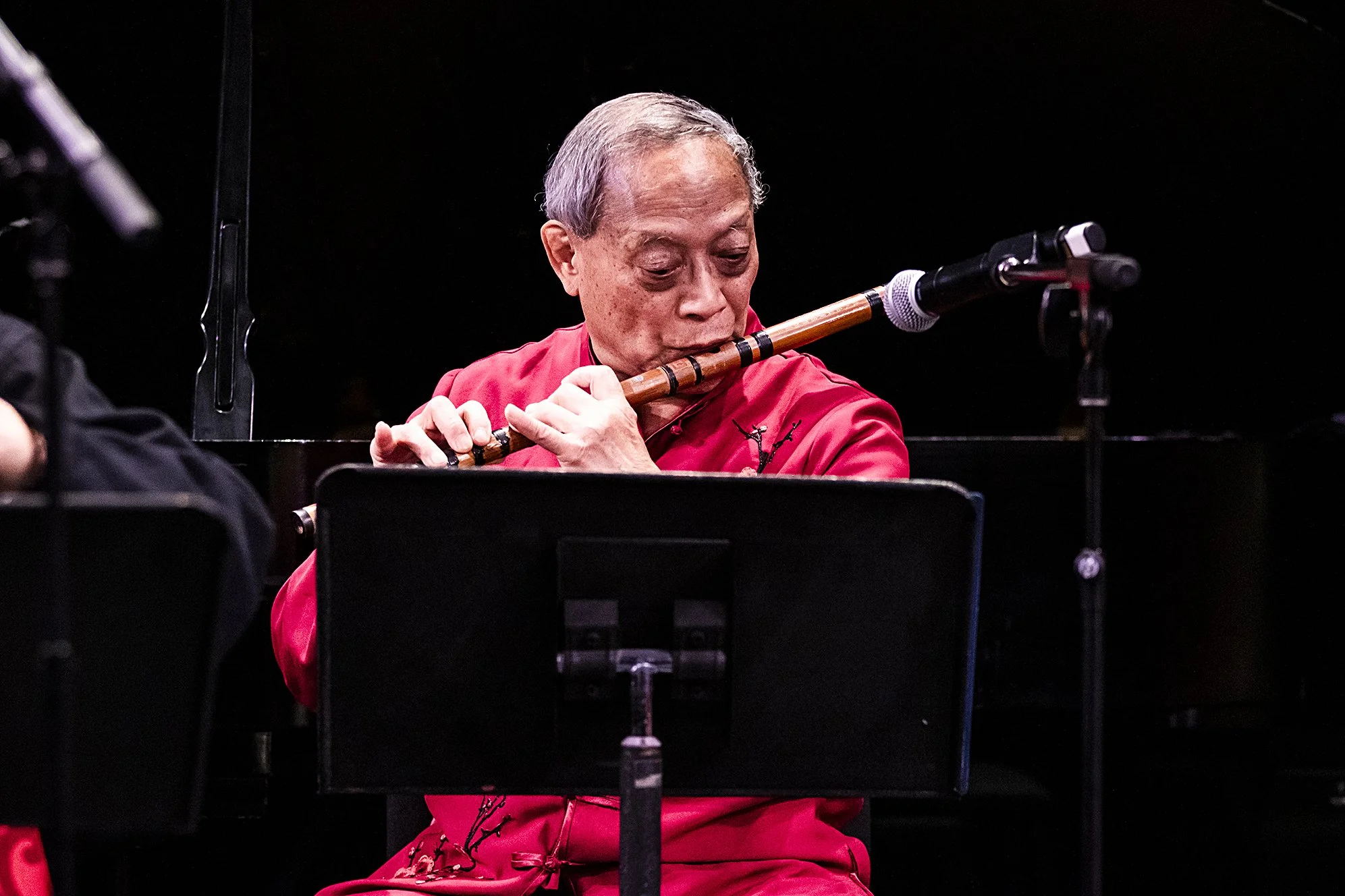
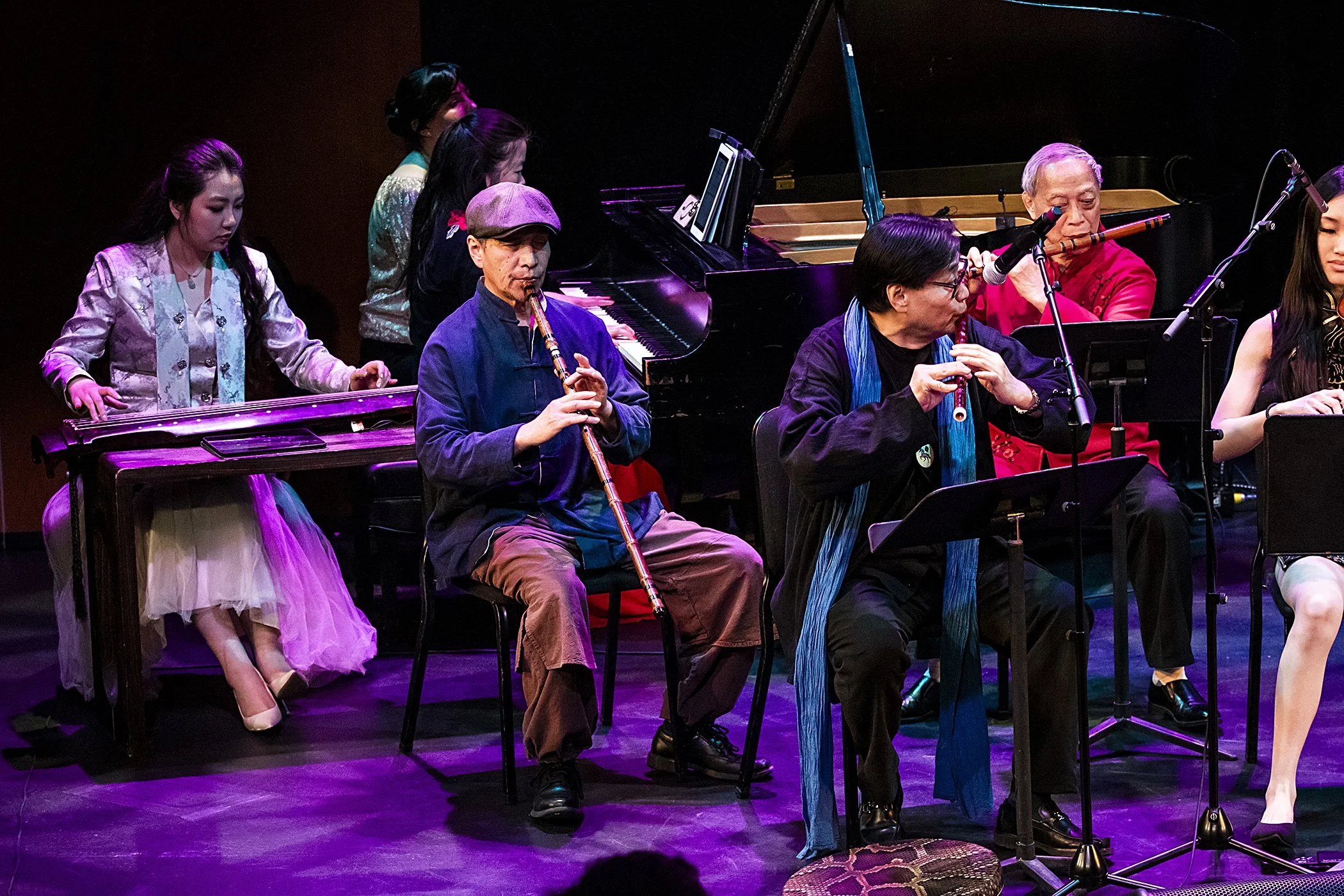
Dialogue was a set list of rotating local musicians, with each performance showcasing seldom heard instruments in the west and their skilled musicians. Audiences saw instruments such as the dizi (bamboo flute), pipa (Chinese lute), xiao (Chinese flute), guqin, duduk, tabla, sitar, as well as other familiar instruments like the banjo, piano, guitar, and violin.
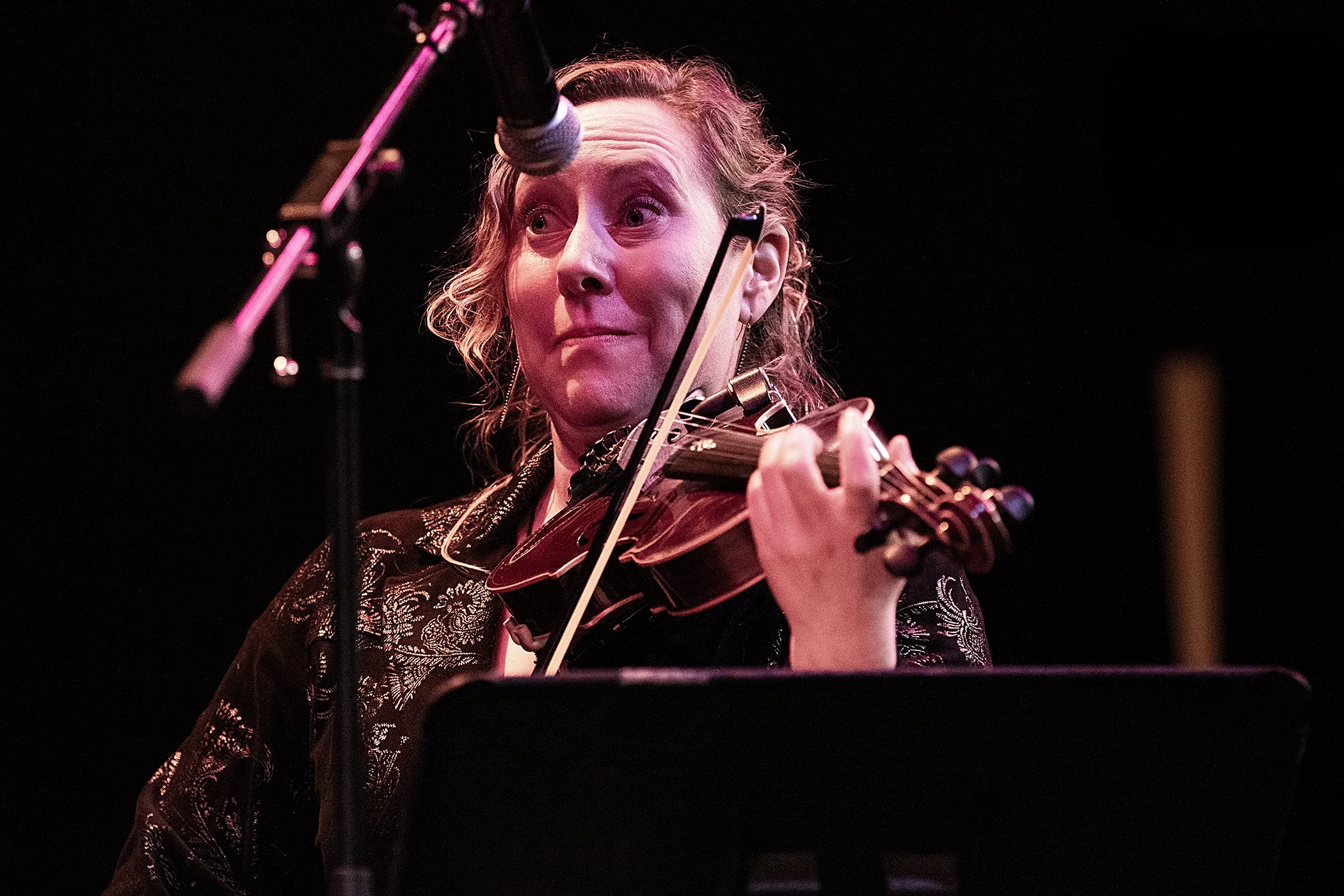
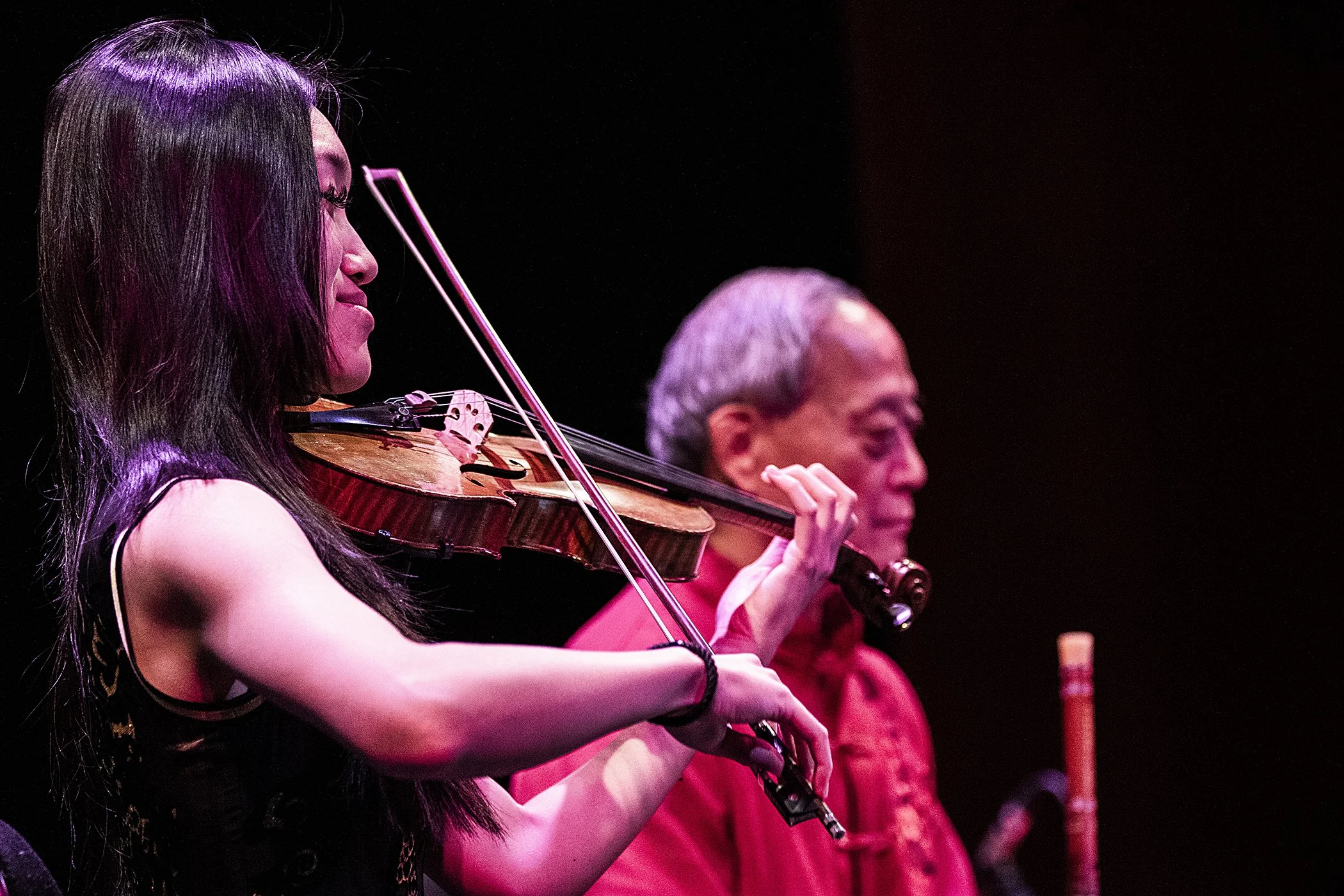
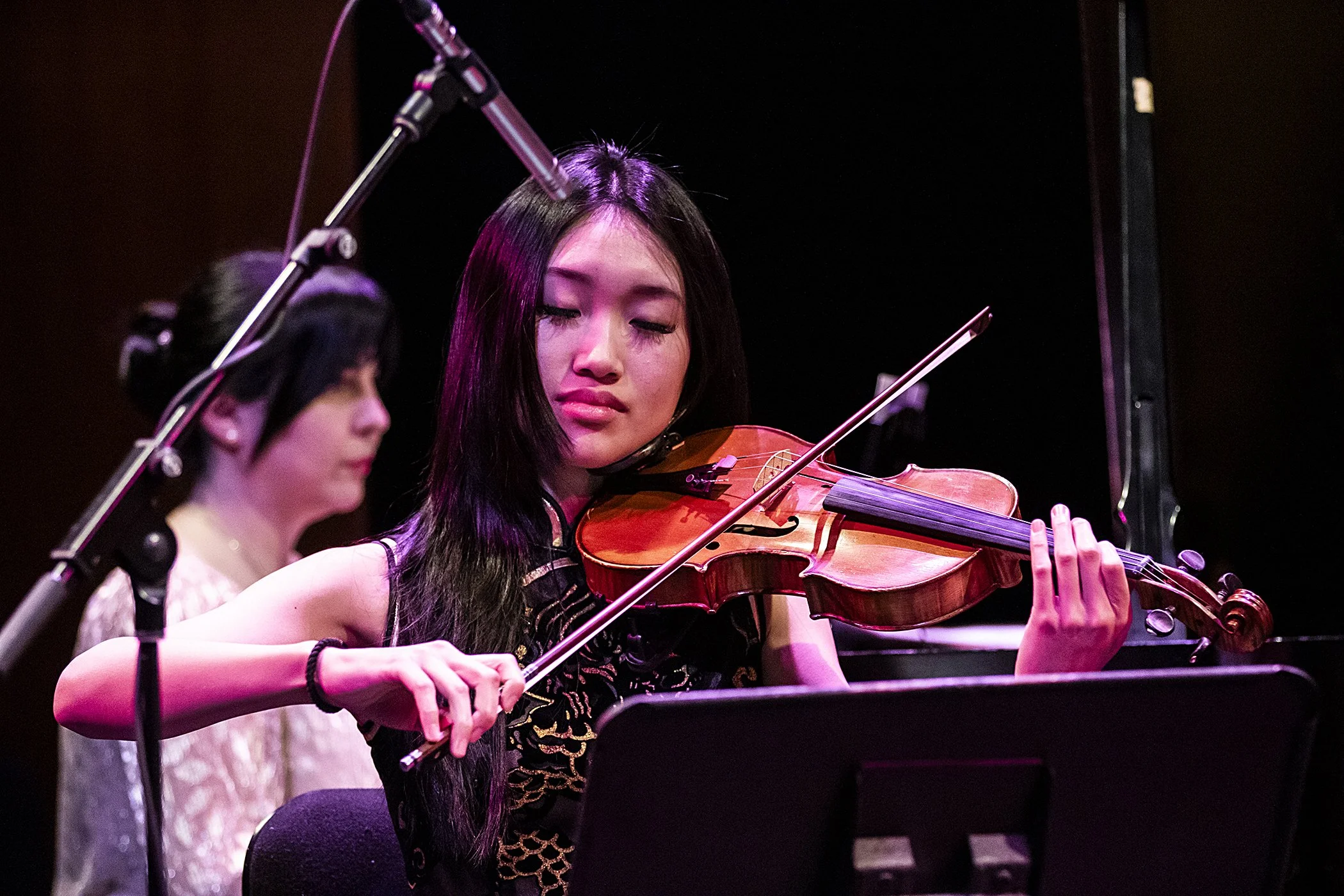
Each selection on the set list carried life with it, and not just in the stories officially assigned to them. The program began with “Bu Bu Gao” (“Step by Step Higher”), led by flutist Yimin Miao, a light and spirited piece that made it easy to imagine yourself browsing a market on a spring day. The classic folk song “Mo Li Hua” (“Jasmine Flower”), with violinist Elvina Liu, made it equally as possible to almost feel the delicate petals brushing your skin as they fluttered past in the wind.
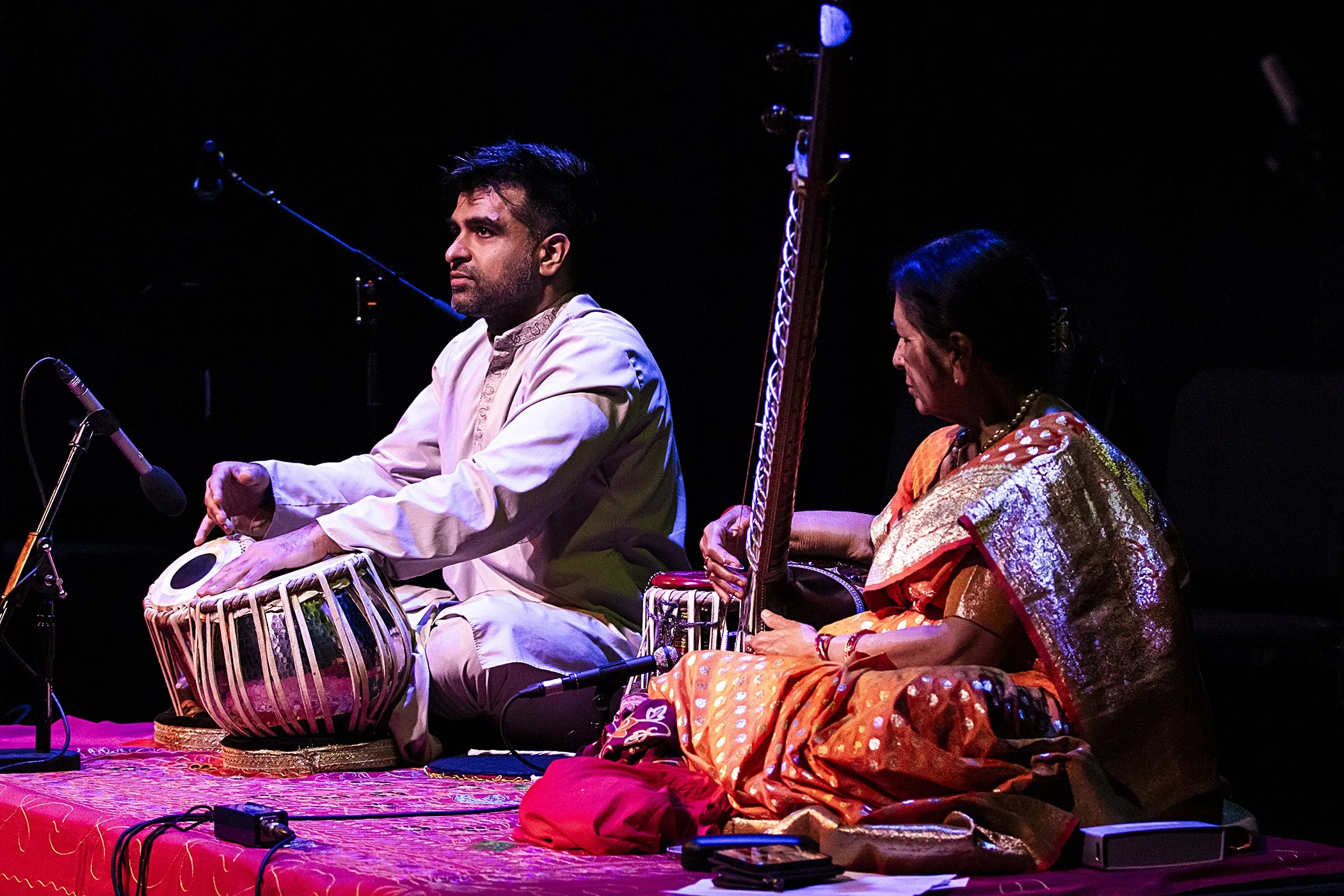
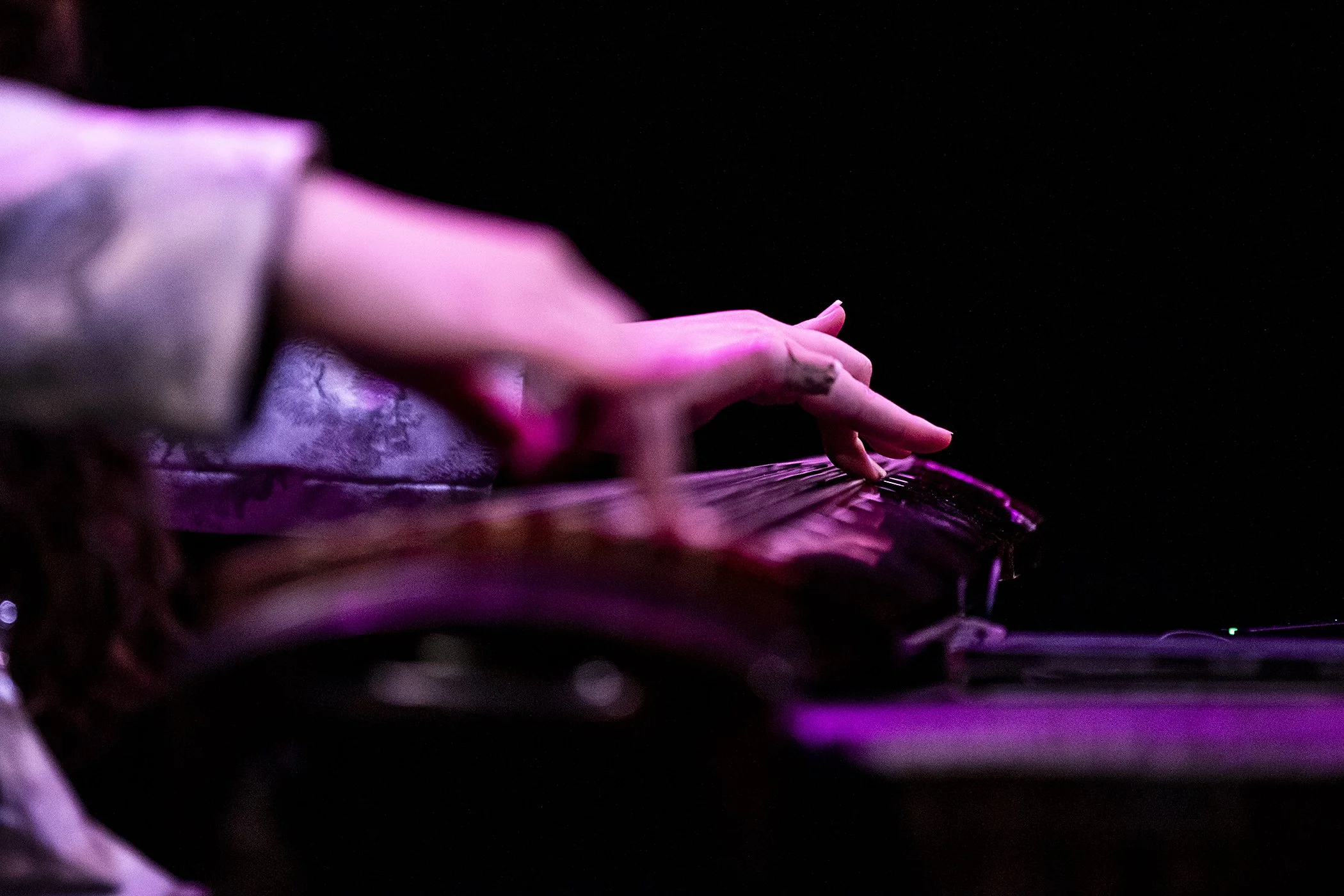
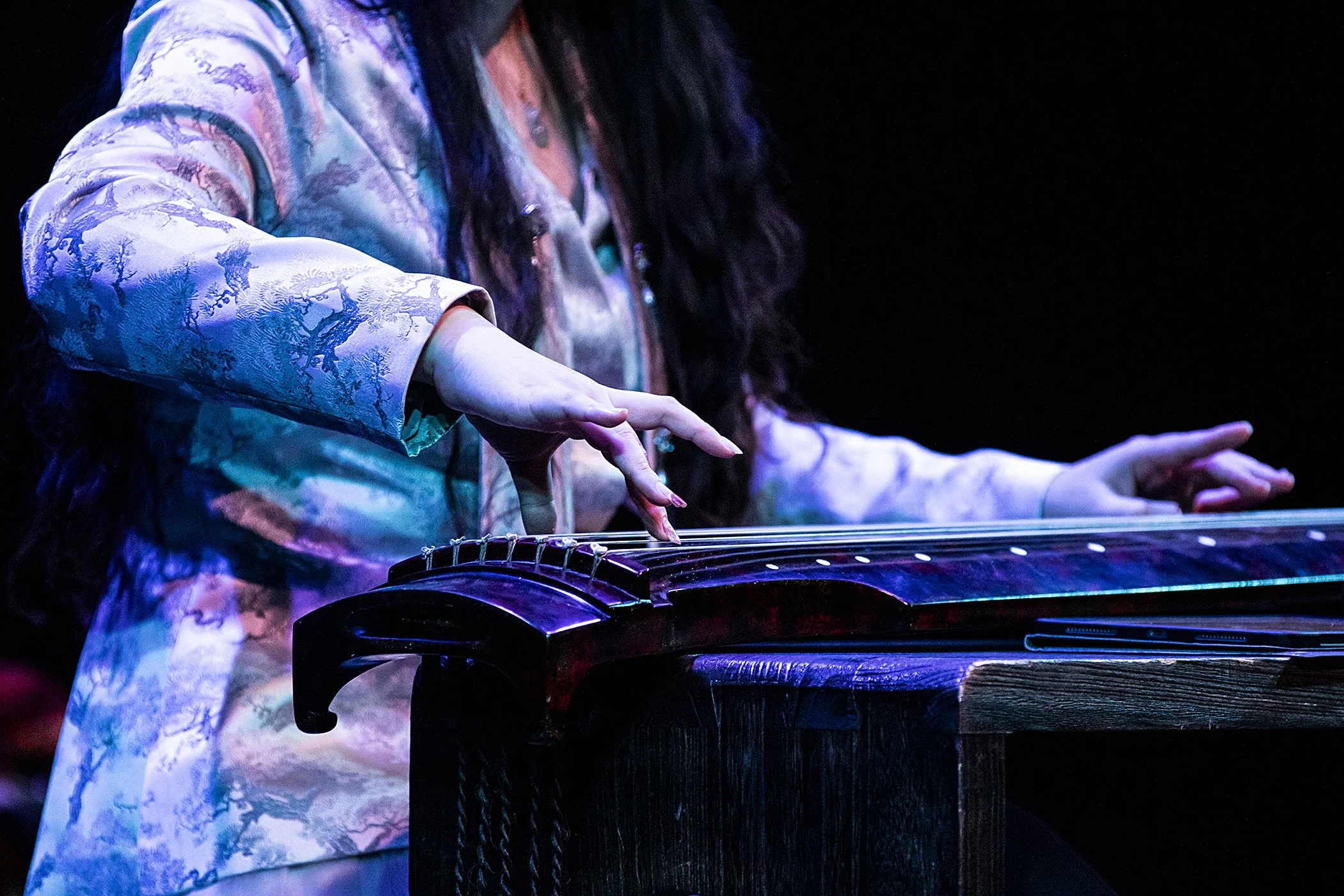
Spring was a common theme throughout the production, with other seasonal pieces such as “The Picture of Autumn Cattail and Hibiscus,” “Three Variations on Plum Blossom” (a celebration of the late winter Chinese flower and highlighting the prowess of accomplished guqin musician Wenrui Shi), “Spring Along the Silk Road” with Devesh Chandra on tabla, “Spring Breeze Across the Desert” (also featuring a powerful guqin solo from Shi) and Renjie Song on the duduk, an ancient reed instrument from Armenia.
“Liang Zhu” (“The Butterfly Lovers”) was another standout piece. An arrangement derivative of the 1959 Butterfly Lovers Concerto, the piece unfolds the story of the Chinese folk tale, pulling every heart string and nearly pulling tears from my eyes. The marriage of the emotional violin, the xiao, and the piano, harmoniously tell the story of the tragic lovers, together only as butterflies after death and heartbreak.
There were three pieces that truly seemed to underscore the thesis of the entire afternoon — the dialogue of different cultures, spoken through the comfort of music.
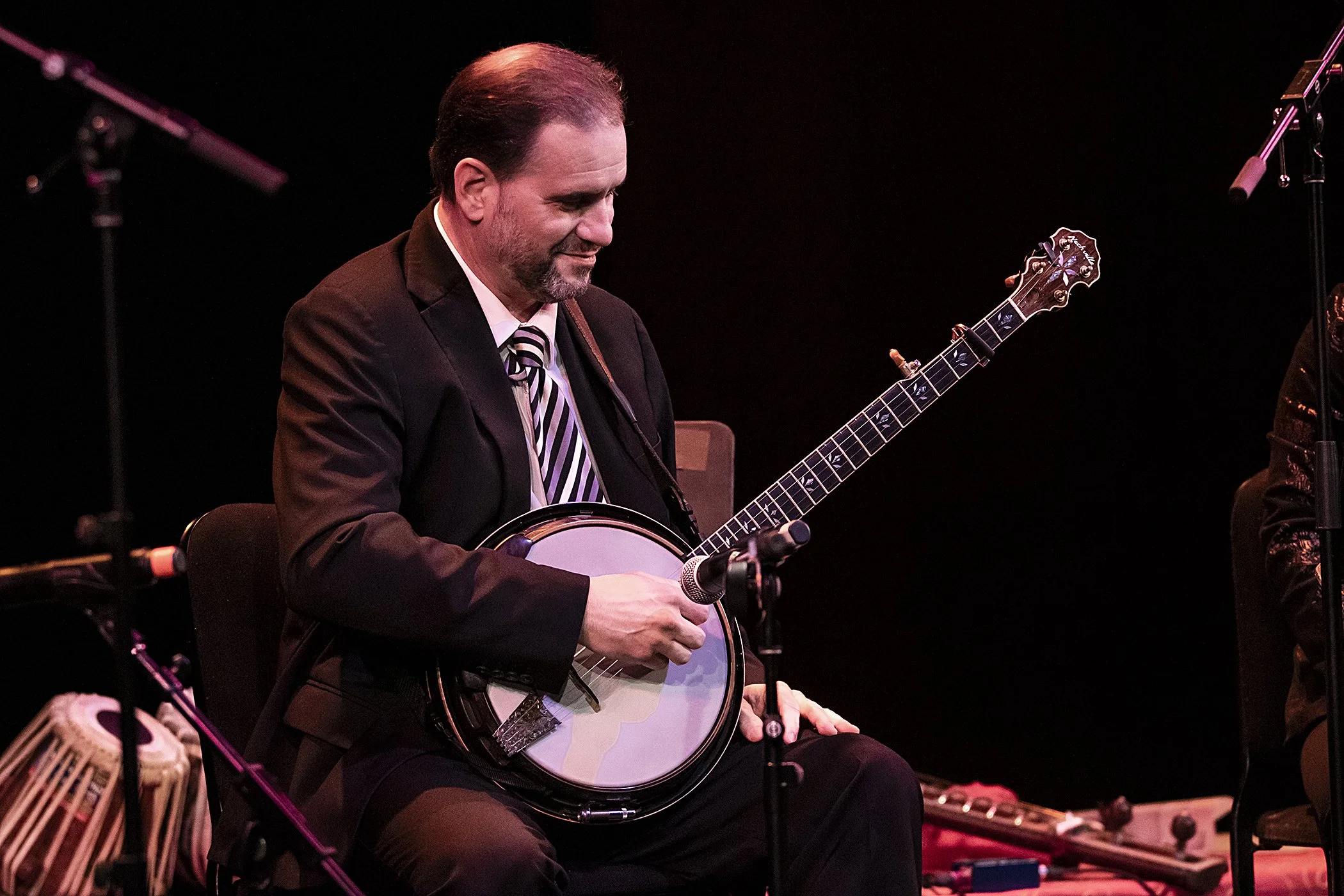
First, “Recruerdos de la Alhambra + Dance of the Yi People” with Tom Torrisi on Spanish guitar, and Zhou Yi on pipa, bringing together the sounds of 19th century Spain and the traditional music of the ethnic Yi peoples. Then, a piece of Chinese-American folk fusion, with Sara Milonovich on fiddle and Scott Hopkins on Banjo. This blend of two wildly different styles — bluegrass and Chinese folk — worked exceptionally well.
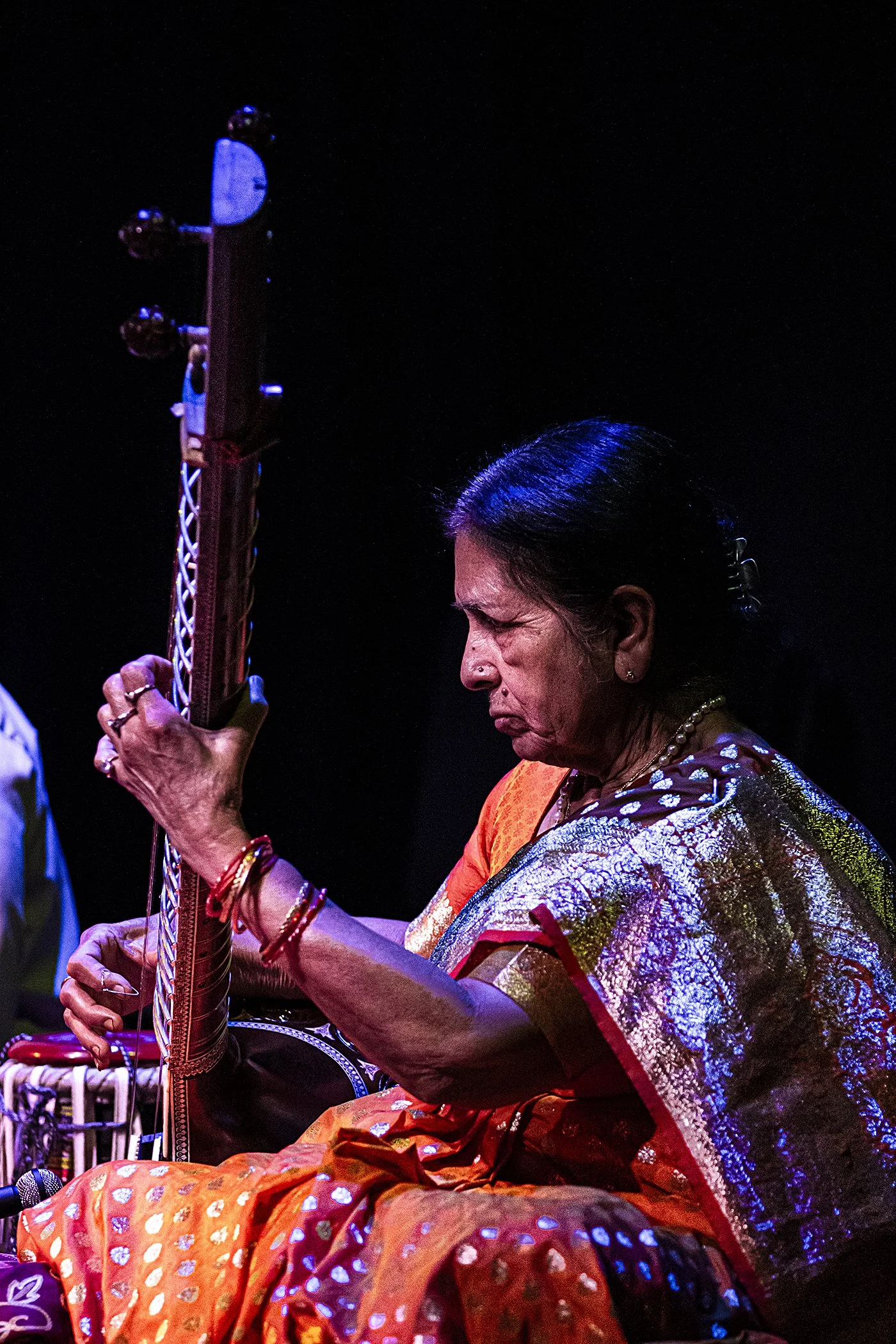
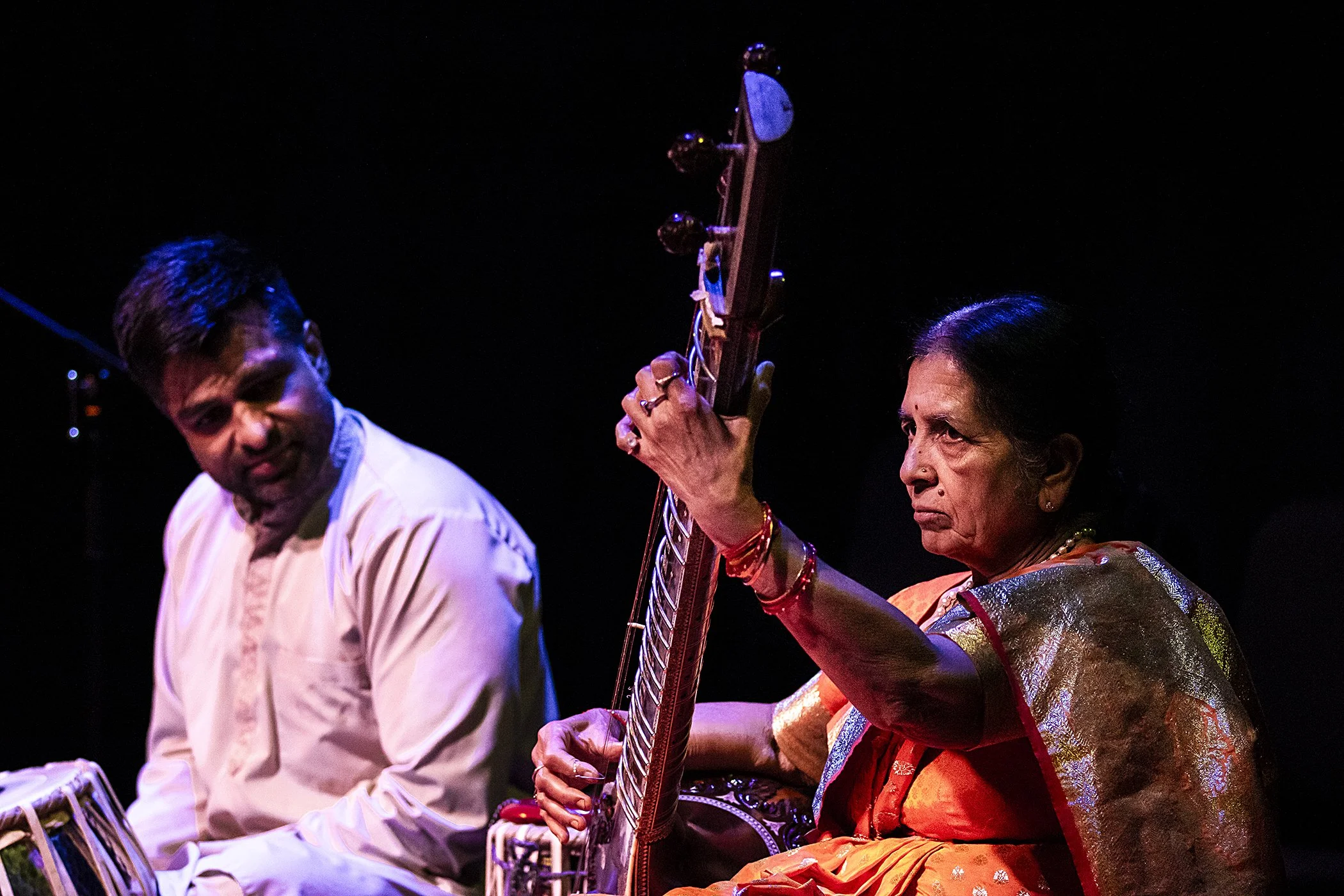
The audience was also treated to an original piece by Veena Chandra (sitar), blending together the sounds of the Indian peninsula and China. This composition featuring the tabla, sitar, pipa, and dizi was a beautiful fusion of two very different styles, but each was allowed to shine on its own merit.
The afternoon concluded with a jam session, with each accomplished musician on stage energetically improvising alongside each other in a musical discussion that needed no translation.
A performance like A Music Dialogue on the Silk Road is a necessary conversation in an increasingly divided world. Music needs no words to convey the stories of humanity. It needs no translation if you simply make the decision to open your ears. Wei Qin and Asian Arts New York’s program is the perfect place to begin the transcultural conversation.
Musicians: Zhou Yi, Yimin Miao, Xiaoan Dong, Renjie Song, Thomas Torrisi, Willow Melton, Wenrui Shi, Hayarpi Daylan, Wenrui Shi, Jiangnan Liu, Elvina Liu, Sara Milonovich, Scott Hopkins, Davesh Chandra, Daisy JungTzu Lin and Veena Chandra