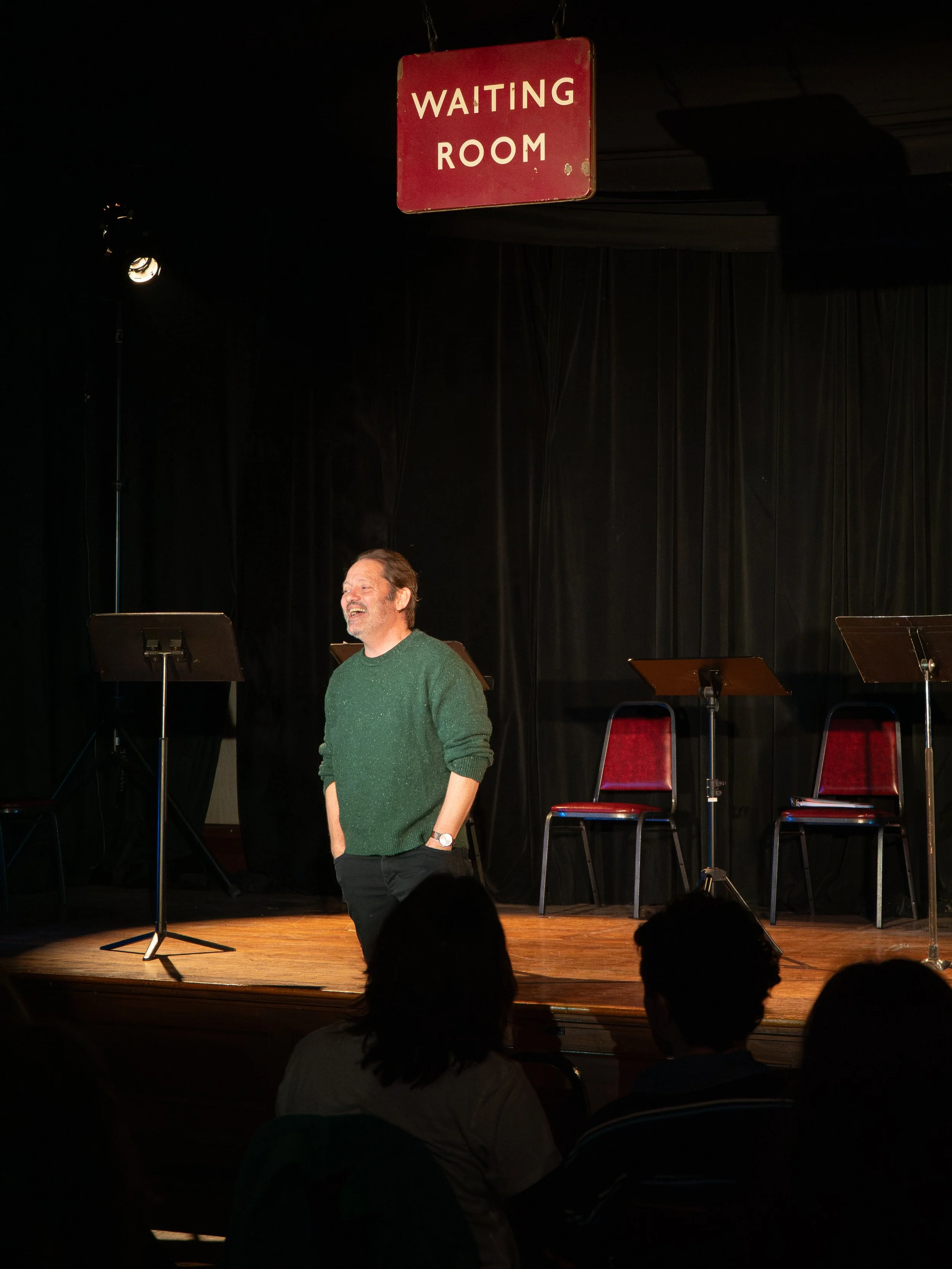
10/29 @ The Waiting Room, Troy
Photos by Morgan Minear
“I was moved by the play’s consideration of how family dynamics can sometimes rub against survival instincts.”
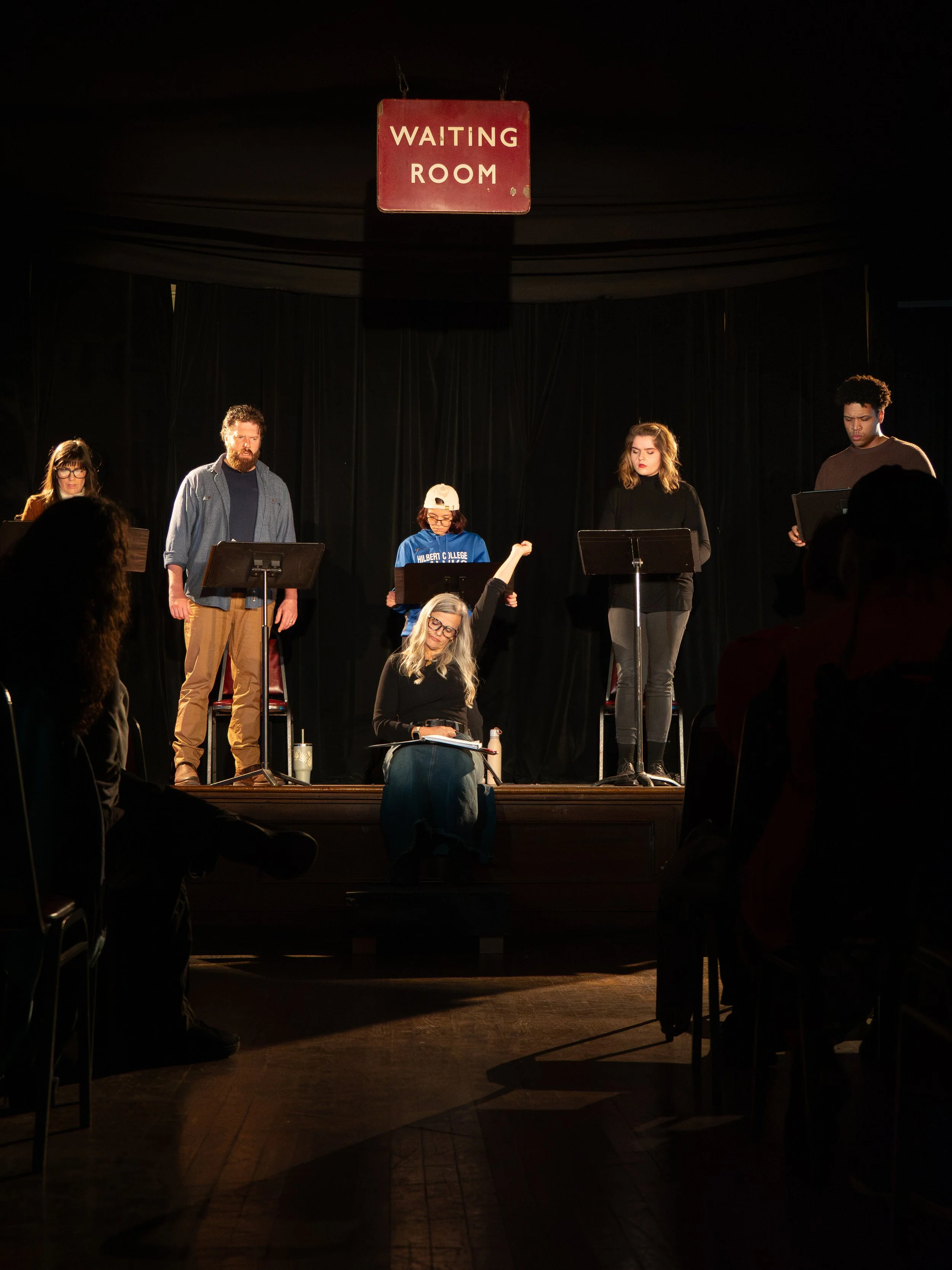
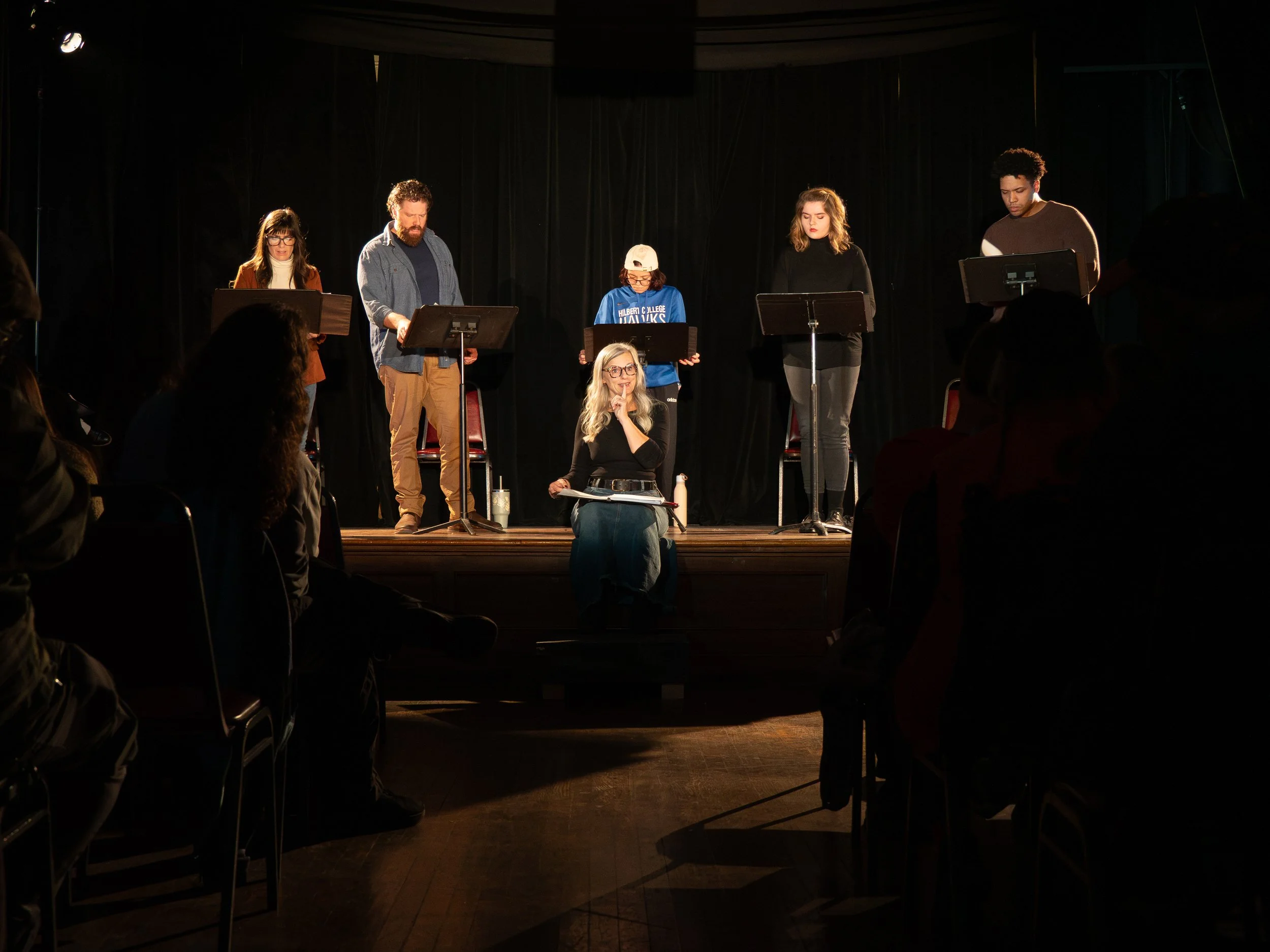
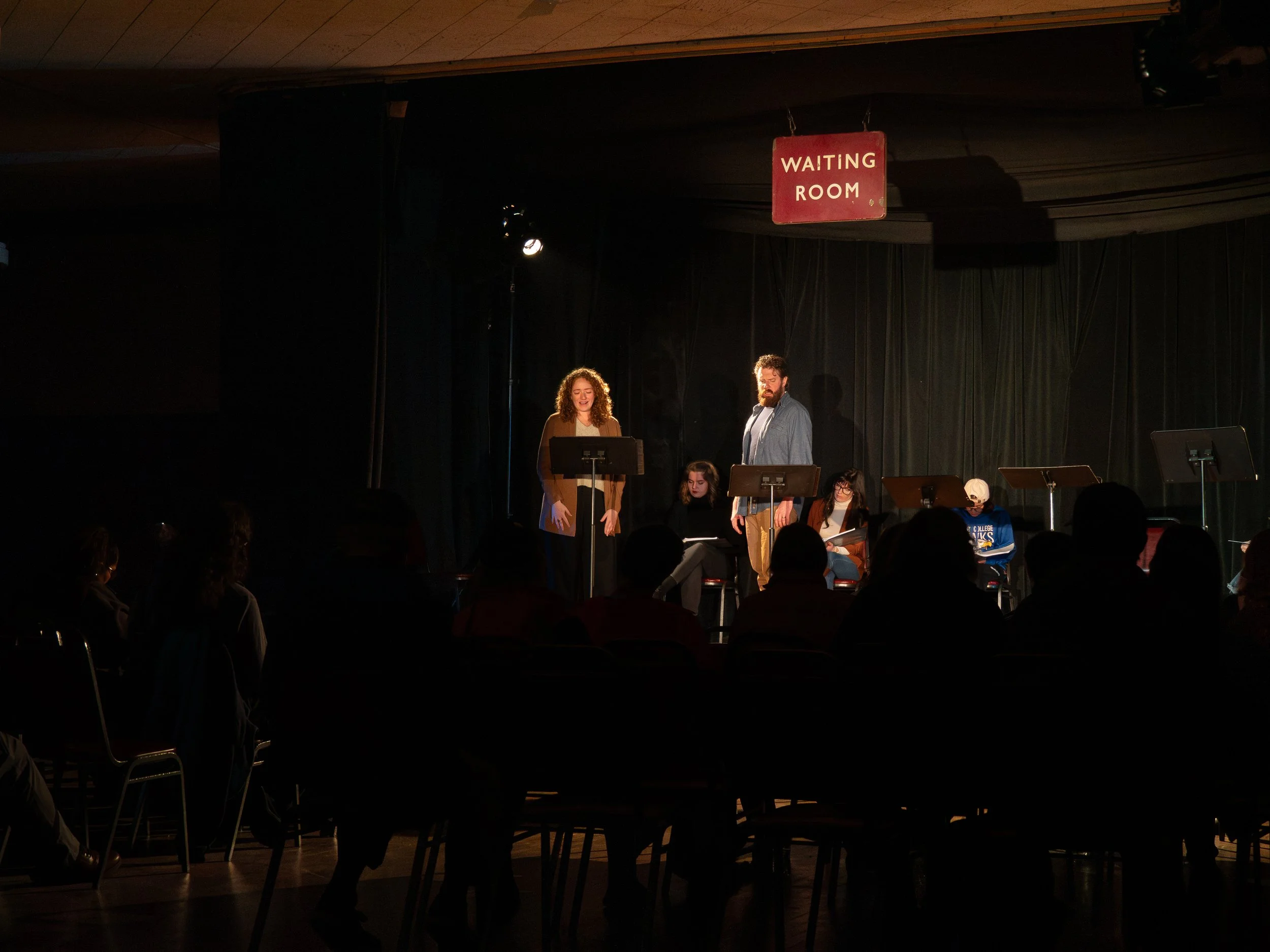
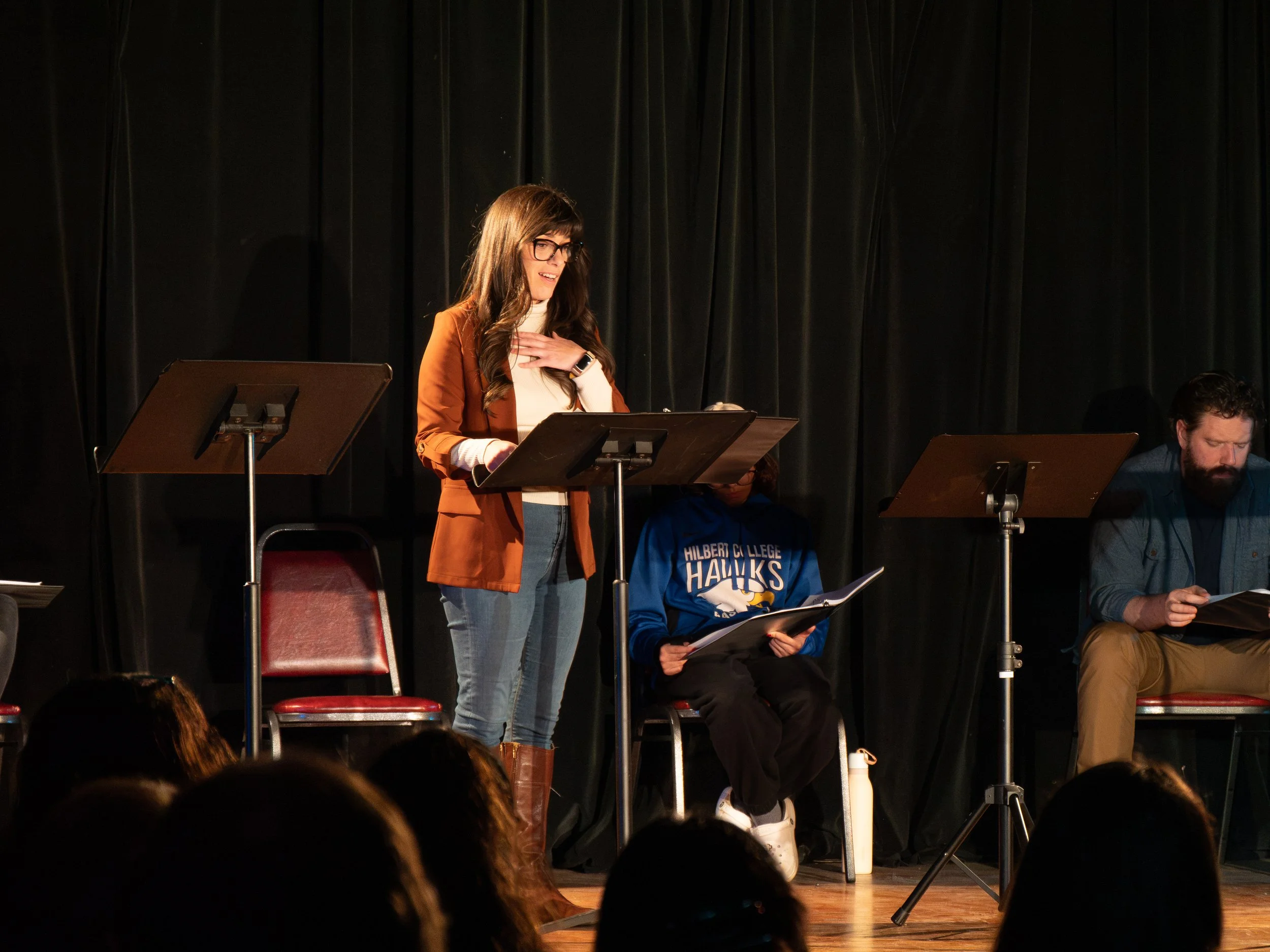
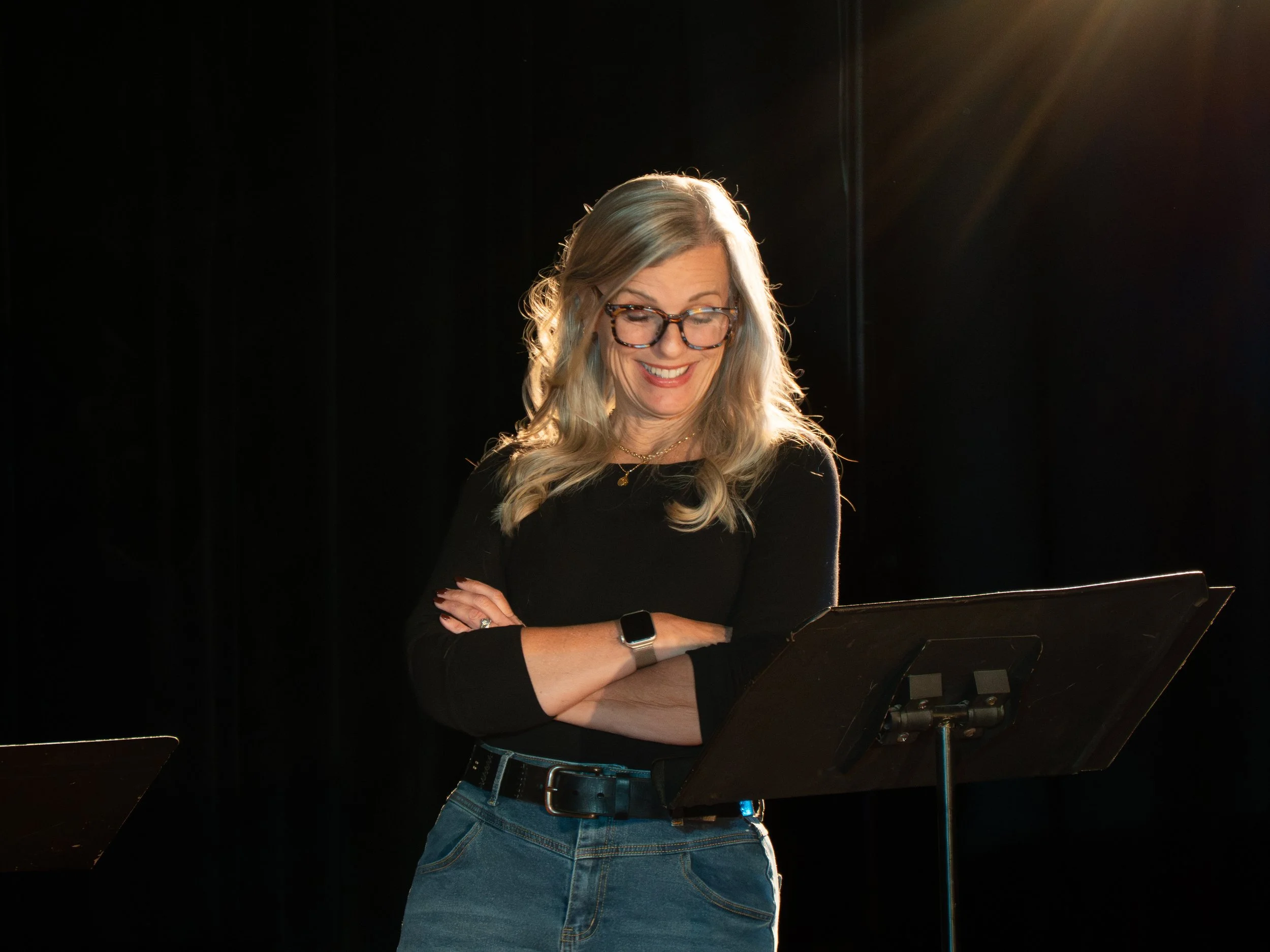
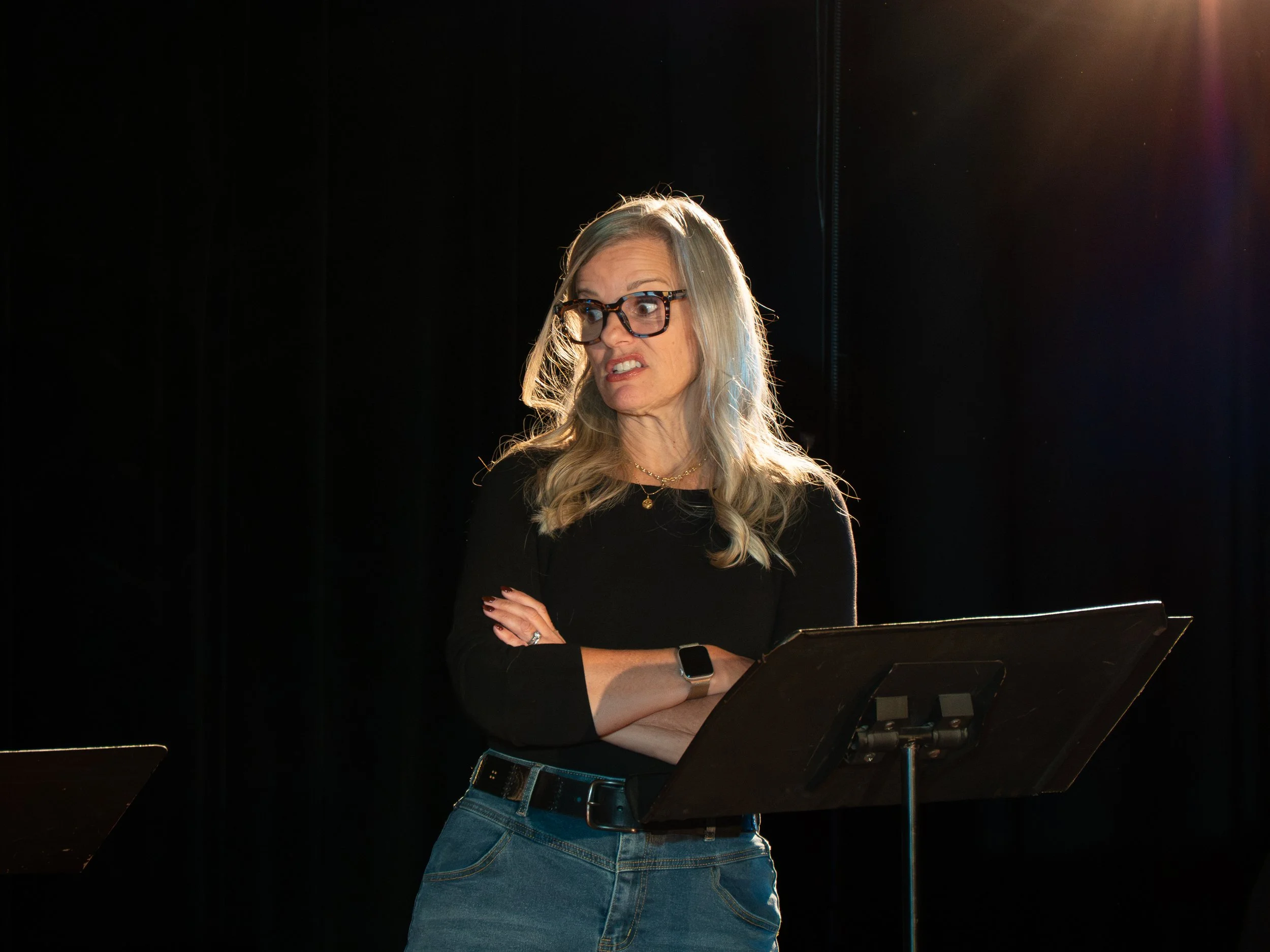
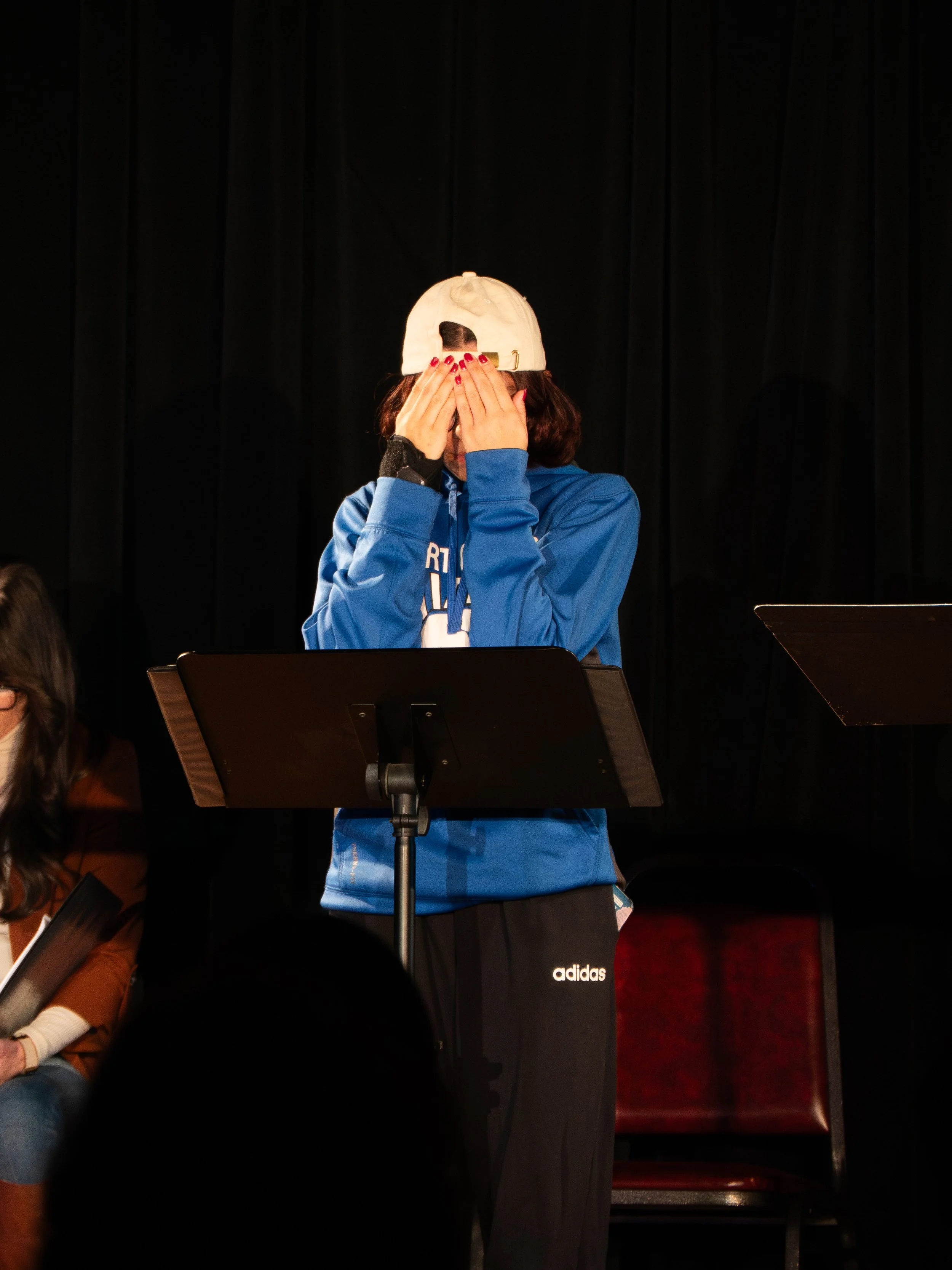
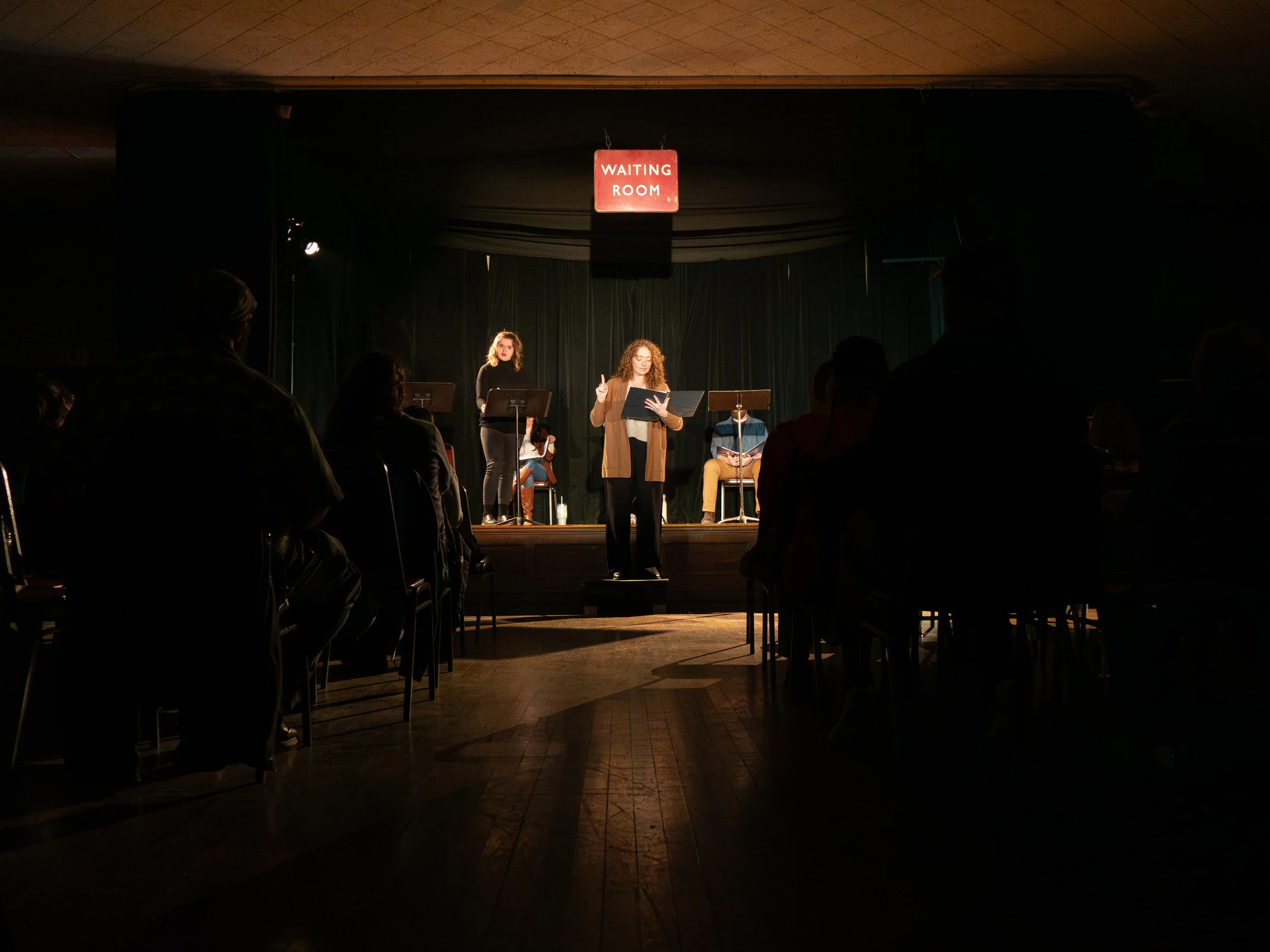
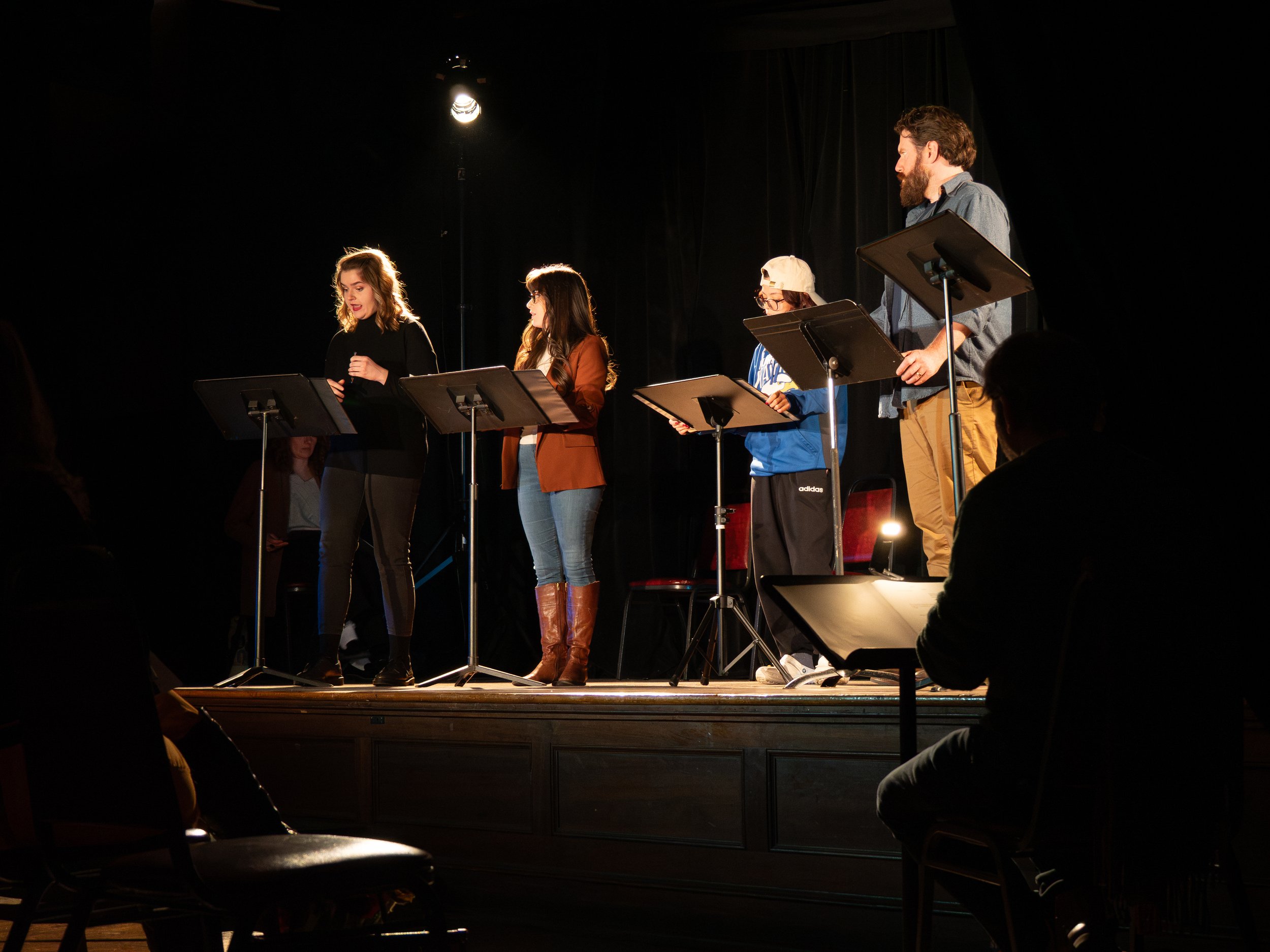
On the penultimate night of its “Half Baked Festival of Emerging Work,” Troy Foundry Theatre presented a reading of NYC-based playwright Sarah Fiete’s “The Dark on Fire” at The Waiting Room in Troy. The off-kilter dystopian play about a handful of small-town residents trying to stick it out in a slowly-sinking mansion after their now-deteriorated town was bombarded with toxic pesticide was one of five new pieces being workshopped by the experimental theatre company at this year’s festival, now in its fourth iteration.
After pushing the festival back a month to October, Troy Foundry’s artistic director, David Girard, decided to gear the call for plays toward all things horror. The more-than-400 submissions were a blend of psychological thrillers, A24-type slow burns, and supernatural tales. Fiete’s “The Dark on Fire,” a play she’s been workshopping since 2011, found its sinister tone by anchoring itself to a plausible real-life scenario, exploring an overarching theme of The Government versus The People. Because of this, the show brought a particular gravity to the evening, especially in the context of the upcoming midterm elections.
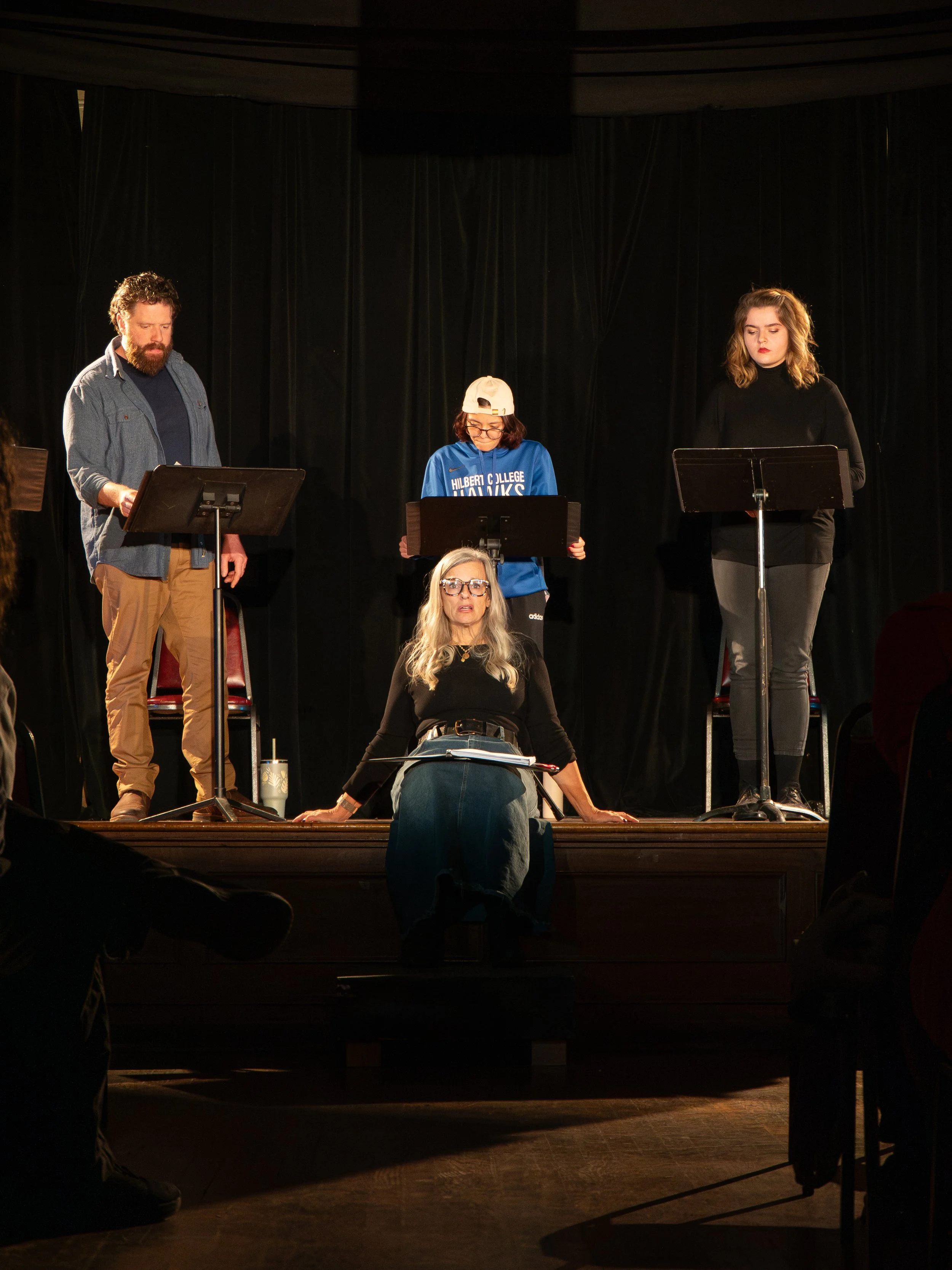
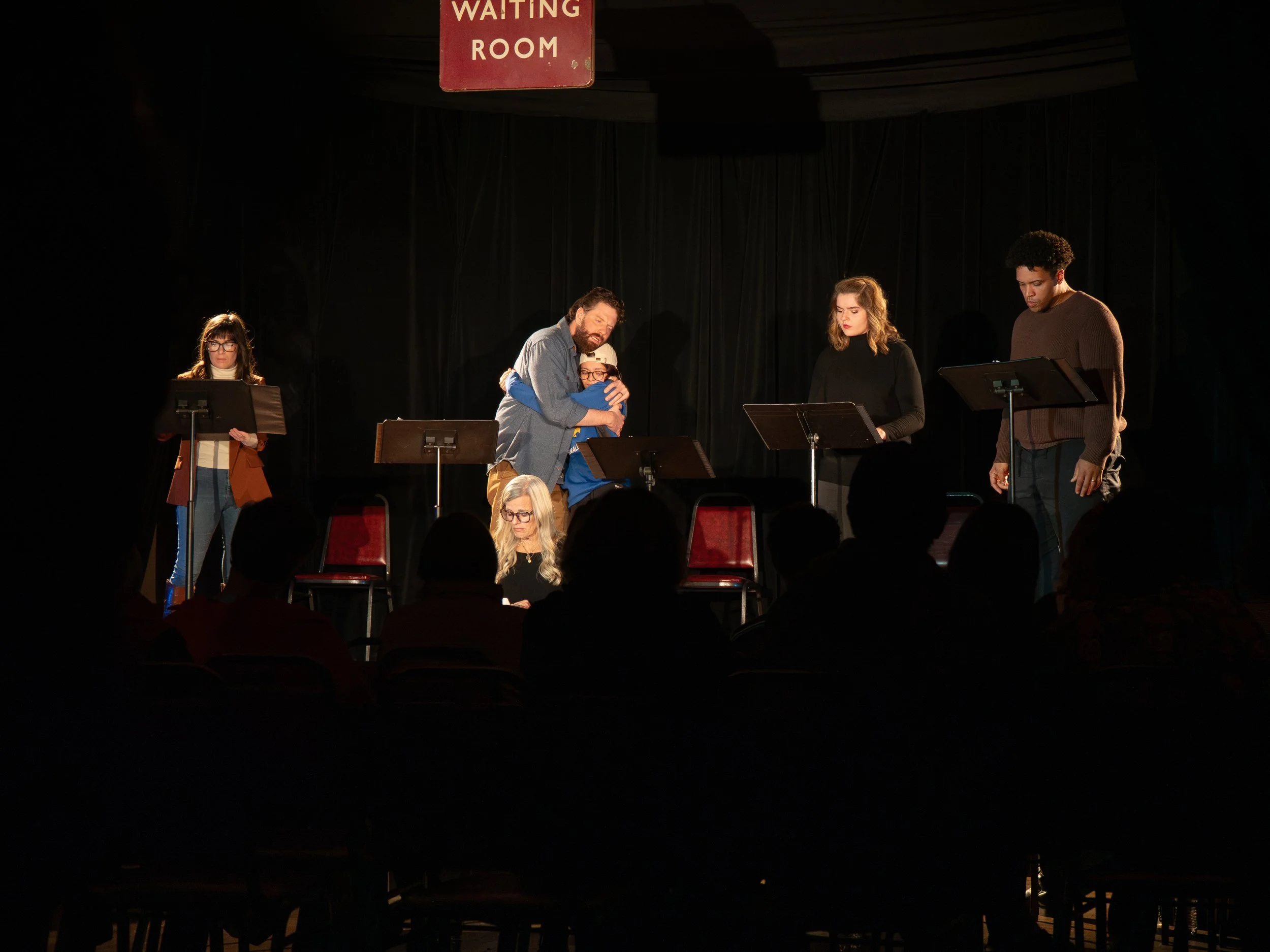
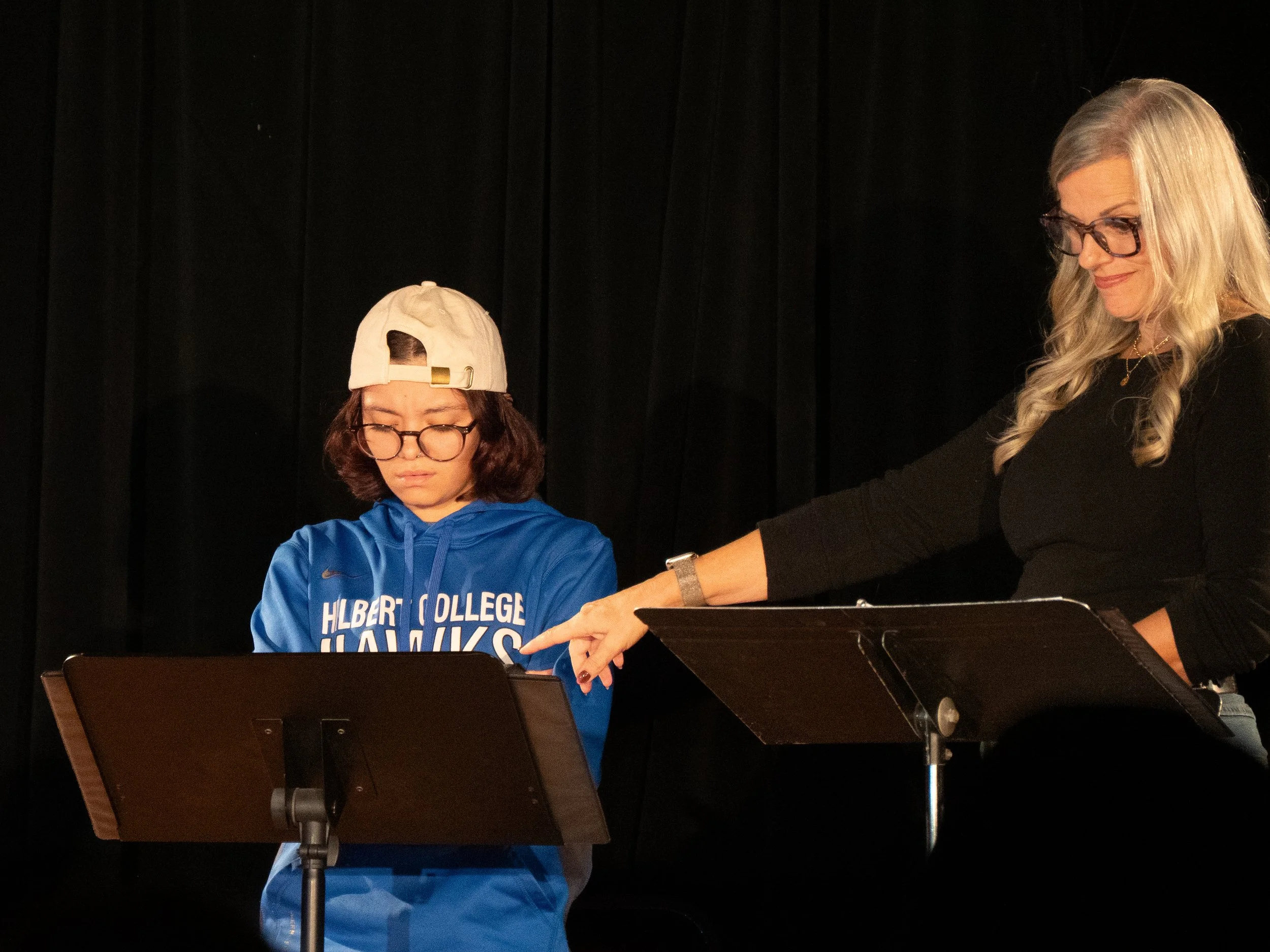
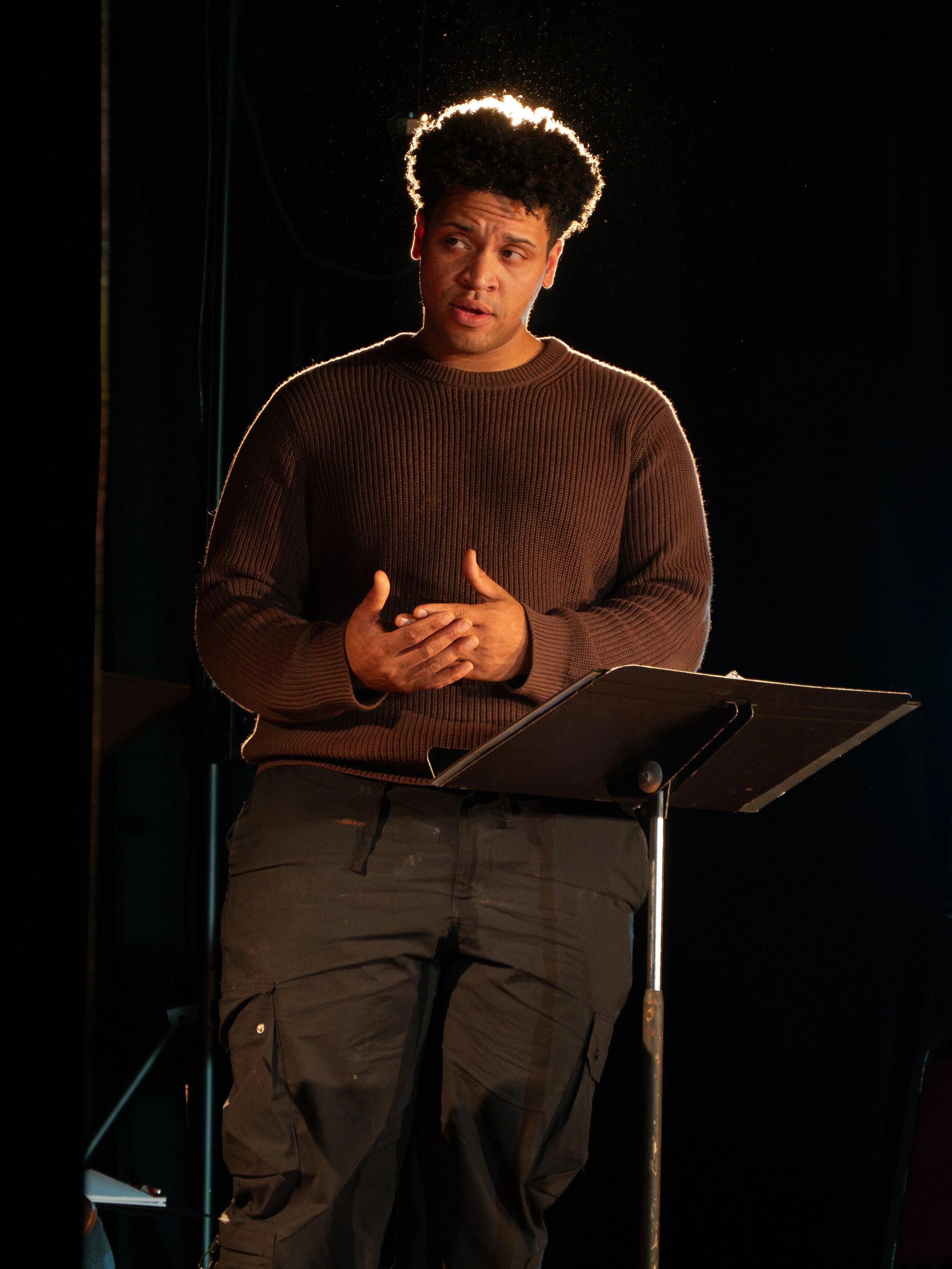
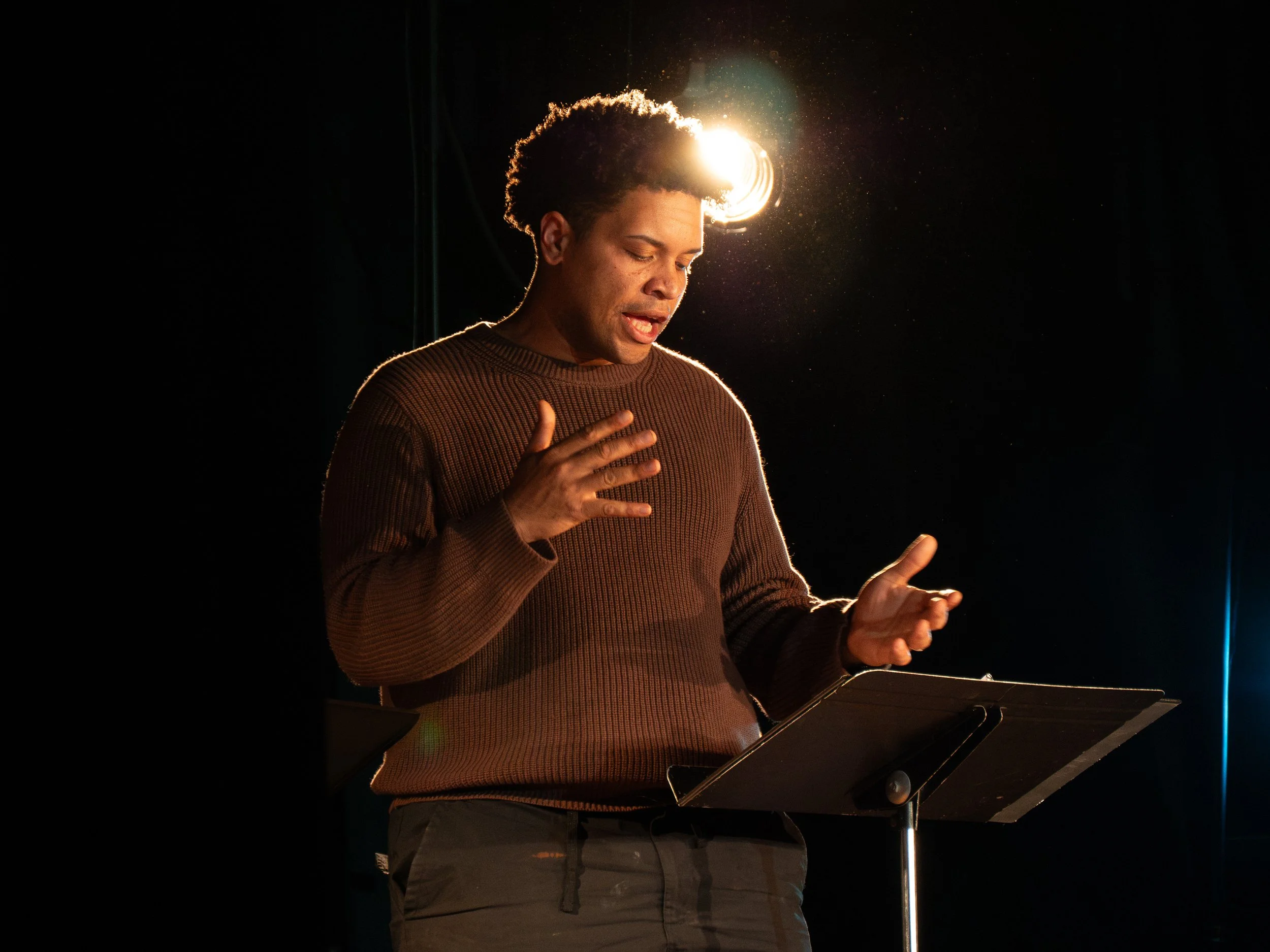
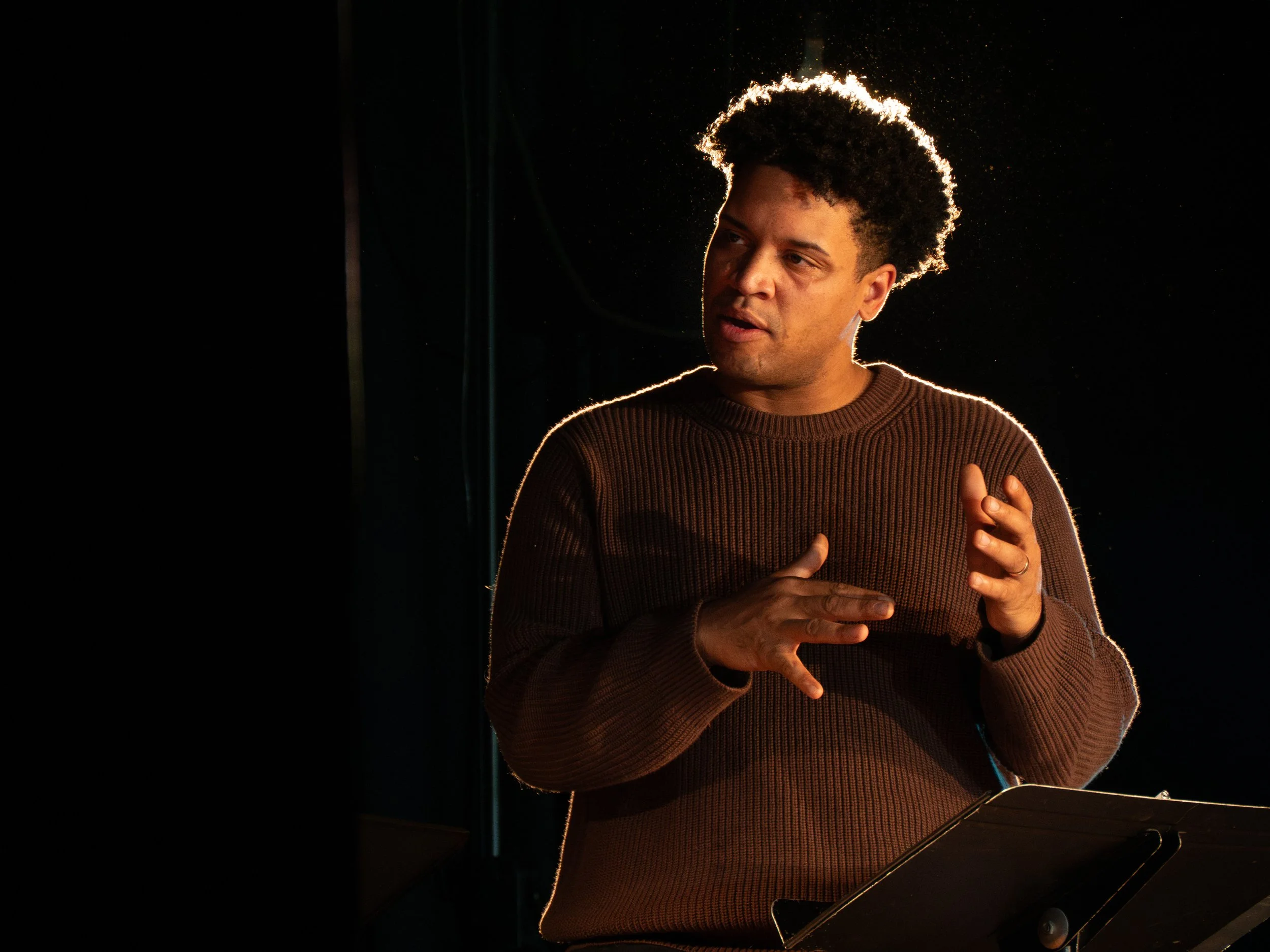
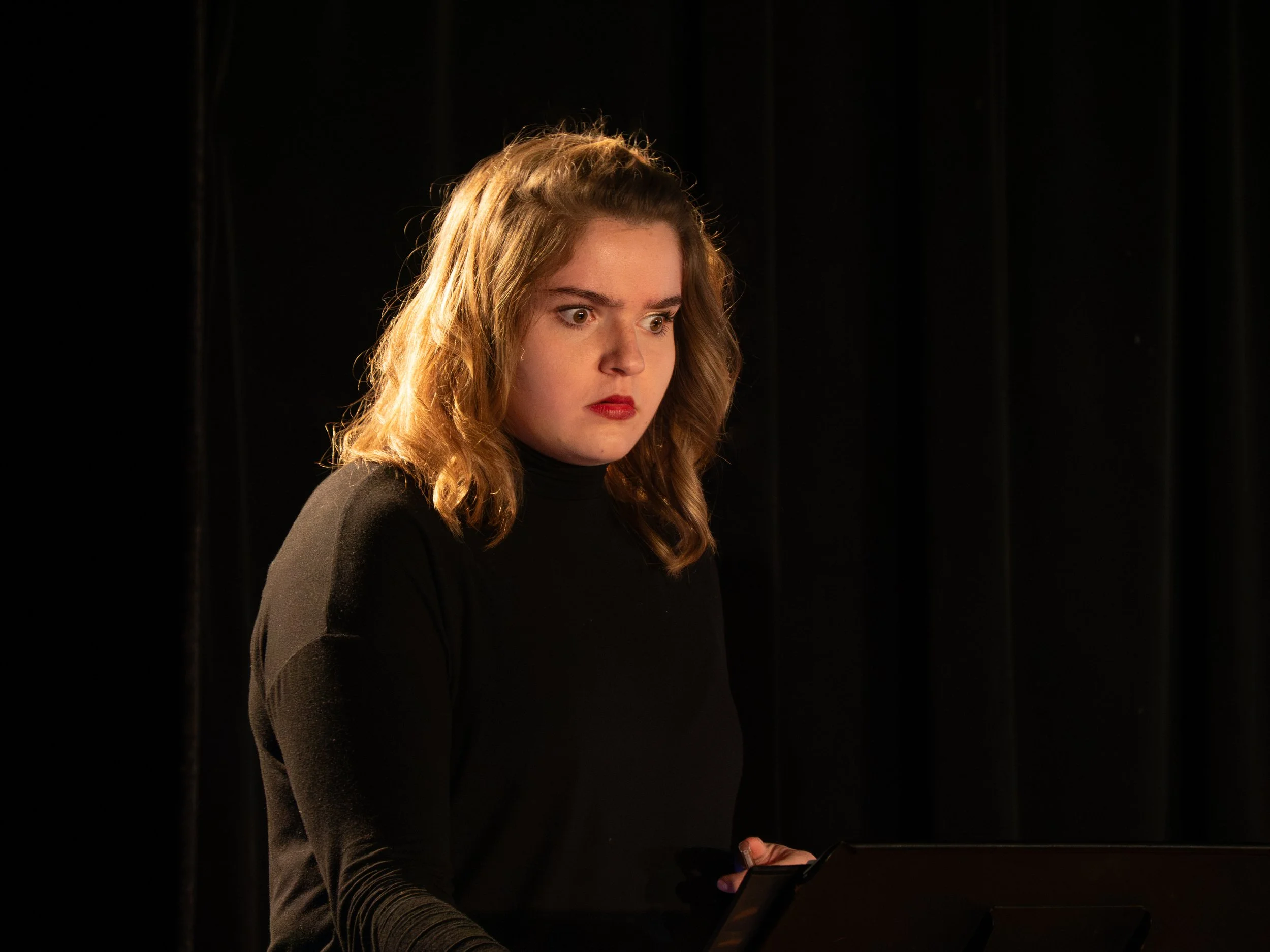
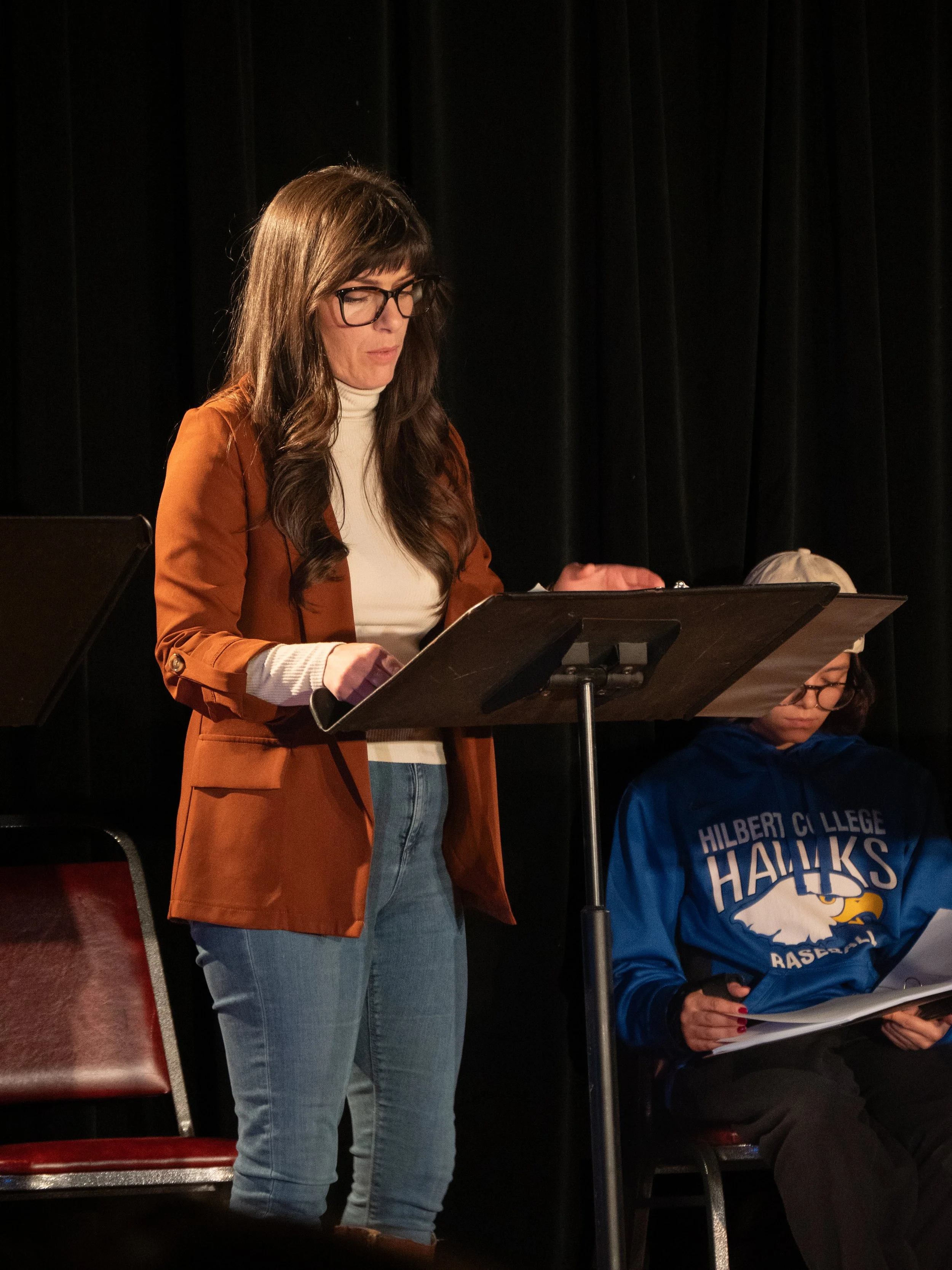
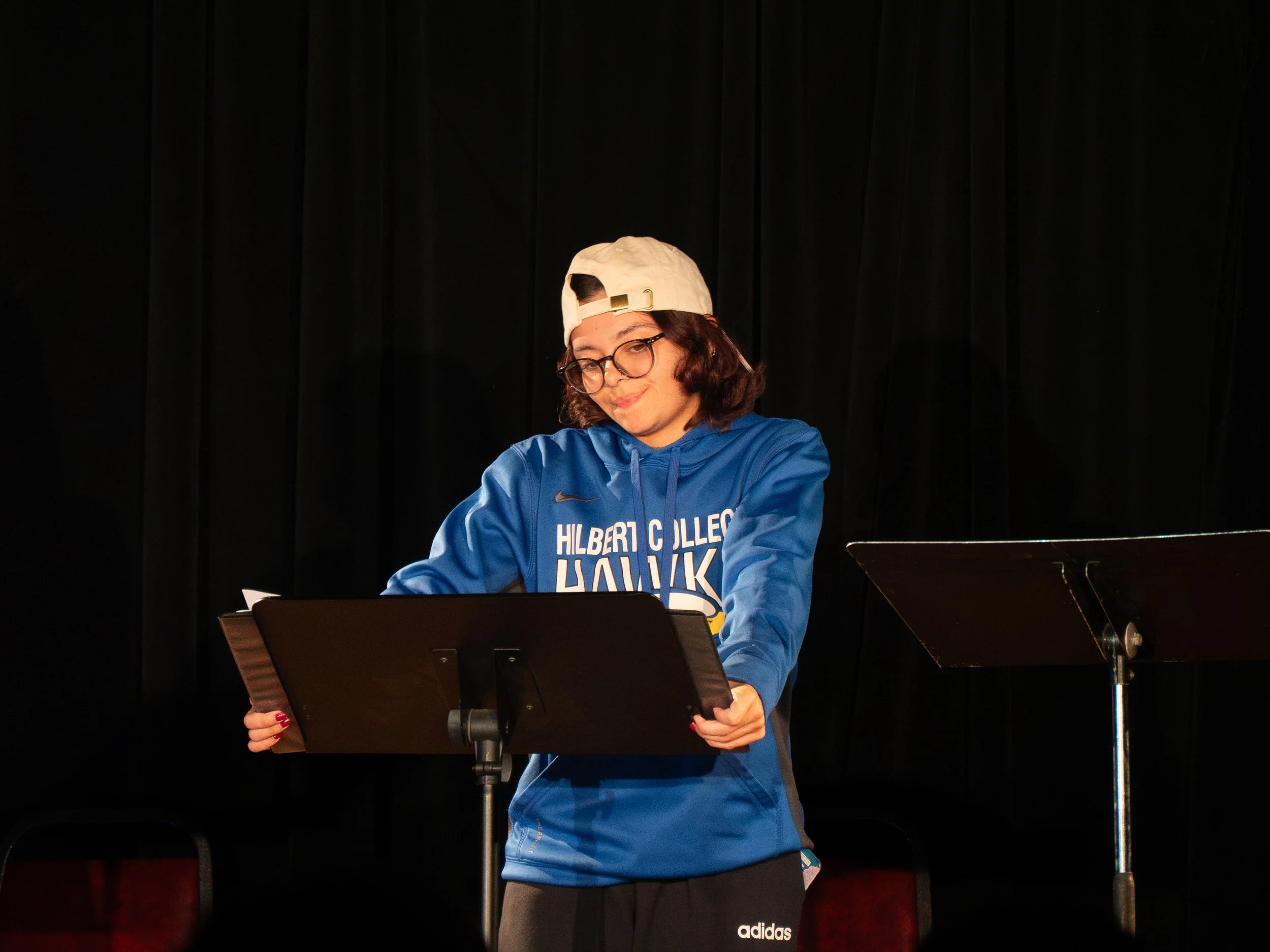
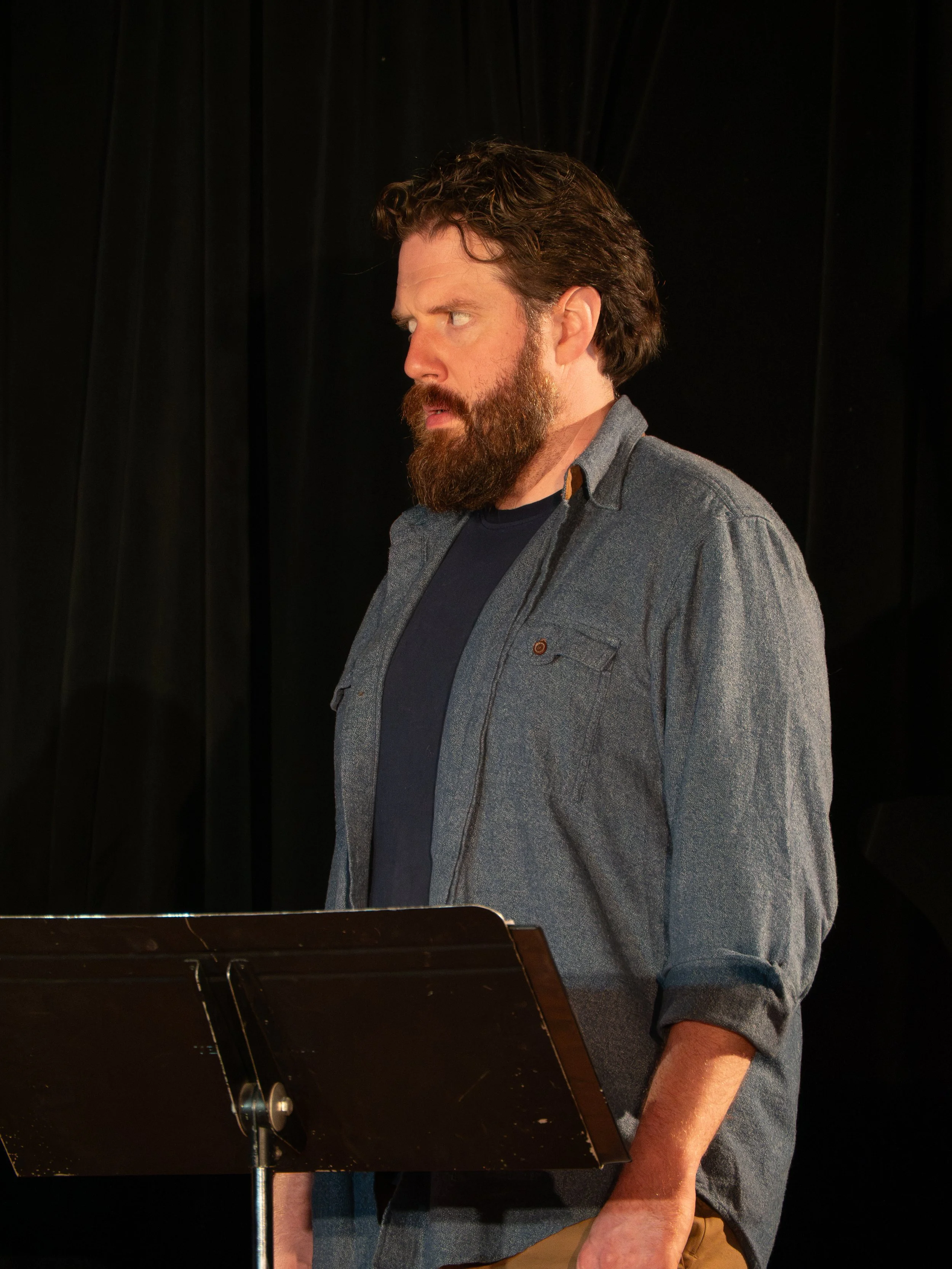
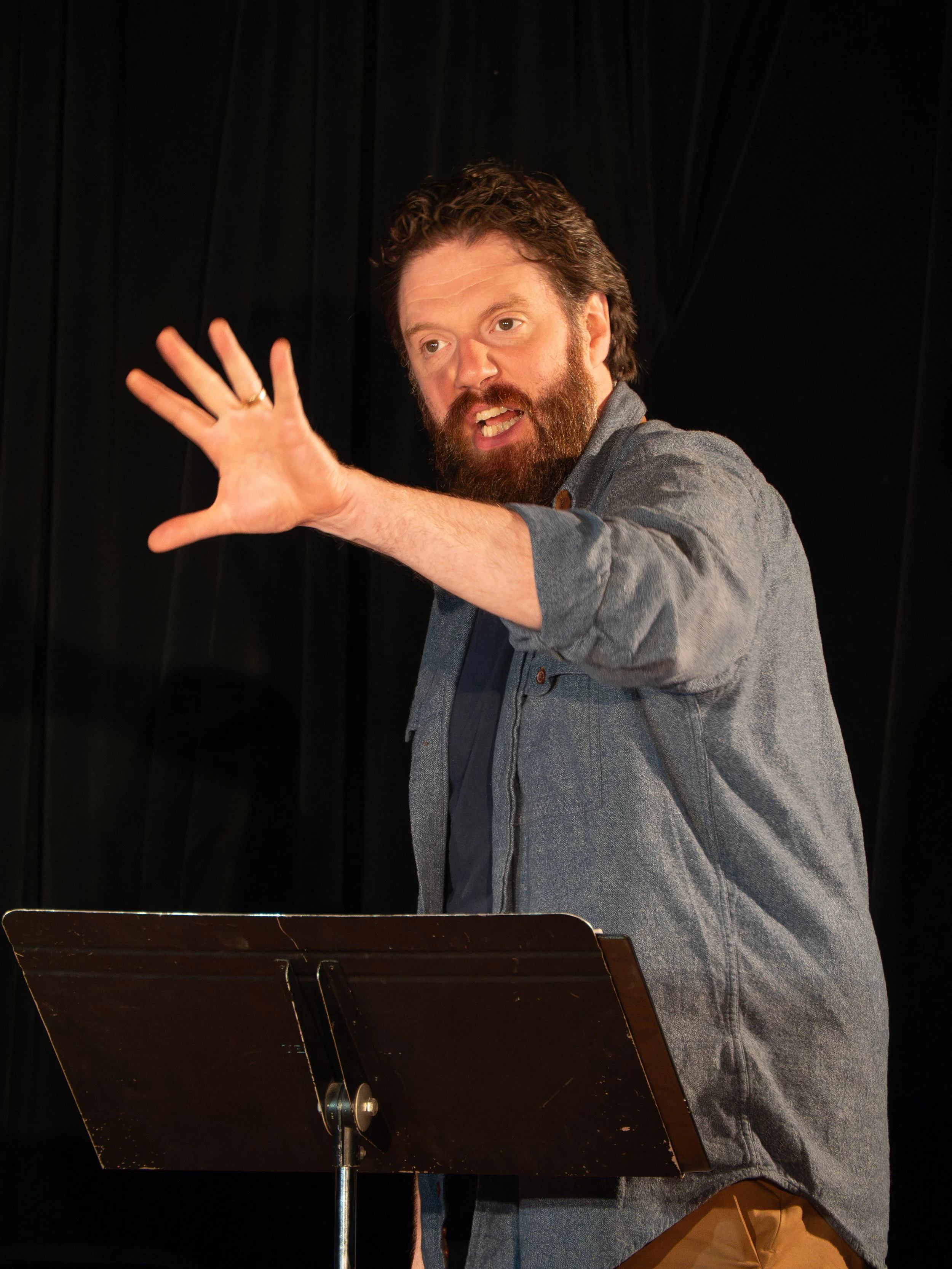
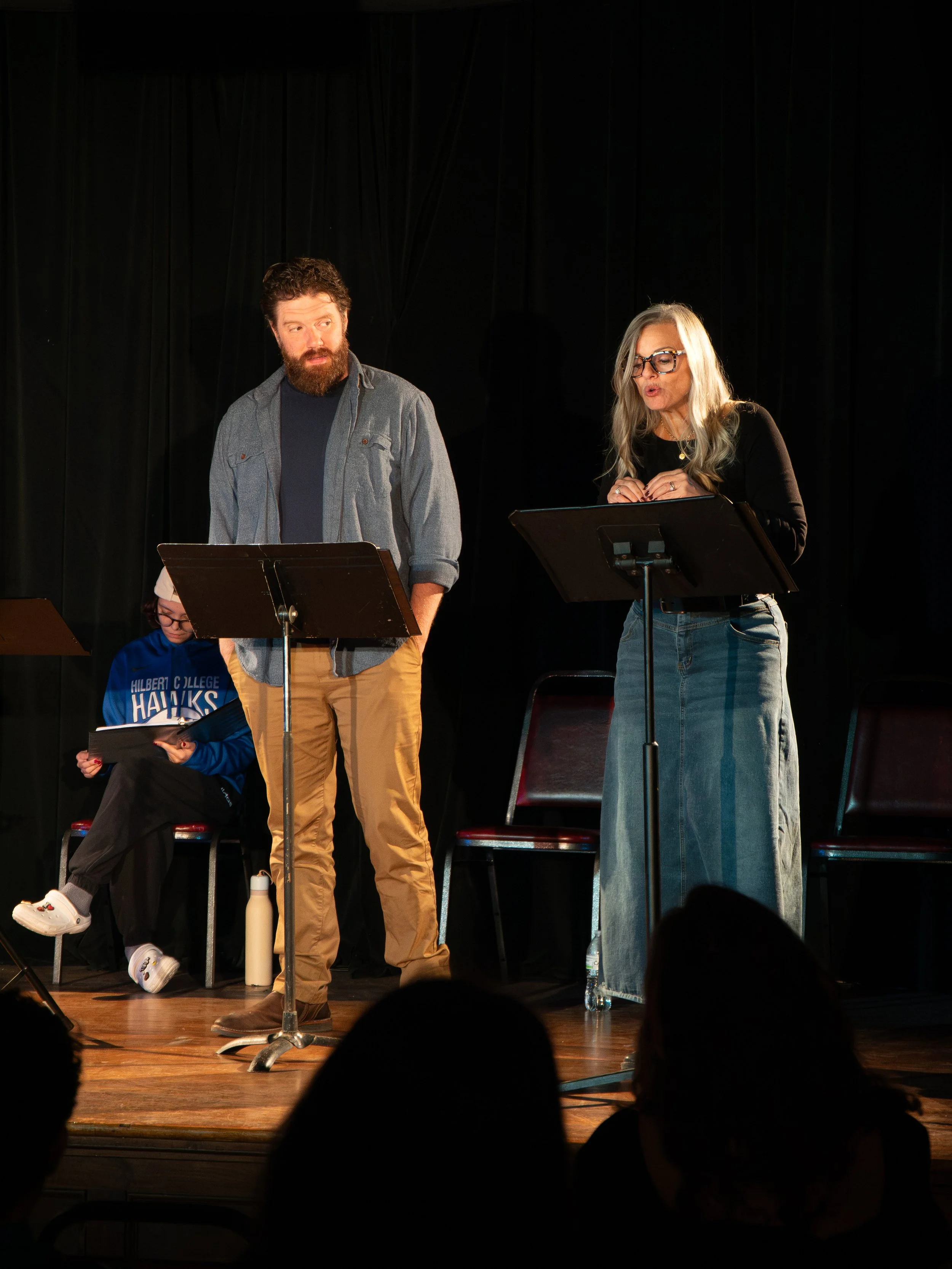
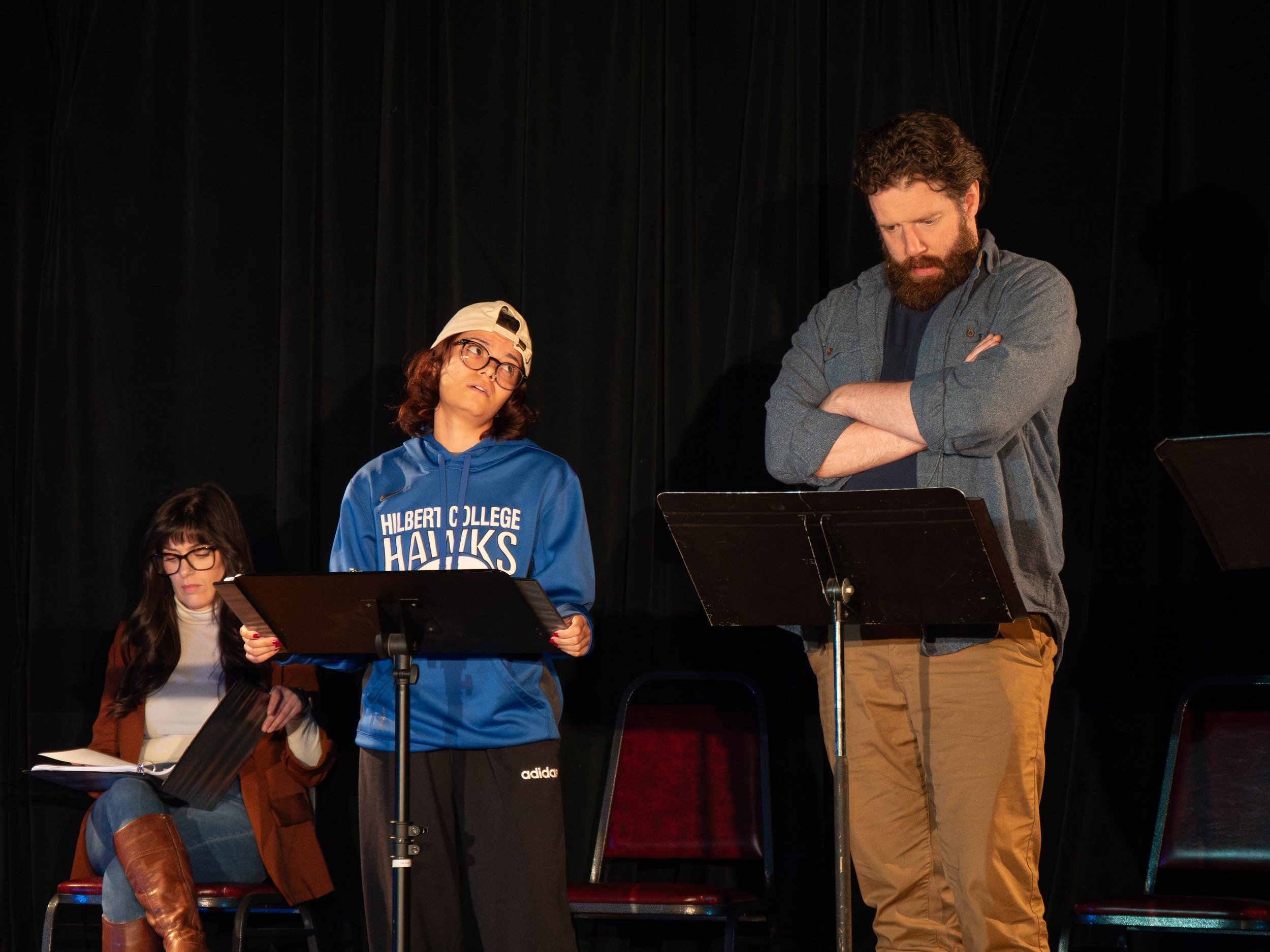
Performed by a well-balanced cast of newcomers and Capital Region figureheads (including some Troy Foundry regulars) in a large room with an unadorned ambiance that perfectly suited the evening’s spooky premise, I was moved by the play’s consideration of how family dynamics can sometimes rub against survival instincts. Jake Blouch as Jack Hart, father of the young Noah, was excellent in presenting a conflicted masculine figure struggling to shield his son from any knowledge of the outside world while simultaneously fighting for the memory of his late wife and his rights as a citizen. And for their part, Madison Rivera as Noah really leaned into a sardonic, all-knowing Gen Z-type delivery of Fiete’s dialogue to great effect.
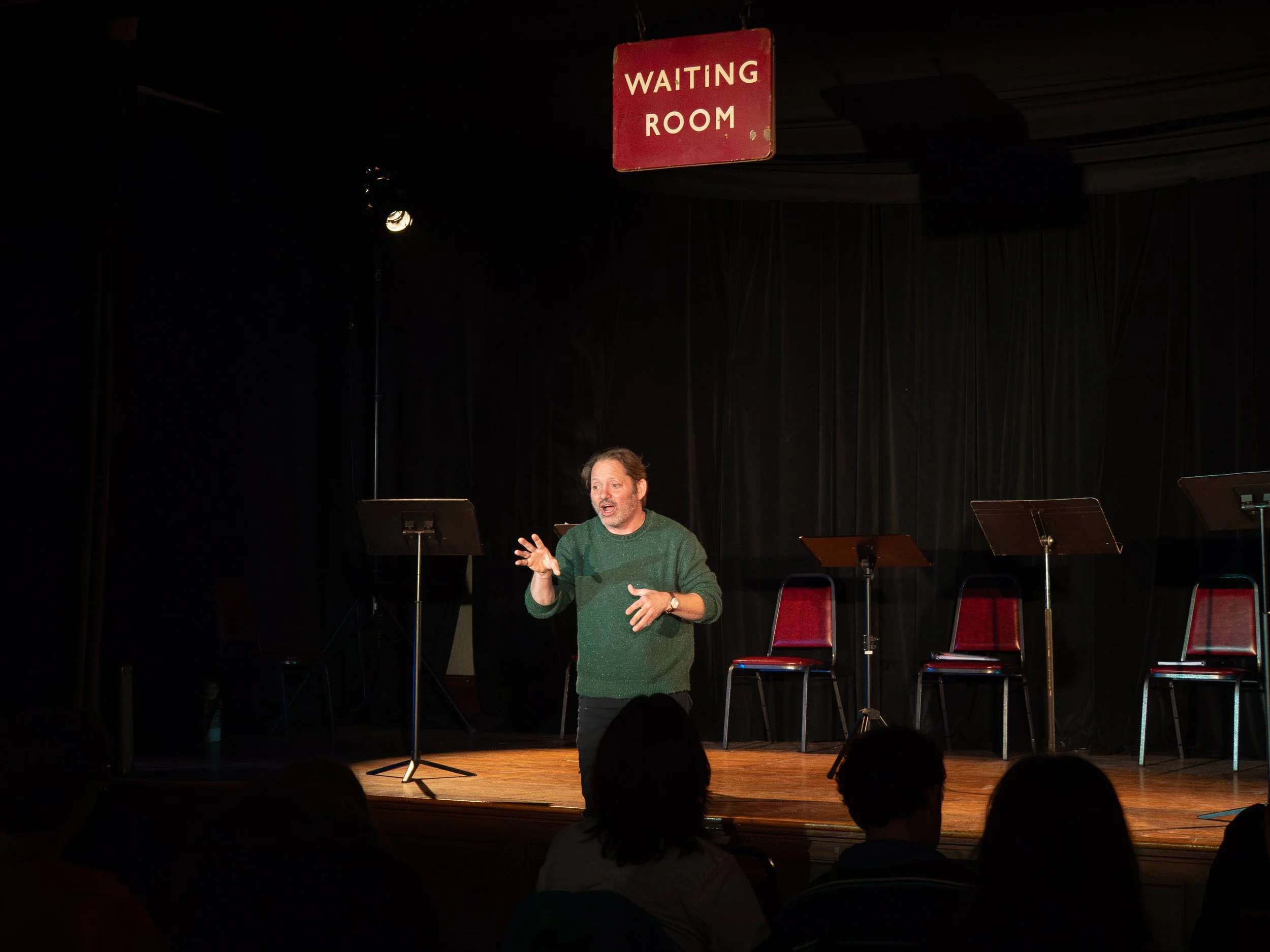
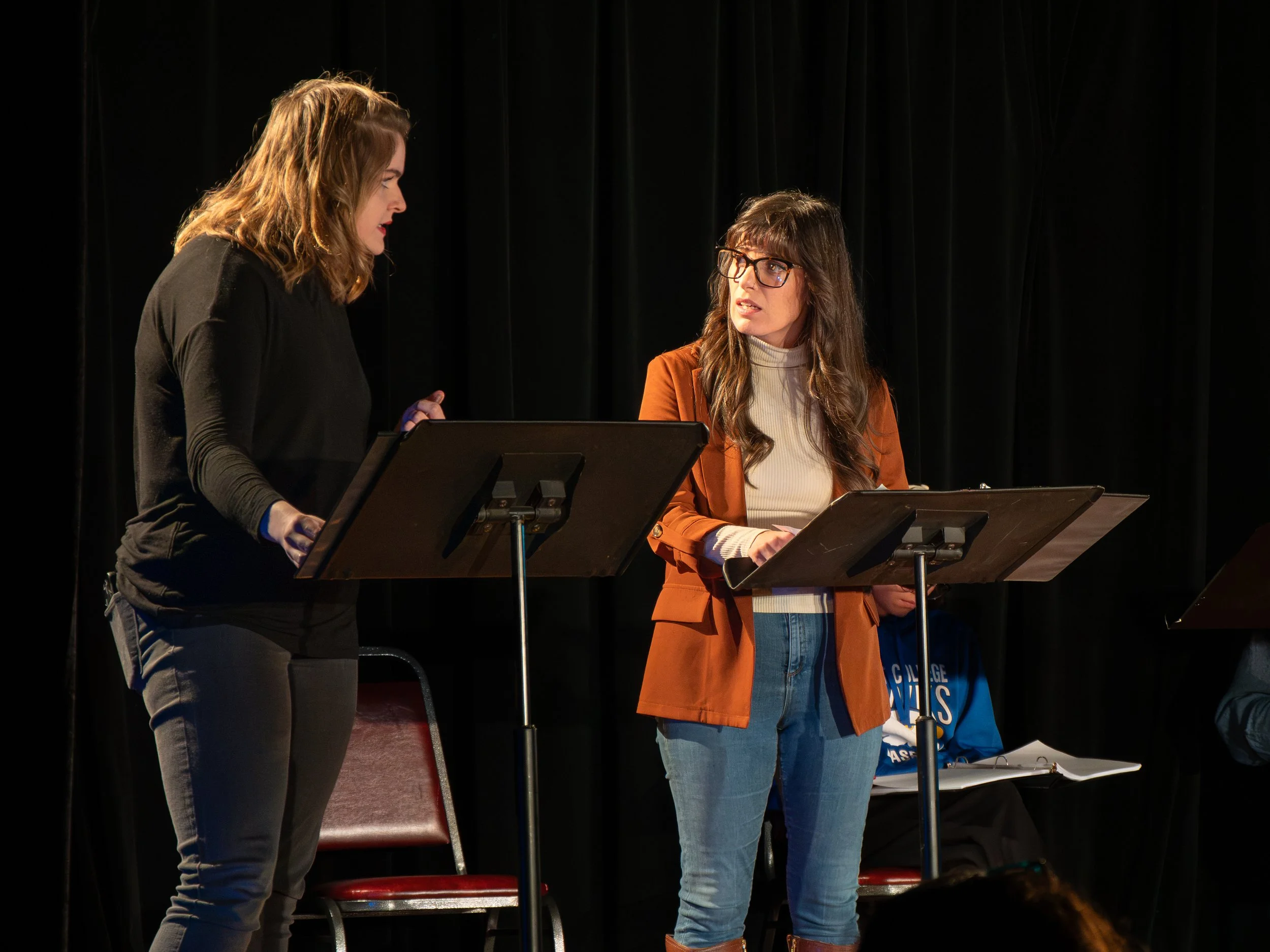
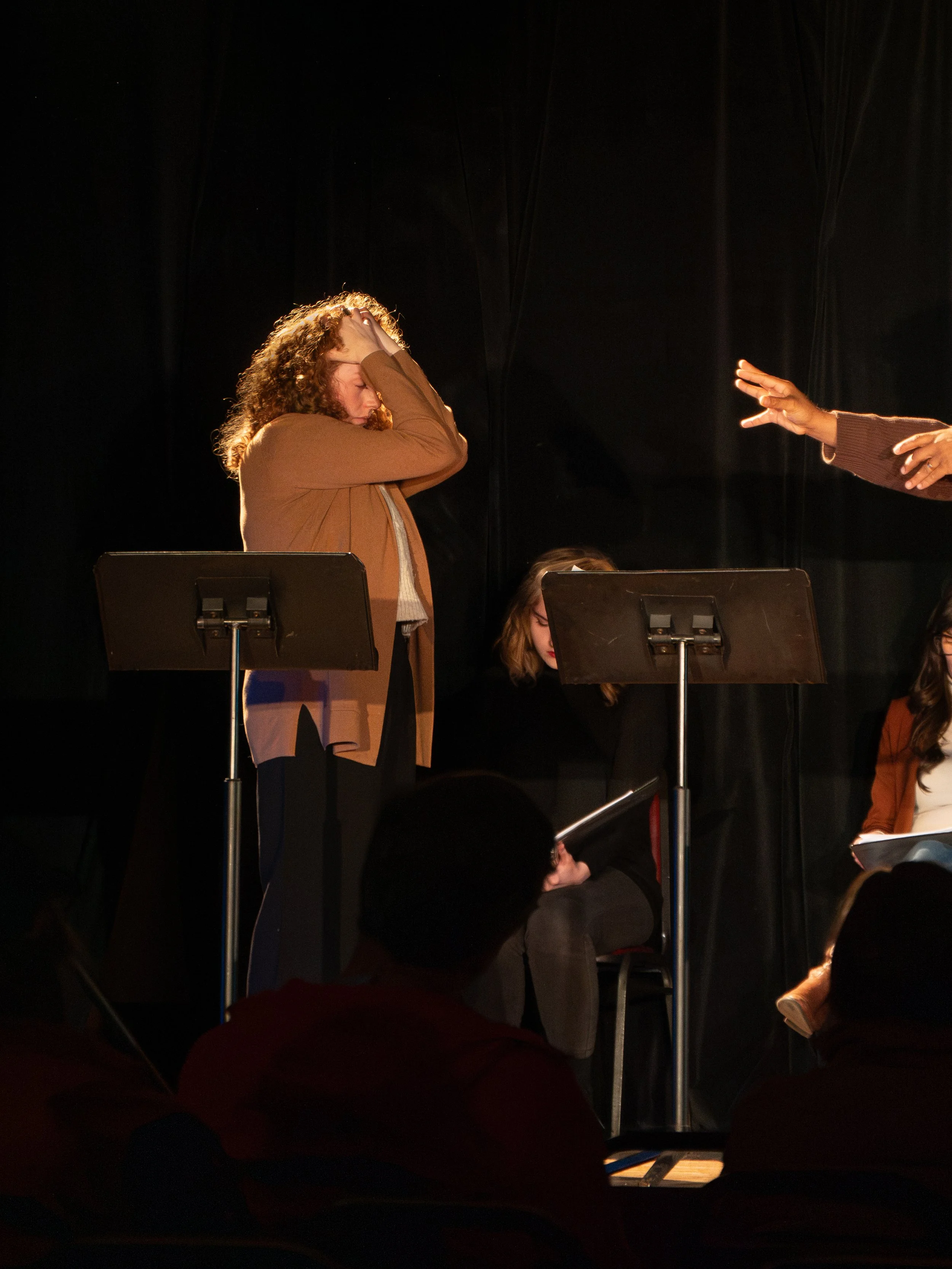
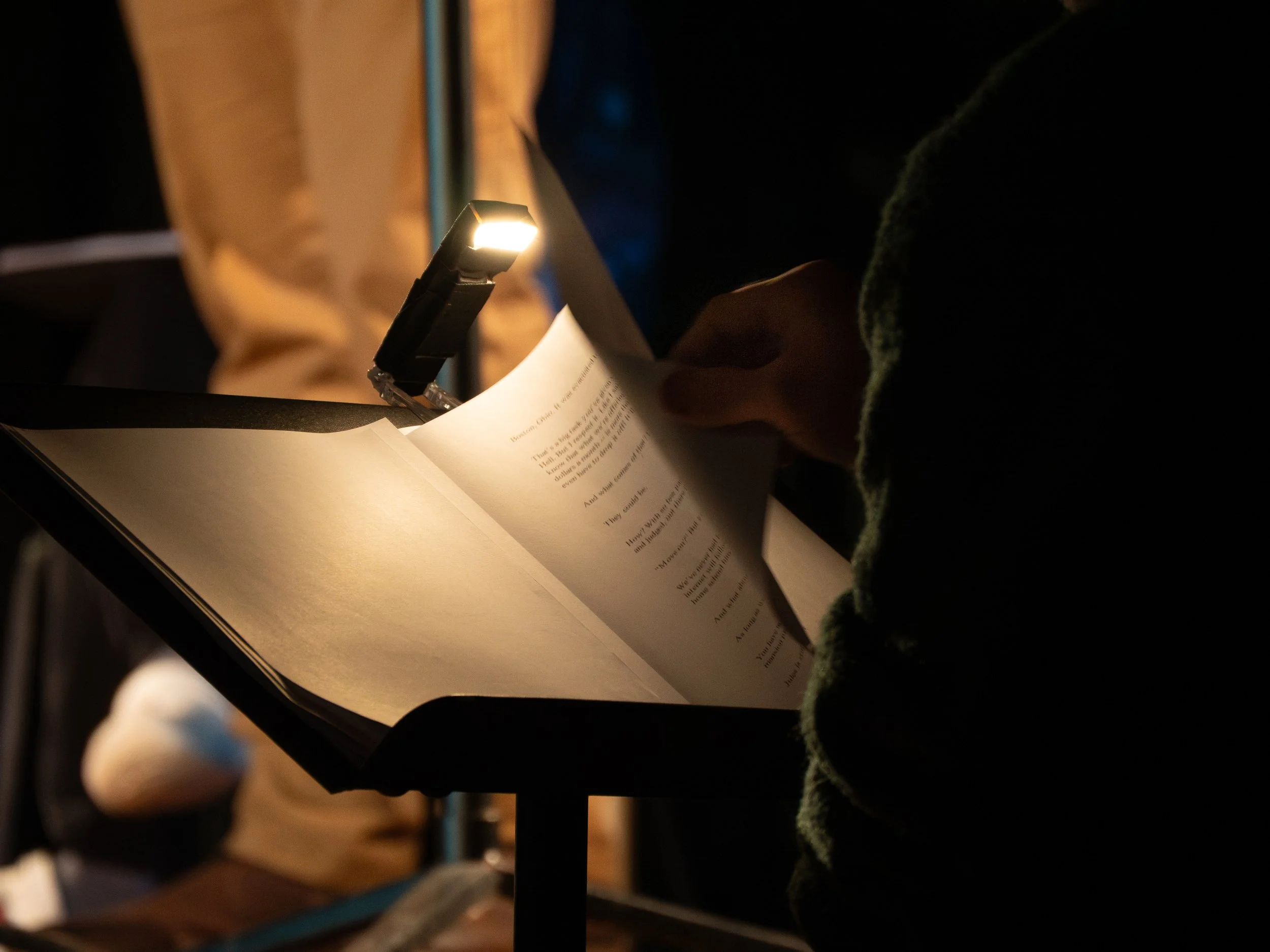
Equally strong was Yvonne Perry as Marianne, a mentally unstable doctor-turned-housewife, delivering some of the most unsettling moments of the evening with erratic monologues full of repeated phrases, fragmented sentences, and unorthodox syntax. Much credit must be given to Fiete for her ability to define each character’s personalities and desires through their uniquely-styled text. Girard (who directed this reading) also took opportunities during several poignant moments to bring the actors out from behind their music stands to clarify some of Fiete’s vivid and choreographic stage directions which were otherwise read aloud by himself.
Following the reading, Girard and Fiete took the stage for a brief Q&A, during which the audience had the opportunity to provide feedback, answering questions from the playwright. In a preamble to the questions, Girard emphasized the audience’s importance, stating that they can offer valuable perspectives on the play that directors, actors and the like cannot, helping to push playwrights toward future edits. Fiete expressed much gratitude for the audience’s responses, which were lively and sincere, and the audience (including myself) was eager to take part in this unique opportunity with Fiete.
What this production illustrated so well is what Troy Foundry Theatre has done without fail since its inception a decade ago: make each performance a communal affair. Whether that’s actors interacting directly with audience members, creating new works that engage with the history of the troupe’s birthplace in the Collar City, or inviting feedback from patrons, Troy Foundry (as their online mission statement will tell you) champions new work that is invariably shaped by a mutual symbiosis between the company and its audience.
Troy Foundry Theatre’s “Half Baked Festival of Emerging Work” ran from October 23–30. For more information about this festival and past TFT productions, visit www.troyfoundrytheatre.com.