INTERVIEW: Kim Van Alkamade Turns a Twist of Fate Into a New Novel
10/27 @ Northshire Bookstore, Saratoga Springs
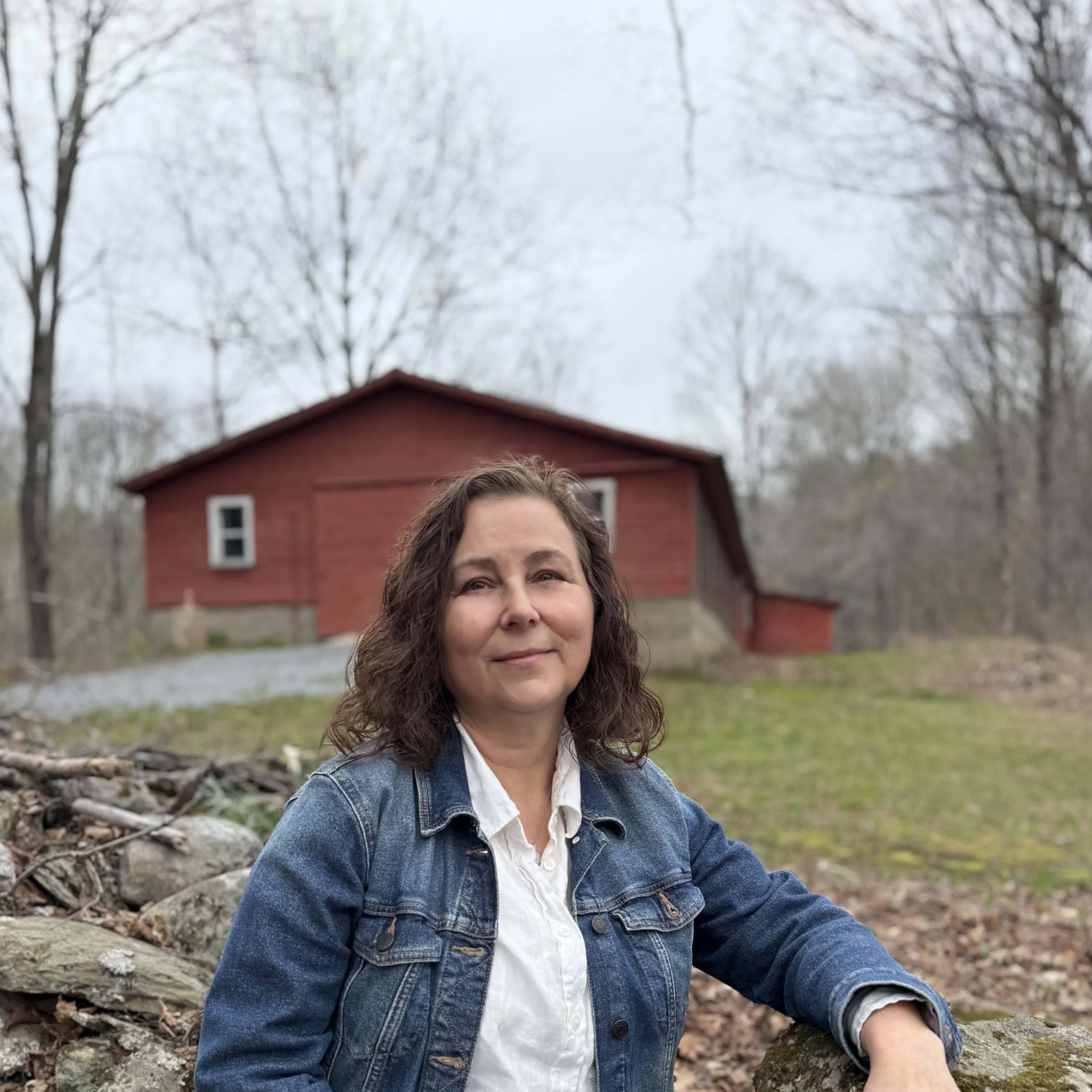
Author photo by Mariel Martin
“Woven within the narrative of these three women, between Covid mandates and bookstores and new ventures, is a story of love that perseveres.”
In the midst of the pandemic, Kim van Alkemade and her partner received an fateful email from a friend. The email in question contained an article with a unique proposition: “Ever dreamed of owning a bookstore? Now’s your chance.”
“I don't know if we had dreamed of owning a bookstore, but it was after that first year of the lockdown, when you're just questioning everything about your life and we thought, ‘Well, let's go take a look!’” she says with a chuckle, recalling this moment.
When they arrived at this particular upstate New York bookstore, though, they immediately understood it was no run-of-the-mill shop. Upon seeing the quaint red barns and beautiful white house on the grounds of Owl Pen Books in Greenwich, van Alkemade remembers thinking to herself, “It's just magical. It's so romantic. It's so beautiful. It's so rustic and cozy.” With her partner already working in the area at Skidmore and van Alkemade herself considering an early retirement from her teaching position at Shippensburg University, they decided it was worth putting in an offer.
While Owl Pen would eventually go to different, equally wonderful owners, van Alkemade would find herself thinking of the space and its story long after she walked away. Soon after finishing her third novel, Counting Lost Stars, a historical fiction set during World War II, she began dreaming up a new plot, this time based on her own experiences.
“Part of what inspired the book is just that kind of broken hearted nostalgia, this thing that almost was, but didn't really happen. And I was like, ‘What do I do with that feeling?’” Ultimately, van Alkemade would end up crafting a story that blended the modern day tale of a woman starting life anew at an upstate New York book barn, with the tales of the two women who had owned it decades before in the 1950s, hiding their love for each other lest they be arrested. The novel, which begins with a grief-stricken journey from New York City to Greenwich after the main character loses her husband in the first wave of Covid, is aptly titled Upstate.
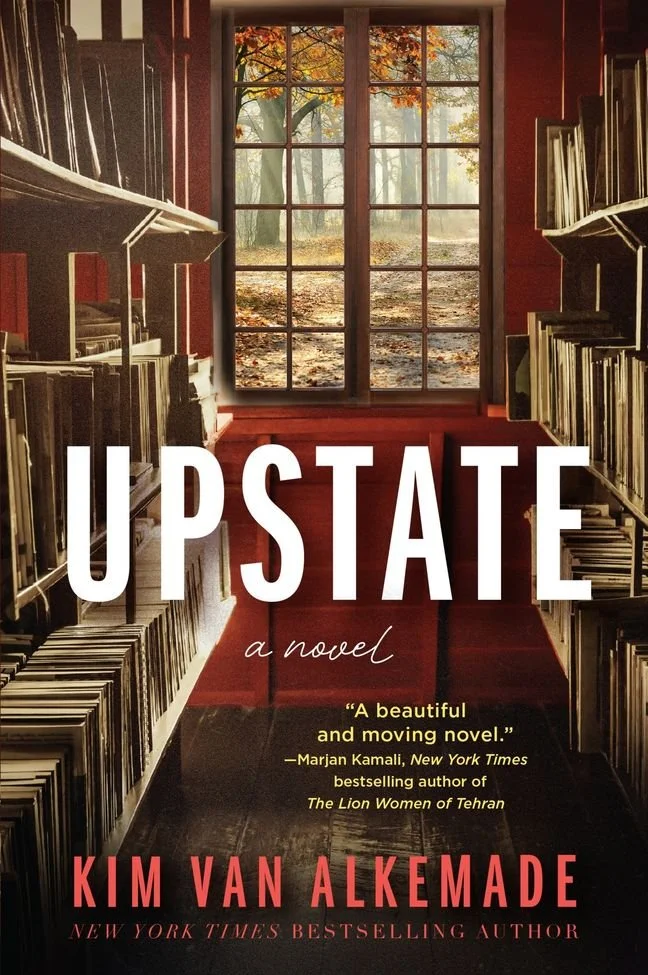
While main character Audrey Beacon’s story may have been loosely based on van Alkemade’s unanswered “what if,” the 1950’s owners of the bookstore, Evelyn Cabot and Hazel McIntyre, are loosely based on the original owner, Barbara Probst, and her partner, Jean Slocum. While both Evelyn and Probst leave their careers in the city writing for “Mademoiselle” magazine, van Alkemade was careful to stop the similarities there, for both the characters and the bookstore.
“As soon as I decided I was going to write it as a novel, I didn’t go [to Owl Pen]. I didn’t research anything else about the original owners,” she explains. “That real place, which is so special, was an inspiration, but this is not that story. This is a fictional story that lifts that world up out of reality and turns it into something else.” Her main concern that led to easing up on the research was respect for the past and previous owners. “It’s not their true story because now it’s Sydney [Nichols] and Eric [Kufs], it’s their true story,” she says fondly of the new owners.
While van Alkemade was respectfully careful of refraining from inserting others’ true stories into her novel, she undoubtedly included many of her own feelings on the magic of books and storytelling in the novel. Main character Audrey is particularly amazed by all of the voices she can find within the pages at her disposal, despite her immense isolation and grief after her husband’s sudden death.
She describes a scene in which Audrey encounters an early edition of Walt Whitman’s Leaves of Grass in the bookstore and has a sort of epiphany: “She's reading it and she's like, ‘this person had these thoughts and wrote these words over 100 years ago. And all I have to do is open this and look at them and it's like he's talking to me.’” Illustrating her similarity to her own character, van Alkemade remarks about this section, “It's kind of magic. It really is. I love thinking about the content of the lives that have passed through this book barn.”
There were more voices than those within the books that shaped her novel, however. In fact, much of the work centers on Audrey’s new neighbors who resist her attempts to hide away in her grief, instead coaxing her out of herself with their small town charm. Of this narrative, van Alkemade tells me “I really believe that the way to process grief and heal is in community.”
Part of her own processing of this tumultuous time period came from researching the tiny details of the pandemic era that seems so long ago. While different from her typical historical fiction research, it also held some striking similarities. “In some ways, writing about the pandemic and the masks and the vaccines and the different mandates and the rules, it's almost like historical fiction because it feels so long ago, even though it's five, six years,” she explains. “Our brains have forgotten.”
Woven within the narrative of these three women, between Covid mandates and bookstores and new ventures, is a story of love that perseveres. Romantic love between Evelyn and Hazel, communal love between neighbors who must work past their differences to live alongside one another, love of the Adirondacks and the unique nature of upstate New York.
Throughout her work, van Alkemade shows her own love for the hidden histories of a place. Inspired by Amy Godine’s novel, The Black Woods: Pursuing Racial Justice on the Adirondack Frontier, she created a storyline in which that piece of history could come to life. While she had initially imagined it as a larger part of the novel, the way in which it was told in the end actually made it more authentic. About this, van Alkemade says, “The character who embodies that, I found ways for her to speak for herself in these different venues. And instead of explaining it as the writer, she got to tell her own story. That was really important to me.”
And, of course, she allowed Evelyn and Hazel to tell their own stories, too, through letters and articles, not just her own narrative. In an interesting turn of perspective, the reader is watching Audrey uncover the history of the bookstore, allowing both reader and protagonist to discover new pieces of their puzzle simultaneously. “When you're reading the novel, some of the chapters are just these magazine articles written in the 1950’s and 60’s,” van Alkemade explains.
“Evelyn's sort of telling her story as, ‘I'm an adventurous single woman.’ But because we're also reading letters that Hazel, her partner, is writing, we know that there's more to that story.”
This was, of course, intentional. “Things are not always how they seem on the surface. And if you have that trust and safety, you can share more of your story,” she says of Hazel and Evelyn’s relationship.
Paralleling Audrey’s grief of losing her husband is a different type of grief from Evelyn and Hazel — that of having to hide a part of yourself away from the world, and the ever-growing tension of understanding the sacrifices needed to be your true self in a world that refuses to accept it. Whereas the pandemic feels so far away, the days of Evelyn and Hazel feel alarmingly close.
Truly putting a bow on this fortuitous bookstore narrative, van Alkemade will be releasing the novel at the very bookstore where she is a bookseller, Northshire Bookstore in Saratoga Springs. While she had done events with Northshire in the past for her own books, she began working there several years ago when she officially moved to the area. Now, she will be celebrating not just among fellow book lovers, but among her own community. I don’t think I could write a better ending to this real life bookshop tale if I tried.
Head to Northshire Bookstore in Saratoga Springs on Tuesday, October 27 at 6 p.m. to hear Kim van Alkemade discuss Upstate with fellow novelist, Kate Fagan, author of The Three Lives of Cate Kay.