NONPROFIT SPOTLIGHT: Bring On The Spectrum
Photos by Tom Miller
“Everyone is coming from a different lens in this shared space. What do you need to know to make that space better for everyone?”
April is one of my favorite months of the year — not only does it hold my birthday and ushers in blooming crocuses and warm sun, but it’s World Autism Month. During this month, I have free rein to tell everyone stories of my 28-year-old brother who was diagnosed with autism at 18 months, sharing all of the amazing things he’s capable of, challenges he’s overcome, and the truly life-changing people that he and my family have been fortunate enough to work with throughout his life.
In recent years, we’ve met some folks who are spearheading exciting work in the Capital Region for our neurodivergent community, autism, and beyond — the team at Bring On The Spectrum, otherwise known as BOTS. If you are neurodivergent, or love someone who is, you’ll recognize immediately why BOTS is such a valuable and vibrant space.
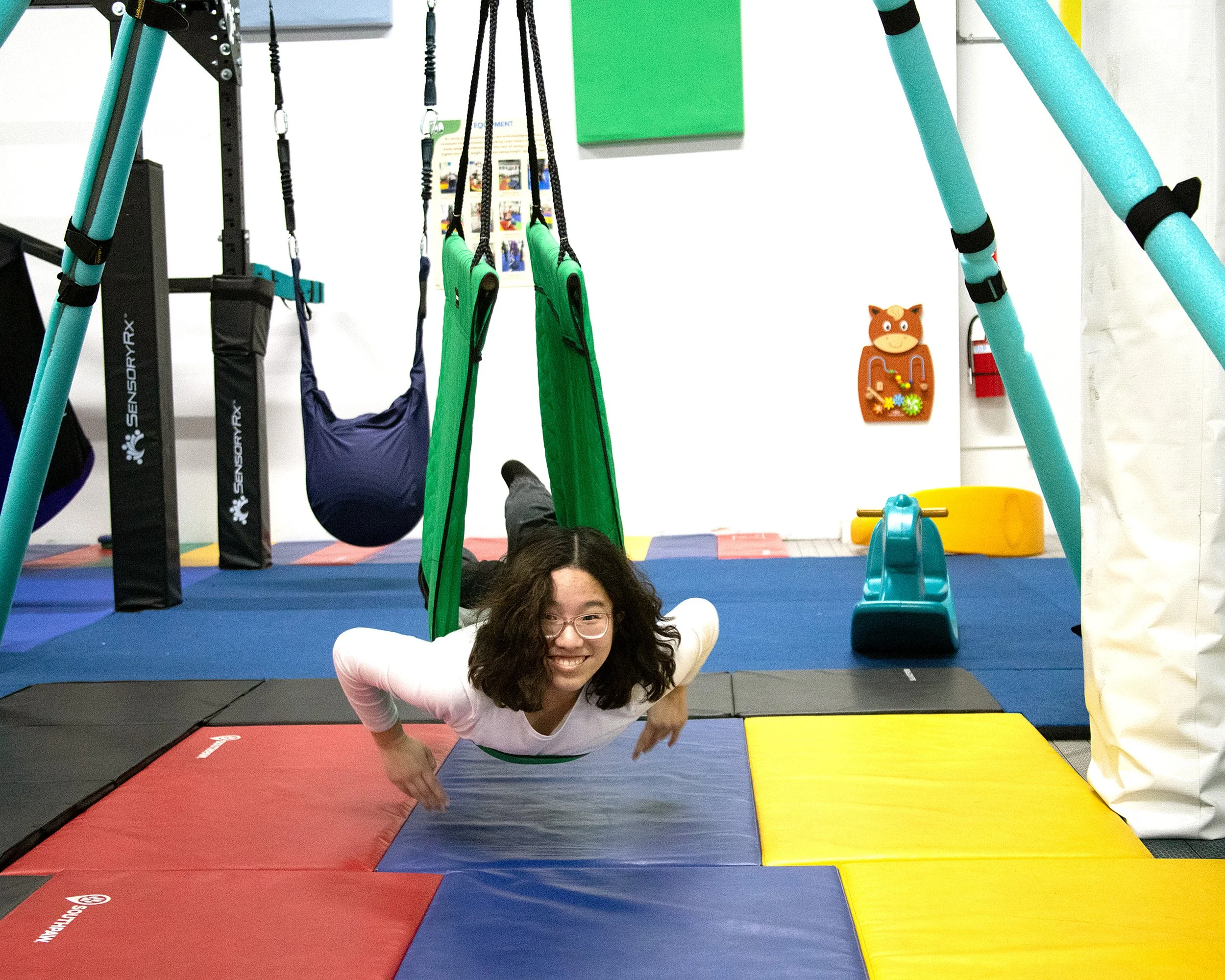
There’s the sensory gym, with all types of swings and slides to provide regulating sensory input; the Golub Foundation-sponsored sensory room, a dark, quiet space filled with beanbags, sensory fiber optic lights, and more to encourage regulation; as well as the community space, which is home to classes and clubs like anime club, art classes, yoga, and even parent workshops.
For Lisa Audi, the founder of BOTS, the idea was more of a necessity than a dream. On New Year’s Eve 2019, only hours after she and her daughter/BOTS co-founder Carabelle had hung out at a different local sensory gym — “because where else is a single mom of a deaf, hard-of-hearing child with autism going to be on New Year's Eve other than the local sensory gym?” she jokes — Audi saw on Facebook that it would be closing. “Right away, I was texting friends of mine, like, ‘This is a huge loss, right?’ This is something that's really important to our neurodivergent population,” she recalls.
Audi took it upon herself to fill the space. Since she launched during COVID, she took that time to make the space and team perfect, ensuring that anyone who came in would be treated to a “Disney-like experience” with their customer service. For neurodivergent kids and adults, that first experience deeply shapes whether or not they will be returning to a place. “You almost have a one-time chance to get it right. And, if it doesn't go well, then you are literally dead to them, right?” she laughs. In addition to creating a space they can immediately unmask in at BOTS, the team is working to do the same at local libraries with the Peace and Quiet Initiative.
“While we love our space, how do we make the community more accessible for our individuals and families? We know that libraries have phenomenal programs. But maybe they just don't have the resources needed to be completely welcoming and inclusive of our population,” she explains. They worked with a total of 25 library branches and a pediatric occupational therapist to make these spaces accessible, beyond the typical fidget toys and noise cancelling headphones. They created structural changes like a calm, secluded alcove in which one can “collect themself,” as Carabelle likes to say, and flexible seating during storytime that allows for sensory input, like rocking.
The visual of that storytime — kids seated on the carpet, some rocking back and forth, some with headphones, one leaving for a break, all alongside their neurotypical peers — is what true inclusion looks like. Unfortunately, as Audi explains, while schools, businesses, and other organizations may be trying their best to include the neurodivergent population, they commonly miss the point. She explains how, too often, there is no space to regulate and return to the activity — you either can do it, or you end up needing to leave. Or, there’s a completely separate location or time, isolating neurodivergent kids from their neurotypical peers.
“Being able to return to the activity and then leave with your peers is the win; not having to leave and go to the car,” she says. “How many times do our friends feel like, ‘I'm always being taken out of these places’?”
BOTS is working to coach the next generation to change that, thanks to their A.D.A.P.T. program, Actions To Draw All People Together. The idea came from an observation from Carabelle to her mom as she walked off the school bus one day: “I don't think my friends find me interesting.” When Audi pressed further, Carabelle explained, “When I say something, people say ‘cool.’ When someone else says something, they use more words.”
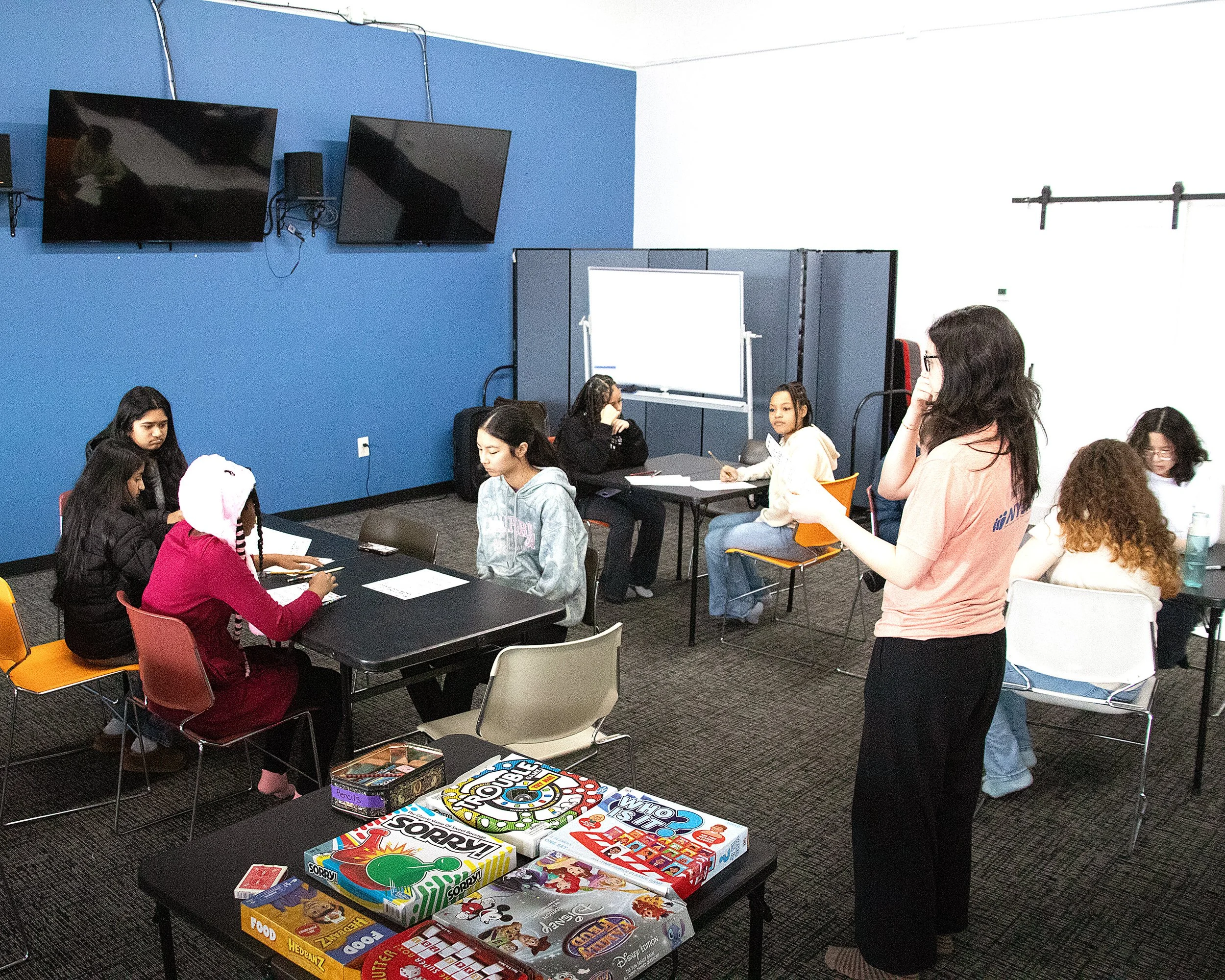
For many with autism, initiating or participating in conversation or social situations can be a heavy lift. From maintaining eye contact, to engaging on the correct topic, to even masking certain behaviors like stimming, it’s physically and emotionally draining. Therefore, the neurotypical population needs to be ready to respond and cultivate that relationship. A.D.A.P.T. is designed specifically for that, taking teens from around the region and teaching them more about autism and how to build a relationship with their peers with autism.
While they’ve hosted groups from Columbia’s men’s basketball team to Guilderland’s key club to Shaker’s Students Organized for Service, Audi says it’s open to anyone willing to learn. “We see it as not only a current skill to better connect with everybody in your school community, but in the future as a job skill. Everyone is coming from a different lens in this shared space. What do you need to know to make that space better for everyone?”
In the workshops, they have BOTS teens working alongside the workshop participants, so that teens can learn in real time from and with their neurodivergent peers. Having their voices involved in not only the workshop, but in all of BOTS, is integral, says Audi.
“I’ve always bounced ideas off my daughter or the kids that come in or the parents. We've been really blessed and fortunate to now have some neurodivergent young adults help us lead some of our activities and programs. For us, that's how you walk the walk and talk the talk.”
Whether it be participating in a social group like Teen Take Over or Tween Scene, their Life Skills workshops, or an arts or music class, Audi sums up BOTS quite succinctly: “You've got a space where you can come and be comfortable — you be you. We'll meet you where you're at.”
For more information, visit bringonthespectrum.org. They are located at 71 Fuller Road in Albany. Please visit their website for information and hours about the sensory gym, as well as opportunities in the community space.