
PREVIEW: The Ravi Shankar Ensemble at The Egg
03/16 @ The Egg in Albany, NY
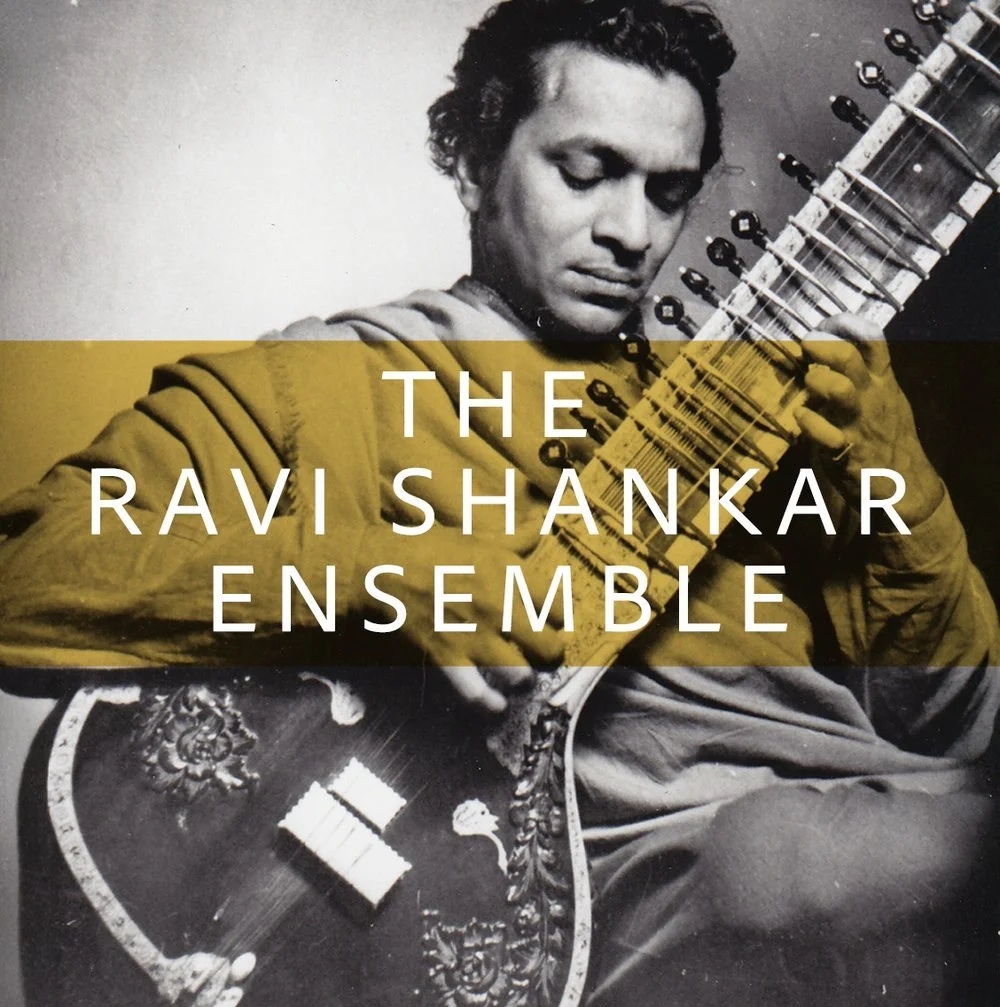
“A true guru would teach you life. He was the sculptor and I'm one of the creations. In every sense of the word — politically, musically, spiritually — Shankar was my guru.”
The Ravi Shankar Ensemble will make the first stop on their Spring 2026 debut tour at The Egg in Albany on March 16, celebrating the life and music of internationally-acclaimed composer and sitar virtuoso Pandit Ravi Shankar.
Pandit Ravi Shankar was an Indian composer and sitar virtuoso who was influential in spreading Indian classical music into Western classical and rock music. Shankar is especially remembered for his collaborations with George Harrison, organizing the 1971 concert for Bangladesh, and playing the 1969 Woodstock festival just as the rain began. He has a legendary history and connection to upstate New York. Shankar also devoted his life to using music as a path for cross-cultural communication and peace.
The concert will feature selected interpretations of Shankar’s repertoire curated by Sukanya Shankar and their daughter, musician Anoushka Shankar. The show will also feature images from Shankar’s archive.
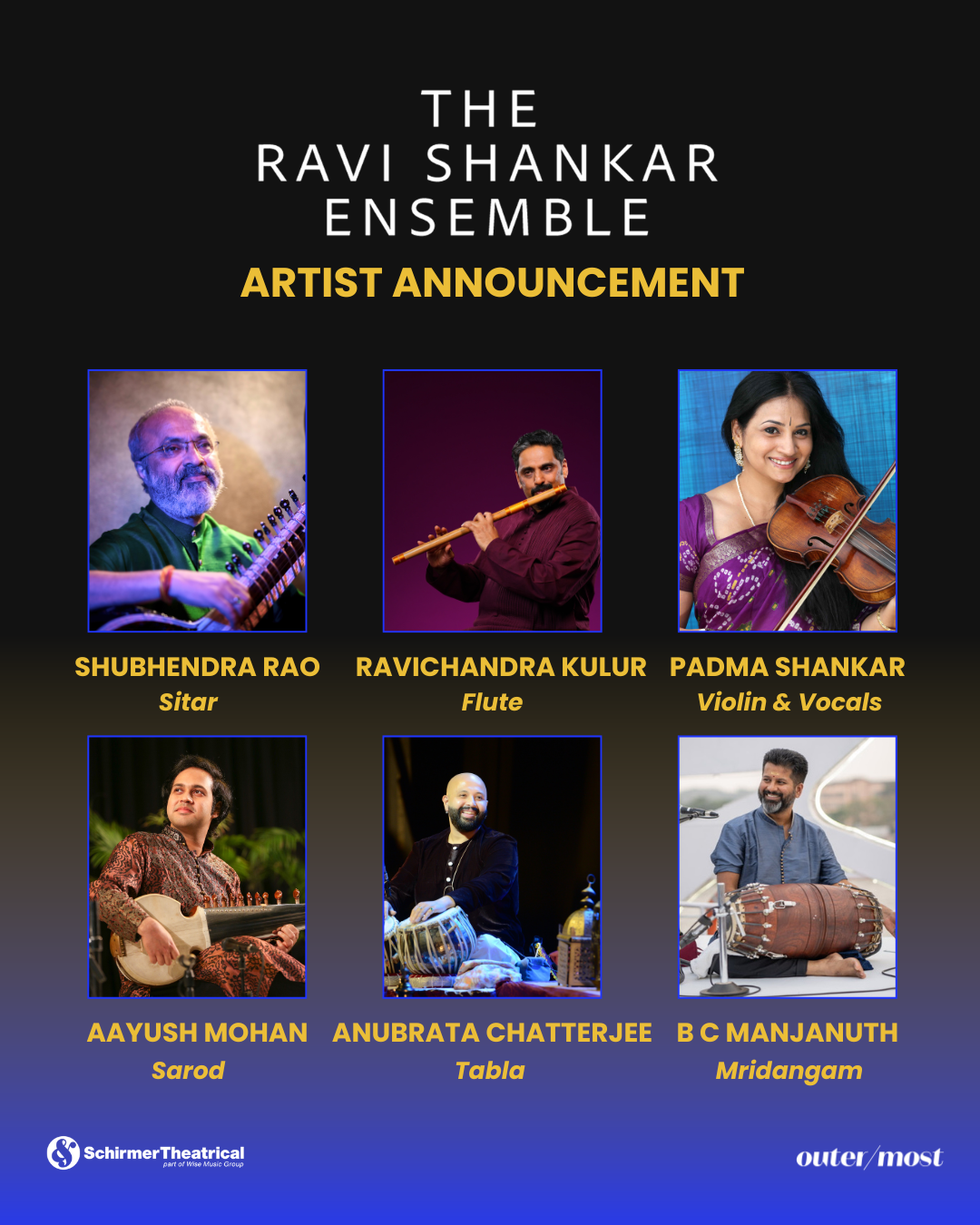
The Ravi Shankar Ensemble is a new concert production presented by Schirmer Theatrical, part of Wise Music Group. The group consists of Pandit Shubhendra Rao on sitar, Ravichandra Kulur on flute, Padma Shankar on violin, B C Manjunath on mridangam, Anubrata Chatterjee on tabla, and Aayush Mohan on sarod.
I spoke with sitarist Pandit Shubhendra Rao ahead of the tour.
For Shubhendra Rao, performing Shankar’s music is a way to connect with his guru once again, honor his legacy, and spread the spiritual power of Shankar’s compositions.
“Going on this tour brings me back to my childhood and all the discipline of learning from my guru, Ravi Shankar. Many of these compositions I have performed live way back in the ’80s and ’90s and of course, some of the other compositions are even older than that. Revisiting them now is such a wonderful thing for me personally, and for the ensemble. We are all excited to be coming together to celebrate the music of one of the greatest musicians in the world.”
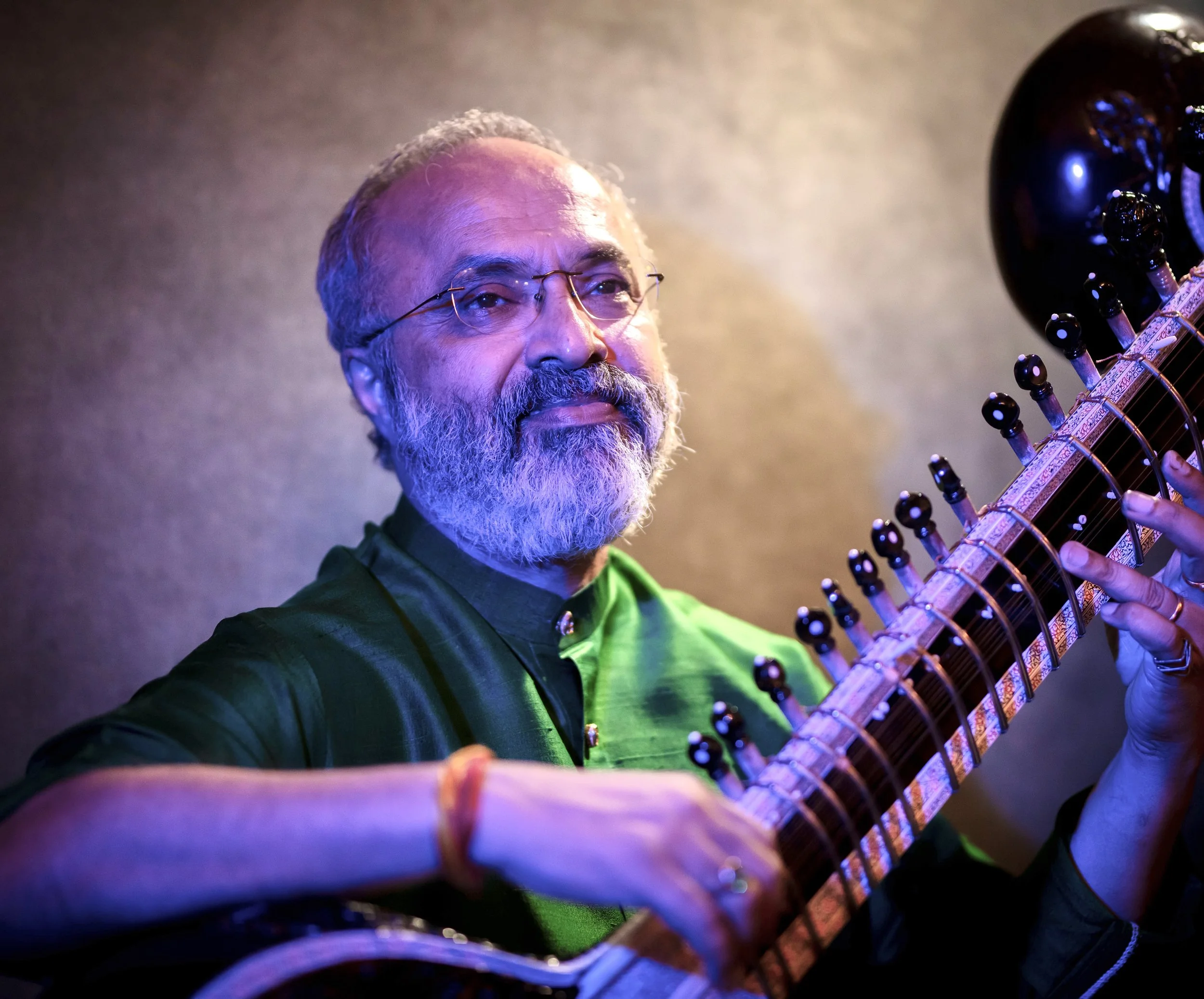
Shubhendra Rao performing
Rao explains Shankar’s influence extends far beyond Indian classical music.
“He influenced generations of humanity. Coming from one part of the world where this music was not widely known, he took Indian music and Indian culture to almost every corner of the world. This influenced so many generations of people, musicians, and artists.”
Rao discussed the contemporary importance of Indian music and how the role of Indian music has changed over Rao’s career.
“The spiritual element in this music, it really is a very important and dynamic tradition. I think people need an anchor in their lives and the spiritual element can connect more people to that anchor that they're all looking for, or perhaps leaving behind in this fast-paced life. So in that sense, it's a very old tradition, it's evolving with the times. We say that the sound is God, and is thousands and thousands of years of tradition that has passed on and has kept adapting itself with time.”
Rao studied closely with Shankar for over a decade where he mastered the sitar and Shankar’s teachings on life.
“We say that in Indian philosophy is that when guru and God come in front of you, you first bow down to the guru, not to the God, because the guru is the one who shows you the path. It was not just learning 100 ragas. A true guru would teach you life. He was the sculptor and I'm one of the creations. In every sense of the word — both politically, musically, spiritually — Shankar was my guru.”
When asked about the role music can play in social change similar to the impact of The Concert for Bangladesh, Rao offered some words of hope.
“I think it's such a beautiful world we are living in. It's up to us, especially the creative people who have so much expression, who have so much to think — whether it's the written word, whether it's music, whether it's art. Rome was not built in a day.”
Rao continues, “I always believe the art is greater than the artist. A great example was always my guru, who was perhaps one of the most down-to-earth people. If you met him, you would never imagine that you were speaking to the Pandit Ravi Shankar. Every day he would always say that you should be like a child; ready to adapt and learn all the time. Even in his 92 years, there was a child in him. I think that's the best we can do. Learn and share with that childlike spirit.”
Music can still occupy that role for cultural exchange today, but it is doing so in different ways than it did in the festival format of the late ’60s and early ’70s.
“These cultural and musical dialogues are still happening. Today there's lots more happening, but smaller gatherings. There are musicians and artists who are coming together for causes, but maybe not getting the same platforms and venues they once did, but people can still feel this impact.”
Shankar’s friendship with George Harrison was very impactful for future artists using elements of Indian music in other genres.
“Ravi Shankar was already working in Europe with many great classical musicians. But when George took interest in the sitar, there was an explosion of interest in Indian music and Indian culture. I think that impacted the rest of the world.”
Rao recalls meeting George Harrison at his family’s home in India as a child.
“I was very, very young and did not fully understand who he was at the time. But later on, I realized the importance of the collaboration between George and my guru and how that helped Indian music reach new areas around the world.”
Rao hopes the project will continue beyond this tour in the states. Especially after the positive reception from the ensemble’s preview concert in New Delhi in February at the Ravi Shankar and George Harrison International Festival of Arts.
“We had a three day preview here in Delhi and everybody was so excited because it's a very new thing and is a way for Indians to celebrate our culture through composition. There is already an interest in many other parts of the world and other parts of India, too. I'm sure this tour is going to be only the start.”