PREVIEW: BirthNet’s 25th Anniversary Gala: Birth is Power, a Conversation with Tershia Ellis
10/22 @ Glennpeter Jewelers, Albany
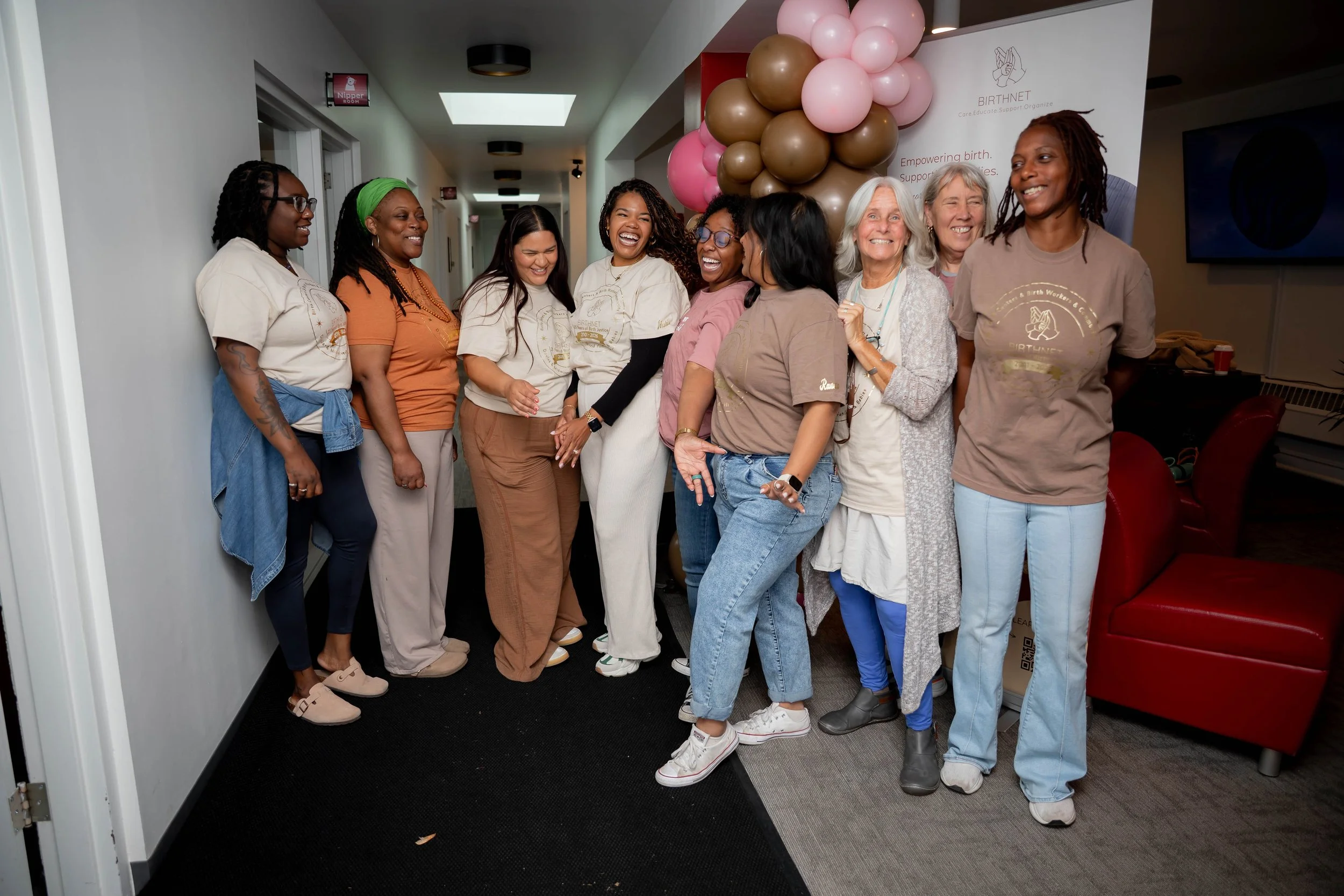
Photos provided by BirthNet
“BirthNet's mission matters to me because birth should not be a situation where your race, income, ZIP code, or identity determines the quality of care you receive. Every family deserves to feel safe, respected, supported, and heard. That should not be a luxury.”
BirthNet is a grassroots birth justice nonprofit organization dedicated to eliminating inequalities in birth outcomes, especially for childbaring black and brown individuals, who face bias and discrimination at a concerning rate due to institutional racism in the medical field. BirthNet’s goal is to educate, give opportunity to families, and train doulas to ensure safe, respectful, and dignified maternity and infant care.
BirthNet is celebrating 25 years of their organization, particularly highlighting their receipt of a grant from Charles Touhey Funds and the appointment of Tershia Ellis — a black mother of three from Troy — to the role of Maternal Health Equity Director. Additionally, Tabitha Cropper’s — a mother of three from Albany — appointment to board chair, the first Latina woman to hold that position.
A gala to benefit BirthNet — aptly titled “Birth is Power” — will be held at Glennpeter Jewelers on Central Avenue this Thursday. All are welcome to attend, and tickets are available on BirthNet’s website.
To get more information on BirthNet and the event, I was lucky enough to speak to Ellis via email.
* * *
Katie Leach: How did you start working with BirthNet?
Tershia Ellis: My journey with BirthNet grew out of my work as a doula and my commitment to supporting families through pregnancy, birth, and postpartum. I became a doula in 2019 after working with young parents and seeing firsthand how much the right support can change someone's experience of becoming a parent.
BirthNet felt like a natural fit. I wanted to do more than support families one birth at a time. I wanted to help change the systems and circumstances that make birth and parenting harder for some families than others. I became involved with the organization, stepped into board leadership, and have been helping grow the work ever since. Apparently, I am not particularly good at doing things halfway!
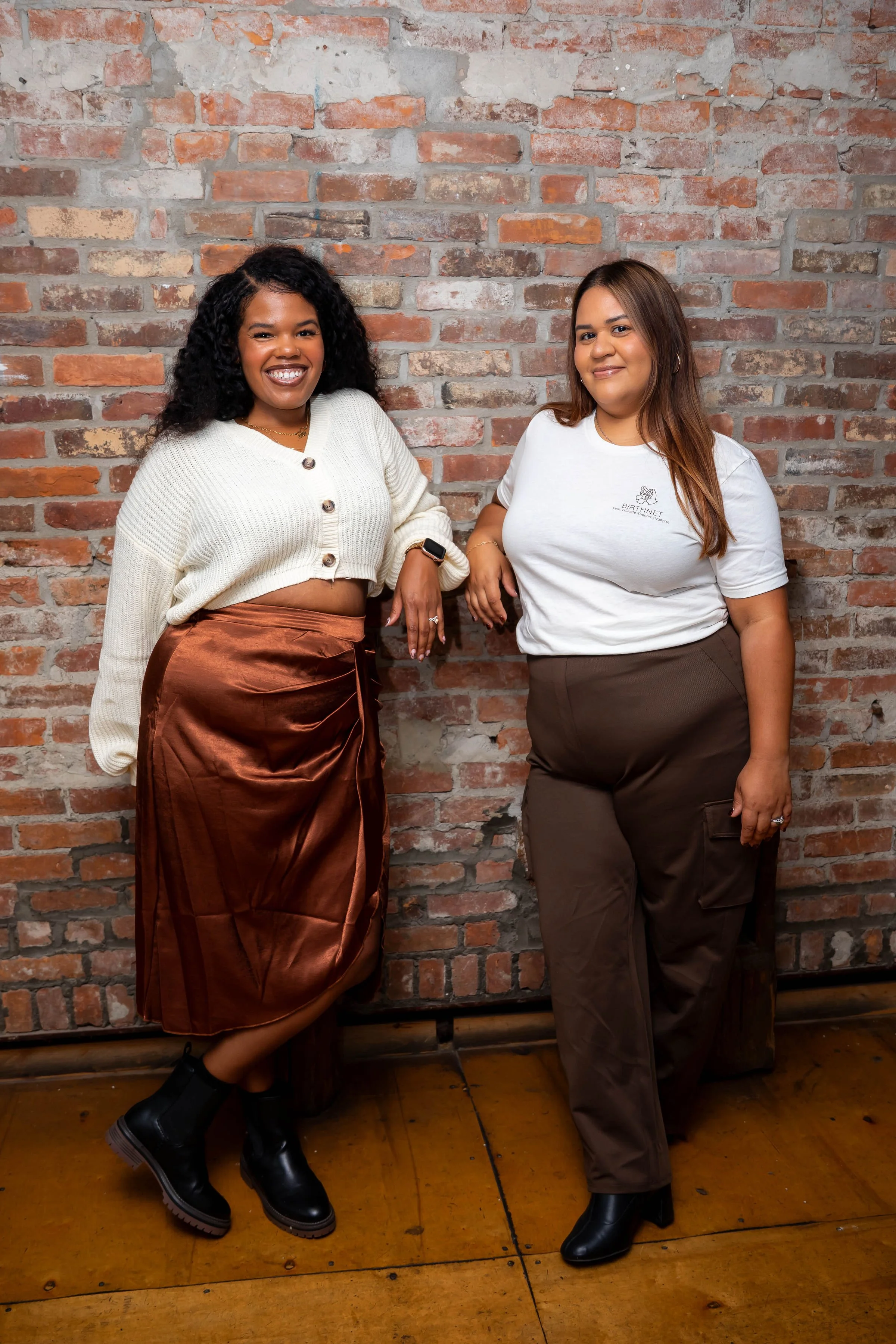
KL: As a teacher, I was thrilled to read about your experience in early childhood education. How do you think that prepared you for or opened your eyes to BirthNet?
TE: My background in early childhood education taught me that supporting a child means supporting the people and the environment around that child, too. You cannot talk about a child's development without talking about their caregivers, their resources, their relationships, and the systems they have to navigate.
My education in early childhood, sociology, and Africana studies helped me connect the dots between individual experiences and larger systemic issues. It opened my eyes to how much a family's access to resources, quality care, and community support can shape their outcomes.
That perspective carries into my work with BirthNet. We have to look beyond the birth itself and consider the entire experience of becoming and being a parent. It also means thinking about the people entering these professions and how we prepare the next generation to provide compassionate, culturally responsive care. Education is one of the ways we can create change that lasts beyond any one program or intervention.
KL: Can you give me a bit of background on why BirthNet's mission is important to you?
TE: BirthNet's mission matters to me because birth should not be a situation where your race, income, ZIP code, or identity determines the quality of care you receive. Every family deserves to feel safe, respected, supported, and heard. That should not be a luxury.
As a Black woman, a mother, and a doula, I care deeply about addressing the inequities that exist in maternal health. We cannot talk about birth outcomes without talking about racism, access to care, the loss of maternity services in our communities, and whether birthing people are actually being listened to.
I also believe firmly in bodily autonomy. People deserve to make informed decisions about their bodies and their births without having to fight to be treated with dignity. That includes LGBTQ+ families, young parents, and people whose needs are too often overlooked in traditional healthcare settings.
One part of our work that is especially meaningful to me is the Teen Doula Equity Fund, named in honor of Esther Patterson, who was a tremendous driver of this work. It recognizes that young parents deserve investment, opportunity, and support rather than judgment. I want us to keep building a community where families are supported and the people serving them have the tools and opportunities to do that work well.
KL: Congratulations on the grant BirthNet just received! What would you like to see BirthNet do with those funds, and what are your goals for the next year or so?
TE: Thank you! We are incredibly grateful for this investment because it gives us an opportunity to build on what BirthNet has accomplished while thinking bigger about the future of maternal health equity.
One of my biggest goals is to develop stronger partnerships with colleges and universities. I want BirthNet to be part of how the next generation learns about maternal health, birth equity, and the realities families face when navigating healthcare. There are so many opportunities to connect students with community based learning, bring lived experiences into the classroom, and introduce future healthcare professionals and community leaders to this work before they enter the field.
I would love to see us build educational partnerships that create meaningful pathways for students to learn from doulas, engage with families and community organizations, and better understand culturally responsive care. We should not have to wait until someone is already working in healthcare to start teaching them about maternal health disparities and the importance of listening to the people they serve.
I also want to continue investing in doula education and training, particularly for Black and Brown doulas who reflect the communities we serve. We have trained more than 32 Black and Brown doulas since shifting our focus, and we want to keep expanding those opportunities. Education can open doors to new careers, strengthen our local workforce, and help ensure families have access to support from people who understand their communities.
Finally, I want to strengthen BirthNet's organizational capacity so we can sustain this work for the long haul. We are a 25 year old organization with a rich history, a lot of heart, and plenty of room to grow. The goal is to turn the momentum we have built into lasting partnerships, stronger educational opportunities, and a broader impact across our region.
For me, this grant is about more than funding individual programs. It is an opportunity to invest in the people who will shape maternal healthcare in the years to come.
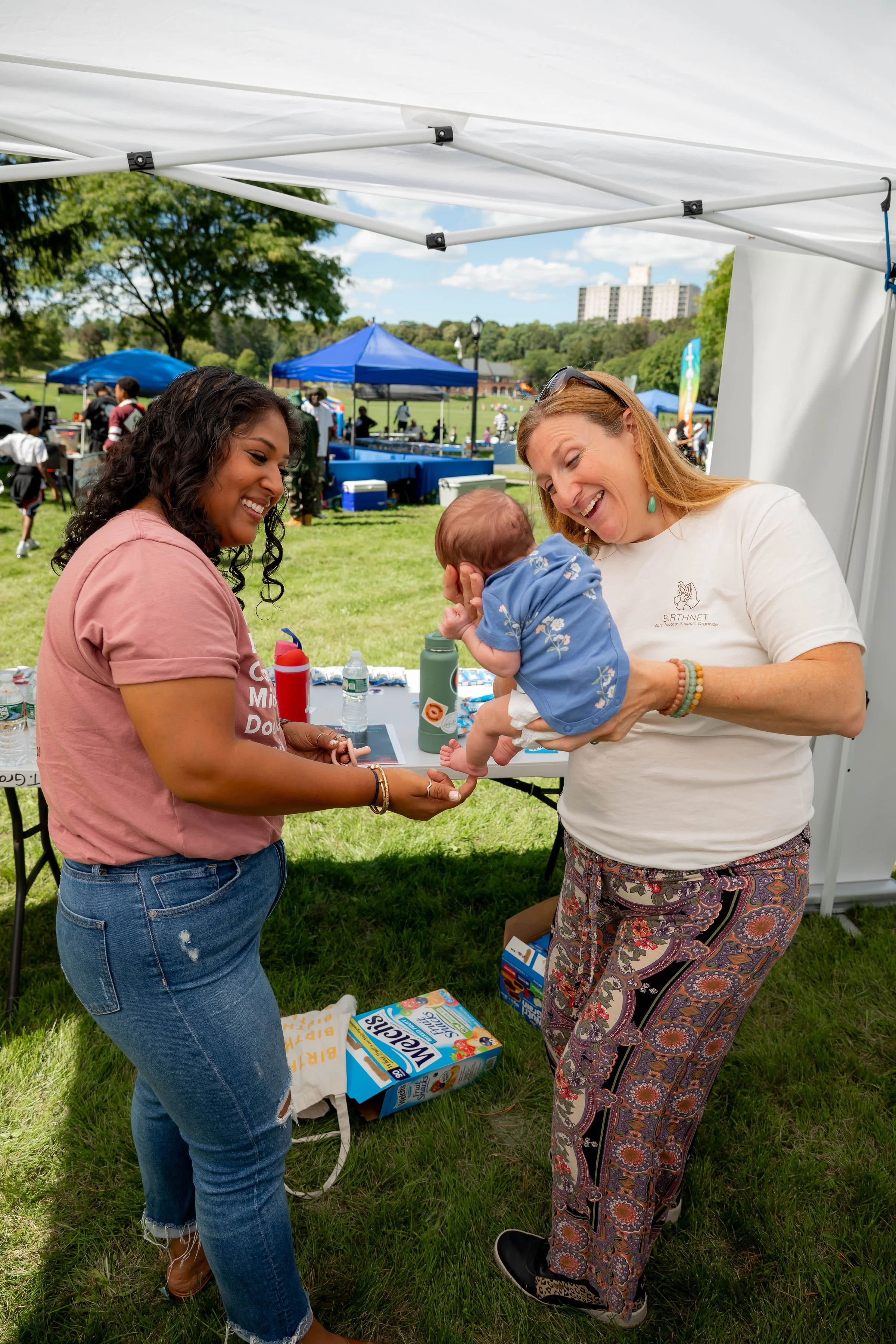
KL: Please tell me more about the gala! I love the name. It sounds like a wonderful event. What can people expect that evening?
TE: We are celebrating 25 years of BirthNet, and that is absolutely worth celebrating! Twenty five years of showing up for families, building community, and working toward better birth outcomes is a milestone we are proud of.
The gala is an opportunity to bring together the people who have helped make this work possible, including our community partners, advocates, doulas, supporters, and everyone who believes families deserve better. We want to celebrate the relationships and accomplishments that brought us here while giving people a glimpse of where BirthNet is headed.
People can expect an evening of connection, celebration, and a chance to learn more about the impact of this work. And, of course, an opportunity to get dressed up for a good cause! I love bringing people together who care about the same things. You never know what partnership or new idea might come out of a conversation.
We are proud of our history, but we are just as excited about what comes next. My hope is that people leave feeling connected to the mission and inspired to be part of the next chapter.
KL: I was happy to see LGBT people included in some of the information on your website. I found everything to be really informative and inclusive. Thank you for all the amazing work you do!
TE: Thank you for saying that! I really appreciate it because inclusion has to be intentional. It is not enough to say everyone is welcome if the language we use, the services we provide, or the assumptions we make tell people otherwise.
Families do not all look the same, and our work should reflect that. LGBTQ+ parents deserve affirming care, respect, and access to resources without having to explain or defend who they are. That should be the standard, not something extraordinary.
I want people to see themselves reflected in BirthNet's work and know that they belong here. We will always have more to learn and room to grow, but creating an environment where people feel respected and supported is essential to the work we do. Thank you for noticing that and for taking the time to acknowledge it.
KL: What else does BirthNet have on the horizon?
TE: BirthNet is both an organization with a 25 year history and one that is actively looking toward the future. We are continuing to expand our work, build partnerships, and find new ways to address maternal health inequities in our region.
I would especially love to highlight our Teen Doula Equity Fund and the legacy of Esther Patterson. Esther was a major driver of this work, and the fund honors her commitment to creating opportunities for young parents and the people who support them. That legacy is an important part of BirthNet's story.
We are also entering an exciting new chapter in our leadership. With Tabitha Cropper stepping into the role of Board Chair, we are looking to grow our board and welcome new members who are passionate about maternal health equity, community engagement, and supporting families. We want people who bring different experiences, perspectives, skills, and ideas to the table. You do not have to be a doula or a maternal health expert to contribute. We need people who care about this work and are ready to help us move it forward.
As we celebrate 25 years, I hope more people will connect with BirthNet, explore opportunities to partner with us, consider joining our board, and help us prepare the next generation to do this work. Maternal health equity is not just a conversation for people who are pregnant or planning to have children. It is about education, workforce development, access to care, and the kind of communities we want to build.
We have made meaningful progress, but there is still plenty to do. I am excited about what comes next and about bringing more people into the work of making BirthNet's next 25 years just as impactful as the first.
BirthNet’s gala will be held on Thursday at Glennpeter Jewelers on Central Ave in Albany. Tickets are available on BirthNet’s website, birthnewyork.org. To keep up with BirthNet, visit @birthnetny on Instagram and Birth Net on Facebook.