PREVIEW: Say Hello to New York State Museum’s “Barbie: A Cultural Icon” Exhibition
Through 03/08
** This article originally appeared in our February 2026 issue **
Photos by Elissa Ebersold
“Grandmothers walked slowly with pre-teen grandchildren, new parents posed with their babies in the Barbie Dream House replica… and everyone lined up to take pictures in Barbie boxes.”
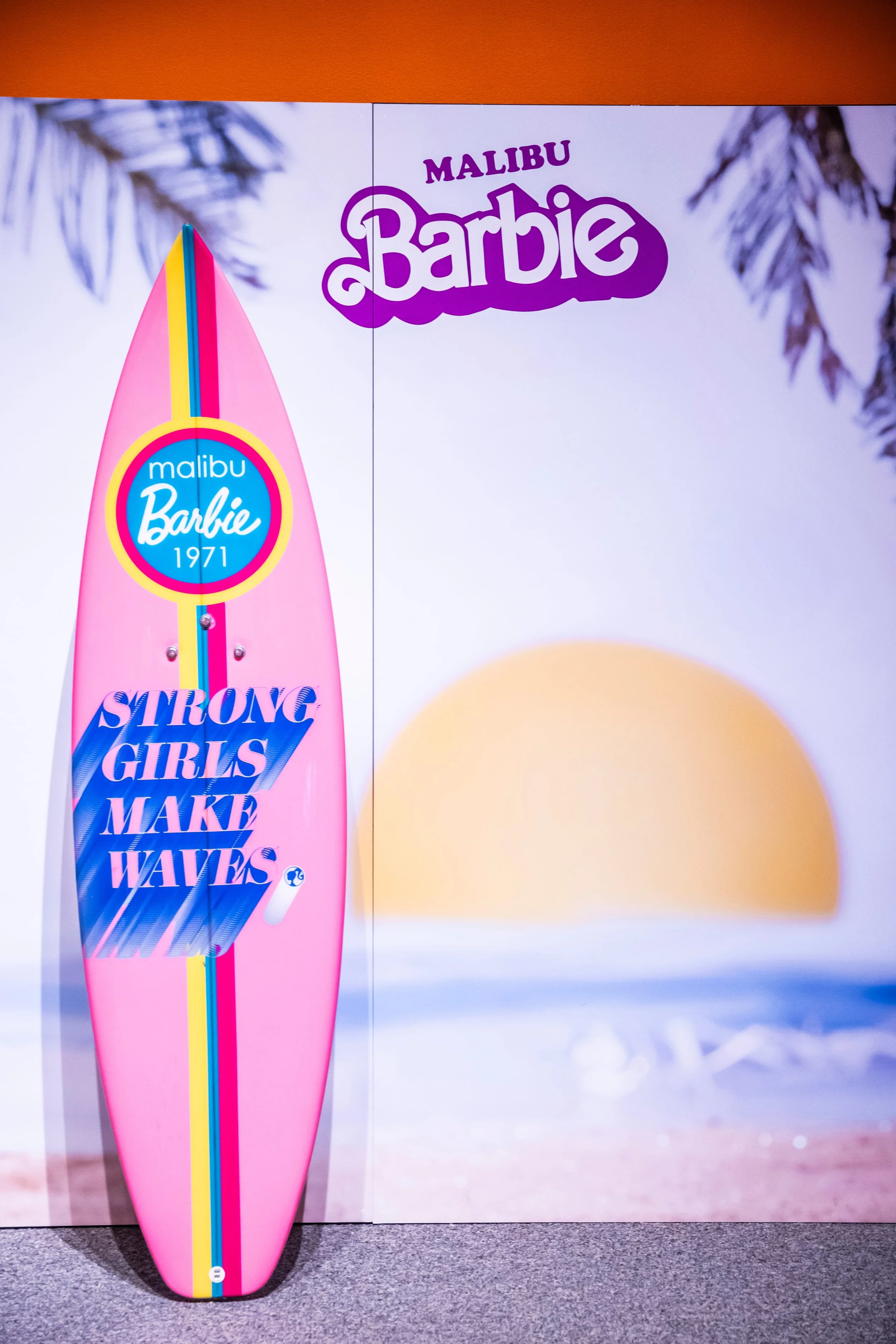
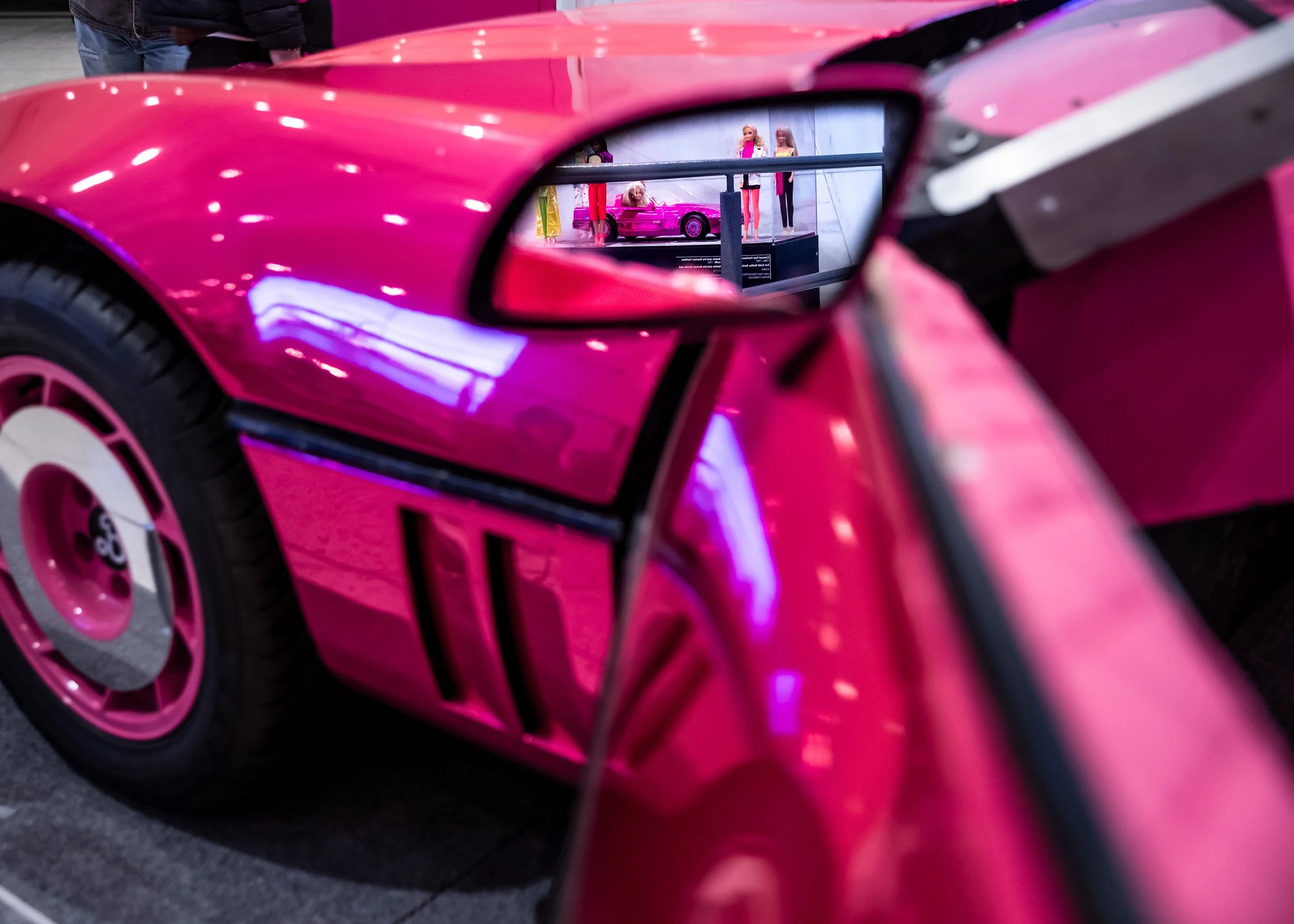
If you were walking by the New York State Museum and weren’t aware of the new exhibit, you would surely be able to guess what it was from the swarms of young children, splashes of bright fuchsia throughout the building, and the lifesize metallic pink convertible — affixed with New York State license plates reading Barbie — prominently displayed in the foyer. The New York State Museum unveiled their Barbie™: A Cultural Icon exhibition, celebrating the feats of Mattel’s iconic toy.
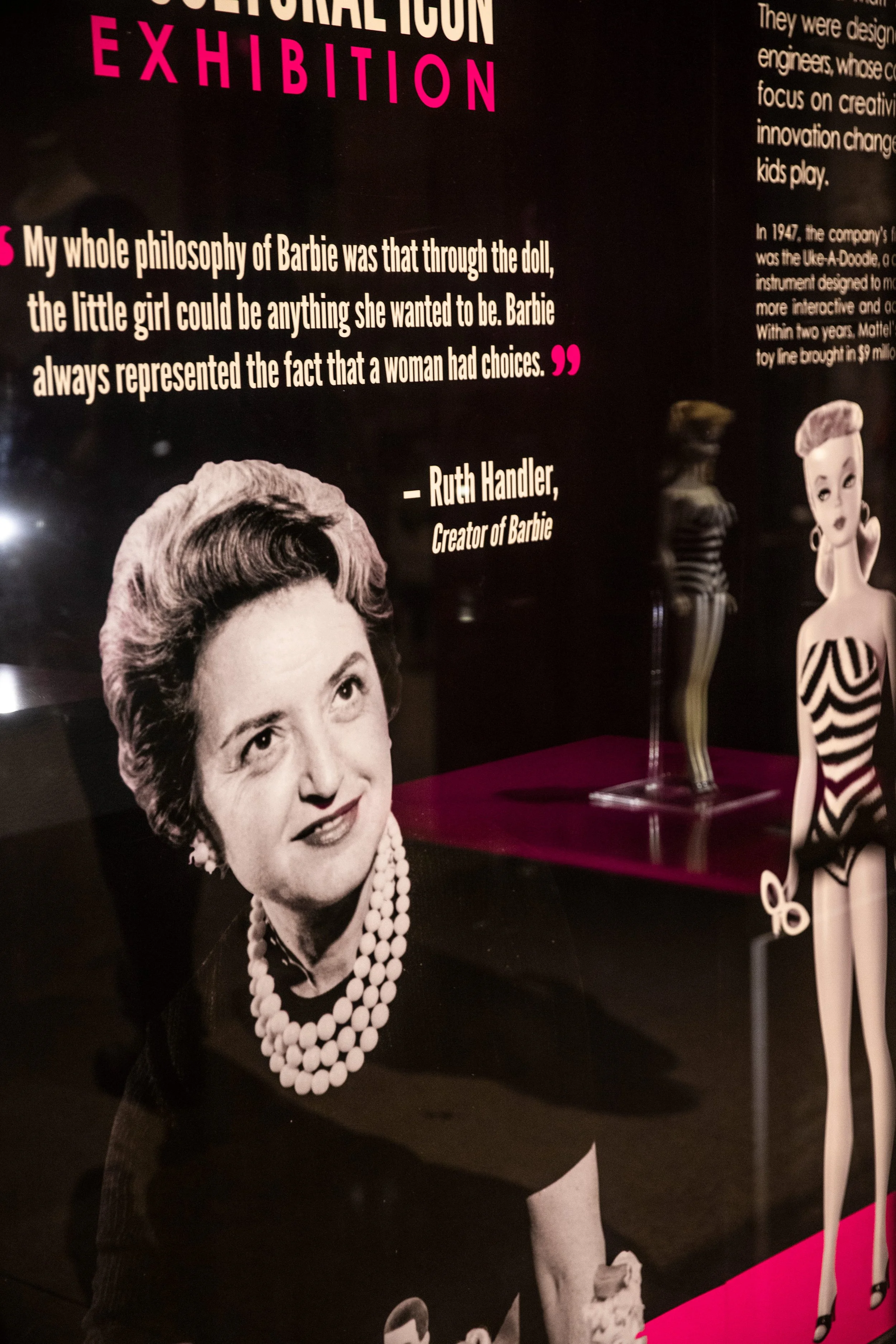
The exhibit starts with the origins of Barbie, capturing the interest of visitors with a meticulously preserved original Barbie doll from 1959, blonde hair almost neon under a spotlight, donning her original outfit: a black and white striped one-piece swimsuit. Next to her, a black and white (and pink!) board explaining a bit of her history.
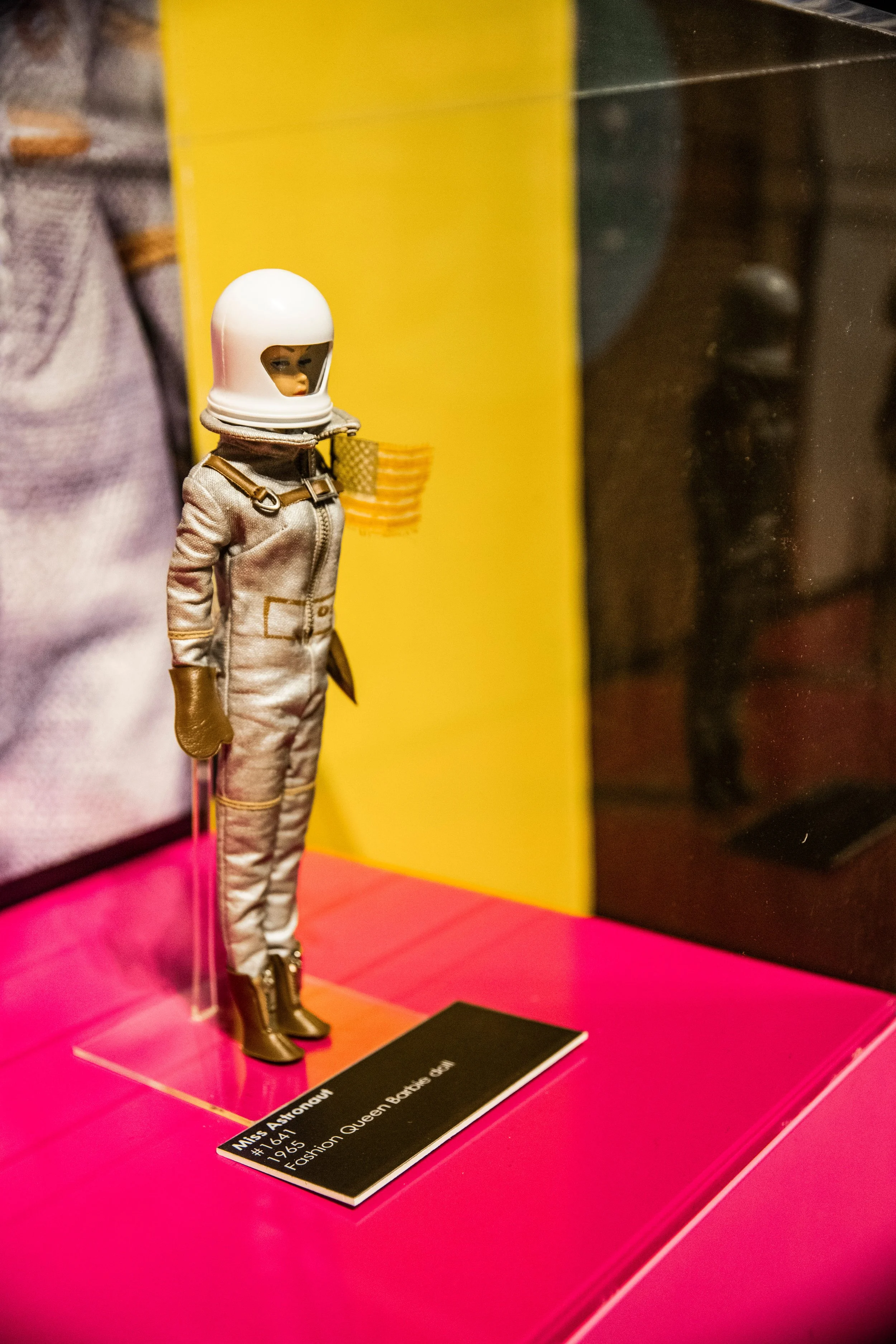
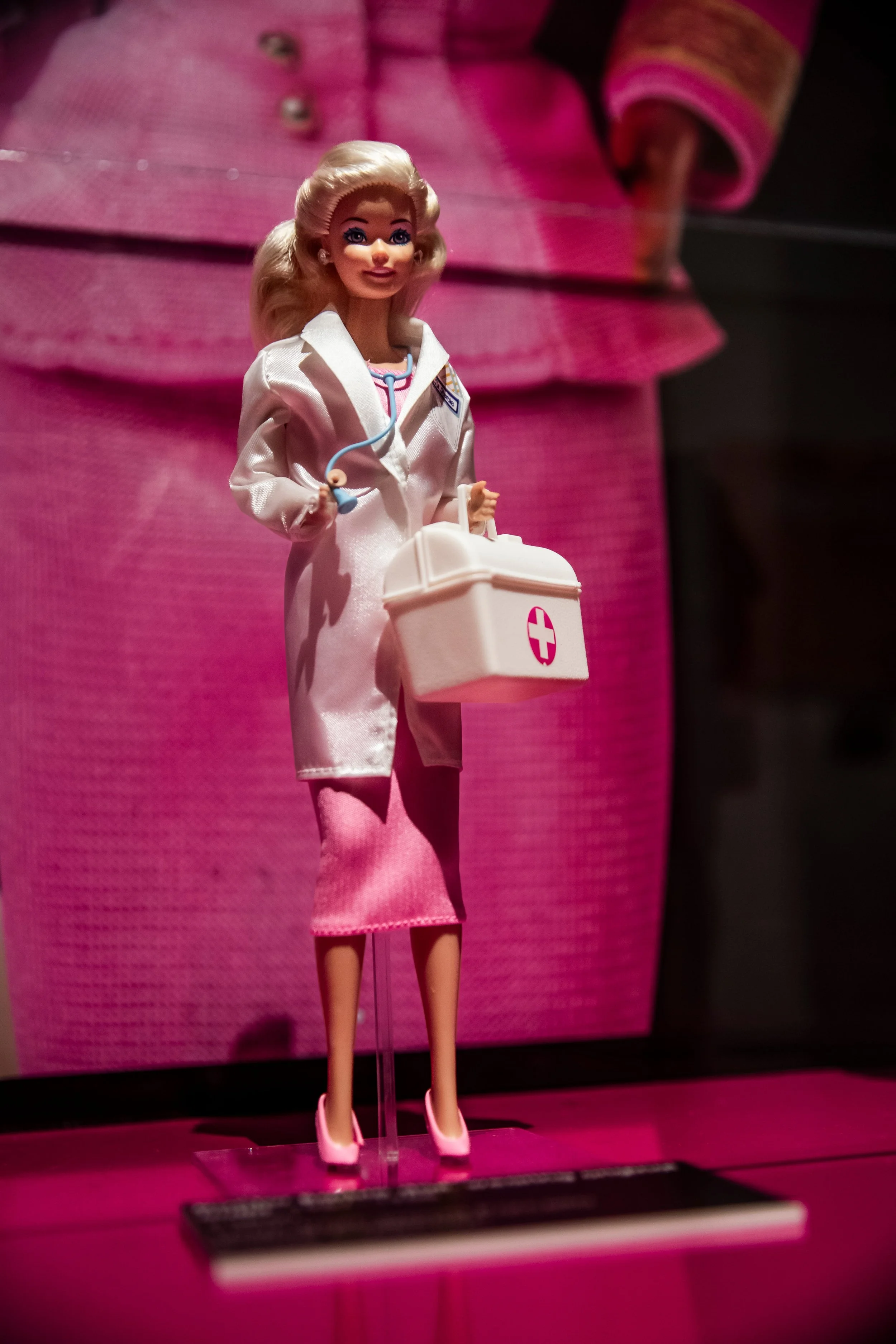
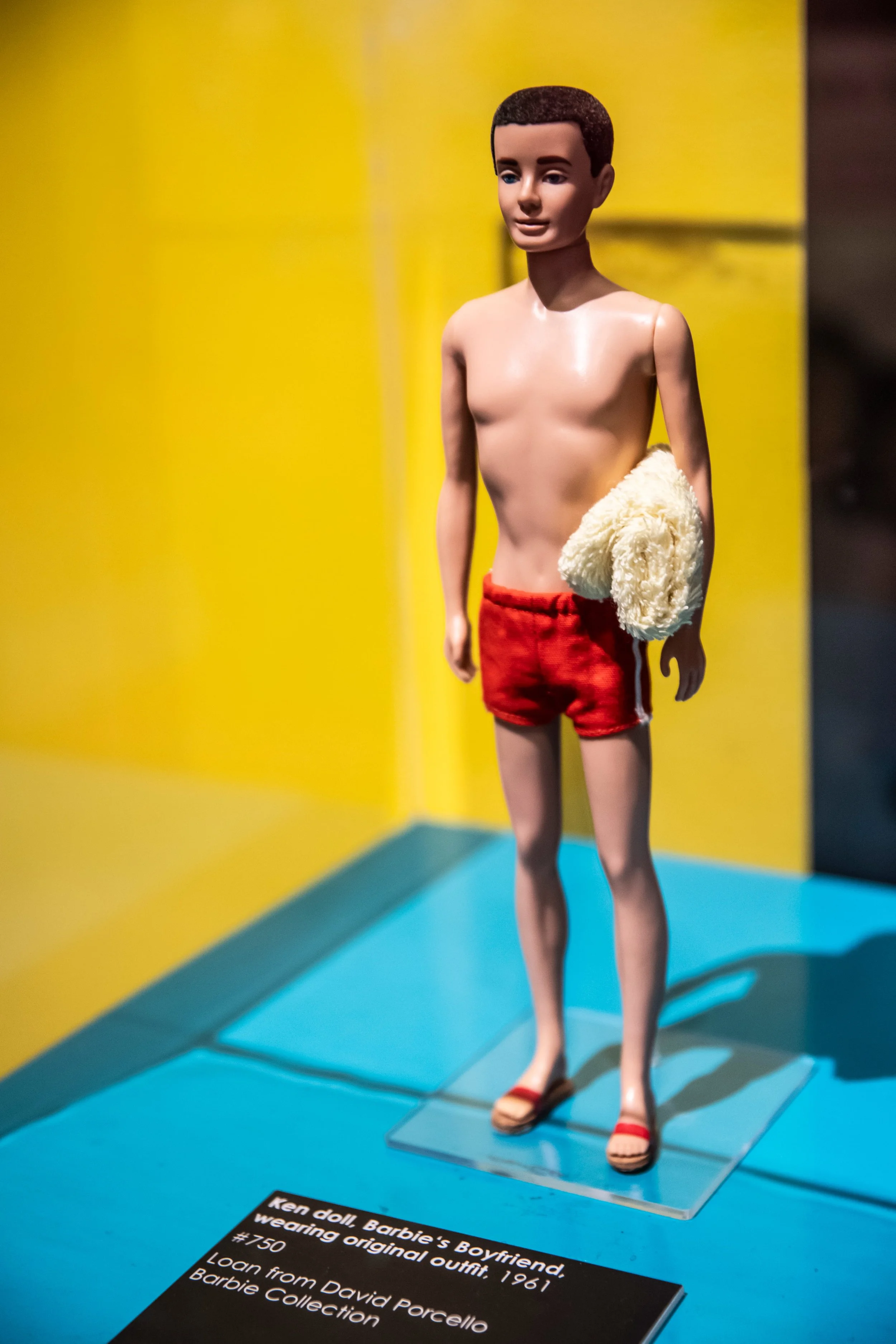
Ruth Handler, cofounder of the Mattel toy brand, noticed that her daughter, Barbara, didn’t have many toy options. She was limited to playing the role of a mother or caregiver. Handler’s son, Kenneth, on the other hand, could dream big. He had toys that allowed him to shoot for the stars. He could be a firefighter, an astronaut, a doctor… anything he’d like, really. From there, Barbie was born. A quote from Handler is prominently displayed next to the first Barbie: “My whole philosophy of Barbie was that through the doll, the little girl could be anything she wanted to be. Barbie always represented the fact that a woman had choices.”
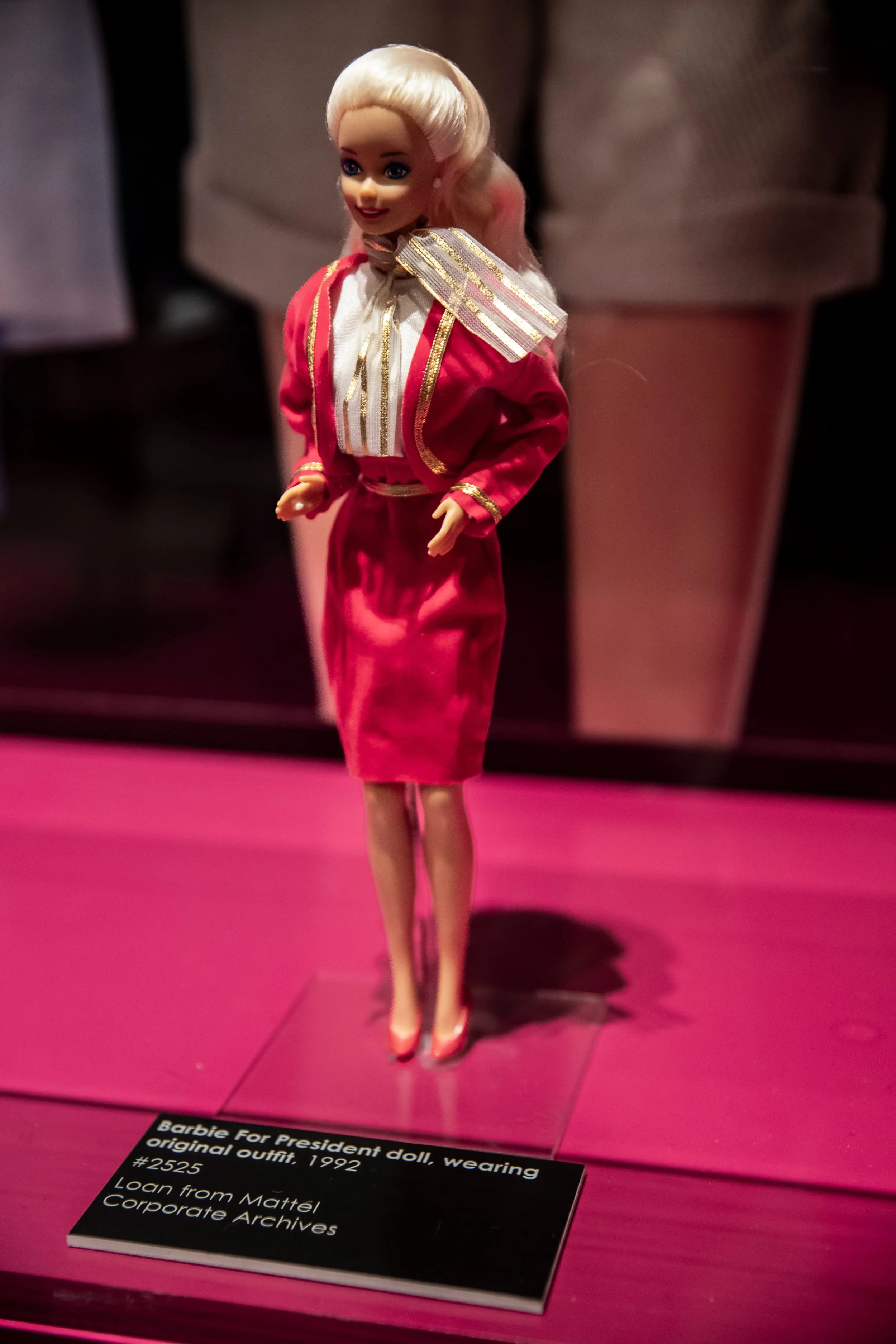
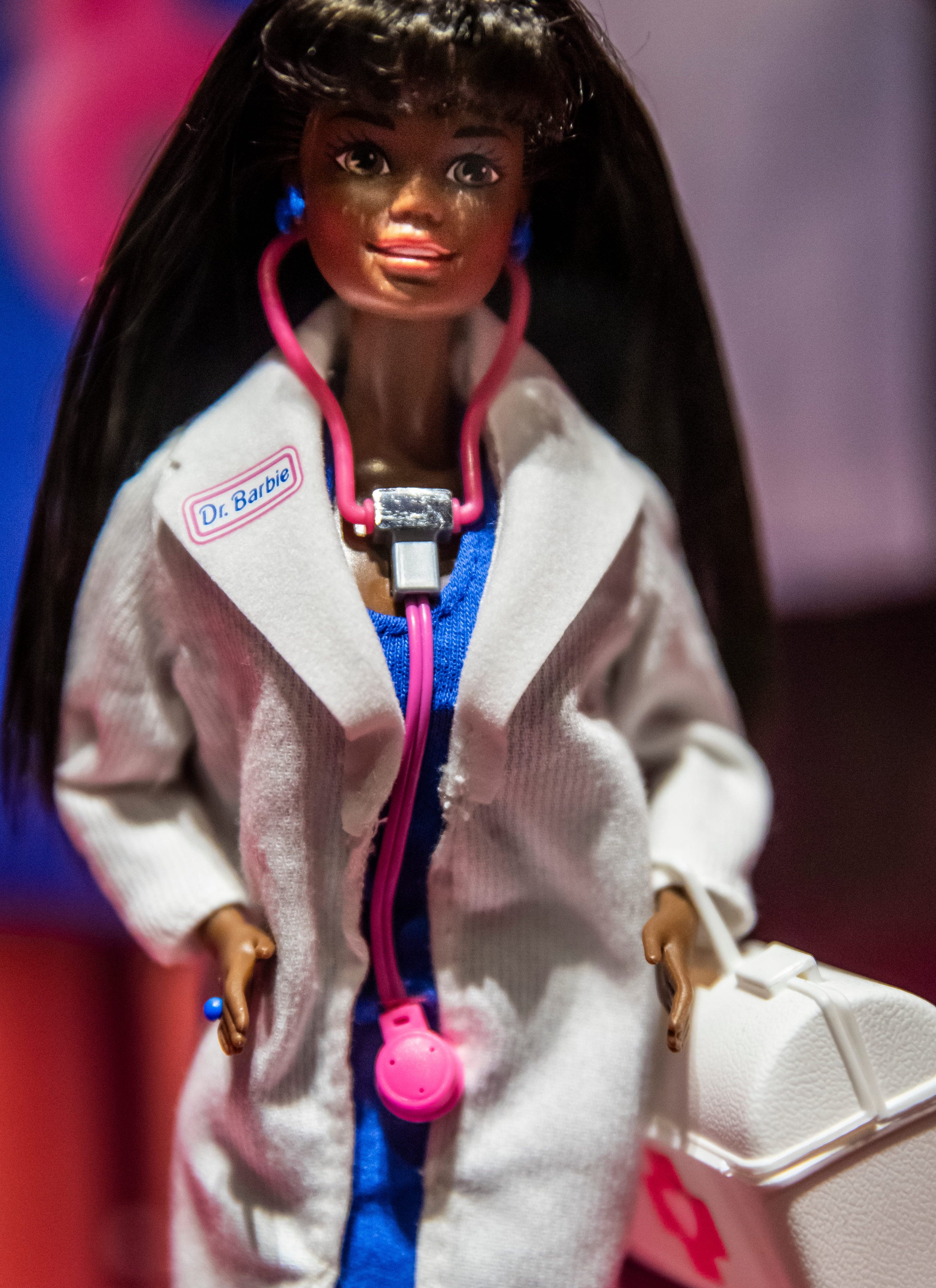
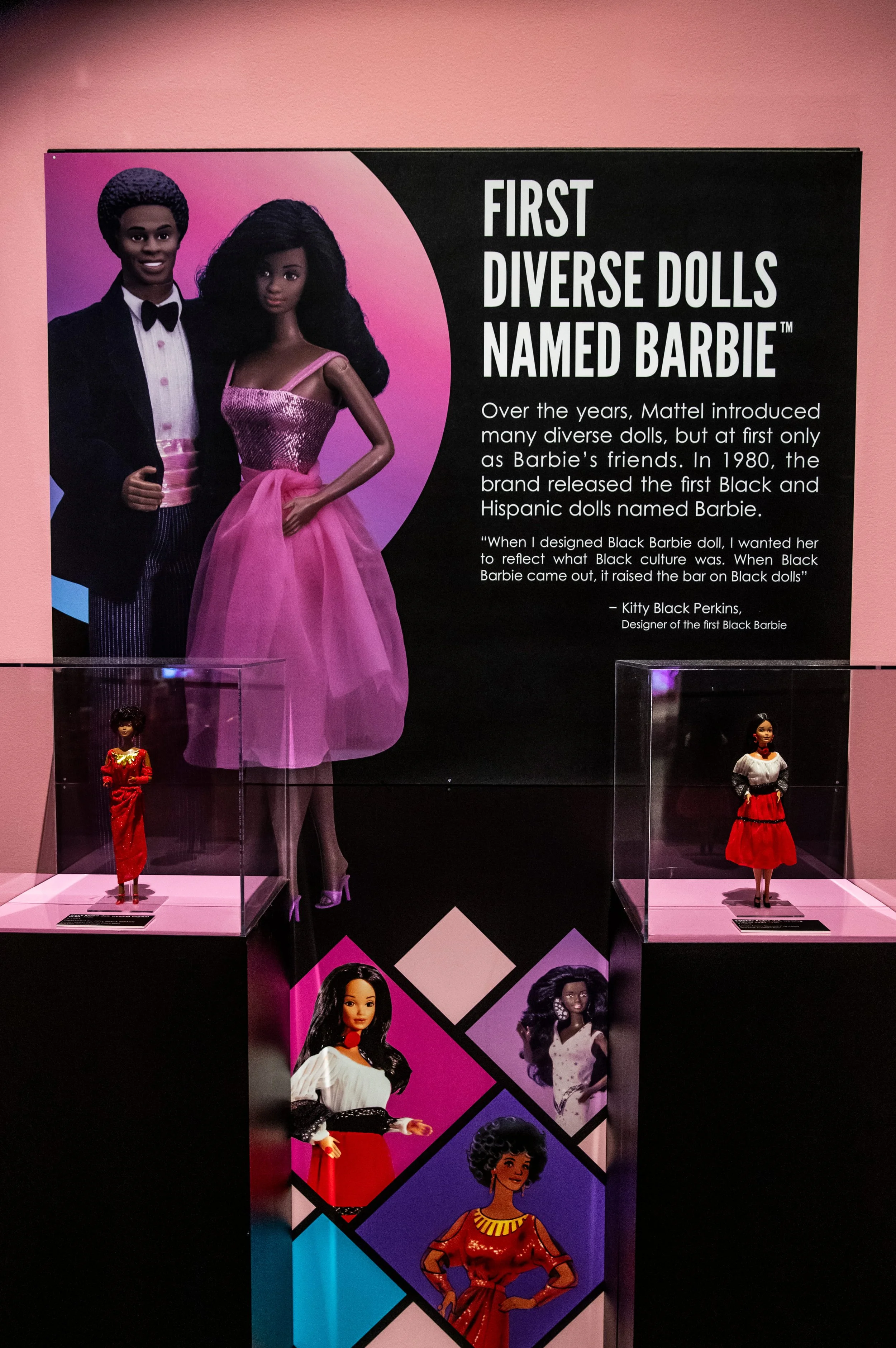
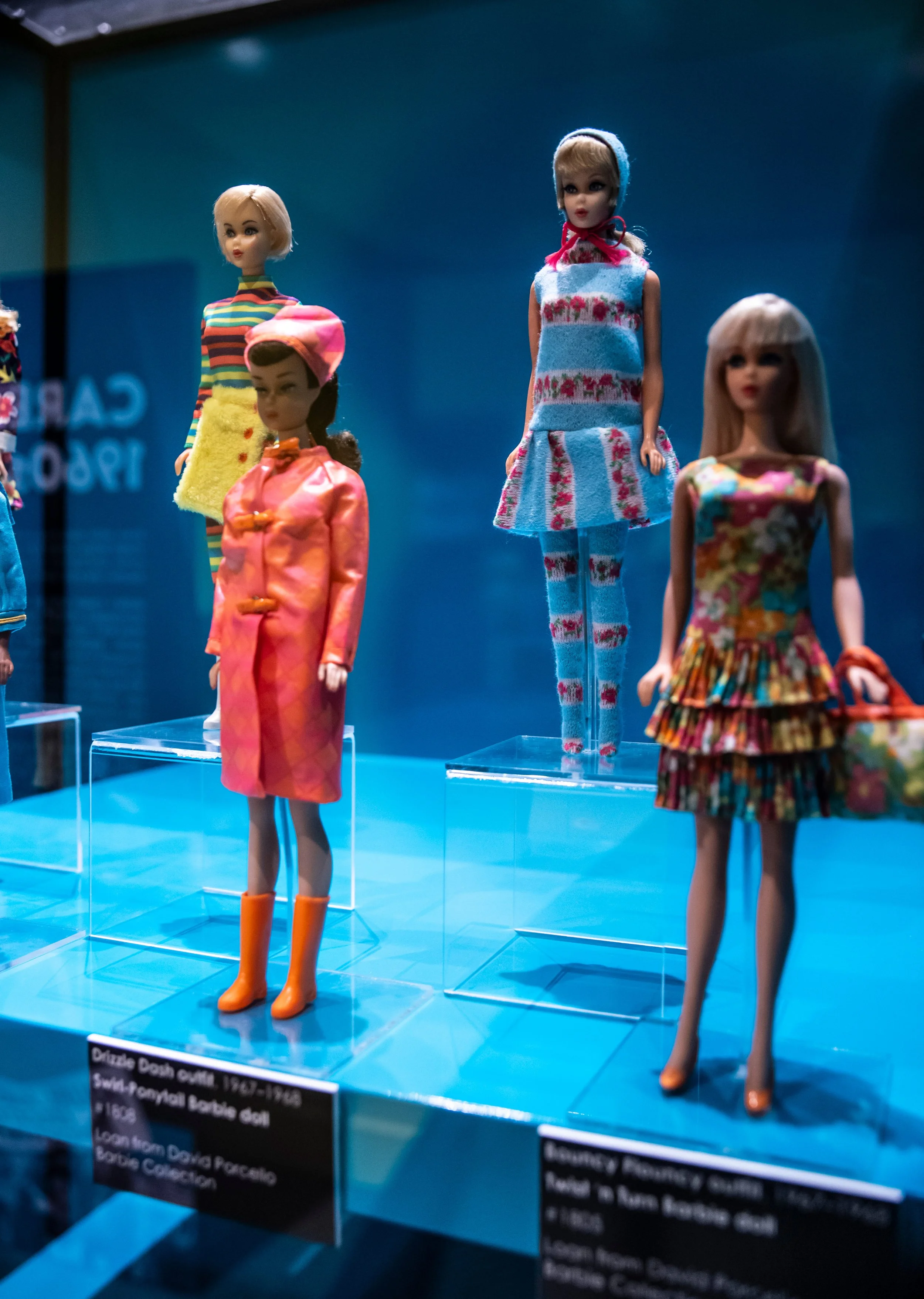
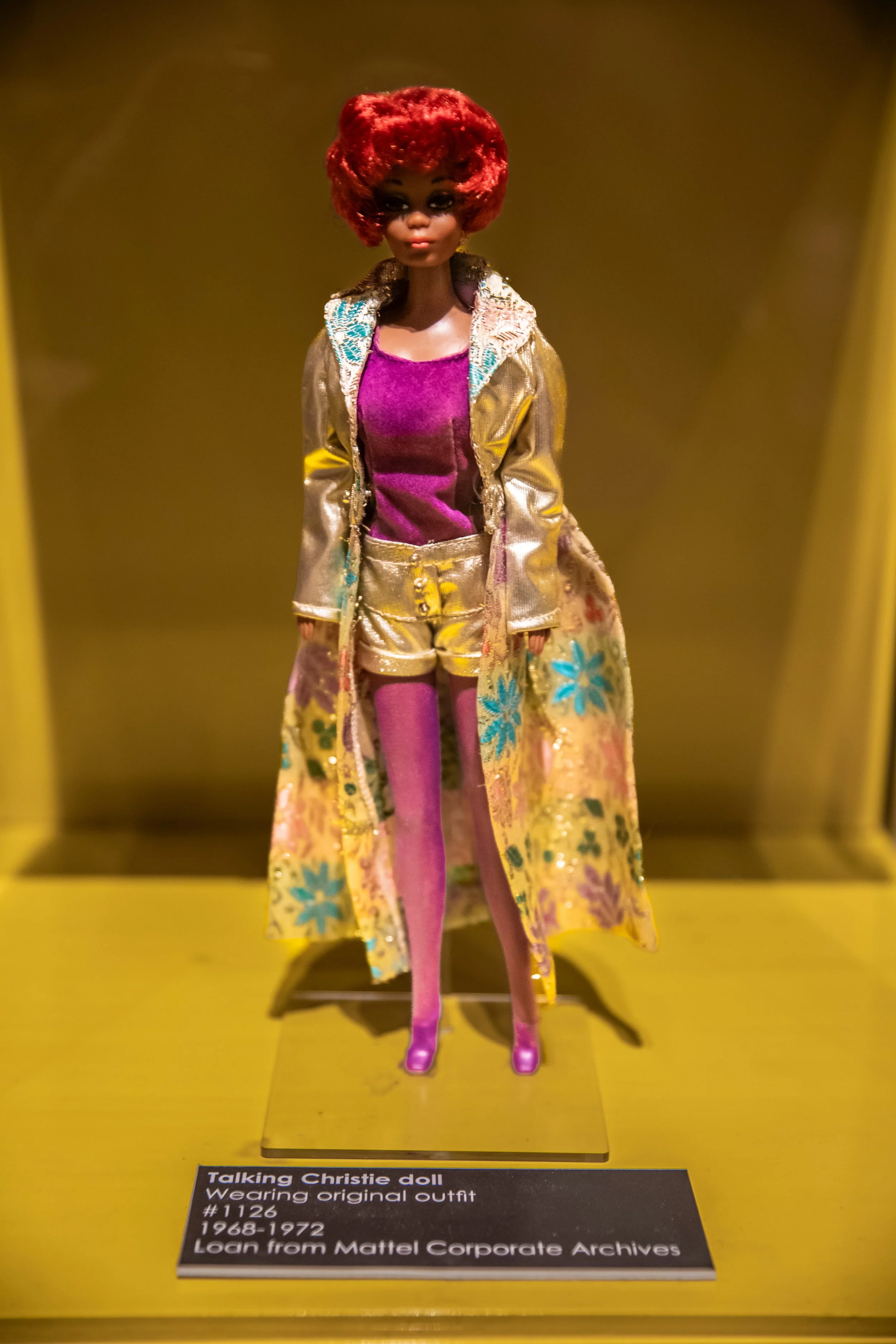
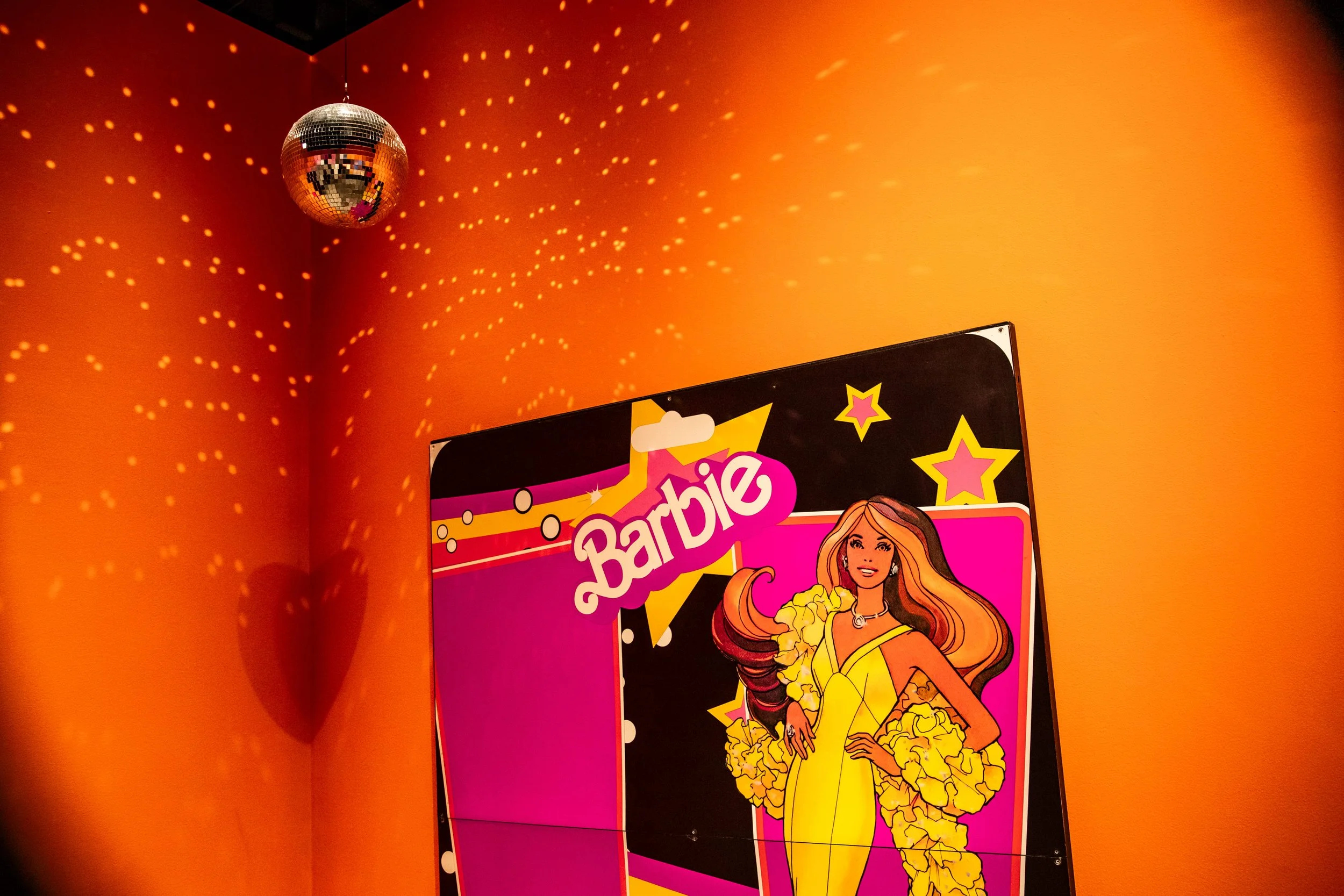
The exhibit highlights perhaps the most fascinating thing about Barbie: her place in history and pop culture. Throughout the NYS Museum’s exhibit are corners of each decade: The ‘50s, when she debuted. The ‘60s were when Christie, the first black doll, was created, notably with actual black facial features resembling black models of the time. The ‘70s section encourages museum visitors to pose under a disco ball and look at the wide range of Barbie’s fashion from the decade. In the ‘80s, Mattel increased the careers Barbie accomplished by adding their “We Can Do Anything” ad campaign, celebrating women’s accomplishments.
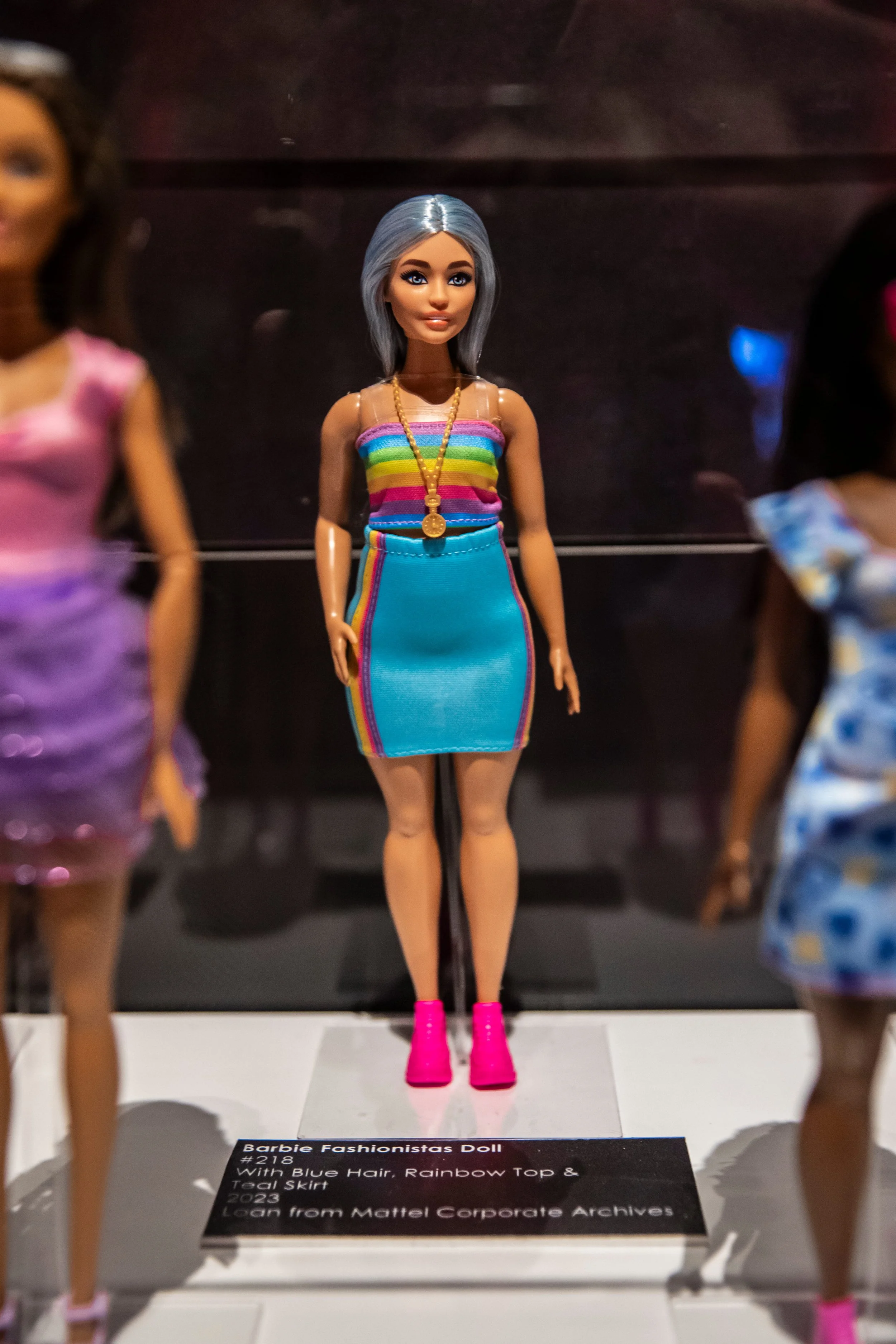
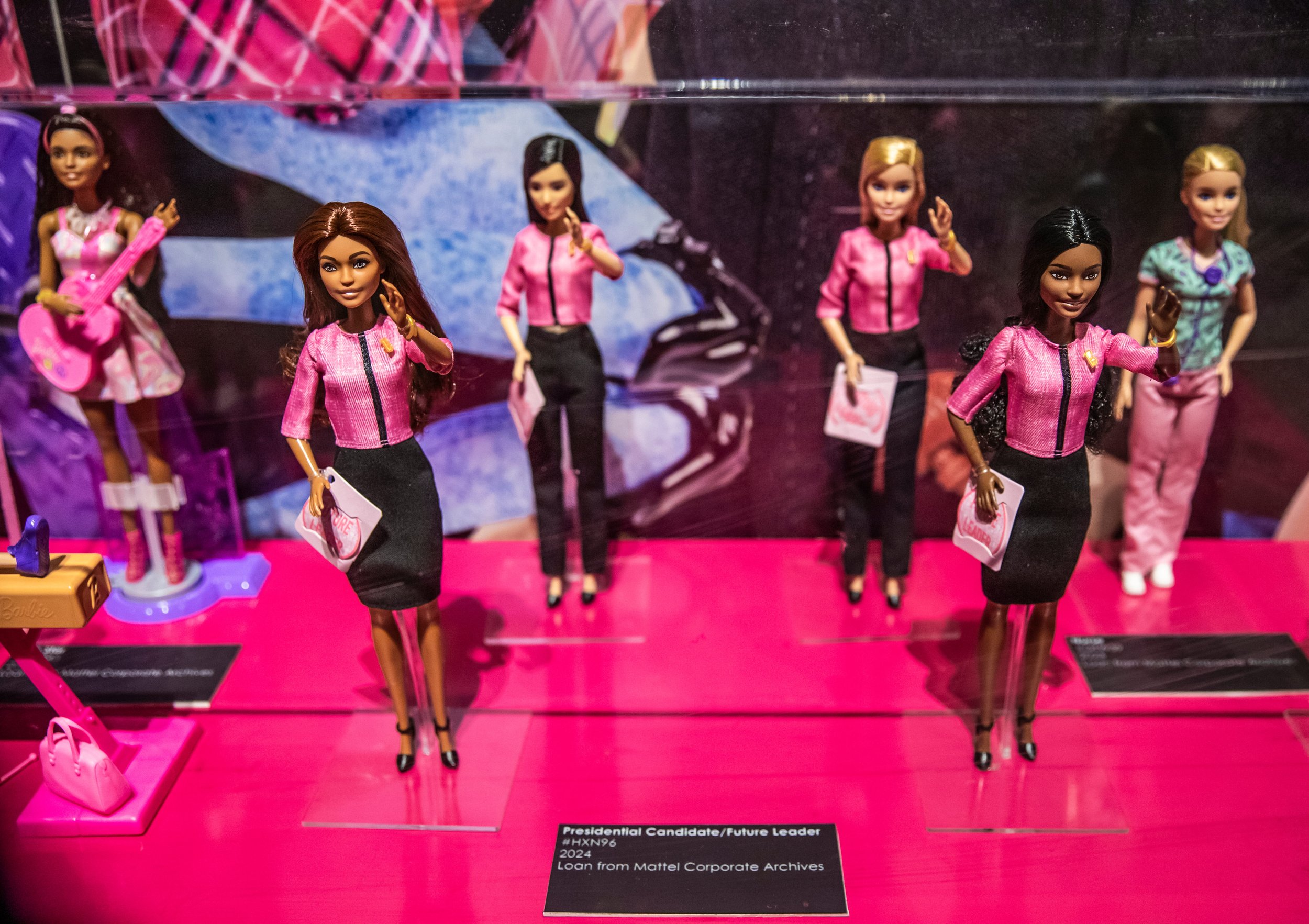
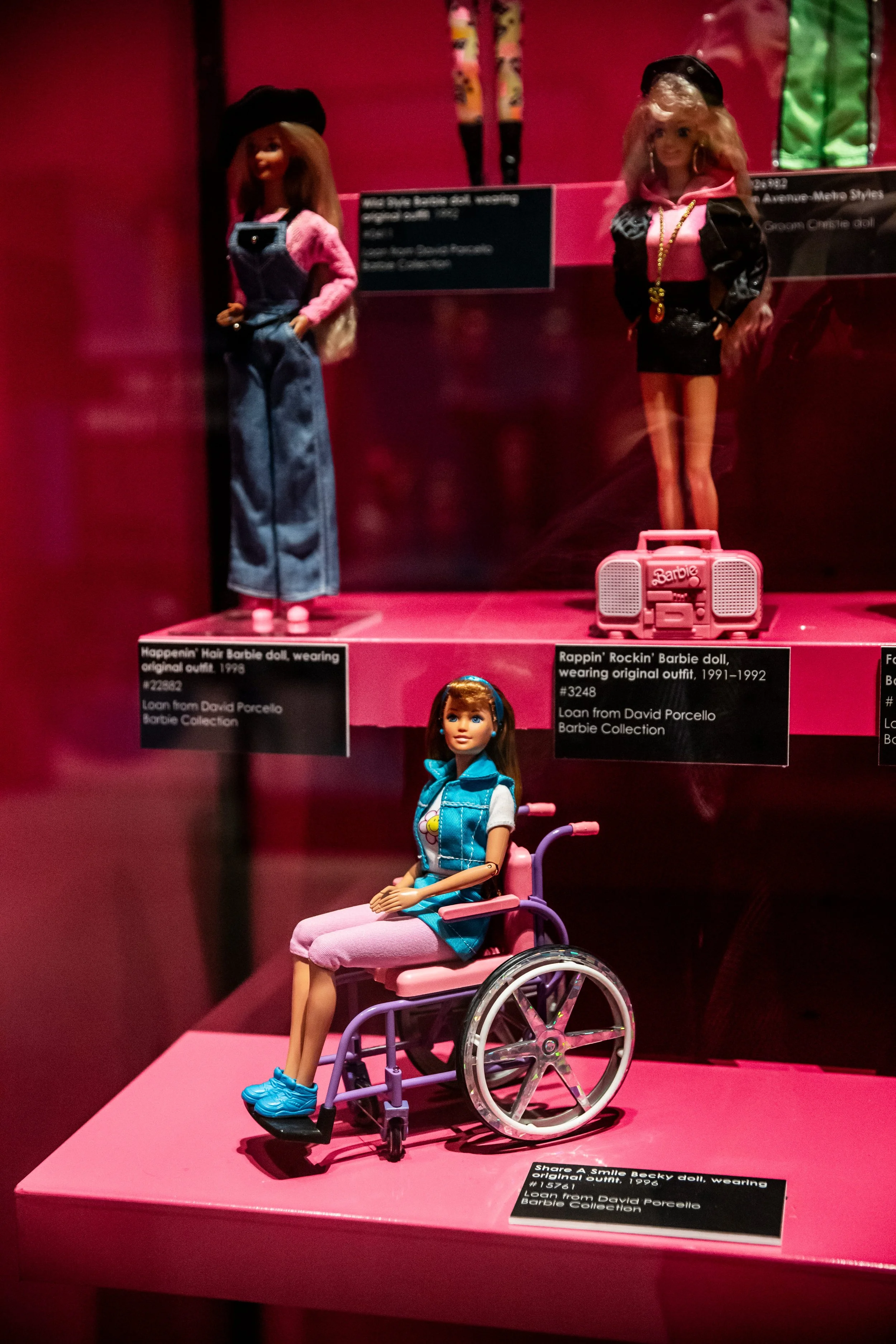
The exhibit ends with Mattel’s more recent endeavors — Barbies from the Barbie movie and a touching display of diverse dolls, reading “Barbie recognizes the importance of representation and is committed to continuing to better reflect the world kids see today. Children’s early experiences shape what they imagine to be possible. It’s important for them to see themselves reflected in product and content and to be exposed to different skin tones, hair types, and disabilities. Today, Barbie is the most diverse and inclusive doll line in the world, with 35+ skin tones, 94+ hairstyles and 9 body types.” Under that is a case that features Barbies of different skin tones, body shapes, and includes a Barbie with vitiligo, a Barbie with alopecia, a Barbie in a wheelchair, and a Ken with a prosthetic leg.
Throughout the exhibit, people of all ages eagerly pointed out which dolls they had or remembered. Grandmothers walked slowly with pre-teen grandchildren, new parents posed with their babies in the Barbie Dream House replica, kids pulled on their family member’s sleeves, excitedly announcing “there’s more Barbies this way!,” and everyone lined up to take pictures in Barbie boxes. A stranger noted the displays seemed a bit low to the ground and they needed to bend to really get a closer look. Another museum visitor said with a smile, “it’s the perfect height for a kid.”
The New York State Museum’s Barbie exhibit captures the allure of Barbie while being a feat of archival, engineering, and fashion work. Barbie will be in Albany until March 8. Catch her before she’s gone in a flash of Pantone’s 219C pink.
For more information about the New York State Museum please visit nysm.nysed.gov.