
PREVIEW: Ballet Hispánico Opens a New Chapter with CARMEN.maquia
03/20 @ The Egg, Albany
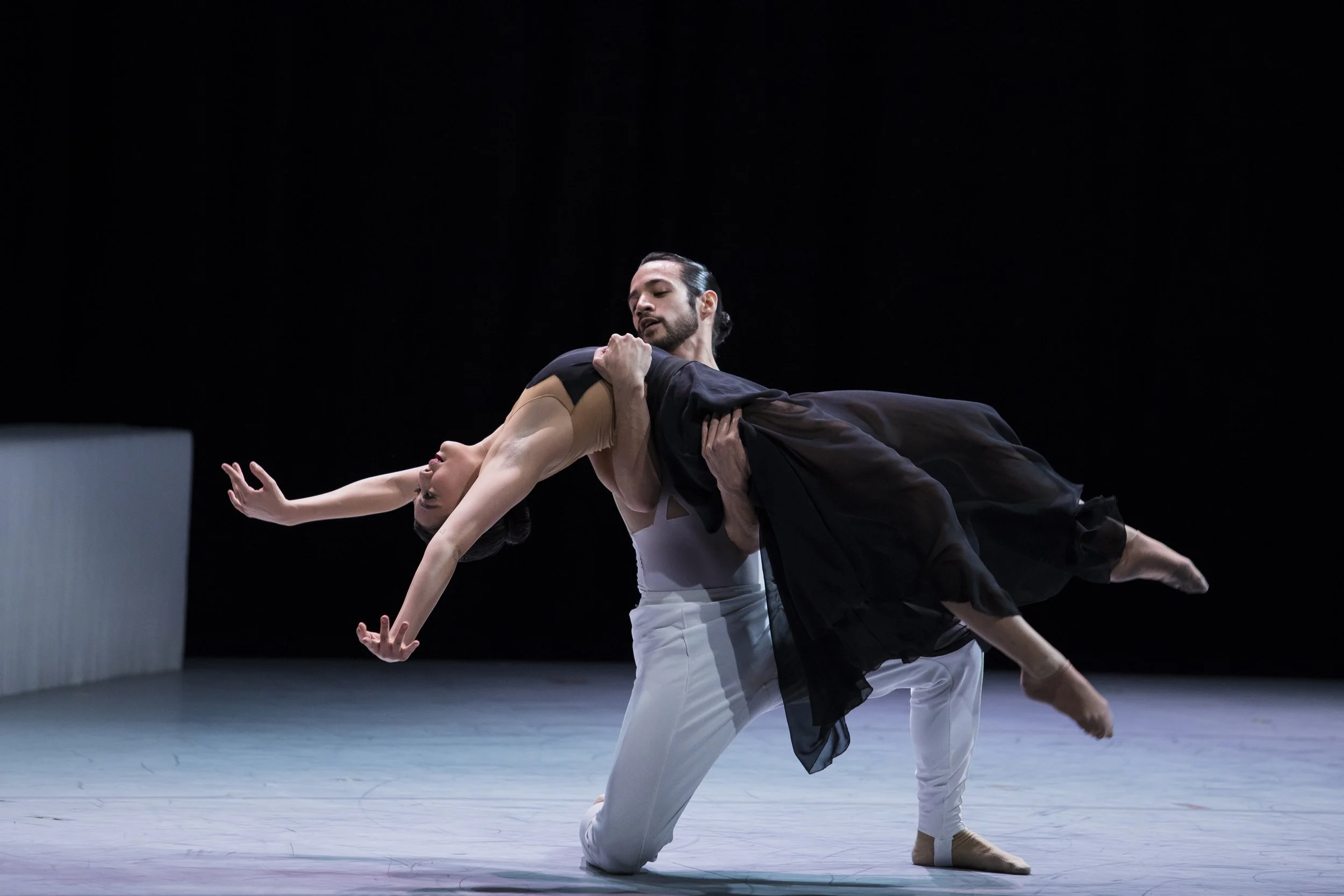
Photo by Marius Fiskum/Northern Lights Festival
“I want audiences to leave with more curiosity. I want them to be in the gray.”
The return of Ballet Hispánico to The Egg is nothing short of a homecoming with purpose. Nearly five decades after the company first appeared during the venue’s grand opening weekend in 1978, the nation’s leading Latino dance institution arrives again in Albany with CARMEN.maquia, a bold reimagining of Georges Bizet’s modern opera, just as The Egg steps into its own newly renovated chapter.
Artistic Director and CEO Eduardo Vilaro does not shy away from the energy of the moment. “I’m excited to be part of that,” he says, reflecting on The Egg’s reopening. “It is important for everybody to join in on the celebration.” For Vilaro, the intersection of renewal, both for a historic venue and an evolving art form, carries weight beyond nostalgia. It signals a renewed invitation for audiences to gather around a shared cultural experience.
That sense of urgency is loud and clear. Vilaro speaks candidly about the challenges facing the arts today, noting a fragile moment where creative expression feels increasingly under pressure. Yet his response is not retreat, but expressive. “Companies like ours are how our communities get through these things,” he says. “Having diversity on a stage opens all minds up to understanding how we can be better.” From that angle, Ballet Hispánico’s return to Albany becomes more than a performance. It becomes a statement.
CARMEN.maquia, hailed as a “masterpiece” by the Chicago Sun-Times, strips away the familiar visual shorthand of Bizet’s classic. Gone is the iconic red dress. Gone are the overt folkloric flourishes. What remains is something raw, distilled, and strikingly human.
“This work is not about accessorized culture,” Vilaro explains. “No red, no polka dots, no clicking castanets. People get to see and say, ‘Oh, it’s just like our daily life.’”
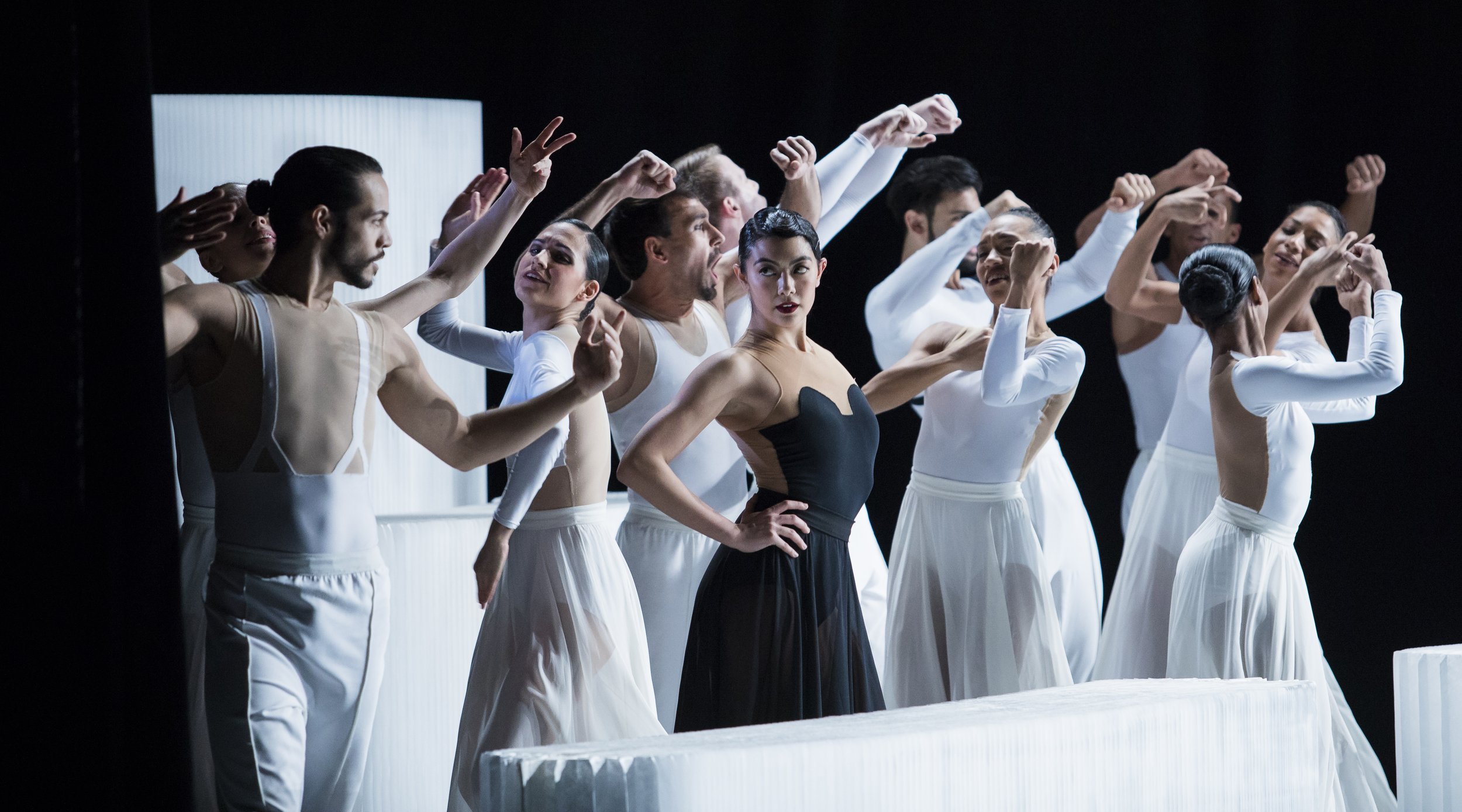
Photo by Marius Fiskum/Northern Lights Festival
The result is a contemporary lens on a story that has always pulsed with obsession and its consequence. The love triangle between Carmen, Don José, and Escamillo remains intact, but choreographer Gustavo Ramírez Sansano reframes it through movement that is athletic and unflinchingly direct. “It is a lesson in crimes of passion,” Vilaro says. “A lesson in our weaknesses as human people, because we fall in love and sometimes we don’t have the mechanism to understand how to manage it.”
What makes this version resonate now is not just its aesthetic minimalism, but its perspective. Vilaro points out how Carmen herself, once framed as a dangerous woman, reads differently through a modern lens.
“If Carmen were alive today… she would be on social media, everybody commenting, ‘Oh yeah girl, you better,’” he laughs. Beneath the humor is a deeper truth about shifting cultural narratives and the power of art to bridge past and present. “When we see art, we have to understand that it is about perspective, from the past to the present to maybe what the future will bring.”
That idea of perspective extends to younger audiences as well, something Vilaro clearly values as both an artist and mentor. He describes dance and the arts broadly as “essential folk art forms,” passed from person to person, generation to generation. “We think we’re the only ones who have gone through things,” he says of younger viewers. “Then they see a story like this and realize this is not new.” The recognition becomes a point of connection, a reminder that human emotion does not age out.
For audiences stepping into The Egg on March 20, the experience promises to be immersive in a way that transcends traditional storytelling. “The language of the movement is what really tells the story,” Vilaro proclaims. “The movement is the recitative.” Without ornate staging to lean on, the dancers carry the emotional weight entirely through their bodies, creating something alive and breath-taking. “The dancers are exquisite,” he adds. “Audiences just get so involved with it, which makes me happy, because it means I’ve done my job.”
There is also something fitting about presenting a work defined by contrast and duality in a venue freshly reborn. The Egg’s renovation has given Albany a revitalized cultural space, and Ballet Hispánico’s return helps activate that space with meaning. It is not just about reopening doors. It is about what fills the room when they are opened.
When the night ends, Vilaro hopes audiences leave not with neat conclusions, but with something more open ended. “I’m a big proponent of curiosity,” he says. “I want audiences to leave with more curiosity. I want them to be in the gray.”
In a time where certainty often feels unclear and division feels loud, that invitation might be the most radical gesture of all. Ballet Hispánico’s return to Albany does not just celebrate a milestone. It reminds us why we gather in theaters in the first place. To be stripped of our own labels, and move through the same timeless stories together as one people.
For tickets and more information, visit The Egg online.
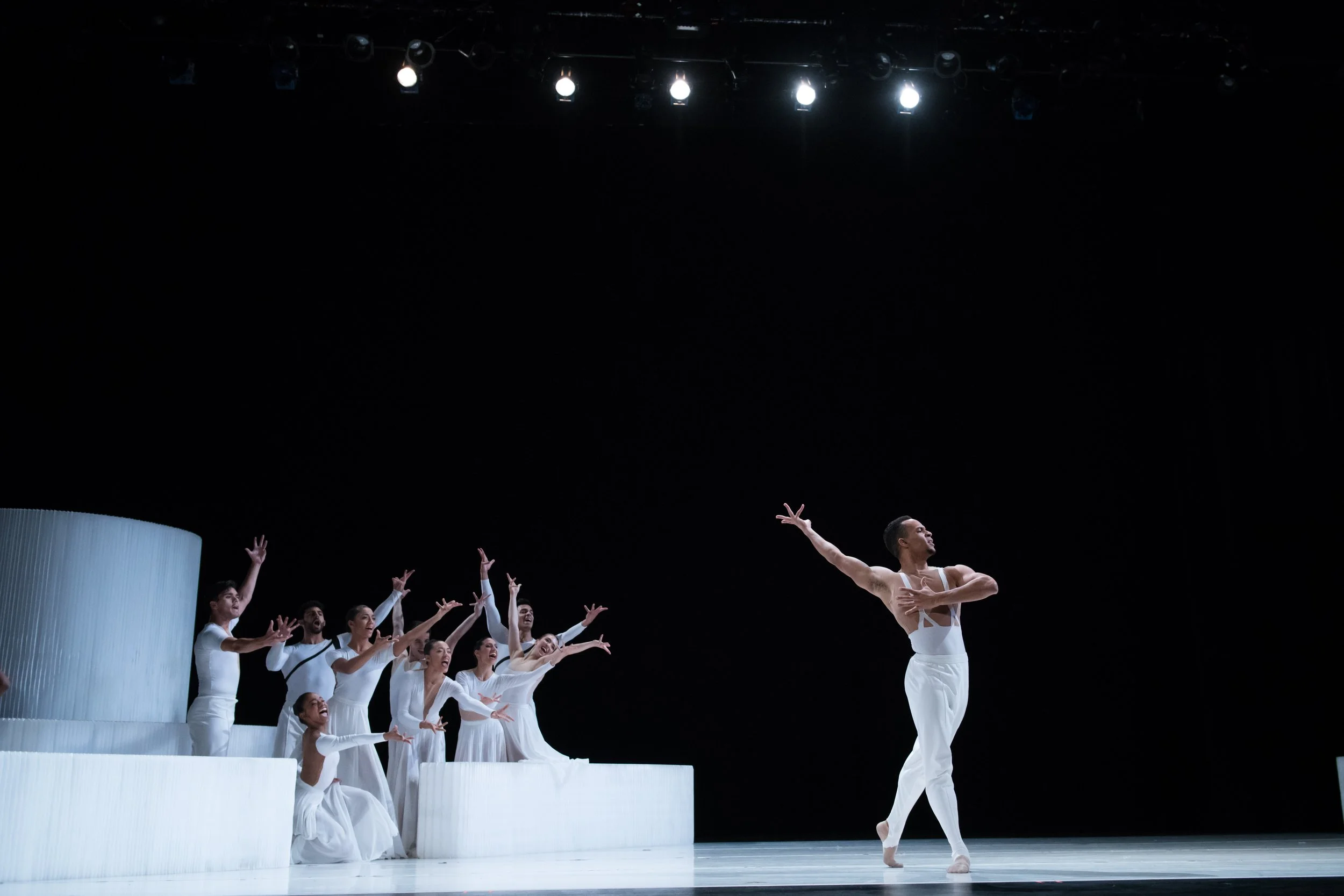
Photo by Paula Lobo