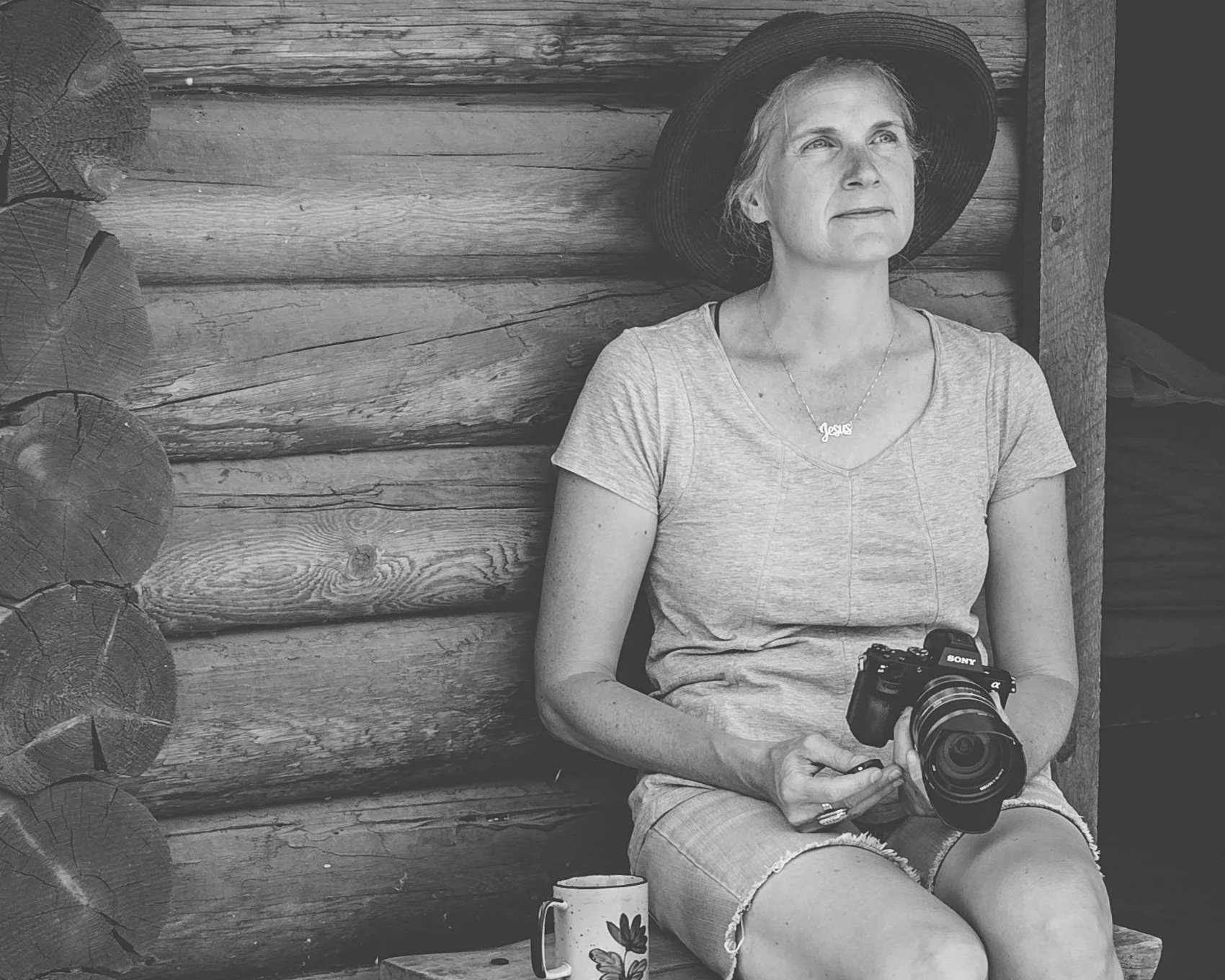
Photos provided by Katie Dobies
“...there's so much more value now in knowing where your photos come from.”
Art wouldn’t exist without the human behind it. Now more than ever, with AI doing its best to mimic reality, we need to emphasize the passion, dedication and true creativity behind work. A way to prevent the world from becoming dull and artificial is by recognizing the artist behind the work.
Katie Dobies is a stock photographer originally from the Capital Region. She started taking photos at parties and family vacations before ending up in Maine — which is now her “muse.”
“I knew I loved photography, and over time, I started wondering what I could actually do with it,” she explained. “What's the point of taking pictures if they're just going to sit there? I needed to know that there was some type of purpose behind it.”
After a long time of working for big stock photography corporations, a thought started burning in Dobies’ head: “What would it be like to shop for stock photography in a new way where my collection has more breathing space, so you see it more as a whole?”
From there, she trusted her gut to create Stock Photo Queen, an independent stock photography marketplace without any subscriptions needed. It offers downloadable commercial-use stock images with straightforward licensing and transparent pricing.
The collection includes real-world environments, human experiences, landscapes, architecture, editorial-style visuals, and atmospheric imagery suitable for websites, articles, marketing campaigns, educational materials, presentations, and creative design projects.
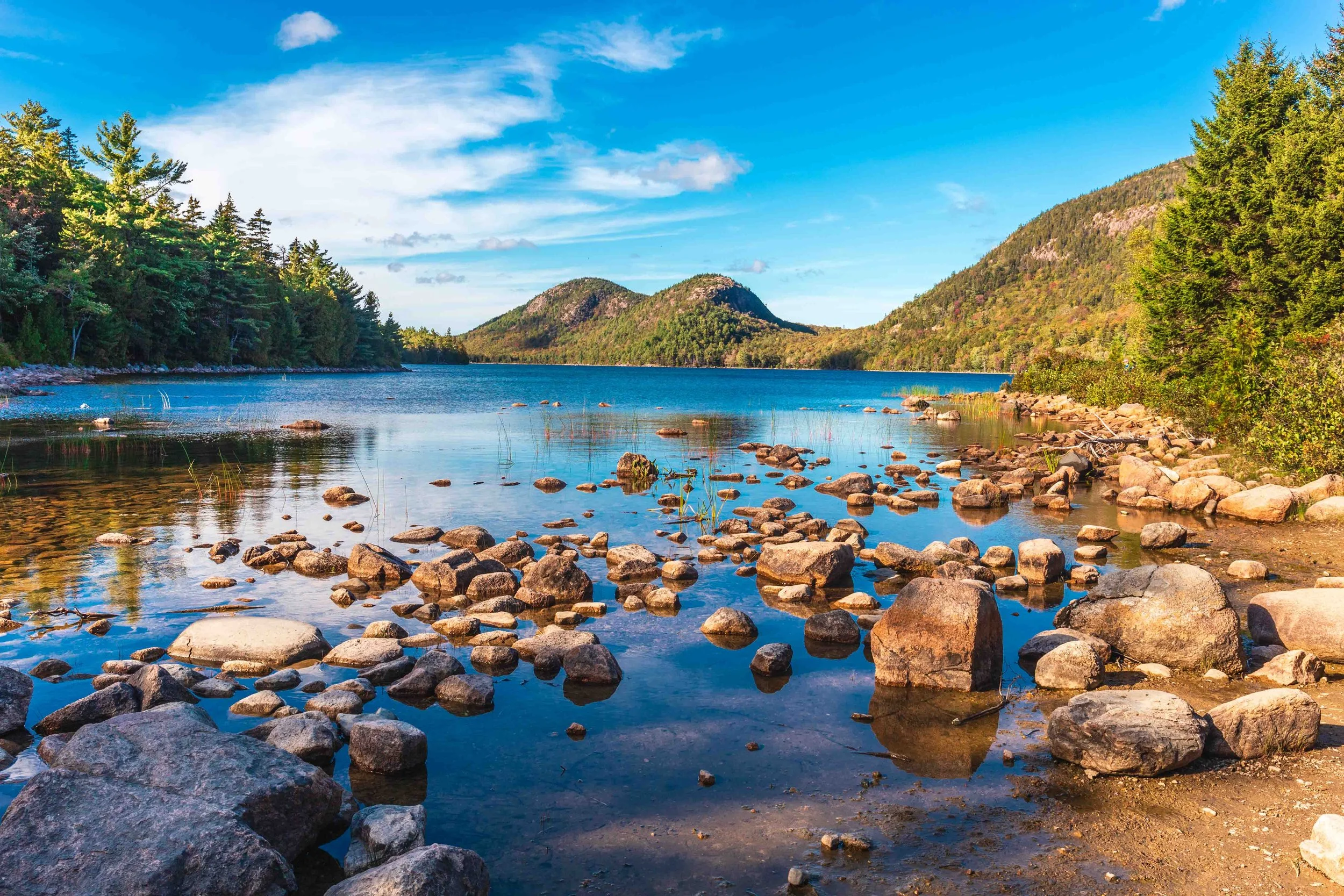
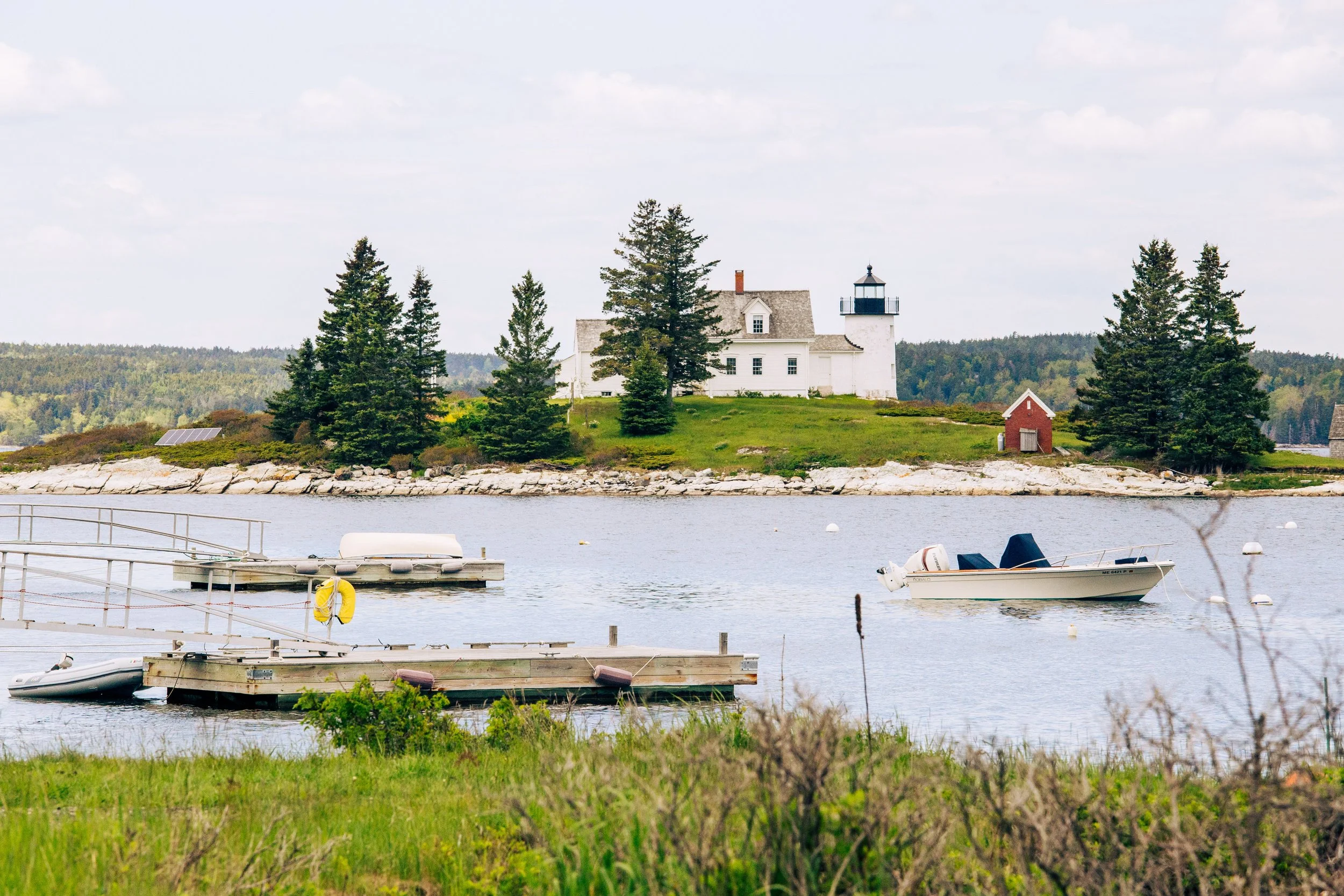
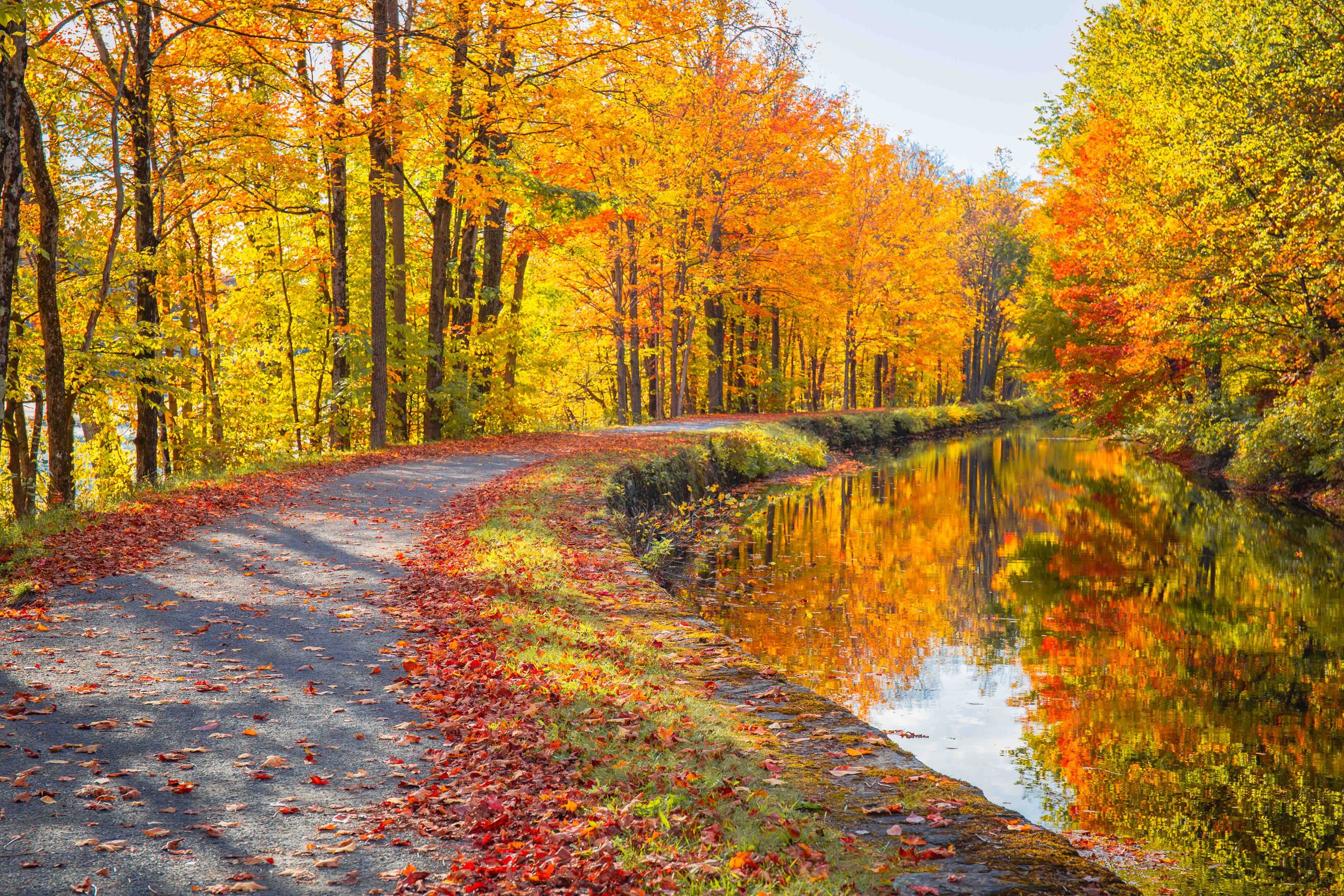
However, it wasn’t just a cohesive way to gain stock photography from a single artist. Dobies realized the significance of her platform in more ways than one.
“When I started doing the refresh on the site, and thinking about AI, I thought, wow, there's so much more value now in knowing where your photos come from. And Stock Photo Queen is already a trusted source. It has a human behind it. That has more value than ever.”
She explained that AI images may look real, but they’re simply not. She defined AI as recycling work and said, “It's an image, but not a photograph.”
Recognizing the worth in transparency regarding where photos originated inspired Dobies to take her work a step further. She created the Ethical Imagery Standard — a clear guidance centered on human authorship, traceable origin, truthful context, and clear licensing for identifying real photography in an AI-generated world. It is a principle available on her website that teaches everyone how to spot real photography, understand ethical licensing, and choose human-made imagery.
“It's redefining what photography is so that we can protect it and know the difference between a photograph taken by a person and one that's [generated by] AI,” she said. “Do we value photography? If we do, we have to give it some protection in this new time, because it can get really easily mixed together with the other images now, more than ever.”
Dobies is taking strides to protect the art of photography. According to her, anyone can by simply “being intentional about what type of images you're choosing.” She advises people to consider what they value, and stick to that. By using sources like hers, you can do just that.
“My work showcases real places in real time, real moments. I think that is the value of photography — documenting something real. And I'd like to keep that alive.”
Stock Photo Queen images are available as digital downloads with individual commercial-use licensing. No subscription is required. Learn more at https://stockphotoqueen.com/ and https://ethicalimagery.com/