INTERVIEW: Ohzhe and the Glory to be…
**This article originally appeared in our June 2026 print issue**
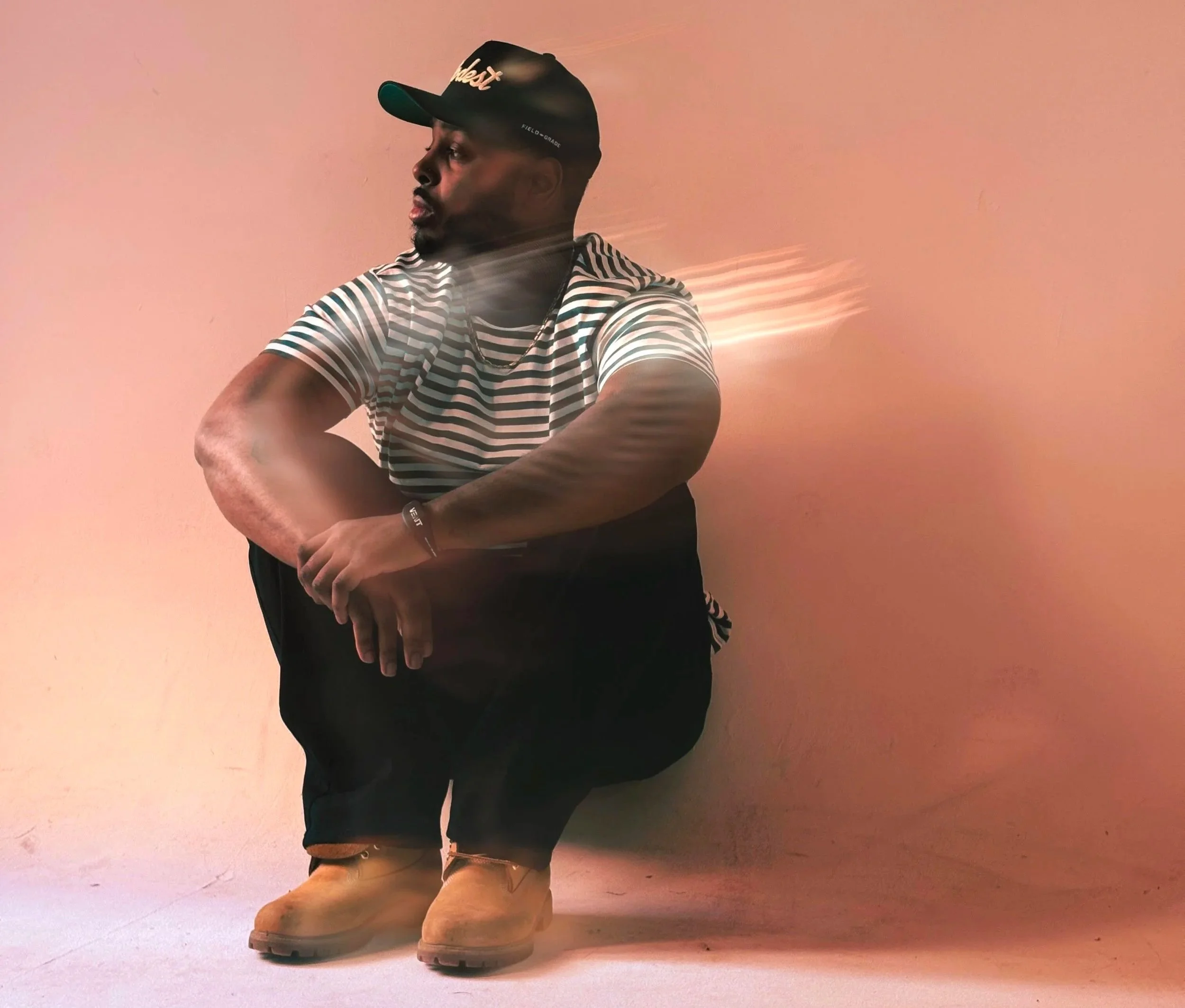
Photo provided
“It taught me to never second guess myself again, because I don’t need anyone’s approval to be great.”
With hip-hop’s inception as a way for marginalized communities to share their struggles, culture, and stories through art, it has long been a voice for the voiceless. Still, some search for their voice for a lifetime and never find it. Sometimes that voice is hidden away due to self doubt. For Ozymandias, better known by his stage name “Ohzhe,” it’s been a lifelong journey.
Born and raised in Albany, Ohzhe moved between uptown and downtown growing up. His love of writing first began when he was nine years old, creating stories in order to combat his horror movie-induced nightmares. He would write stories with Freddy Kruger and Jason teaming up as detectives. Not long after that, his early inspirations would become clear.
“In school they teach you poetry, and I found Muhammad Ali’s book and this Tupac book, so I was studying those — my dad was always playing [Tupac’s] music and Biggie’s and I just started to emulate that.”
That led to Ohzhe trying his hand at rapping by freestyling over his cousin’s mixtapes and beats as well as instrumentals that he’d find on the music sharing site Limewire. Collaborating early on with middle school classmates using burned CDs, they’d listen on a boombox or split headphones and write together in the back of classrooms. He would then meet Trell, who would invite him over to his home “studio.”
“They made it seem like it was a big, fancy studio but it was just a microphone with a sock tied to a radiator,” he laughs, “but I fell in love with it because it was the first time I'd ever heard my voice recorded on a track before, and I was just super excited about that. I have been addicted to writing and recording ever since.”
From there, his hunger for artistic expression would grow. While writing and rapping are always at the forefront, Ohzhe is also a graphic artist, videographer, and photographer — he even has a zine in the works. It’s all a part of his self-expression.
“I’m just trying to promote different outlets for myself, instead of escapism — smoking and doomscrolling, getting lost in things that take me away from the motivation.”
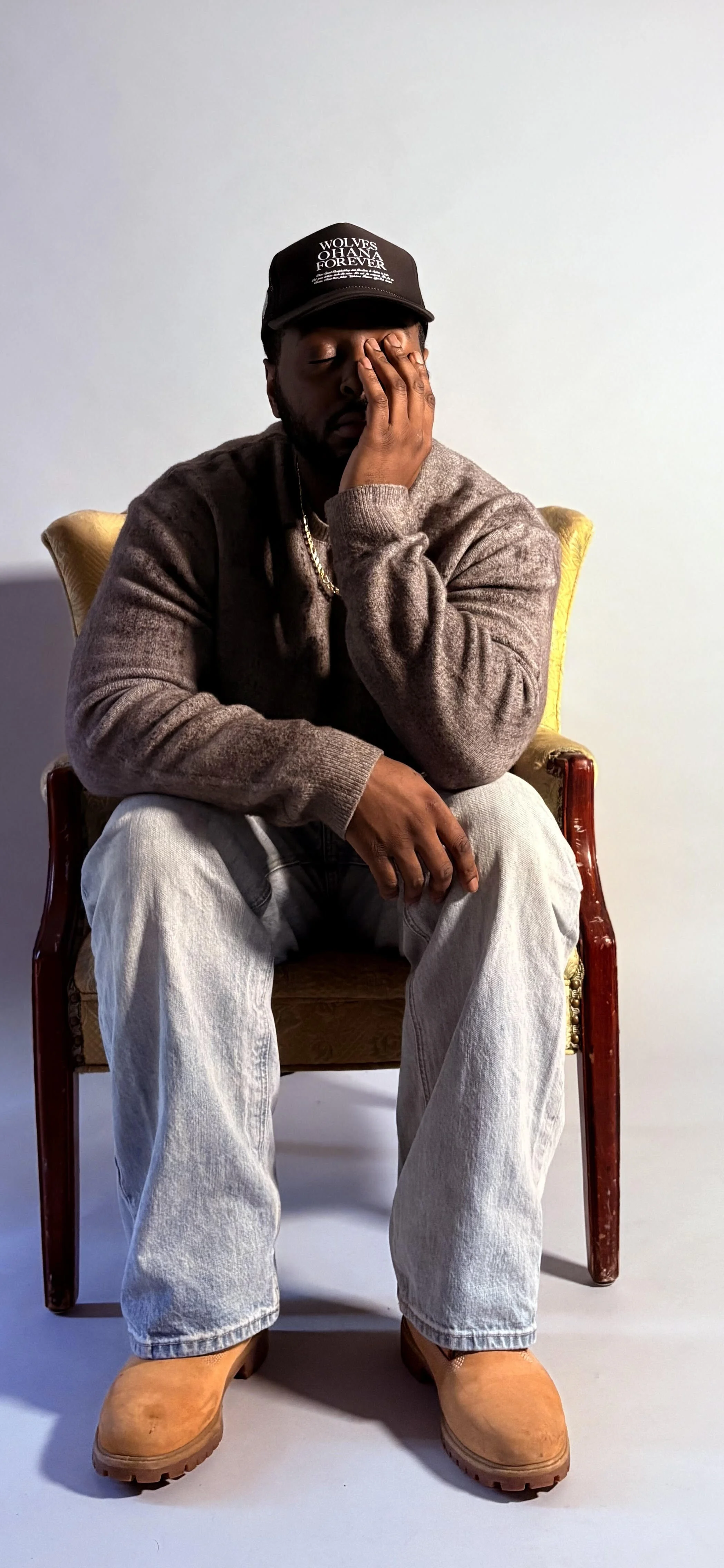
Part of that soul searching has also been trying to kick his imposter syndrome, which started early on when he was set to perform a showcase at Bogie’s in Albany. He was only 16 at the time and working under the tutelage of an older artist with whom he’d also been recording with. The show became a disaster due to the other person being extremely intoxicated, which kept Ohzhe from wanting to perform for some time. One day he showed up to the studio and it was locked, so when he confronted his former collaborator, he was told he was moving away and eventually moved with all of their tracks they’d worked on. While he would move on from that experience, the next test came when he was set to open for Doug E. Fresh at Alive at Five in August of 2022.
“A superstorm came; it was pouring [rain] bad and lightning struck the Hudson River. I was thinking, ‘God is clearly saying you don't need to be doing this no more.’ So again, I took this shot to my heart, and I'm like, ‘Yo, when is it gonna be a moment where I’m going to feel like it’s what I’m supposed to be doing?’”
All of that changed with an opportunity to open for hip-hop legend KRS-One at Alive At Five a few years later. With a packed audience, including Ohzhe’s dad wearing his merch and KRS-One joining his set for a cypher, it brought him to tears.
“I had been manifesting the moment that I was standing in. It was exactly how I envisioned it in my head, and that is what shook that imposter syndrome,” he elaborates. “It felt like a huge moment for my inner child who thought I wasn’t capable, and it really taught me to never second guess myself again because I don’t need anyone’s approval to be great.”
Now on June 6, Ohzhe is ready to share his true voice and artistic identity with the release of Glory (EP). The idea for the project was somewhat spontaneous by way of another outlet of his. Ohzhe became interested in photography during COVID —- eventually having his camera stolen and walking away from it entirely. This past February, he returned to the photography studio with only his iPhone. He captured some self-portraits, and one really spoke to him, becoming the cover for the album. Using that picture as inspiration, he listened through a folder of miscellaneous songs and started piecing together what he feels is showing the world who he really is.
“It’s speaking to what is going on with me, my confidence, and believing in myself at the end of what I was feeling throughout the process of making these songs.”
It also features family members like his cousin Rasif, who was integral to Ohzhe getting into rap. Rasif is currently incarcerated, though close to the end of his sentence, and Ohzhe wanted him to be featured on the track on this EP due to the overall meaning. The intro to the song, “Free Rah,” was recorded via a prison telephone line, as the two still talk, exchanging rap verses via phone and text.
“He’s got a lot of pain in his voice and a lot of experiences that he’s been through. I wanted to give him a platform because I think he deserves it, especially with what he’s meant to me in my life.”
The first track also features an introduction by his mom, whose brother was released from prison after 30 years of being wrongfully convicted. Their family has deep roots here and are all looking to find their sense of glory — whatever that looks like. For her feature, Ohzhe asked what glory means to her.
“I asked her that question and she went on a tangent, so I asked her if she could turn it into a poem. Everything she was saying was beautiful and poetic in a sense,” he reflects. “She went on to talk about grief, but also triumph and believing in yourself; — core values she instilled in me. Shout out to my mom.”
With a lifetime of experiences and a new project on the horizon, Ohzhe’s main aspiration is to be a beacon of hope for younger generations from where he came from. For him, that’s the importance of hip-hop — it's not just about the music, but the community and making room for everybody to express how they feel.
“I want to be the middleground to help the people from where I'm from, so that [they] have a voice. You can create anything you want in this world just as long as you believe in it.”
Follow along with Ohzhe on instagram @ohzhe or on his website ohzhe.net