INTERVIEW: Secondhand Enjoyment: Mariahfied Gives Old Fabric New Life
**This review originally appeared in our July 2026 print issue**
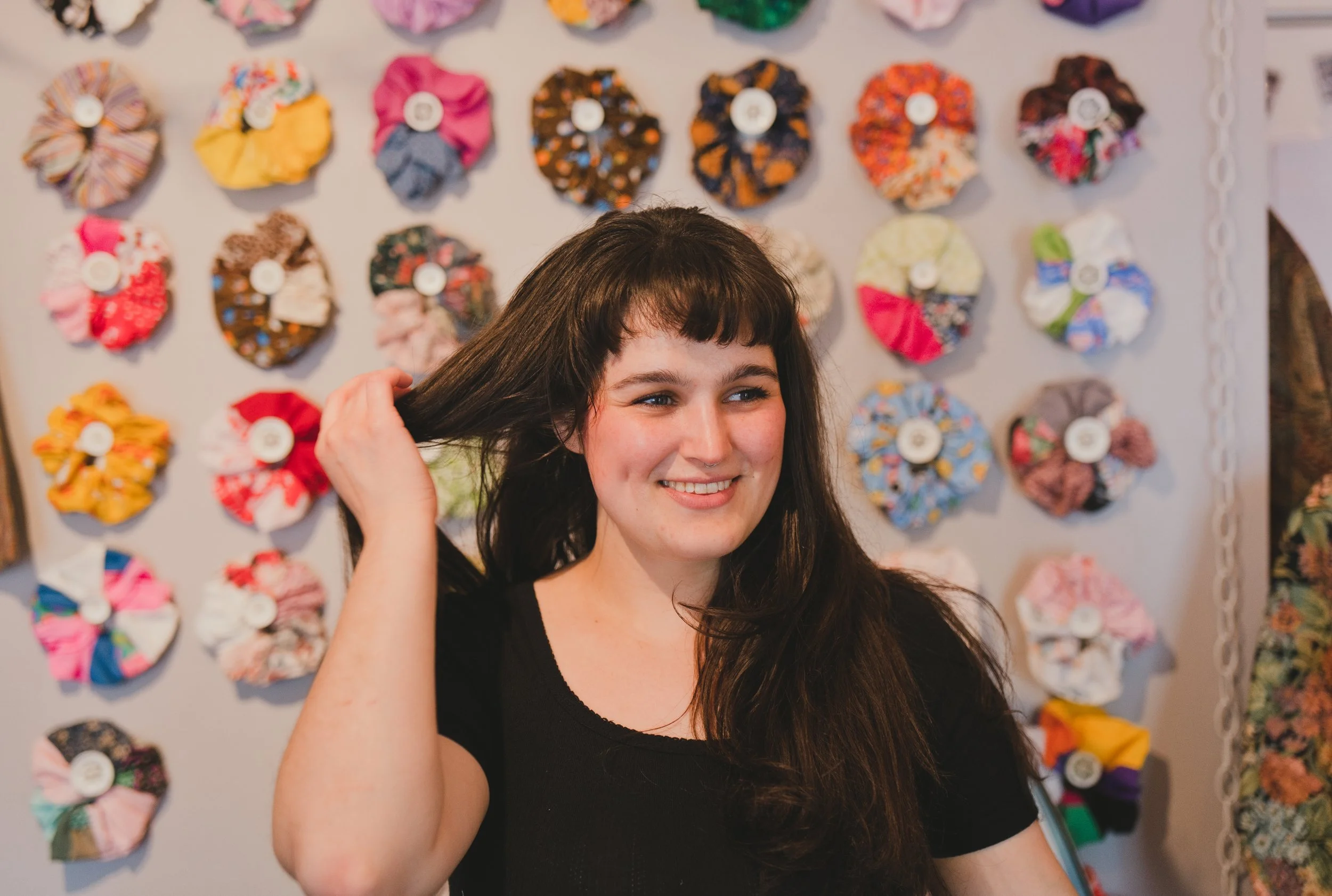
Photos by Debi Gustafson
“My whole thing is to keep my business as low-waste as possible, so I only use secondhand and vintage fabric.”
It’s pretty clear that any real artist enjoys the plodding and rewarding process of making things. Still, now more than ever, doesn’t it feel like every one of us is being forcibly steered toward achieving an unrealistic degree of hyper-efficiency in all that we do? We’re awash in a sea of nauseating tech-world terms that we’re expected to graft onto our everyday lives as normal: “optimize” this and “hack” that. And what to do with all this supposed saved time, anyway, if not to spend it creating more things with our own two hands and brain? Hey, don’t get me started.
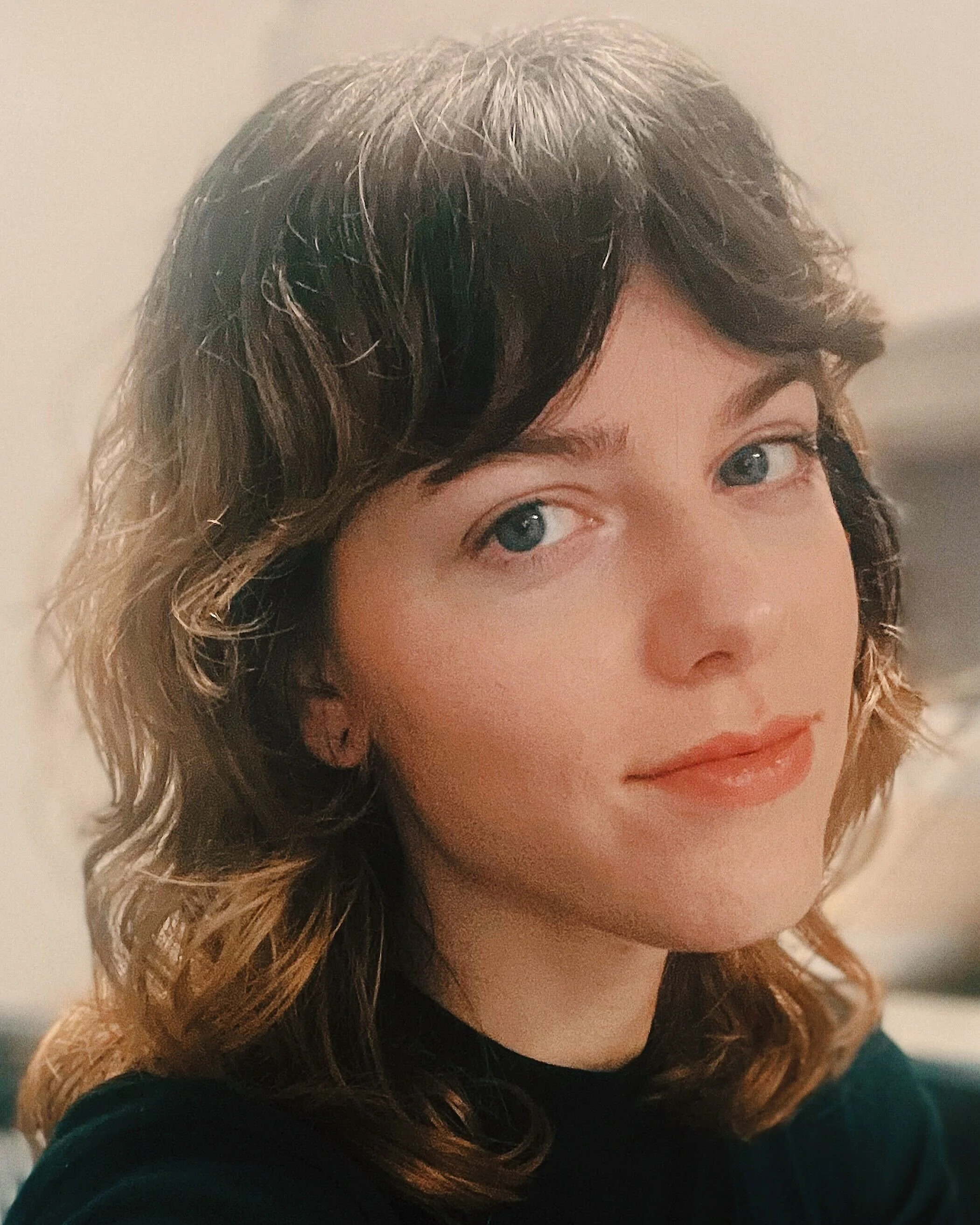
For those who still desire a little whimsy and human touch in their belongings, you could start with checking out Mariahfied, the clothing brand created by local garment artist and designer Mariah Singleton. She’s been sewing for the last seven years, with her business ramping up during the lockdown days of the pandemic. She started small, sewing masks at first, and steadily worked her way into crafting accessories like bucket hats and scrunchies. Today she creates bags, coats, patches, shorts, and skirts, just to name a few. Mariah approaches her business from a standpoint of sustainability.
“My whole thing is to keep my business as low-waste as possible, so I only use secondhand and vintage fabric,” she says. “I’ll do periods of time where I do ‘no buys,’ where I don’t buy any fabric [and] can only use what I have.”
The Mariahfied brand is easy to recognize. “I prefer to work with remnant fabric, like if someone has reupholstered their couch or something, they [might] have two to three yards left over… that’s like my dream, ideal situation.” This aesthetic is clearly evidenced in her work, with everything she makes possessing a homespun, cozy feel; much like wearing a piece of your family’s living room couch from the ’90s.
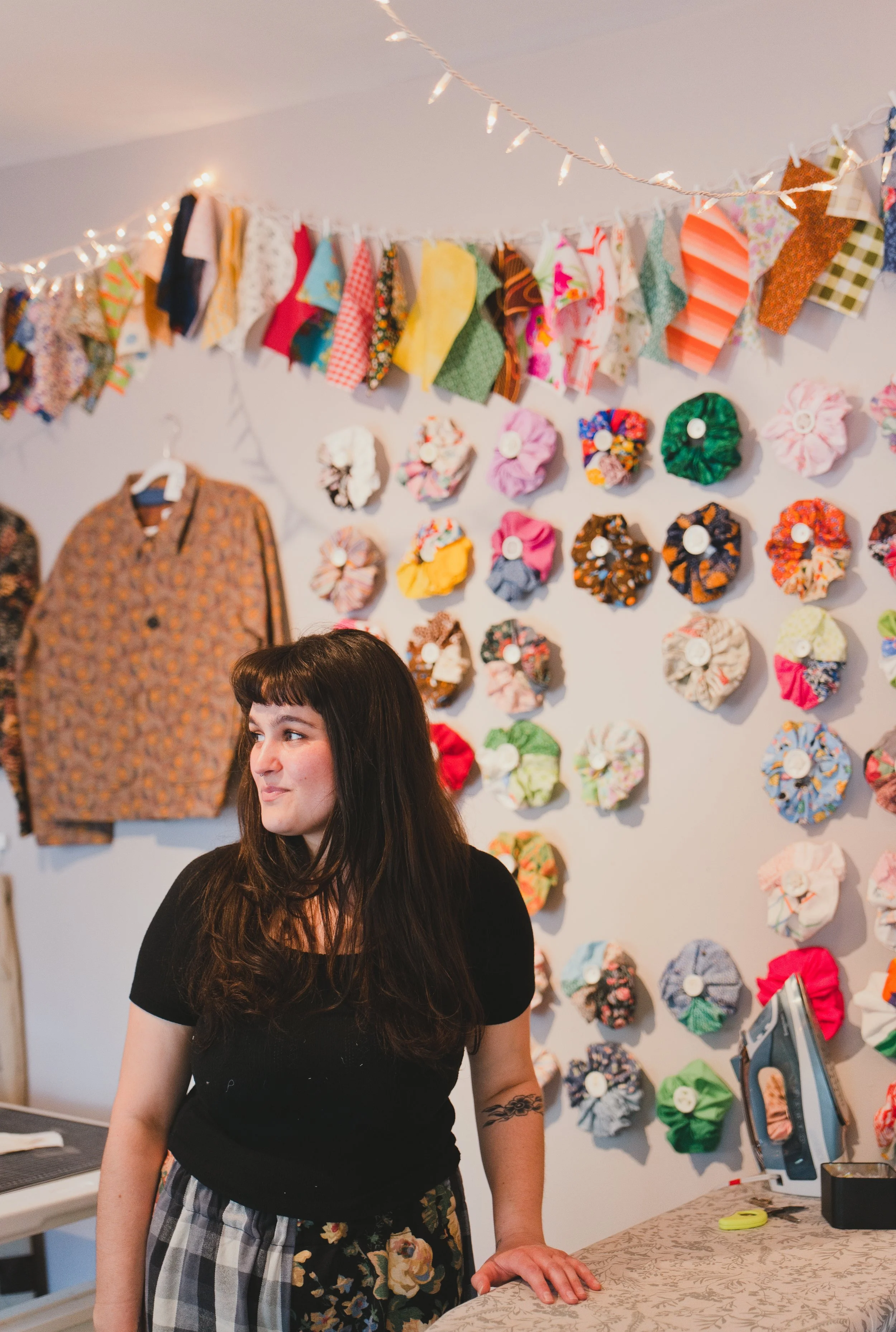
While all businesses need to inventory their stock to plan ahead and make decisions, Mariah attempts to balance the scales in a way that keeps her scrap waste down as much as she can. On her Instagram, you’ll see posts sprinkled throughout her grid that monitor the influx and output of materials, which she calls a “fabric report.”
“The fabric reports came about recently, [within] the past two years. I was bringing in so much versus what I was putting out and making so, I thought it’d be interesting to track what I was actually producing versus buying or being donated, or however I was accumulating fabric.” Mariah tracks these inventories in pounds of fabric. In one report, aptly posted on Earth Day, she breaks the categories out into what she’s used for product, products sold, “new” fabric, and what is discarded.
The insights gathered from this method of monitoring one’s own supply brings to mind the dark inverse to such handmade philosophies: fast fashion. Most people are familiar with fast fashion brands (think Shein, Fashion Nova, Zara), but the term itself refers to the full scope of production, distribution, and marketing of low quality, cheap clothing. The result of which is a vicious loop of accumulation and disposal that often lands heaps of clothing dumped in developing countries. For the workers manufacturing these garments, wages are extraordinarily low and the working conditions are both grueling and often dangerous.
Mariah’s intersection of fashion, artistry, and planet-focused creation reminds me of the idea behind the east coast art exhibition Fast Fashion/Slow Art (FF/SA), that portrays consumerism and waste within the garment and textile industry through contemporary art and journalism. The work sheds light on the ravenous realities of the fast fashion cycle that we all more or less have participated in at one point or another. Reducing our dependence on it is a laudable goal in this day and age.
Mariah is also one-half of Second Sunday Market, a vintage, art, and maker’s market in Saratoga Springs that takes place inside Congress Park along with Noah Chani, owner of the vintage store Grateful Threads. Currently in the midst of outdoor market season, there’s quite a lot of planning that goes on behind the scenes to make these events happen.
“We work with the city, book the dates, get all the paperwork together, and after that’s done, we open applications for anybody to apply. We have art, vintage, handmade goods, food, coffee, music… anything you can think of. And every month we go through the applications to keep the vendors rotating and keep things fresh and new,” Mariah tells me.
“The week of is the most work. You’ve got to post a bunch to promote all the vendors, keep up with messages, people inquiring or dropping out, and a lot of packing to get ready. I can’t imagine doing it by myself! It’s a team effort.”
Just like anything worth doing, it’s all about finding the contentment within the work. Wearing a piece of local art by designers like Mariahfied can help us feel close to our regional creative communities and remind us to take life sweet and slow.
Check out Mariah Singleton’s work on Instagram at @Mariahfied. To learn more about Second Sunday Market, visit secondsunday.co or on Instagram at @2ndsundaysaratoga. You can also find Grateful Threads by visiting gratefulthreadsny.com or on Instagram at @gratefulthreadsny.