
INTERVIEW: David Wimbish nearly gave up music. Now, he’s finding his true sound.
For a more in-depth conversation with David Wimbish, check out this month’s Confessions From the Underground column in our May print issue!
05/16 @ O+ Exchange, Kingston
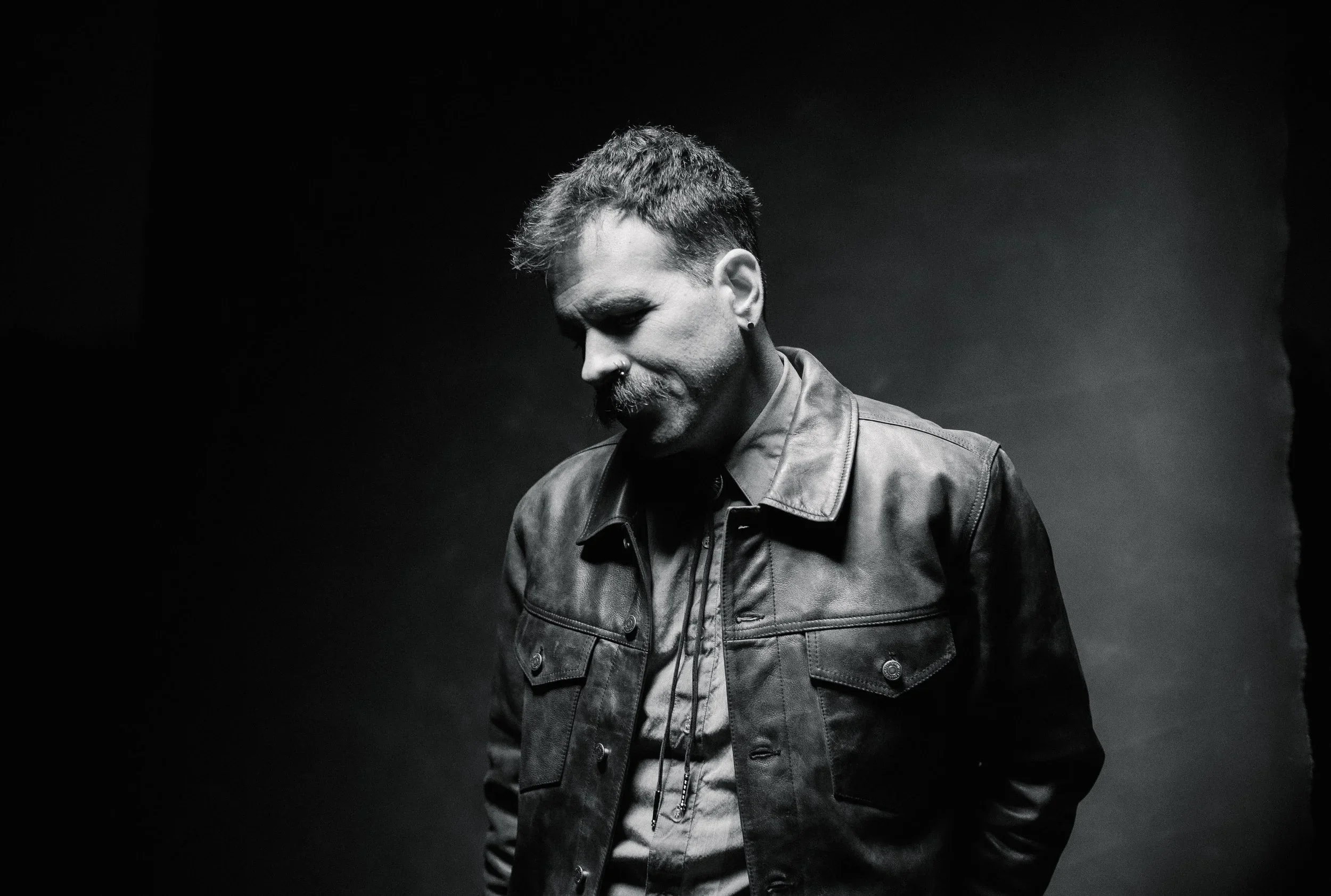
“I was just handed the experience of everything I could have dreamed of as a younger me writing songs and playing music, and I 100% missed it. I'm not going to miss that experience again.”
Recently, I was in a virtual meeting for my day job that included an icebreaker — you know, one of those groan-worthy things that’s used to try and connect people who’ve never met before via common interests, silly tidbits and what have you. This particular one was ‘unpopular opinions.’ (Pineapple on pizza is delicious, and I will die on that hill.) One person’s response stood out to me in particular; allow me to paraphrase for a moment: “Music from the last 20 years is nowhere near as good as any music before that.” Now, you’re welcome to debate the merits of this statement all you like (I think you know which side I would be on…) but at the absolute least, it’s incredibly reductive. But it’s also what so many artists are up against in this day and age.
As both a musician and a writer, of course my gut reaction was, “I need to prove this guy wrong,” despite not knowing him. The age-old question, “Who are the most underrated artists and songwriters the average person probably hasn’t heard of?” ran through my head; the name David Wimbish rang loud and clear near the top of the list. The end of that story is pretty anticlimactic — I just rolled my eyes and let it go. However, it does serve as a nice introduction to the insightful conversation I had with David a few weeks ago, which touches on a whole slew of industry challenges not unlike this one. For reference, you can seek out a number of his Instagram posts with captions like “Fuck the music industry,” if you’d like.
“My publicist at the label probably hates me for it,” David laughs, reflecting on his overt dissatisfaction with the state of the musical union. “She's probably out there trying to get press and they're looking at my page like, ‘We're not going to work with this guy.’”
Around two years ago, David found himself at a crossroads, with the band he had fronted for ten years disbanding. This project, dubbed The Collection, was rooted in David’s songwriting and even began as a solo project. So when the time came for some soul searching, he decided to rebrand slightly as David Wimbish & The Collection last year, and continue on as a lone wolf.
“I really loved having a band and I loved the community of it, but my band couldn't survive financially anymore,” David reflects. “We barely could pre-Covid. After, everything got so much more expensive and we were sort of hanging on by a thread. A lot of them started figuring out, ‘I don't know if I can do this anymore.’ And, yeah, that's fair. I couldn't ask [them] to keep doing this.”
Intense burnout set in. He recalls planning to give up music forever, citing the many Sisyphusean battles that plague the modern music industry. Then came the realization that he was obligated to make another album under his record label contract. This not-so-glamorous catalyst ended up opening the creative floodgates in unexpected ways.
“Honestly, I didn’t think my career was going anywhere. But if that's the case, what kind of album would I make? I started to realize how many voices I'd taken in when I made records and how many people I was filtering things through. So I was like, ‘I guess I'll just make an album without thinking about what anybody wants and just make it for myself.’
“I ended up in a room by myself for two or three months, just making an album,” he continues. “And it was so healing because it was being done from a place of not trying to be successful. I'm not trying to figure out how to write the catchiest songs that are going to hook people in. I'm just going to make whatever feels the most true to me. I realized I hadn't been in touch with my inner creative voice that way in a very long time.”
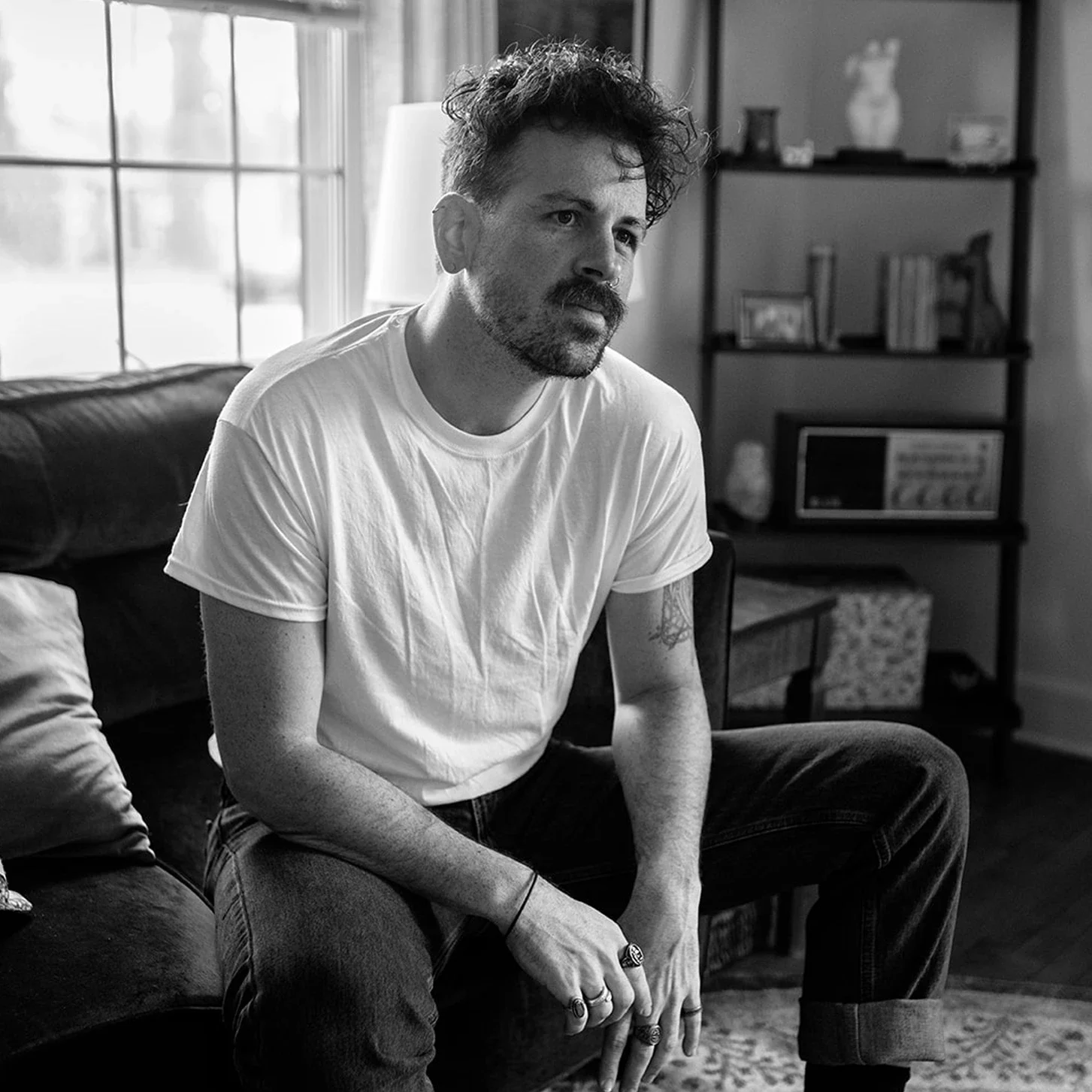
Throughout The Collection’s tenure, their music naturally gravitated towards a more songwriter-focused direction. While their 2014 full-band debut, Ars Moriendi, brilliantly captured an epic, emotional full-band environment akin to Arcade Fire or Manchester Orchestra, later records like 2018’s Entropy saw the band stripping down songs to their core, often times to just an acoustic guitar and David’s angelic vocals. The common thread through their discography has always been his knack for conveying emotions through invigorating melodies — think Nate Reuss or even Noah Kahan.
A perfect example is one of the band’s more recent singles, “Medication,” a powerful commentary on mental health. Lyrics like “Maybe I do not have enough strength / For more than a couple of steps in a day / But I deserve to be well…” gave me chills the first time I heard them, and David confirms I was not the only one who felt that way.
“[“Medication”] went a tiny bit viral on social media,” he recalls. “It got us a lot of new fans. It was kind of what I'd always wished would happen with the song. And at the time, all the people around me started telling me, ‘This is where it happens. You're about to be asked to go on all these tours. You're going to get a bunch of press.’ All the stuff that's ‘supposed’ to happen. And none of it did. That’s sort of what burnt me out because I was like, ‘This is the best thing I could write.’”
As he’s reflecting on the success of this song, I’m reminded of another interview I did a few years back with Dylan Slocum of Spanish Love Songs. He used a phrase which I’ve borrowed many times since: “It’s hard to keep your eyes on your own paper.” As David is speaking, I realize he’s essentially saying the same thing, emphasizing the universality of this concept. It naturally plays into a larger conversation around comparison culture, social media and the like, but we don’t have time to delve into that at the moment. What ultimately matters is how you process those feelings, and fortunately with the benefit of time, David is able to look in the rear view window and realize the beauty of the moment that “Medication” provided, and use it as fuel for moving forward.
“I was getting hundreds and hundreds of messages from people about how they were about to take their own life and then they discovered [“Medication”] and it made them decide to stay. Or how they'd resisted life-changing medication for their entire life, and then they heard the song and decided to get on it. All these messages that I can’t bring myself to believe that my music could have the power to do. It feels huge, but at the time, I was so embarrassingly obsessed with, ‘Why is this other stuff not happening? Why are the tours not happening?’ I really didn't emotionally experience the weight of these messages I was receiving.
“So when all of this happened and I decided to give up on music, that was the big realization for me: I was just handed the experience of everything I could have dreamed of as a younger me writing songs and playing music, and I 100% missed it. I'm not going to miss that experience again. I refuse to sit here and obsess over numbers and whether people are asking me on tour or whatever. I just want to focus on the people that are listening because that's what this whole thing is about.”
On May 16, David will be making a stop at O+ Exchange in Kingston during a brief tour. Fans can expect an intimate performance from a songwriting master, with plenty of opportunities for connection within. There are songs he’s written that should be at the top of whatever charting system radio uses, for the simple fact that they are catchy and perfectly delivered, and for the less simple fact that they are deeply rooted in universal human experiences.
Listening to David detail his own experiences, both on a personal level and within the industry, resonated with me quite a bit. I’m a firm believer that the only thing harder than chasing a dream is giving up on one. David’s story is one of resigning to the latter, only to come back more devoted than ever, and it’s not lost on him just how important that journey has been.
“It feels really nice to be at that place, just doing what feels good and not out of any sort of pride or embarrassment. Isn't that a Miles Davis quote? ‘It takes a very long time to sound like yourself.’ I feel like I’m starting to understand what I sound like.”
For tickets to the May 16 show at O+ Exchange, visit https://opositivefestival.org/events/live-music-night-david-jesse/. For more information on David Wimbish & The Collection, visit https://www.thecollectionband.com/.
