
05/31 @ Troy Savings Bank Music Hall
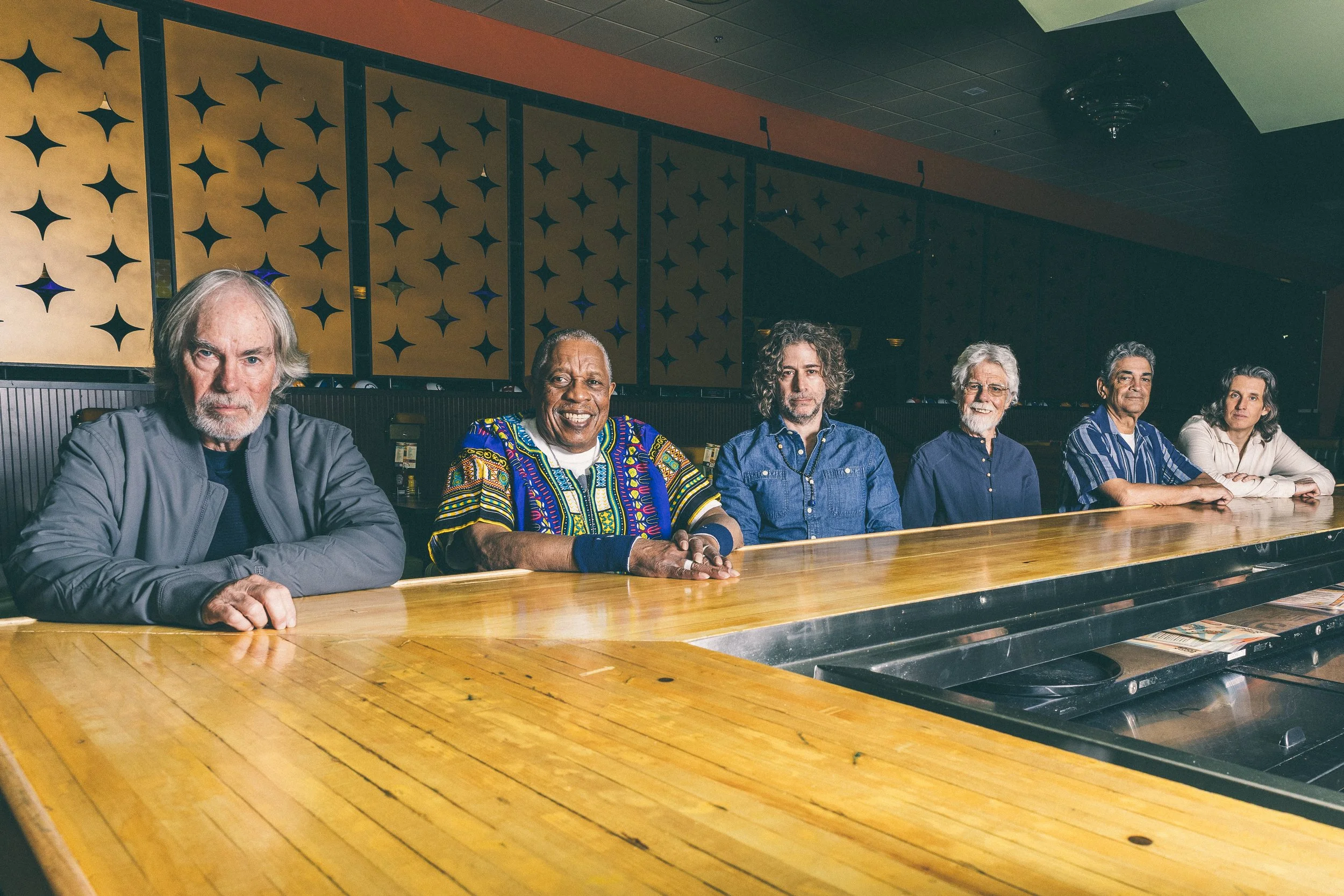
Photo by Fletcher Moore
“I don't take any of it for granted. I just feel so lucky to have been born a musician.”
You never want to hear that your favorite band is doing a farewell tour. It was bittersweet speaking with Bill Payne, founding member and keyboardist of Little Feat, ahead of the band’s upcoming performance in Troy, but he helped soften the blow of this announcement. The band is not eager to say goodbye, yet they are facing the reality of aging and using this tour as an opportunity to define and strengthen the legacy they will leave.
“Think of it as a long embrace,” he says. “It'll mean less time on the bus, which will be welcome, but if we want to play residencies, a cruise, a special festival or record, that's pretty open ended.”
Titled “The Last Farewell Tour,” this tour could extend for another two and a half years, but the intention to actually end the trip is becoming more present in the band’s consciousness and actions. He credits the Eagles for allowing the band to rethink what a farewell tour really means as they have extended their farewell tour for well over two years.
“When you lay a line out there in the future and say, ‘hey, at some point we're going to call it a day,’ it defines what’s important,” he says. “It makes us think: What do we really want to do? What do we want to accomplish? How can we add to our legacy?”
Payne admits he resisted calling it a farewell tour because he still has a desire to keep playing music. He jokingly recalls a Monty Python line: “I'm not dead yet.”
“I like the focus of what's happening. I'm not quite playing like it's my last time, but I am playing with conviction,” he says. “I want as much of it to carry as possible.”
Legacy, Payne explains, is a responsibility. The reputation and impact of Little Feat lies in the band’s commitment to musicianship first and foremost, and curiosity over aims for stardom.
“How do people think of you? Where and when do they think of you?” he questions. “I hope they first think of our musicianship,” he admits. “We're still well thought of as musicians. We still deliver as musicians, whether we are on stage ourselves or when we play on other people's projects.”
He explains that this quality is what makes someone a member of Little Feat, reflecting on when Scott Sharrard and Tony Leone joined the band. It’s not their technical knowledge, but their sensibilities that make them able to express their whole selves honestly, to say what they want to say, and build off of these notions in a collaborative way with the other band members.
“They both are brilliant musicians, but their musicianship is what makes them members of Little Feat,” he admires.
For decades, Little Feat occupied a strange place in American music as likely ‘your favorite band’s favorite band,’ but were never fully canonized in mainstream rock. Payne credits this to allowing the band to stay together for this long.
“We're doing a lot better than we were in the past — we're not everybody's secret surfing spot anymore,” he laughs.
“The truth is that being below that line of a demarcation — where people can view you as either like The Beatles or think ‘who are those guys?’ — that's helped us last as long as we have,” Payne says. “People are still discovering what I do and so there’s always a new interest in us.”
Just because the window of touring is slowing down, the band is still very productive. Little Feat – The Documentary, directed by Jesse Lauter narrated by Jeff Bridges, is set to release this year, and Payne’s memoir, Carnival Ghosts, is scheduled to be released in early 2027. Payne also has a potential solo project of songs he has written in collaboration with Grateful Dead lyricist, Robert Hunter, and Pulitzer Prize winning poet, Paul Muldoon, and Charlie Starr of Blackberry Smoke. There is also the possibility of a follow-up to Strike up The Band with Little Feat.
“This is a very productive time of my life,” Payne says. “And certainly Little Feat’s as well.”
He explains the writing process for his memoir was a roller coaster of emotions.
“My life's not any different than yours. It's filled with ups and downs and tragedy and redemption and fun times and everything in a full, real life.”
An important part of the book was changing the narrative of Lowell George as an addict. His demise was similar to that of Janis Joplin and Jerry Garcia and others. It was a part of the times people were living in, not all of who he was.
“I wanted to give people a broader picture of him as a human being, of his talents, his feelings too, just like I tried to do for myself.”
Payne is also a prolific session musician playing on records by the Doobie Brothers, Bonnie Raitt, Rod Stewart, Bob Seger, Carly Simon and many, many more.
All the names of the artists he has worked with will be listed on a page in the memoir to prompt people to think, “God, this guy's either really good or he can't hold a job,” he says laughing.
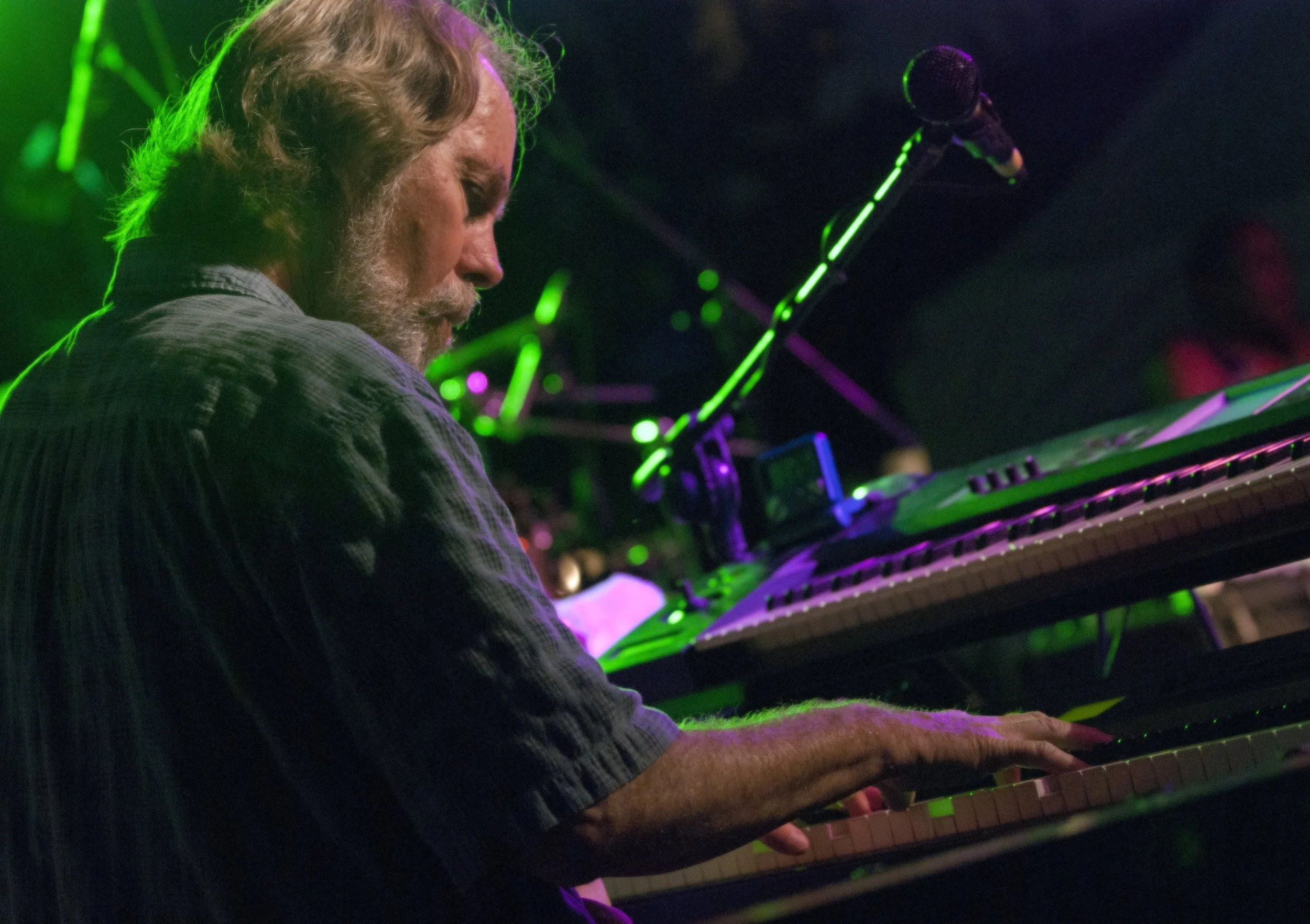
Photo by Polly Payne
The breadth of artists Payne has worked with reflects not only his musical versatility, but his collaborative, positive-sum world philosophy. Payne’s balance between session work and Little Feat has allowed him more creative freedom and the ability to live a quality life as a musician without falling into the traps of fame.
Payne has relied on very detailed journals he kept throughout his career along with interviews of those who shared the same moments with him. During our video call, Payne takes out a notebook from 1978 and holds it up to the camera on our video call, showing me a page of his detailed schedule of three recording sessions in a day with Ted Templeman: 9am-12pm, 12pm-6pm and another beginning at 7pm.
Payne has also developed a photography practice over the past 20 years and has been going through his archives to select the photos that will be placed throughout the book. He explains how he photographs with a musician’s eye.
“How my music informs my photography is through my laissez faire attitude to photography that also informs my music. I think in musical terms about the imagery in photography— about evoking tone, mood, and rhythm.”
He continues, “I think the iterations of photos are fun to create as well. It's like playing a different version of a song, changing the tempo or mood.”
Experimentation is central to what he does across all art forms.
“I'm not afraid to try and progress on things. I don't feel I'm gonna lose what I had before,” he says. “I like the notion of exploration. I'm not a big person on authority and rules,” he says. “I want to know what the rules are, but I’m not necessarily going to follow them.”
Our conversation frequently returned to the topic of humanity and empathy in art, life, politics, and collaboration.
“The arts are not benign,” he says. “They can be used for bad purposes, and are all the time. What I've realized is that the importance of photography, of music, of poetry, of architecture, of food, of so many of the arts, it's creating something that engages others”.
“It’s a fools game to try and capture everybody's attention — you're not going to do it — But have something that has some humanity and some form of empathy to impact someone.”
Through experimentation you will find what is meant for you and what is not. By finding what speaks to you, that’s how you can impact other people too.
“Absorb the experimentations while you can and later, put two and two together and think: Why did it affect me like that? How does it affect or inform what I want to do with my writing, my art, my concept of who I am?” he says. “That's when life becomes interesting.”
Despite so many tools on the internet to expand one’s music vocabulary, he still encourages active listening as an essential part of learning music and finding your voice as an artist.
In terms of being in a band he says, “It's a worthy endeavor. It can last you a lifetime.”
Payne has been playing the piano since taking lessons from Ruth Neuman at four years old, and after seven decades behind the keys, he still loves it.
“I'm serious about what I do, but I also got to have serious fun,” he says. “I don't take any of it for granted. I just feel so lucky to have been born a musician.”
Little Feat will play Troy Savings Bank on May 31. See here for tickets.